

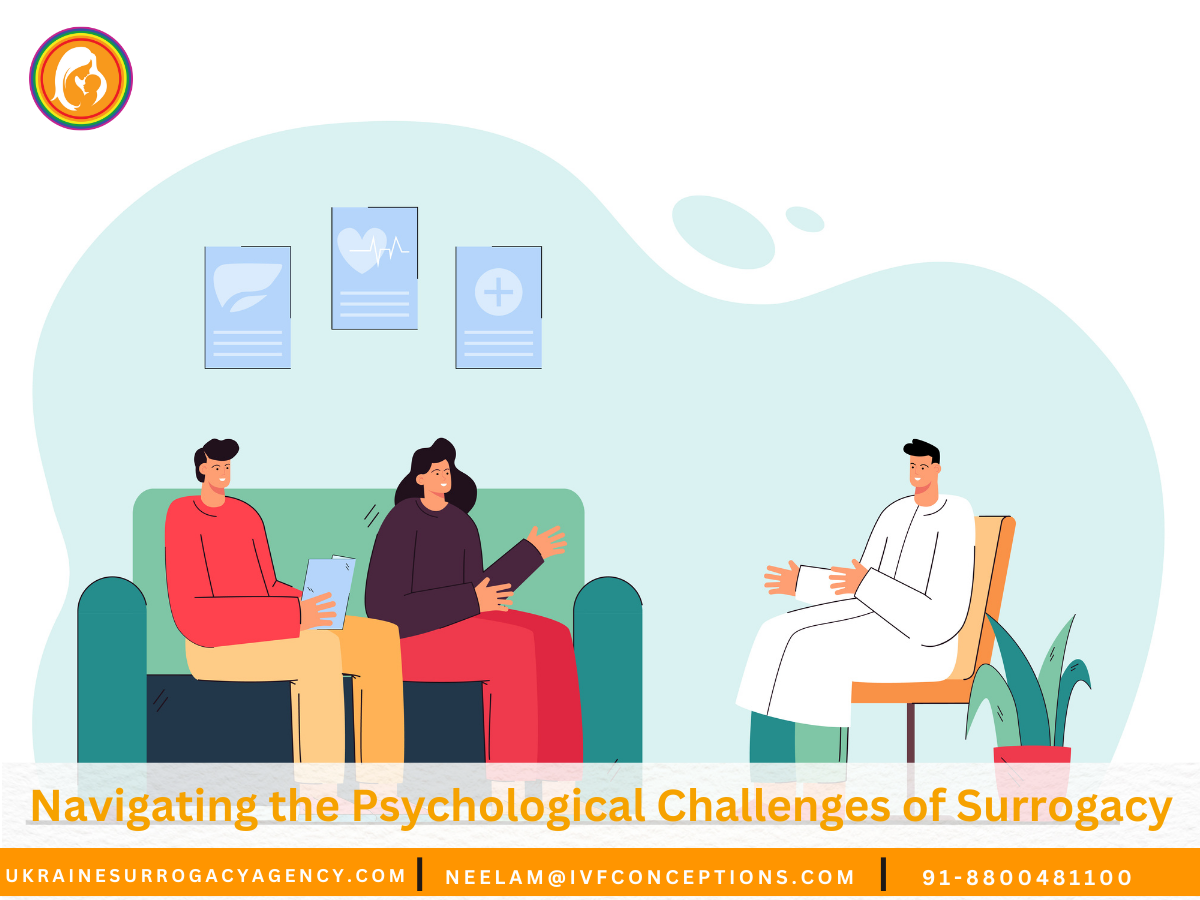
Navigating the psychological challenges of surrogacy requires emotional preparedness, open communication, and strong support systems for both intended parents and the surrogate. The journey can bring feelings of anxiety, loss of control, and uncertainty, especially during medical milestones and legal processes.
Counseling, psychological screening, and ongoing emotional support help manage expectations, build trust, and address concerns early. With clear agreements, empathy, and professional guidance, families can navigate the emotional aspects of surrogacy with confidence and resilience.
Key Takeaways
- The psychological challenges in the surrogacy process are multifaceted and affect all parties involved.
- Understanding the emotional impact of surrogacy is key to managing expectations.
- Professional counseling is vital for mental health support for surrogates and intended parents.
- Addressing fears and anxieties can make the surrogacy experience better.
- Open communication builds trust and transparency in the surrogate-parent relationship.
- Recognizing the emotional journey leads to healthier dynamics after surrogacy.
📞 Get in Touch for a Free Surrogacy Consultation
📱 +91-8800481100 (WhatsApp | LINE | Viber)
📧 neelam@ivfconceptions.com
🌐 www.ukrainesurrogacyagency.com

Understanding Surrogacy and Its Emotional Terrain
Surrogacy is a complex emotional journey for everyone involved. It touches the hearts of intended parents and surrogates alike. Each person has their own hopes, fears, and dreams.
Different Roles in Surrogacy: Intended Parents and Surrogates
Intended parents feel a mix of emotions, from excitement to anxiety. They look forward to the birth of their child with hope and uncertainty. Surrogates, on the other hand, carry a deep emotional burden. They form a special bond with the baby, nurturing it while fulfilling another family’s dream.
The Emotional Journey of Surrogacy
The emotional path of surrogacy is filled with joy, challenges, and sometimes grief. Intended parents and surrogates build a relationship that can grow stronger or face tension. They need to communicate openly and understand each other.
Both sides may feel vulnerable and triumphant. This highlights the need for mental health support. Professionals can help make the journey smoother, ensuring everyone feels supported.
The Psychological Challenges in the Surrogacy Process

Surrogacy is a complex journey filled with psychological challenges. Both intended parents and surrogates face anxiety and uncertainty. These feelings can make communication tough and create worry as the process goes on.
Managing Anxiety and Uncertainty
Intended parents worry a lot about their surrogate’s health and the baby’s safety. They fear the pregnancy’s outcome and the emotional ups and downs they might face. Surrogates, on the other hand, worry about forming a bond with the baby. They are unsure about their emotional state after the baby is born.
Attachment Issues and Emotional Bonding
Attachment issues in surrogacy create a unique emotional situation. Surrogates often form a strong bond with the baby, making the delivery date hard to handle. It’s tough for everyone to balance their feelings. Professional counseling helps manage anxiety and encourages open talks about emotional needs. Understanding these complex feelings makes the surrogacy journey smoother for all.
| Aspect | Intended Parents | Surrogates |
|---|---|---|
| Anxiety Sources | Health of the surrogate and the child | Attachment and emotional concerns |
| Common Emotions | Fear, excitement, uncertainty | Joy, fear of loss, connection |
| Coping Strategies | Therapy, support groups | Counseling, open communication |
Intended Parent Psychology: Addressing Fears and Expectations

Intended parent psychology is key in the surrogacy journey. Many face fears of loss and disappointment. These feelings can make them anxious, adding to the uncertainty of the process.
Common Psychological Struggles for Intended Parents
Intended parents deal with many psychological challenges. These include:
- Anxiety about the outcome: Worrying if the surrogacy will work can be intense.
- Feelings of inadequacy: Some feel they’re not “real” parents without a biological link.
- Stress from uncertainty: The unknowns of surrogacy can cause a lot of stress.
- Grief over infertility: Many deal with disappointment and loss from their infertility journey.
The Impact of Infertility on Mental Health
Infertility deeply affects mental health. Intended parents may feel depressed, anxious, and emotionally strained. Understanding these feelings helps them seek support:
- Engagement in therapy: Counseling can help manage fears and emotional expectations.
- Support networks: Connecting with others who understand can offer comfort and insights.
- Open communication: Talking openly with surrogates and partners can reduce anxiety.
Surrogate Mother Emotional Journey: Navigating Complex Feelings
The emotional path of a surrogate mother is complex, filled with joy, pride, and sadness. As she prepares to give up the child, she may feel many emotions. It’s important to understand postpartum depression to help her through this tough time.
Postpartum Depression in Surrogacy Arrangements
Postpartum depression can hit any mother, including surrogates, after childbirth. While the intended parents celebrate, the surrogate might feel a deep loss and emotional distance. It’s key to recognize these feelings, as they can impact mental health and the surrogacy journey.
Coping with Loss and Letting Go
Managing grief in surrogacy adds to the emotional hurdles surrogates face. Letting go of a child they may have bonded with is hard. Counseling and support groups are vital. They offer the help and guidance needed to process these complex emotions.
The Role of Psychological Counseling in Surrogacy
Psychological counseling is key for both intended parents and surrogates in surrogacy. It helps them deal with the emotional ups and downs of this journey. Regular counseling boosts emotional health, lets people share their feelings, and encourages open talks.
Benefits of Professional Support
Professional support in surrogacy offers many benefits. These include:
- Addressing anxiety: Experts help manage the anxiety that comes with surrogacy’s unknowns.
- Enhancing emotional resilience: Counseling builds emotional strength, helping people face the journey’s challenges.
- Improving communication: It makes sure intended parents and surrogates talk well with each other.
- Providing coping strategies: Counselors teach ways to deal with tough emotions and situations.
Maintaining Healthy Relationships: Surrogate-Parent Relationship Dynamics
Building strong bonds between surrogates and intended parents is key in surrogacy. These relationships thrive on open communication, respect, and understanding. Trust and transparency are the foundation, helping both sides face challenges together.
Building Trust and Transparency
Building trust takes work from everyone involved. Here are some key steps to foster trust:
- Open Communication: Regular talks and sharing expectations can avoid confusion.
- Sharing Feelings: Being open about feelings and worries makes the relationship stronger.
- Setting Boundaries: Clear roles and limits ease worries for both sides.
Navigating Post-Surrogacy Relationships
After surrogacy, relationships can change, affecting the bond formed during pregnancy. Here’s how to keep a healthy connection:
- Continued Communication: Staying in touch keeps the bond alive.
- Respecting Boundaries: It’s important to respect each other’s privacy and space.
- Celebrating Milestones: Sharing in each other’s big moments strengthens the connection.
Additional resources to read:
Transferring One or Two Embryos in Surrogacy
Common Surrogacy Myths Debunked
Why More Foreigners Are Choosing Colombia for Surrogacy in 2026.
Affordable Surrogacy Programs Globally
Conclusion
It’s key to understand the psychological challenges in surrogacy for both sides. Recognizing the emotional impacts helps everyone deal with complex feelings. This way, they can find a path that respects their unique experiences and dreams.
Following ethical surrogacy practices is also important. It makes sure everyone feels valued and heard. This commitment leads to positive experiences and strengthens the bonds formed during surrogacy.
Education and professional support are vital for a good surrogacy journey. They help create a more compassionate and understanding environment. This way, everyone involved can navigate the process better.
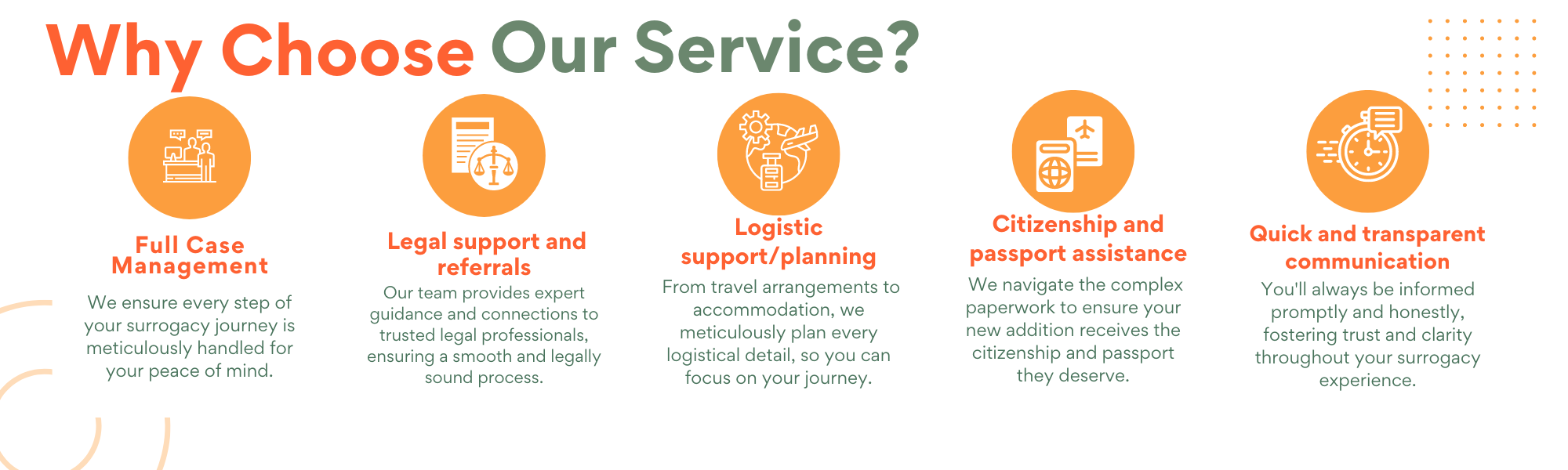
💫 Why Intended Parents Choose Complete Surrogacy for a Safe, Smooth & Successful Surrogacy Journey:
🌍 Access to multiple surrogacy destinations with 15+ years of international experience
🏥 Partnerships with top-tier fertility clinics and agencies, backed by references from past clients
👩🦱 Diverse egg donor options: Asian, Caucasian, African, Oriental, and more
💸 Transparent and affordable pricing—direct payments with no extra agency fees
🔒 No hidden costs—all charges are agreed upon upfront
🤝 Dedicated case manager for personalized support
📲 Fast, honest, and clear communication throughout
📑 Full legal support for visas, documentation, and baby exit processes
🚚 Assistance with frozen sperm/embryo shipment logistics
FAQ: Navigating the Psychological Challenges of Surrogacy
What are the main psychological challenges faced by intended parents during surrogacy?
Intended parents often worry about their surrogate’s health and the baby’s well-being. They fear loss and disappointment. These worries add to the emotional pain of infertility. Talking to mental health experts can help them deal with these feelings.
How do surrogates cope with the emotional complexities of their role?
Surrogates feel many emotions, like pride and sadness. They might feel sad as the birth approaches. They can find support through counseling, support groups, and ongoing psychological help.
Why is psychological counseling important during the surrogacy process?
Psychological counseling is key for managing anxiety and understanding relationships. It helps both sides express their feelings and communicate better. It also teaches coping skills for the journey’s ups and downs.
What are some common attachment issues encountered in surrogacy?
Surrogates and intended parents can face attachment problems. Surrogates might bond with the child, while intended parents worry about bonding after birth. Getting professional help is important for emotional health.
How can intended parents manage their anxiety during surrogacy?
Intended parents can tackle anxiety by talking to counselors about their fears. They can also use coping strategies like cognitive-behavioral techniques. Keeping open communication with the surrogate helps too.
What factors contribute to postpartum depression in surrogate mothers?
Postpartum depression in surrogates can come from many sources. These include the emotional pain of giving up the child, attachment, and biological changes. Ongoing counseling and support are vital for managing these feelings.
How can surrogates and intended parents maintain a healthy relationship throughout the surrogacy process?
Keeping a healthy relationship requires trust, honesty, and clear communication. Setting clear expectations and boundaries helps. Talking openly after the surrogacy can also strengthen their bond.

Highly esteemed, authoritative, and trusted professional with a 14-year of experience in international surrogacy. Advocate for Secure, Legal, and Affordable International Surrogacy.
Neelam Chhagani, MA (Counselling Psychology) and Holistic Infertility and Third-Party Reproduction Consultant.
Member of European Fertility Society, Best Surrogacy Blogger of 2020, with 300 dedicated blogs, and top contributor on Quora for Surrogacy.
Add Your Comment