

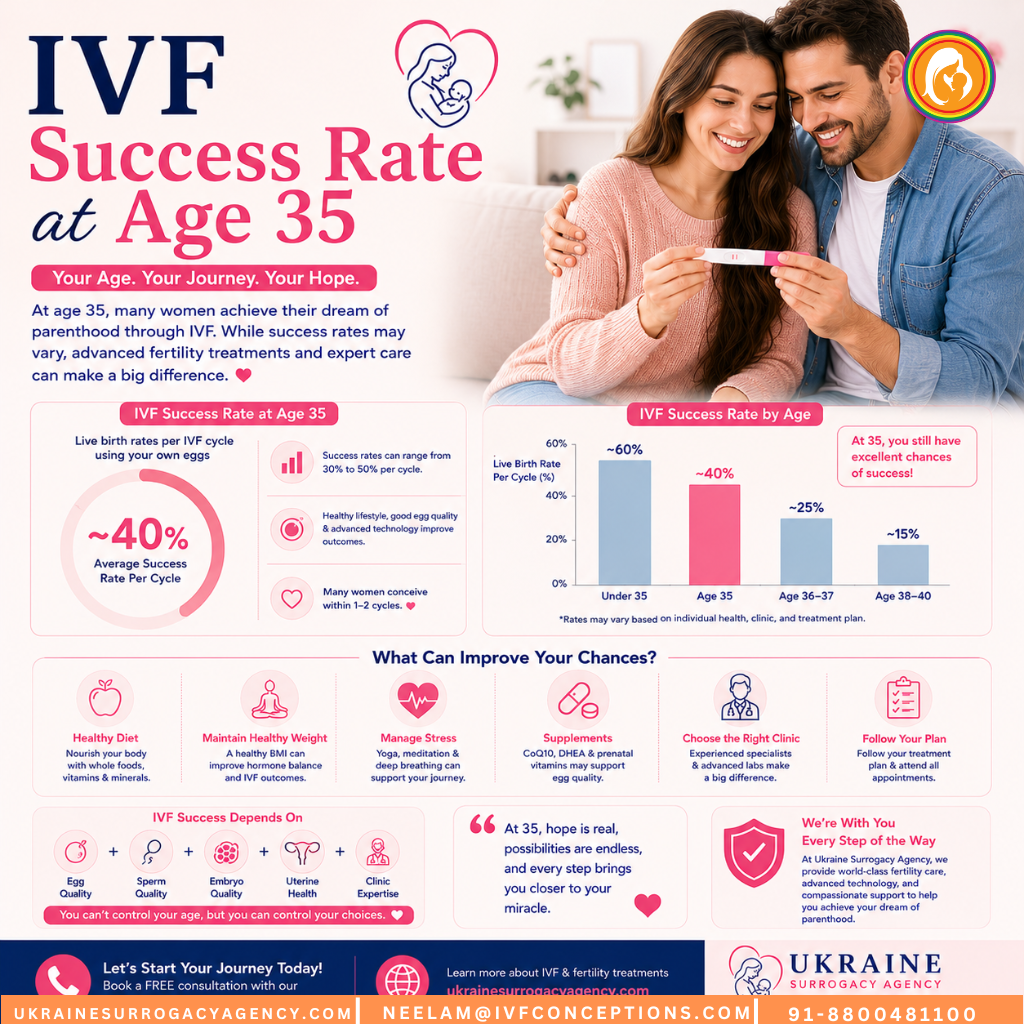
IVF Success Rate at Age 35 is generally considered favorable compared to older age groups, as egg quality and ovarian reserve are often still relatively good at this stage. Women aged 35 have a higher chance of achieving pregnancy through IVF than women in their late 30s or 40s, although individual factors such as overall health, embryo quality, sperm quality, and underlying fertility conditions also play an important role. Understanding the IVF Success Rate at Age 35 can help couples set realistic expectations and make informed fertility decisions.
| Factor | IVF Outcome at Age 35 |
|---|---|
| Average Pregnancy Rate per Cycle | Approximately 40–50% |
| Live Birth Rate per Cycle | Approximately 30–45% |
| Egg Quality | Generally good, but beginning to decline gradually |
| Ovarian Reserve | Usually adequate in most women |
| Miscarriage Risk | Lower than in women over 40 |
| Embryo Quality | Often remains favorable for implantation |
| Multiple IVF Cycles | Increase cumulative pregnancy chances |
Factors Affecting IVF Success at Age 35
| Factor | Impact on Success |
|---|---|
| Egg Quality | Higher-quality eggs improve fertilization and embryo development |
| Sperm Health | Good sperm quality supports healthy embryo formation |
| Uterine Health | Essential for successful implantation |
| Lifestyle Habits | Healthy weight, diet, and exercise may improve outcomes |
| Underlying Fertility Conditions | PCOS, endometriosis, or other conditions can influence success |
| Clinic Expertise | Experienced fertility specialists may optimize treatment plans |
Ways to Improve IVF Success at Age 35
- Follow your fertility specialist’s treatment plan carefully.
- Maintain a healthy body weight and balanced diet.
- Avoid smoking and excessive alcohol consumption.
- Manage stress and prioritize overall wellness.
- Take recommended prenatal vitamins and supplements.
- Attend all monitoring and follow-up appointments.

Why Age 35 Is an Important Fertility Milestone
| Age Group | Typical IVF Success Trend |
|---|---|
| Under 35 | Highest IVF success rates |
| Age 35 | Still strong success rates with good prognosis |
| Age 38–40 | Gradual decline in success rates |
| Over 40 | More significant decline in egg quality and success rates |
Although fertility naturally begins to decline after age 35, many women in this age group achieve successful pregnancies through IVF. With proper medical guidance, individualized treatment, and healthy lifestyle choices, the chances of a positive IVF outcome remain encouraging.
This comprehensive guide explores everything you need to know about IVF success rates for 35-year-old women, the factors that influence your specific outcomes, and practical strategies to maximize your chances of achieving a successful pregnancy.
Ready to Understand Your Personal Success Rate?
Every fertility journey is unique. Our experienced specialists provide personalized assessments based on your specific health profile. Get clarity on your IVF options with a free, no-obligation consultation.
What Is the Success Rate of IVF at 35?
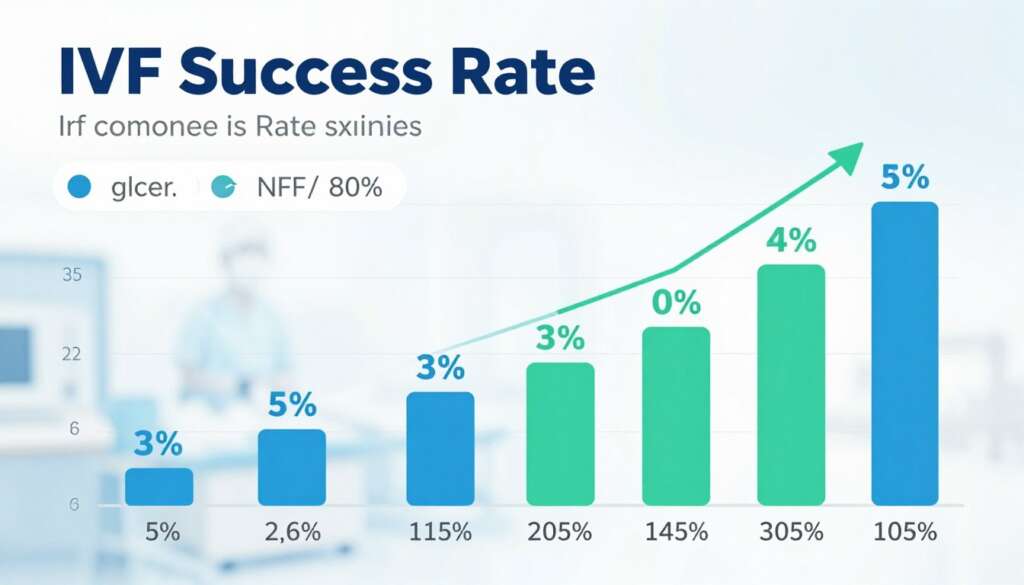
Women at age 35 experience IVF success rates ranging from 40% to 50% per embryo transfer cycle. This represents one of the most favorable age brackets for assisted reproductive technology outcomes.
These numbers reflect live birth rates, which means the percentage of cycles that result in taking home a healthy baby. Success rates vary based on individual factors including ovarian reserve, overall health status, and clinic expertise.
The implantation rate for women at 35 typically falls between 35% and 45% per transfer. This indicates how often an embryo successfully attaches to the uterine lining after the embryo transfer procedure.
IVF Success Rates for 35-Year-Old Women Across Multiple Cycles
Understanding success rates across multiple IVF cycles provides a more complete picture of your chances. After one complete cycle, success rates hover around 45% for women at age 35.
After two cycles, cumulative success rates increase to approximately 65%. This significant jump demonstrates why many fertility specialists recommend planning for multiple attempts when beginning fertility treatment.
By the third IVF cycle, cumulative success rates reach 75% to 80% for 35-year-old women. Most patients who achieve pregnancy do so within three complete cycles of treatment.
+91-8800481100Speak with a fertility specialist today to discuss your personalized success probability based on your unique health profile.
Key Factors Affecting IVF Success Rate by Age 35

Multiple biological and lifestyle factors determine your individual IVF success rate at 35. Understanding these elements helps you identify opportunities to optimize your fertility treatment outcomes.
Ovarian Reserve and Egg Quality
Your ovarian reserve represents the quantity and quality of eggs remaining in your ovaries. At age 35, most women still maintain good ovarian reserve, though this begins declining more rapidly after this age.
Egg quality directly impacts fertilization rates and embryo development. Higher quality eggs produce healthier embryos with greater implantation potential.
Testing your ovarian reserve through AMH blood tests and antral follicle counts provides valuable insight into your egg supply. These measurements help fertility specialists customize your treatment protocol.
Embryo Quality and Development
Embryo quality serves as one of the strongest predictors of IVF success. High-quality embryos demonstrate proper cell division, appropriate growth rates, and minimal fragmentation.
Preimplantation genetic testing screens embryos for chromosomal abnormalities before transfer. This technology significantly improves success rates by identifying the healthiest embryos.
The number of quality embryos available for transfer influences your overall chances of success. More high-quality embryos provide additional opportunities across multiple cycles if needed.
Uterine Health and Receptivity
A receptive uterine environment is essential for successful implantation. The endometrial lining must reach optimal thickness and demonstrate appropriate hormonal response patterns.
Uterine abnormalities such as fibroids, polyps, or adenomyosis can interfere with implantation. Addressing these conditions before embryo transfer improves your chances of successful pregnancy.
Timing the embryo transfer to coincide with the implantation window maximizes success rates. Endometrial receptivity testing helps identify your optimal transfer timing.
Medical Factors
Pre-existing health conditions significantly impact IVF outcomes and require careful management throughout treatment.
- Thyroid function and hormonal balance
- Insulin resistance and metabolic health
- Autoimmune conditions and inflammation
- Previous pregnancy complications
- Polycystic ovary syndrome presence
Lifestyle Factors
Daily habits and environmental exposures create measurable effects on fertility treatment success rates.
- Body mass index and weight management
- Smoking and alcohol consumption
- Stress levels and mental health
- Sleep quality and duration
- Environmental toxin exposure
Male Factor Considerations
Sperm quality contributes equally to fertilization success and healthy embryo development outcomes.
- Sperm count and concentration
- Sperm motility and morphology
- DNA fragmentation levels
- Antioxidant status
- Environmental and occupational exposures
Treatment Protocol Factors
Clinical decisions and medication protocols directly influence egg retrieval outcomes and embryo quality.
- Ovarian stimulation medication selection
- Dosage timing and adjustments
- Trigger timing for egg maturation
- Laboratory culture conditions
- Transfer technique and catheter type
Best IVF Success Rate for Women Over 35: What Makes the Difference

Achieving the best possible IVF success rate requires strategic planning and optimization of controllable factors. Women over 35 who take proactive steps see significantly improved outcomes.
Choosing the Right Fertility Clinic
Fertility clinic selection dramatically impacts your success rate. Clinics with advanced laboratory facilities, experienced embryologists, and proven track records demonstrate consistently higher success rates.
Research clinic-specific success rates for your age group through national reporting databases. Look for centers that specialize in treating women in their mid-thirties with similar fertility profiles.
Experienced fertility specialists adjust treatment protocols based on individual response patterns. This personalization maximizes egg quality and embryo development potential.
Advanced Technologies That Improve Success
Time-lapse embryo monitoring systems track embryo development continuously without disruption. This technology identifies the embryos most likely to result in successful pregnancy.
Preimplantation genetic testing screens embryos for chromosomal abnormalities before transfer. Transferring genetically normal embryos significantly increases live birth rates.
Assisted hatching techniques help embryos break through their outer shell for improved implantation. This procedure benefits women with previous failed cycles or advanced maternal age.
Maximize Your IVF Success Rate with Expert Guidance
Our fertility specialists combine cutting-edge technology with personalized treatment protocols designed for women over 35. Schedule your consultation to create your optimized treatment plan.
Egg Donor Considerations for Enhanced Success
Using donor eggs from younger women significantly increases success rates when egg quality becomes a limiting factor. Donor egg cycles achieve success rates of 60% to 70% regardless of the recipient’s age.
Many women combine their own eggs with donor eggs in a single cycle. This approach provides the opportunity for genetic connection while ensuring backup options.
Egg donor selection involves careful matching of physical characteristics, health history, and genetic screening. Reputable fertility centers maintain rigorous donor screening protocols.
How to Improve IVF Success at 35: Proven Strategies

Implementing targeted lifestyle modifications three to six months before your IVF cycle can substantially improve your chances of success. Small consistent changes create measurable improvements in egg quality and overall fertility.
Optimize Your Nutrition for Fertility
A balanced diet rich in antioxidants protects egg quality from oxidative damage. Focus on colorful fruits, vegetables, whole grains, and lean proteins to support reproductive health.
Omega-3 fatty acids from fish, flaxseed, and walnuts improve egg quality and reduce inflammation. Aim for two to three servings of fatty fish weekly or consider high-quality supplements.
Minimize processed foods, refined sugars, and trans fats that promote inflammation and hormonal imbalances. These dietary changes support optimal egg development and implantation.
- Increase folate-rich foods including leafy greens, legumes, and fortified grains
- Consume adequate protein from diverse sources to support hormone production
- Maintain steady blood sugar levels with regular balanced meals
- Stay well-hydrated with eight to ten glasses of water daily
- Limit caffeine intake to 200mg per day or less
- Consider Mediterranean diet patterns linked to higher success rates
Strategic Supplementation for Egg Quality
Prenatal vitamins with methylated folate support healthy egg development and early pregnancy. Begin supplementation at least three months before starting your IVF cycle.
Coenzyme Q10 supplementation improves mitochondrial function in aging eggs. Research suggests 600mg daily may enhance egg quality and fertilization rates in women over 35.
Vitamin D deficiency correlates with lower IVF success rates. Testing and optimizing vitamin D levels above 30 ng/mL supports improved outcomes.
Additional Resources to Read:
How BMI Influences Fertility and IVF Outcomes
Best IVF Doctors for Surrogacy in Mumbai
IVF Egg Donor Costs in Thailand
Exercise and Physical Activity Guidelines
Moderate exercise improves blood flow to reproductive organs and helps maintain healthy body weight. Aim for 30 minutes of moderate activity most days of the week.
Avoid excessive high-intensity exercise that may interfere with ovulation and implantation. Balance your routine with gentler activities like yoga, swimming, or walking.
Stress-reducing movement practices like yoga and tai chi provide dual benefits of physical activity and mental relaxation. Both factors contribute to improved fertility outcomes.
Stress Management and Mental Health
Chronic stress elevates cortisol levels that can interfere with reproductive hormones. Implementing stress-reduction techniques improves both treatment tolerance and success rates.
Mind-body practices including meditation, acupuncture, and guided imagery demonstrate measurable benefits for IVF patients. These techniques reduce anxiety and improve pregnancy rates.
Professional counseling or support groups provide emotional support throughout the fertility treatment process. Mental health directly impacts physical health and treatment outcomes.
Actions That Improve IVF Success
- Maintain healthy BMI between 18.5 and 24.9
- Follow balanced diet rich in whole foods
- Take recommended fertility supplements
- Practice regular moderate exercise
- Implement stress management techniques
- Get adequate sleep (7-9 hours nightly)
- Attend all monitoring appointments
- Follow medication protocols precisely
Factors That Reduce Success Rates
- Smoking cigarettes or using tobacco
- Consuming excessive alcohol
- Being significantly over or underweight
- Exposure to environmental toxins
- Chronic unmanaged stress
- Poor sleep quality or quantity
- Recreational drug use
- Skipping medications or appointments
Timing and Planning Your IVF Cycle
Planning your IVF cycle during less stressful periods in your life improves your ability to focus on treatment. Consider work schedules, travel plans, and major life events when scheduling.
Completing recommended preconception testing identifies and addresses potential obstacles before beginning treatment. This preparation maximizes your first cycle success rate.
Building in recovery time between egg retrieval and embryo transfer allows your body to return to optimal hormonal balance. Fresh transfers work well for many women at 35, while others benefit from frozen embryo transfer.
Chances of Success Across Multiple IVF Cycles
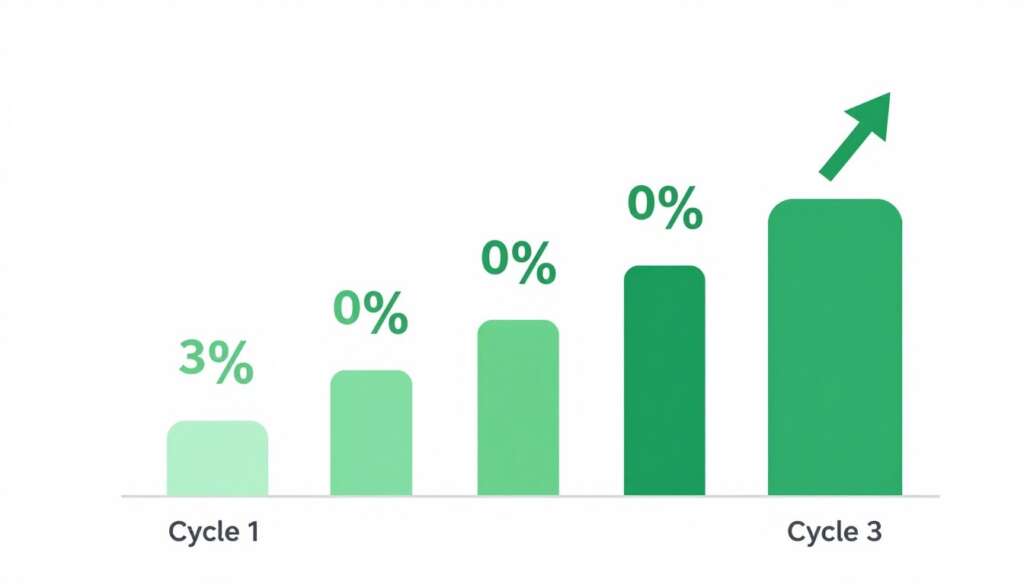
Understanding success rates across multiple IVF cycles provides realistic expectations and helps with treatment planning. Most successful pregnancies occur within the first three attempts.
First IVF Cycle Success Rates
Your first IVF cycle at age 35 offers approximately 40% to 50% chance of success per embryo transfer. This initial attempt provides valuable diagnostic information even if pregnancy doesn’t occur.
Failed first cycles inform adjustments to medication protocols, transfer timing, and other variables. Fertility specialists use this data to optimize subsequent attempts.
Some clinics offer refund or shared-risk programs that package multiple cycles together. These programs acknowledge that most patients require more than one attempt.
Cumulative Success Rates
Cumulative success rates account for all attempts rather than individual cycles. After two complete IVF cycles, success rates for 35-year-old women reach 65% to 70%.
By the third cycle, cumulative pregnancy rates climb to 75% to 80%. These statistics demonstrate why persistence and planning for multiple attempts often lead to success.
Having multiple high-quality embryos from a single egg retrieval increases your chances across frozen embryo transfers. This approach reduces the physical and financial burden of repeated stimulation cycles.
Plan Your Complete Treatment Journey
Our fertility experts help you develop a comprehensive treatment plan that considers your goals, timeline, and budget. Get personalized guidance on optimizing success across single or multiple cycles.
When to Consider Alternative Approaches
After three unsuccessful IVF cycles with own eggs, many women benefit from reassessing their approach. Options include changing fertility clinics, modifying protocols, or considering donor eggs.
Diminished ovarian reserve discovered during treatment may prompt earlier consideration of egg donation. Success rates with donor eggs remain high regardless of recipient age.
Some patients explore complementary treatments between cycles including acupuncture, supplements, or lifestyle modifications that weren’t implemented in previous attempts.
Understanding the IVF Treatment Process at Age 35
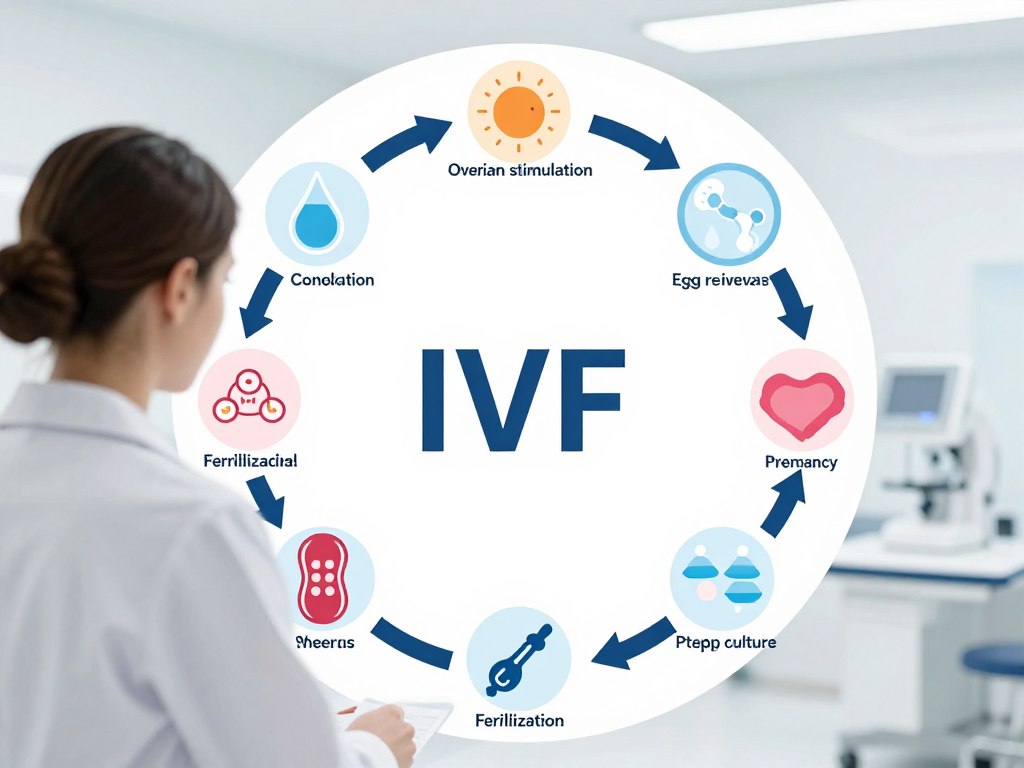
The IVF procedure follows a structured timeline that typically spans four to six weeks from stimulation to pregnancy test. Understanding each phase helps you prepare physically and emotionally.
Initial Consultation and Testing Phase
Your fertility journey begins with comprehensive evaluation including medical history review, physical examination, and diagnostic testing. Blood work assesses hormone levels, ovarian reserve, and overall health status.
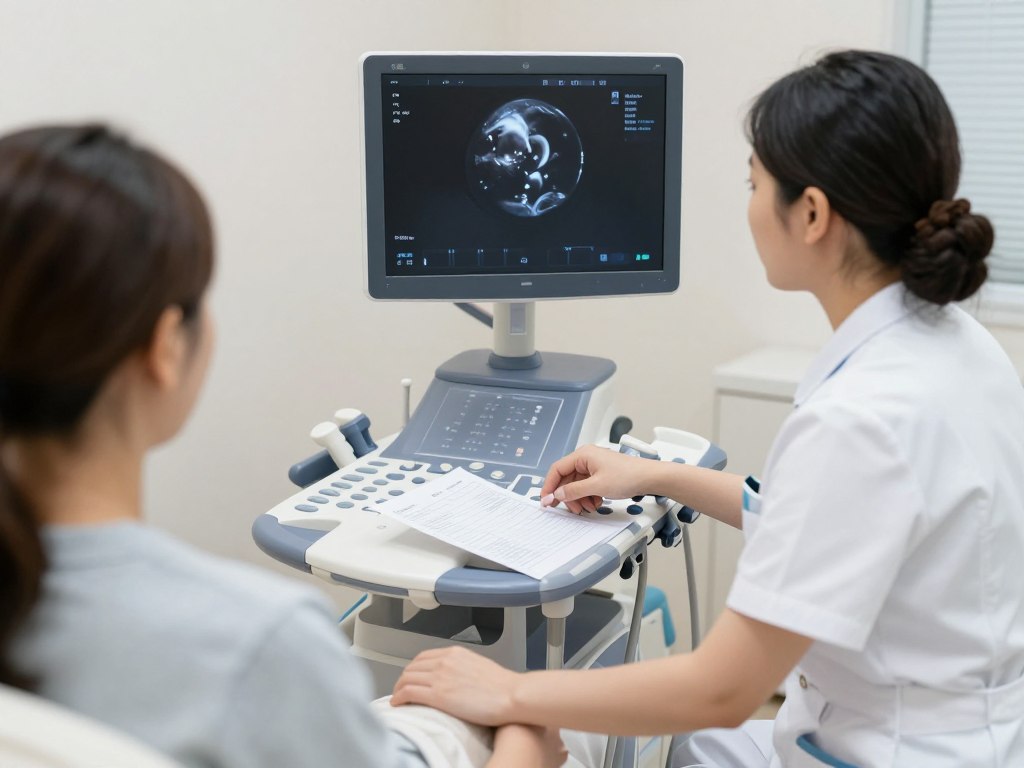
Transvaginal ultrasound examines your uterus, ovaries, and antral follicle count. These baseline measurements help determine your optimal stimulation protocol.
Your partner undergoes semen analysis to evaluate sperm count, motility, and morphology. Male factor issues may require additional testing or ICSI during fertilization.
Ovarian Stimulation Phase
Fertility medications stimulate your ovaries to produce multiple eggs during a single cycle. Daily injections of FSH and LH hormones typically continue for 8 to 12 days.
Monitoring appointments every 2 to 3 days track follicle development through ultrasound and hormone blood tests. Your doctor adjusts medication dosages based on your individual response.
A trigger shot of hCG precisely times final egg maturation before retrieval. This injection occurs exactly 36 hours before your scheduled egg retrieval procedure.
Egg Retrieval Procedure
The egg retrieval takes approximately 20 to 30 minutes under light sedation. A thin needle guided by ultrasound removes fluid containing mature eggs from each follicle.
Most women at age 35 produce 10 to 15 eggs during retrieval. The number varies based on ovarian reserve and stimulation response.
Recovery from egg retrieval requires rest for the remainder of the day. Most women return to normal activities within 1 to 2 days with minimal discomfort.
Fertilization and Embryo Development
Eggs fertilize with sperm either through conventional insemination or ICSI where a single sperm injects directly into each egg. Your fertility team recommends the appropriate method based on sperm quality.
Embryologists monitor embryo development over 5 to 6 days in specialized incubators. Time-lapse imaging tracks cell division without disturbing the developing embryos.
By day 5 or 6, healthy embryos reach the blastocyst stage ready for transfer or freezing. Preimplantation genetic testing may occur at this stage if recommended.
Embryo Transfer Process
Embryo transfer is a simple procedure that takes just a few minutes without anesthesia. A thin catheter carefully places one or two embryos into your uterus guided by ultrasound.
You rest briefly after transfer then resume normal activities while avoiding strenuous exercise. The two-week wait until pregnancy testing begins immediately following transfer.
Progesterone supplementation supports the uterine lining throughout the early pregnancy phase. This medication continues until the placenta takes over hormone production.
| IVF Treatment Phase | Timeline | Key Activities | What to Expect |
| Initial Testing | Week 1-2 | Blood work, ultrasound, consultations | Establish baseline, create treatment plan |
| Ovarian Stimulation | 8-12 days | Daily injections, monitoring appointments | Multiple eggs develop, frequent clinic visits |
| Egg Retrieval | 1 day | Surgical procedure under sedation | Mild cramping, rest day required |
| Fertilization | Day 0-1 | Eggs combine with sperm in lab | Wait for fertilization report |
| Embryo Development | 5-6 days | Embryos grow in incubators | Daily updates on embryo progress |
| Embryo Transfer | 1 day | Simple transfer procedure | Quick painless procedure, brief rest |
| Two-Week Wait | 14 days | Progesterone support, rest | Waiting period until pregnancy test |
| Pregnancy Test | Day 14 post-transfer | Blood test for hCG levels | Confirmation of pregnancy status |
Comparing Fertility Treatments for Women at 35
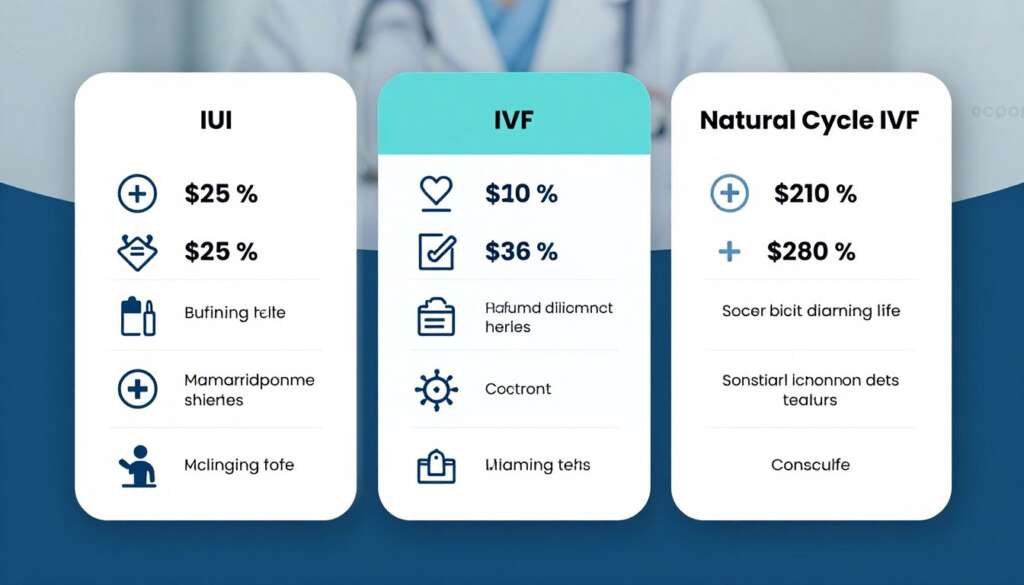
Several assisted reproductive treatments are available for women at age 35. Understanding the differences helps you select the most appropriate approach for your specific situation.
IUI Versus IVF at Age 35
Intrauterine insemination offers a less invasive option with lower success rates than IVF. IUI success rates for 35-year-old women range from 10% to 15% per cycle.
IVF provides significantly higher success rates but requires more intensive treatment and greater financial investment. The controlled environment of IVF optimizes every stage from fertilization through embryo selection.
Many couples try 3 to 4 IUI cycles before progressing to IVF. This stepped approach makes sense when fallopian tubes are open and sperm quality is adequate.
Conventional IVF Versus Mini-IVF
Conventional IVF uses higher medication doses to stimulate production of multiple eggs. This approach maximizes the number of embryos available for transfer and freezing.
Mini-IVF employs lower medication doses with the goal of producing fewer but potentially higher quality eggs. This gentler approach reduces medication side effects and costs.
Women at 35 with good ovarian reserve typically achieve better outcomes with conventional IVF protocols that produce more embryos per cycle.
Fresh Versus Frozen Embryo Transfer
Fresh embryo transfer occurs 3 to 5 days after egg retrieval within the same cycle. This immediate transfer approach works well when the uterine lining is optimal.
Frozen embryo transfer allows time for your body to recover from stimulation medications before transfer. Research shows frozen transfers may offer slightly higher success rates for some patients.
The ability to freeze extra embryos from a single retrieval provides multiple transfer opportunities. This strategy reduces the need for repeated ovarian stimulation cycles.
IVF Advantages at Age 35
- Highest success rates among fertility treatments available
- Ability to test embryos for genetic abnormalities
- Bypasses many causes of infertility simultaneously
- Option to freeze extra embryos for future use
- Allows single embryo transfer reducing twin risk
- Provides diagnostic information about fertilization
- Can incorporate egg or sperm donation if needed
IVF Considerations
- Requires significant time commitment for appointments
- Higher financial cost than other fertility treatments
- Daily injections during stimulation phase
- Potential for ovarian hyperstimulation syndrome
- Emotional stress during treatment and waiting periods
- Multiple cycles may be needed for success
- Small risks associated with egg retrieval procedure
Real Success Stories: IVF at Age 35

Real patient experiences demonstrate that IVF success at 35 is not just a statistic but an achievable reality. These stories provide hope and practical insights for your own journey.
First Cycle Success After Lifestyle Changes
Sarah approached IVF at 35 after two years of unsuccessful conception attempts. She spent three months optimizing her health through nutrition changes, supplements, and stress reduction.
Her egg retrieval produced 12 mature eggs, resulting in 8 fertilized embryos. Two high-quality blastocysts developed by day 5, and she successfully conceived on her first embryo transfer.
Sarah’s experience demonstrates how preparation and optimization significantly impact outcomes. She credits her success to following her fertility team’s recommendations precisely.
Success After Previous Failed Cycle
Maria’s first IVF cycle at 34 resulted in poor embryo quality and no viable embryos for transfer. She switched clinics and worked with a new fertility specialist who adjusted her protocol.
The modified approach included higher medication doses and different supplements. Her second cycle produced significantly better results with 5 high-quality blastocysts.
Maria conceived on her first frozen embryo transfer from the second retrieval. Her story highlights the importance of protocol adjustments and finding the right clinical team.
“Turning 35 felt like a deadline, but my fertility doctor explained that 35 is actually a sweet spot for IVF success. After one cycle, I’m now 20 weeks pregnant. Don’t let age statistics discourage you from pursuing your dreams of parenthood.”
Multiple Embryo Banking Strategy
Lisa and her husband wanted two children and decided to bank embryos at age 35. She completed two back-to-back egg retrievals, producing 18 high-quality embryos for freezing.
Her first frozen embryo transfer resulted in a successful pregnancy and healthy baby. Two years later, she used frozen embryos from the same retrieval for her second child.
This proactive approach allowed Lisa to have both children using eggs retrieved at 35, avoiding age-related decline in later pregnancies.
+91-8800481100Your success story starts with a conversation. Call our experienced fertility team to discuss your personalized treatment path.
Cost and Financial Planning for IVF at Age 35

Understanding the financial investment required for IVF helps you plan appropriately and explore all available resources. Costs vary significantly based on location, clinic, and specific treatment needs.
Average IVF Cycle Costs
A single IVF cycle typically costs between $12,000 and $15,000 in the United States. This base price includes monitoring, egg retrieval, laboratory work, and embryo transfer.
Medications add an additional $3,000 to $5,000 per cycle depending on your protocol and response. These costs vary based on dosage requirements and medication brands.
Additional procedures like ICSI, assisted hatching, or genetic testing increase total costs by $1,000 to $5,000. Discuss all potential fees during your initial consultation to avoid surprises.
Insurance Coverage and Benefits
Insurance coverage for fertility treatment varies widely by state and employer. Some states mandate insurance companies cover IVF, while others provide no requirements.
Review your specific policy details regarding fertility treatment coverage, lifetime maximums, and required documentation. Many policies require documented infertility diagnosis and failed treatment attempts.
Health savings accounts and flexible spending accounts allow you to use pre-tax dollars for fertility treatment. These tools reduce your effective out-of-pocket costs.
Multi-Cycle Packages and Refund Programs
Many fertility clinics offer discounted multi-cycle packages that bundle several attempts together. These programs reduce per-cycle costs and provide financial predictability.
Refund programs guarantee money back if pregnancy doesn’t occur within a specified number of cycles. These programs typically cost more upfront but offer financial protection.
Carefully review program requirements, success rate criteria, and refund terms. Some programs exclude certain patients based on diagnosis or test results.
Financing Options and Payment Plans
Fertility-specific financing companies offer loans designed for IVF treatment. These programs provide fixed-rate loans with terms ranging from 12 to 84 months.
Many clinics partner with financing companies to streamline the application and approval process. Some offer promotional periods with reduced or zero interest.
Payment plans directly through fertility clinics allow you to spread costs over several months. Discuss these options during your financial consultation.
- Request a detailed cost breakdown during the initial consultation, including all potential fees
- Contact insurance company to verify fertility coverage and obtain pre-authorization
- Compare costs across multiple fertility clinics while considering success rates
- Explore multi-cycle packages if planning for multiple attempts
- Investigate financing options and compare interest rates and terms
- Consider tax deductions for medical expenses exceeding 7.5% of adjusted gross income
- Build an emergency fund for unexpected costs or additional procedures
- Research employer benefits for fertility treatment assistance programs
Get Transparent Pricing and Financial Guidance
We believe cost should never be a barrier to building your family. Our financial counselors provide detailed pricing information and help you explore all payment options available.
Emotional Support Throughout Your IVF Journey

The emotional aspects of fertility treatment often challenge couples as much as the physical demands. Building a strong support system significantly improves your treatment experience.
Managing Expectations and Anxiety
Setting realistic expectations helps prevent disappointment and emotional exhaustion. Understanding that most successful patients require multiple cycles prepares you mentally for the journey ahead.
Anxiety during treatment is completely normal and experienced by most fertility patients. Acknowledging these feelings rather than suppressing them promotes better mental health.
Mindfulness practices and meditation reduce treatment-related stress and anxiety. Even brief daily sessions provide measurable benefits for emotional wellbeing.
Partner Communication and Relationship Health
Open communication with your partner throughout treatment strengthens your relationship. Discuss expectations, fears, and decision-making processes before beginning treatment.
Partners often experience fertility treatment differently, with varying emotional responses at different stages. Regular check-ins help you stay connected and supportive of each other.
Consider couples counseling if fertility treatment strains your relationship. Professional guidance helps you navigate difficult emotions and maintain intimacy.
Building Your Support Network
Sharing your fertility journey with select trusted friends or family members provides emotional support. Choose confidants who can offer encouragement without judgment or unsolicited advice.
Online fertility communities connect you with others experiencing similar challenges. These groups offer 24/7 support, practical advice, and understanding from those who truly comprehend your experience.
Professional counseling from therapists specializing in fertility issues provides valuable coping strategies. Many fertility clinics offer counseling services as part of their comprehensive care.
How do I cope with a failed IVF cycle?
Allow yourself time to grieve and process disappointment without rushing into the next cycle. Take at least one full menstrual cycle to recover physically and emotionally before making decisions about next steps.
Meet with your fertility specialist to understand what happened and discuss protocol adjustments for future attempts. This consultation helps you feel more in control and hopeful about improved outcomes.
Lean on your support system and consider professional counseling if grief feels overwhelming. Many patients find that processing emotions with a therapist helps them move forward with renewed strength.
Should I tell people about my IVF treatment?
The decision to share your fertility journey is deeply personal with no right or wrong answer. Consider your comfort level, the quality of relationships, and whether sharing will provide support or stress.
Many patients selectively share with a small circle of trusted individuals who can provide practical and emotional support. This approach balances privacy with the benefit of having someone understand what you’re experiencing.
You can share as much or as little detail as feels comfortable, and your level of disclosure can change over time. Some people share after successful pregnancy, while others prefer complete privacy throughout treatment.
How do I maintain hope through multiple IVF attempts?
Focus on what you can control including lifestyle factors, treatment adherence, and self-care practices. Taking active steps toward improving outcomes helps maintain a sense of agency and hope.
Celebrate small victories throughout the process such as a good egg retrieval number or high-quality embryos. Recognizing progress at each stage provides encouragement during the longer journey.
Connect with success stories of people who needed multiple cycles before achieving pregnancy. Remember that many successful IVF parents required several attempts before bringing home their baby.
When should I consider taking a break from IVF treatment?
Consider a break if you feel emotionally or physically exhausted by continuous cycles. Taking time to recover can restore your resilience and improve your mental state for future attempts.
Financial pressures may necessitate pausing treatment to save funds for additional cycles. Use this time to explore financing options and ensure you’re financially prepared to continue.
Relationship strain or work demands might indicate that a temporary break would benefit your overall wellbeing. Protecting important areas of your life supports long-term treatment success.
Frequently Asked Questions About IVF at Age 35

Is 35 too old for IVF treatment?
Age 35 is actually an optimal time for IVF with success rates ranging from 40% to 50% per transfer. This age represents a balance where most women still have good egg quality while benefiting from medical advances in reproductive technology.
Fertility does begin declining more rapidly after 35, making it an ideal time to pursue treatment if you’ve been trying to conceive without success. Early intervention at 35 provides better outcomes than waiting until later years.
Women successfully conceive through IVF well into their forties, though success rates do decrease with each passing year. Starting at 35 gives you excellent chances while allowing time for multiple attempts if needed.
How many eggs do I need for successful IVF at 35?
Most fertility specialists aim to retrieve 10 to 15 eggs during a stimulation cycle for women at age 35. This number provides enough eggs to produce several high-quality embryos while accounting for natural attrition at each stage.
Not all retrieved eggs will be mature enough for fertilization, and not all fertilized eggs develop into viable embryos. Having a larger starting number increases your chances of ending with transferable embryos.
Some women produce fewer eggs but still achieve success with quality over quantity. Individual egg quality matters more than the total number, and even a single high-quality embryo can result in successful pregnancy.
Should I use PGT genetic testing at age 35?
Preimplantation genetic testing screens embryos for chromosomal abnormalities before transfer. At age 35, approximately 40% to 50% of embryos may have genetic issues, making PGT valuable for identifying the healthiest embryos.
PGT significantly increases success rates per transfer by ensuring only genetically normal embryos are selected. This testing also reduces miscarriage risk associated with chromosomal abnormalities.
The decision to use PGT depends on your specific situation including the number of embryos available, previous miscarriage history, and personal preferences. Discuss the benefits and limitations with your fertility specialist.
How long does the entire IVF process take?
A complete IVF cycle from stimulation start to pregnancy test typically takes 4 to 6 weeks. This timeline includes approximately 10 days of ovarian stimulation, the egg retrieval, 5 to 6 days of embryo development, and 14 days after transfer until testing.
The preparation phase before starting stimulation may take several weeks to complete all testing and begin medication at the appropriate time in your cycle. Some patients require additional time for preliminary treatments or optimization.
If you freeze embryos for later transfer, the frozen embryo transfer cycle adds about 3 to 4 weeks from the start of the transfer preparation to the pregnancy test. This timeline may be shorter than fresh cycles since it avoids ovarian stimulation.
What are the risks of IVF at my age?
The most common risk is ovarian hyperstimulation syndrome which causes swollen, painful ovaries in about 5% of cases. Mild forms resolve quickly, while severe cases may require medical management but are rare with modern protocols.
Egg retrieval carries small risks including infection, bleeding, or damage to surrounding organs, but complications occur in less than 1% of procedures. The procedure is performed under ultrasound guidance to maximize safety.
Multiple pregnancy risk increases if more than one embryo transfers, though single embryo transfer is now standard at most clinics. At 35, your pregnancy risks are similar to natural conception at the same age.
Can I improve my egg quality before IVF?
Egg quality improvement takes approximately 3 months since eggs complete their maturation cycle during this timeframe. Implementing nutrition, supplement, and lifestyle changes during this preconception period can measurably improve egg health.
Key strategies include antioxidant-rich nutrition, CoQ10 supplementation, stress reduction, and avoiding toxins. These interventions protect eggs from oxidative damage and support optimal mitochondrial function.
While you cannot reverse biological aging of eggs, optimizing your health creates the best possible environment for egg development. Even modest improvements in egg quality can significantly impact fertilization rates and embryo development.
How many IVF cycles should I plan for?
Most fertility specialists recommend planning for at least 2 to 3 IVF cycles when beginning treatment. Approximately 75% to 80% of 35-year-old women who achieve pregnancy do so within three complete cycles.
Your first cycle provides valuable diagnostic information even if pregnancy doesn’t occur, allowing protocol adjustments for subsequent attempts. Many patients conceive on their second or third cycle after optimizations.
Financial and emotional considerations factor into how many cycles you pursue. Some patients prefer banking embryos from multiple retrievals at age 35 for current and future family building, maximizing egg quality.
What happens to extra embryos after successful IVF?
Extra frozen embryos can remain stored for future siblings, maintaining the same biological age as when created. Many patients use frozen embryos years later for additional children without repeating egg retrieval.
If you complete your family, options include continued storage, donation to other couples, donation to research, or compassionate transfer. Each option has emotional and ethical considerations to discuss with your partner.
Storage fees typically range from $500 to $1,000 annually, and embryos can remain viable for many years when properly frozen. Most clinics require annual storage agreements and renewal decisions.
Choosing the Right Fertility Clinic for Your Treatment

Selecting the right fertility clinic significantly impacts your treatment experience and success probability. Several key factors deserve careful consideration during your decision-making process.
Evaluating Clinic Success Rates
Review age-specific success rates from the CDC or SART databases rather than overall clinic averages. Success rates for 35-year-old women provide the most relevant comparison data for your situation.
Understand the difference between pregnancy rates and live birth rates, with live birth being the more meaningful outcome measure. Some clinics report higher numbers by using pregnancy rates instead.
Consider clinic patient volume and experience level with cases similar to yours. Higher patient numbers generally indicate more experience, though smaller clinics may offer more personalized attention.
Laboratory Quality and Technology
State-of-the-art laboratory facilities directly influence embryo development and success rates. Ask about their embryology lab certification, quality control measures, and available technologies.
Time-lapse incubator systems improve embryo monitoring without disruption, leading to better embryo selection. Preimplantation genetic testing capabilities allow chromosome screening when beneficial.
Experienced embryologists with specialized training in assisted reproductive technology contribute significantly to success. Inquire about the lab team’s credentials and years of experience.
Doctor Expertise and Communication Style
Board certification in reproductive endocrinology and infertility ensures your doctor completed specialized fellowship training. This expertise matters when managing complex cases or complications.
Communication style and accessibility affect your treatment experience significantly. Choose a doctor who explains concepts clearly, answers questions thoroughly, and makes you feel comfortable.
Ask about physician continuity during your cycle, as some clinics rotate doctors for procedures. Knowing who will perform your egg retrieval and transfer helps build trust and comfort.
Location, Convenience, and Support Services
Clinic location matters since IVF requires frequent monitoring appointments during stimulation. Consider travel time, parking availability, and appointment scheduling flexibility.
Comprehensive support services including financial counseling, mental health resources, and nursing support enhance your experience. These services address the non-medical aspects of treatment.
Patient reviews and testimonials provide insight into others’ experiences with staff responsiveness, wait times, and overall satisfaction. Research multiple sources for balanced perspectives.
Questions to Ask During Clinic Consultations
- What is your success rate specifically for 35-year-old women?
- How many IVF cycles do you perform annually?
- What technologies and testing do you offer?
- Who will perform my egg retrieval and embryo transfer?
- What is your embryologist’s experience level?
- How do you customize protocols for individual patients?
- What support services are included in treatment?
- How accessible are doctors for questions during cycles?
- What are your policies on embryo storage and disposition?
- Do you offer multi-cycle packages or refund programs?
Red Flags to Watch For
Unrealistic Promises: Be cautious of clinics guaranteeing success or making claims that sound too good to be true.
Pressure Tactics: Avoid clinics that pressure you into immediate decisions or unnecessary add-on procedures.
Poor Communication: Difficulty reaching staff or getting questions answered indicates potential problems during treatment.
Outdated Technology: Clinics lacking modern equipment may offer lower success rates despite good intentions.
Hidden Costs: Request detailed cost breakdowns upfront to avoid surprise charges later in treatment.
Limited Information: Clinics that won’t share detailed success rate data or lab credentials warrant skepticism.
Comprehensive IVF Services at IVF Conceptions

At IVF Conceptions, we understand that your fertility journey at 35 represents a critical time for achieving your family-building goals. Our comprehensive services combine cutting-edge technology with personalized care designed specifically for your needs.
Our Specialized Treatment Approach
We create individualized treatment protocols based on your complete medical history, current health status, and fertility testing results. This personalized approach optimizes your medication regimen and treatment timing for maximum success.
Our advanced laboratory features state-of-the-art equipment including time-lapse embryo monitoring systems and preimplantation genetic testing capabilities. These technologies significantly improve embryo selection and success rates.
Experienced reproductive endocrinologists work closely with skilled embryologists to ensure excellence at every treatment stage. Our team’s collective expertise spans thousands of successful IVF cycles for women at 35.
Comprehensive Fertility Testing and Assessment
Complete ovarian reserve evaluation including AMH testing, FSH levels, and antral follicle counts establishes your baseline fertility status. These assessments guide realistic expectations and optimal protocol selection.
Comprehensive hormonal panels identify treatable conditions that might impact IVF success. Addressing thyroid dysfunction, vitamin deficiencies, or metabolic issues before treatment improves outcomes.
Uterine cavity evaluation through saline sonogram or hysteroscopy ensures optimal implantation conditions. We address any structural concerns before beginning your IVF cycle.
Advanced IVF Technologies We Offer
Preimplantation genetic testing for aneuploidy screens embryos for chromosomal abnormalities before transfer. This technology particularly benefits women at 35 by identifying the healthiest embryos.
Time-lapse embryo monitoring captures continuous development images without disturbing embryo culture conditions. This innovative approach improves our embryologists’ ability to select optimal embryos.
Assisted hatching techniques help embryos break through their outer shell for improved implantation. We selectively apply this technology when previous cycles or age factors suggest potential benefit.
Holistic Support Throughout Your Journey
Dedicated fertility nurses provide consistent support and guidance throughout your treatment cycle. Your nurse coordinator remains accessible for questions and concerns at every stage.
Financial counselors help you understand costs, explore insurance coverage, and arrange payment plans that fit your budget. We believe financial stress should not prevent you from pursuing parenthood.
Mental health professionals specializing in fertility offer counseling services to support your emotional wellbeing. We recognize that the emotional aspects of treatment deserve the same attention as medical care.
Initial Consultation Services

- Comprehensive medical history review and evaluation
- Personalized fertility testing recommendations
- Detailed explanation of IVF process and timeline
- Success rate discussion specific to your situation
- Treatment plan development and protocol selection
- Financial counseling and cost transparency
IVF Cycle Management
- Customized ovarian stimulation protocols
- Frequent monitoring with ultrasound and blood work
- Precise trigger timing for optimal egg maturation
- Gentle egg retrieval with experienced specialists
- Advanced fertilization techniques including ICSI
- Expert embryo culture and development monitoring
Post-Transfer Support

- Comprehensive post-transfer care instructions
- Progesterone support and medication management
- Accessible nursing staff for questions and concerns
- Precise pregnancy testing and early monitoring
- Early pregnancy ultrasound and heartbeat confirmation
- Smooth transition to obstetric care
Start Your Fertility Journey with IVF Conceptions
Your age 35 fertility journey deserves expert guidance, advanced technology, and compassionate care. Our team is ready to create your personalized path to parenthood. Contact us today for a comprehensive consultation.
Taking the Next Step in Your Fertility Journey

Understanding IVF success rate at age 35 empowers you to make informed decisions about your fertility treatment. The statistics demonstrate that 35 represents an opportune time to pursue assisted reproductive technology with favorable success probabilities.
Your individual success rate depends on multiple factors beyond age alone. Ovarian reserve, overall health, lifestyle choices, and clinic selection all contribute significantly to your outcomes. Taking control of these variables maximizes your chances of achieving the family you desire.
The journey through fertility treatment requires patience, persistence, and partnership with experienced specialists who understand your unique situation. Most women at 35 who achieve pregnancy through IVF do so within three cycles, highlighting the importance of realistic planning and continued hope.
Whether you’re just beginning to explore IVF or have already started treatment, expert guidance tailored to your specific needs makes a substantial difference. The right fertility team provides not just medical treatment but comprehensive support through every emotional and physical aspect of your journey.
Your path to parenthood starts with taking that first step toward consultation and evaluation. Understanding your personal fertility status, exploring your options, and creating a customized treatment plan sets you on the course toward success.
Ready to Begin Your Journey? Don’t let time pass while wondering about your options. Age 35 offers excellent IVF success rates, and taking action now maximizes your opportunity for achieving your family-building dreams. Our experienced team is here to guide you through every step with expertise, technology, and compassionate care.
+91-8800481100Call now to schedule your comprehensive fertility consultation. Our specialists are ready to answer your questions and create your personalized treatment plan.
Or email us at: neelam@ivfconceptions.com
Your fertility journey at 35 holds tremendous promise, combining your body’s remaining excellent reproductive potential with advances in reproductive medicine. With the right preparation, expert care, and persistent effort, you can achieve the successful pregnancy you’re hoping for. Take that first step today toward making your parenthood dreams a reality.

Highly esteemed, authoritative, and trusted professional with a 14-year of experience in international surrogacy. Advocate for Secure, Legal, and Affordable International Surrogacy.
Neelam Chhagani, MA (Counselling Psychology) and Holistic Infertility and Third-Party Reproduction Consultant.
Member of European Fertility Society, Best Surrogacy Blogger of 2020, with 300 dedicated blogs, and top contributor on Quora for Surrogacy.
Add Your Comment