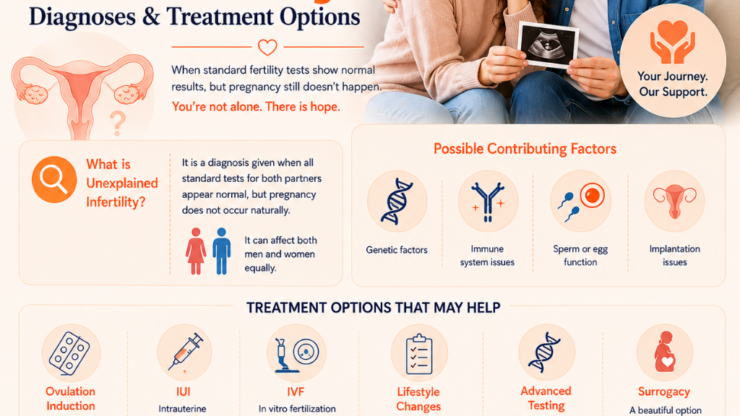
Explore the latest advancements in diagnosing and managing Unexplained Infertility in 2025, featuring innovative treatment options and research insights.
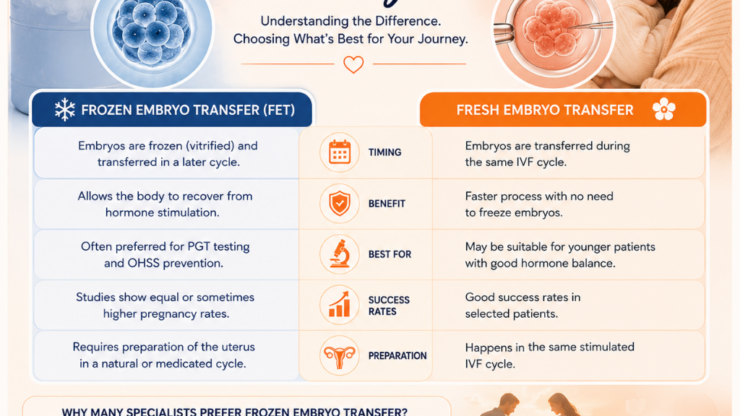
Discover the differences in success rates between frozen vs fresh embryos for IVF and learn which option might be best for your fertility journey.
Understanding hidden costs in international surrogacy you should know can help intended parents avoid unexpected financial stress during the journey. Beyond the advertised package price, expenses may include multiple embryo transfers, extended surrogate care, complications during pregnancy or delivery, NICU costs, additional legal work, translation and notarization fees, travel and long stays abroad, newborn passport and citizenship processing, and currency exchange fluctuations. Some programs also exclude costs related…
Surrogacy in India for OCI (Overseas Citizens of India) is not permitted under current Indian law. The Surrogacy (Regulation) Act, 2021, allows only altruistic surrogacy and restricts it exclusively to Indian married heterosexual couples with specific medical and age eligibility criteria. OCI cardholders—despite their close ties to India—are treated the same as foreign nationals under these rules and therefore…
Surrogacy in India for NRI refers to the legal framework and eligibility rules governing how non-resident Indians can pursue surrogacy, and it’s important to understand that commercial and international surrogacy are currently not permitted in India. Under the Surrogacy (Regulation) Act, only altruistic surrogacy is allowed, and it is restricted to Indian married heterosexual couples who meet specific medical and…
Transferring one or two embryos in surrogacy is a key medical decision that balances success rates with pregnancy safety. Single embryo transfer (SET) is often recommended to reduce the risks of multiple pregnancies, such as preterm birth and complications for the surrogate, while still offering strong success rates when high-quality embryos are used. Double embryo transfer (DET) may be considered in select cases, such as repeated IVF failures or lower-quality embryos, but it increases the chance of twins and related health risks. Fertility specialists guide intended parents on the safest option based on embryo quality, surrogate health, and overall surrogacy goals. Key Takeaways The choice between transferring one or two embryos significantly affects success rates and health risks. Advancements in IVF technology have changed the landscape of embryo transfer options. Health considerations for the surrogate play a critical role in decision-making. Emotional factors for intended parents can further complicate the choice of embryo transfer. Understanding clinical evidence and success rates is key to optimizing outcomes. Professional guidelines emphasize the importance of proper techniques in embryo transfer. 📞 Get in Touch for a Free Surrogacy Consultation 📱 +91-8800481100 (WhatsApp | LINE | Viber) 📧 neelam@ivfconceptions.com 🌐 www.ukrainesurrogacyagency.com Understanding the Embryo Transfer Options When thinking about embryo transfer in surrogacy, there are two main choices: single embryo transfer and double embryo transfer. Double embryo transfer was once popular because it seemed to have higher success rates. But, discoveries in reproductive science have changed this view. Single Embryo Transfer vs Double Embryo Transfer Recent studies have debunked old beliefs about double embryo transfer. Now, single embryo transfer is seen as just as effective, but with fewer risks of multiple pregnancies. This shift is clear, with single embryo transfer now used in almost 90% of cases in U.S. fertility clinics. Advancements in IVF Technology New advancements in IVF technology have greatly improved embryo quality and chances of success. Techniques like extended blastocyst culture and Preimplantation Genetic Testing for Aneuploidy (PGT-A) help choose the best embryos. These advancements support the move towards single embryo transfer, making it safer and more effective. Benefits of Transferring One Embryo in Surrogacy Choosing to transfer one embryo in surrogacy has many benefits. It improves health outcomes for both the surrogate and the intended parents. This approach reduces risks linked to pregnancies with multiple embryos. Health Benefits for the Surrogate Opting for a single embryo transfer is key to the surrogate’s health. It lowers the chance of serious issues like gestational diabetes and preeclampsia. These conditions can harm both the surrogate and the baby.…
Why more foreigners are choosing Colombia for surrogacy in 2026 comes down to a blend of legal inclusivity, affordability, and quality care that appeals to international intended parents. Colombia’s constitution and court rulings provide a supportive environment where singles, same-sex couples, and foreigners can pursue gestational surrogacy with protections for parental rights and family formation. The cost of a…
Working with international surrogacy consultants plays a crucial role in helping intended parents confidently navigate complex and often conflicting global surrogacy laws. These professionals guide families through country-specific legal requirements, eligibility rules, contracts, and parental rights, ensuring compliance in both the destination country and the parents’ home country. From coordinating with licensed clinics and lawyers to managing documentation for birth…
Understanding embryo testing, PGT, and genetic screening in surrogacy is essential for improving success rates and reducing medical risks during the surrogacy journey. These advanced tests help identify chromosomal abnormalities and inherited genetic conditions before embryo transfer, allowing doctors to select the healthiest embryos for implantation. By using techniques such as PGT-A and carrier screening, intended parents can lower the…
Understanding egg & sperm donor regulations around the world is essential for anyone considering international fertility treatment, as rules differ widely by country. Some nations, like the USA and Georgia, allow both anonymous and known donors with flexible compensation policies, while others—such as the UK, Australia, and parts of Europe—require donor identity disclosure once the child turns 18. Countries like…