

Have you ever wondered how egg sharing IVF could help create families while simultaneously supporting other hopeful parents in their journey? This innovative fertility treatment option not only offers a pathway for women needing donor eggs but also empowers donors to retain some eggs for their own use.
In this comprehensive guide to egg-sharing IVF, we will explore the advantages of this unique approach, analyze the egg donor process, and detail the essential steps involved in the cycle. Understanding the emotional and practical implications of this egg-sharing program is key for both intended parents and donors alike.

Key Takeaways
- Egg sharing IVF allows donors and recipients to benefit from a shared cycle.
- This process can significantly reduce the costs associated with traditional IVF with donor eggs.
- Donors benefit from a sense of empowerment and contribution to families in need.
- Understanding the selection criteria for egg donors is crucial.
- The matching process plays a vital role in ensuring compatible donor-recipient pairs.
📞 Get in Touch for a Free Surrogacy Consultation
📱 +91-8800481100 (WhatsApp | LINE | Viber)
📧 neelam@ivfconceptions.com
🌐 www.ukrainesurrogacyagency.com

What is Egg Sharing IVF?
Egg sharing IVF represents an innovative approach to fertility treatment. At its core, what is egg sharing IVF involves a collaborative arrangement where a donor provides eggs for an intended parent or couple.
This method operates differently compared to conventional donation processes. In this scenario, half of the retrieved eggs are allocated to the recipients, while the donor retains the other half for personal use or future family planning.
The egg-sharing definition emphasizes a reciprocal relationship. By participating in the egg sharing process, donors gain an opportunity to assist others while still retaining the ability to conceive in the future. This exchange enhances accessibility to reproductive technology, highlighting a commitment to both ethical practices and personal empowerment.
Many couples explore IVF with donor eggs due to various reasons, including age-related fertility issues or genetic concerns. Through egg sharing, donors can play an essential role in building families while benefiting from reduced costs associated with their own assisted reproductive technology.
Understanding the nuances of the egg sharing process is vital for both donors and recipients looking to make informed decisions in their reproductive journeys.
Benefits of Egg Sharing IVF
Egg sharing IVF presents numerous advantages that significantly enhance the fertility journey for both recipients and donors. This innovative approach creates a collaborative environment where affordability and ethical considerations play a crucial role.
Affordability and Accessibility
One major advantage of egg-sharing IVF lies in its cost-effectiveness. Families benefit from reduced costs, as they only cover the expenses related to egg retrieval and associated medical procedures rather than compensating the donor directly.
This reduction in out-of-pocket expenses improves affordability in fertility treatments, making IVF more accessible to a broader range of individuals and couples. With the rising costs of traditional IVF, the benefits of egg sharing become evident, allowing more families the opportunity to pursue their dreams of parenthood while managing egg-sharing IVF costs effectively.
Empowerment of Donors
Donors gain a sense of empowerment through the egg sharing model. By retaining half of their eggs for potential personal use, they maintain control over their reproductive health and decisions.
This structure respects the autonomy of donors, alleviating concerns about cash compensation that some argue can create emotional discomfort among donor-conceived individuals. The engagement in a donor egg IVF program fosters a more fulfilling experience, as donors often report greater satisfaction and a sense of contribution compared to traditional donation methods.

Understanding the Egg Donor Process
Engaging in the egg donor process involves a series of essential steps designed to ensure the health and suitability of donors. Understanding the criteria for egg donation and the matching process helps intended parents navigate finding an egg donor that meets their specific needs.
Criteria for Egg Donation
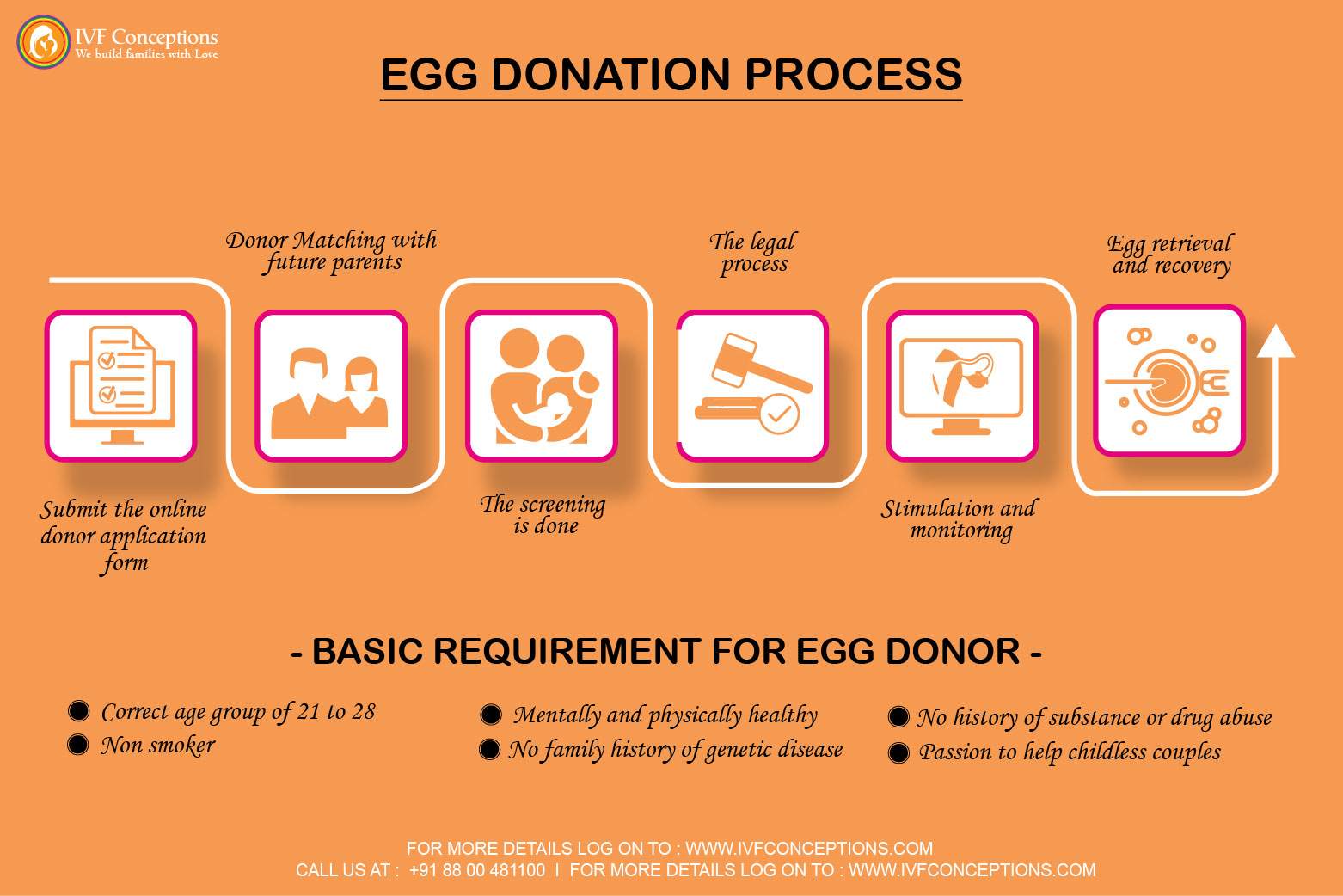
Egg donor eligibility criteria are set to guarantee that only qualified individuals participate in this life-changing process. Key components of the egg donation criteria include:
- Age: Typically, donors must be between 18 and 34 years old to ensure optimal egg quality.
- Health: A comprehensive donor screening process evaluates physical health and medical history, including any chronic conditions or medications.
- Genetic Background: A thorough analysis of family medical history is conducted to identify any hereditary conditions.
- Lifestyle Factors: The screening process assesses lifestyle habits, such as smoking and substance use, which could affect the health of the eggs.
- Psychological Assessments: Donors undergo evaluations to ensure emotional readiness and support for the donation process.
The Matching Process
The egg donor matching process is crucial for aligning potential donors with intended parents. Various factors play a role in this phase:
- Personal Preferences: Intended parents often specify traits such as physical characteristics, educational achievements, and personal interests when choosing a match.
- Donor Matching Programs: Agencies and clinics maintain comprehensive databases of screened donors to facilitate successful matches based on the recipients’ criteria.
- Communication: Clear dialogue between donors and recipients is vital to understanding values, expectations, and preferences, aiding in a strong connection.

This thoughtful approach to egg donor matching fosters a strong partnership between donors and intended parents, contributing to a successful outcome in egg-sharing IVF.
Steps in the Egg Sharing IVF Process
The egg-sharing IVF process consists of several key steps that ensure the successful retrieval and implantation of embryos. Understanding each stage allows donors and recipients to navigate this journey with confidence and clarity.
Preparation for Egg Retrieval
Preparation for egg retrieval is a fundamental phase in the IVF egg sharing process. Synchronizing the menstrual cycles of both the egg donor and recipient is essential to maximize the likelihood of successful implantation. This is typically achieved through a fertility medication protocol that includes hormonal medications to help regulate the cycle.
During this preparation, the donor undergoes ovarian stimulation using hormone injections. Regular monitoring, including ultrasound assessments and blood tests, tracks the development of ovarian follicles. These steps are crucial as they lead directly to the timing of the egg retrieval procedure.
Fertilization and Embryo Transfer
Once egg retrieval occurs, the next stage involves the fertilization process. Eggs are fertilized in a laboratory setting, utilizing either sperm from the recipient’s partner or a selected donor. Clinics may employ traditional insemination techniques or opt for intracytoplasmic sperm injection (ICSI) depending on specific patient circumstances.
Following fertilization, embryos are cultured in the laboratory for a predetermined period to assess their development and quality. After evaluation, the best-quality embryos proceed to the embryo transfer procedure, where selected embryos are implanted into the recipient’s uterus, setting the stage for a potential pregnancy.
| Step | Description |
|---|---|
| 1. Cycle Synchronization | Aligning the menstrual cycles of donor and recipient using hormonal medications. |
| 2. Ovarian Stimulation | Administering hormone injections to stimulate egg production in the donor. |
| 3. Monitoring | Regular ultrasounds and blood tests to track follicle growth. |
| 4. Egg Retrieval | Retrieving mature eggs from the donor’s ovaries. |
| 5. Fertilization | Fertilizing eggs with sperm in a lab, using ICSI or traditional methods. |
| 6. Embryo Culture | Monitoring embryo development for quality assessment. |
| 7. Embryo Transfer | Implanting selected embryos into the recipient’s uterus. |
Egg Sharing vs. Traditional IVF
When considering fertility options, prospective parents often explore the differences between egg sharing and traditional IVF. Understanding the costs of egg sharing IVF as well as its success rates can guide you in making the best choice for your family.
Cost Comparison
In the realm of cost comparison in fertility treatments, egg sharing often presents a more affordable pathway. Unlike traditional IVF, where donors typically receive monetary compensation, egg sharing involves an arrangement where donors offer their eggs in exchange for reduced costs on their own IVF treatment. This arrangement leads to decreased overall expenses for intended parents.
| Feature | Egg Sharing IVF | Traditional IVF |
|---|---|---|
| Donor Compensation | No cash compensation | Monetary compensation provided |
| Average Treatment Cost | Lower overall costs | Higher overall treatment costs |
| Financial Support | Reduced fees for intended parents | Standard IVF fees apply |
Success Rates and Outcomes
Examining IVF success rates with egg sharing reveals a promising outlook. Many studies indicate that success rates may be comparable or even improved compared to traditional IVF. This change can be attributed to the emotional investment that donors have in the process, influencing commitment and care.
Families investigating the outcomes of egg sharing programs are encouraged to consult with fertility clinics for detailed metrics. Understanding the egg sharing success rates can help set realistic expectations, paving the way for informed decision-making.
Additional Resources to read:
The Essential Steps of Egg Donor Screening
Egg & Sperm Donor Regulations Around the World.
Best Egg Donation Programs for International Surrogacy
How Much Does IVF with an Egg Donor Cost
Conclusion
In conclusion on egg sharing IVF, this innovative approach offers a unique opportunity for individuals seeking to expand their families while also addressing the rising costs associated with traditional IVF. The benefits of egg sharing are twofold; it not only helps intended parents achieve their dreams of parenthood but also empowers donors to participate in a meaningful way, giving them the chance to help others while retaining a portion of their fertility for potential future use.
Moreover, ethical considerations in IVF are critical in this context. Egg sharing encourages transparency and collaboration between all parties involved, emphasizing the importance of informed consent and respect for the donors’ choices. This collaborative spirit fosters a supportive environment conducive to navigating the complexities of reproductive technology.
💫 Why Intended Parents Choose Complete Surrogacy for a Safe, Smooth & Successful Surrogacy Journey:
🌍 Access to multiple surrogacy destinations with 15+ years of international experience
🏥 Partnerships with top-tier fertility clinics and agencies, backed by references from past clients
👩🦱 Diverse egg donor options: Asian, Caucasian, African, Oriental, and more
💸 Transparent and affordable pricing—direct payments with no extra agency fees
🔒 No hidden costs—all charges are agreed upon upfront
🤝 Dedicated case manager for personalized support
📲 Fast, honest, and clear communication throughout
📑 Full legal support for visas, documentation, and baby exit processes

Highly esteemed, authoritative, and trusted professional with a 14-year of experience in international surrogacy. Advocate for Secure, Legal, and Affordable International Surrogacy.
Neelam Chhagani, MA (Counselling Psychology) and Holistic Infertility and Third-Party Reproduction Consultant.
Member of European Fertility Society, Best Surrogacy Blogger of 2020, with 300 dedicated blogs, and top contributor on Quora for Surrogacy.
Add Your Comment