

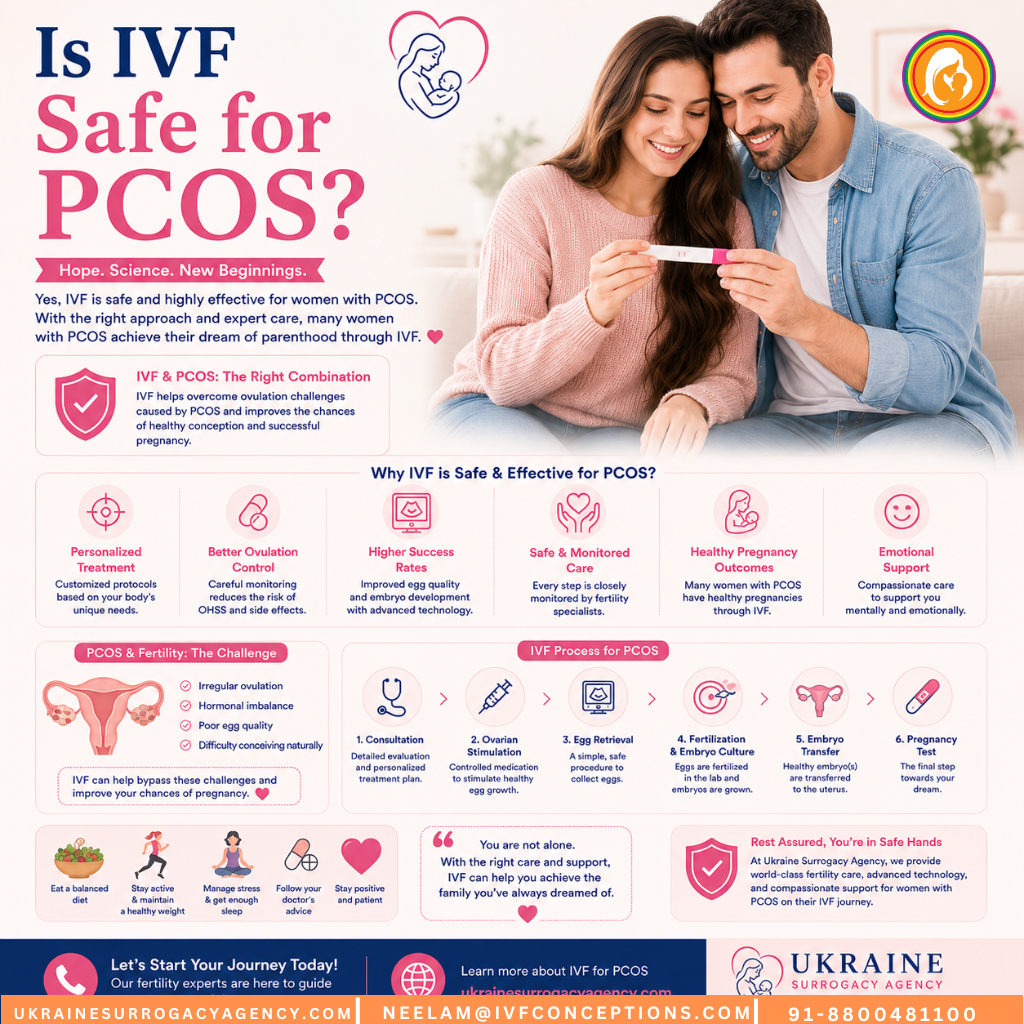
Is IVF Safe for PCOS? Yes, IVF is generally considered a safe and effective fertility treatment for women with Polycystic Ovary Syndrome (PCOS). Since PCOS is one of the leading causes of female infertility due to irregular ovulation or lack of ovulation, IVF can help many women achieve pregnancy when other treatments have not been successful. Fertility specialists carefully monitor women with PCOS during treatment because they may have a higher risk of ovarian hyperstimulation syndrome (OHSS). Understanding Is IVF Safe for PCOS? Understanding Fertility Treatment Options for Polycystic Ovary Syndrome can help patients make informed decisions about their fertility journey.
How PCOS Affects Fertility
| PCOS-Related Issue | Impact on Fertility |
|---|---|
| Irregular Ovulation | Makes it difficult to predict fertile days |
| Anovulation | Eggs may not be released regularly |
| Hormonal Imbalances | Can affect egg development and implantation |
| Insulin Resistance | May contribute to reproductive challenges |
| Weight Management Issues | Can influence fertility and IVF outcomes |
Is IVF Safe for Women with PCOS?
| Factor | Explanation |
|---|---|
| Safety | IVF is widely used and considered safe for women with PCOS |
| Success Rates | Many women with PCOS achieve successful pregnancies through IVF |
| Monitoring | Doctors closely monitor ovarian response during treatment |
| OHSS Prevention | Modern IVF protocols help reduce OHSS risk |
| Personalized Treatment | Medication doses are adjusted based on individual needs |
Fertility Treatment Options for PCOS
| Treatment Option | Purpose |
|---|---|
| Lifestyle Changes | Improve ovulation through weight management and healthy habits |
| Ovulation Induction Medications | Stimulate regular egg release |
| Intrauterine Insemination (IUI) | Assists fertilization in selected cases |
| IVF (In Vitro Fertilization) | Helps achieve pregnancy when other treatments are unsuccessful |
| ICSI | May be combined with IVF if male-factor infertility is present |
Benefits of IVF for PCOS Patients
- Higher pregnancy rates compared to some other fertility treatments.
- Ability to monitor embryo development before transfer.
- Greater control over the timing of fertilization and embryo transfer.
- Option to freeze embryos for future pregnancy attempts.
- Advanced protocols designed specifically for women with PCOS.
Tips to Improve IVF Success with PCOS
| Recommendation | Benefit |
|---|---|
| Maintain a Healthy Weight | Supports hormone balance and egg quality |
| Manage Blood Sugar Levels | Helps improve reproductive health |
| Follow Medication Instructions Carefully | Reduces treatment complications |
| Attend All Monitoring Appointments | Ensures appropriate ovarian response |
| Adopt a Balanced Diet and Exercise Routine | Supports overall fertility outcomes |
While PCOS can make conception more challenging, many women with the condition successfully become pregnant through IVF. A personalized treatment plan, careful monitoring, and healthy lifestyle choices can significantly improve the chances of a successful pregnancy.

.Get Your Personalized PCOS IVF Safety Assessment
Speak with our fertility specialists who understand the unique challenges of polycystic ovarian syndrome. Discover how our proven protocols prioritize your safety while maximizing success rates.
Understanding Polycystic Ovary Syndrome and Fertility Challenges

Polycystic ovary syndrome represents one of the most common endocrine disorders affecting women. This condition disrupts normal ovulation patterns.
The syndrome involves multiple small cysts developing on the ovaries. These cysts interfere with regular egg release during menstrual cycles.
What Causes PCOS-Related Infertility
Women with PCOS often experience insulin resistance. This metabolic condition affects hormone production throughout the body.
Elevated androgen levels create hormonal imbalances. These imbalances prevent eggs from maturing each month properly.
Irregular or absent ovulation becomes the primary fertility obstacle. Without consistent egg release, natural conception becomes challenging.
Common PCOS Symptoms Affecting Reproduction
- Irregular menstrual periods lasting weeks or months
- Elevated testosterone and androgen levels
- Multiple small ovarian cysts visible on ultrasound
- Difficulty predicting fertile windows
- Reduced egg quality due to hormonal disruption
- Increased body mass index affecting fertility

The Impact of Insulin Resistance on Ovulation
Many patients with polycystic ovarian syndrome develop insulin resistance. The body produces insulin but cannot use it effectively.
High insulin levels trigger increased androgen production. This hormonal cascade disrupts normal follicle development in the ovaries.
The ovarian syndrome prevents proper egg maturation. Immature eggs cannot be released during ovulation cycles.
Managing insulin resistance becomes crucial for fertility treatment success. Lifestyle modifications often complement medical interventions for patients.
IVF Safety Protocols Specifically Designed for PCOS Patients

In vitro fertilization for women with polycystic ovary syndrome requires specialized protocols. These customized approaches minimize risks while optimizing outcomes.
Traditional IVF medications can overstimulate PCOS ovaries. Modern protocols adjust medication dosages carefully for patients with this syndrome.
Modified Stimulation Protocols for PCOS
Fertility specialists use lower medication doses for women with polycystic ovaries. This gentle approach reduces ovarian hyperstimulation risk significantly.
The GnRH antagonist protocol works particularly well for PCOS patients. This method provides better control over follicle development.
Adjustments happen in real-time based on patient response. This personalized approach ensures safety at every stage.

Preventing Ovarian Hyperstimulation Syndrome
Ovarian hyperstimulation syndrome represents the primary concern for PCOS patients undergoing IVF. This condition causes ovaries to swell and become painful.
Modern protocols dramatically reduce OHSS rates. Specialists employ multiple preventive strategies simultaneously for women with polycystic ovarian syndrome.
OHSS Prevention Measures: GnRH agonist triggers instead of hCG, coasting before trigger, embryo freezing with delayed transfer, dopamine agonist supplementation, careful fluid management, and reduced gonadotropin doses.
The freeze-all strategy eliminates severe OHSS risk. Embryos are frozen and transferred in a later cycle.
This approach separates ovarian stimulation from pregnancy. Fresh transfers can worsen OHSS if pregnancy occurs.
Monitoring and Risk Management Throughout Treatment
Comprehensive monitoring protects patients throughout the IVF cycle. Blood tests measure estrogen and progesterone levels regularly.
Ultrasound examinations count developing follicles. Specialists track growth rates and hormone production patterns.
Pre-Treatment Assessment
- Complete hormone panel evaluation
- Antral follicle count via ultrasound
- Insulin resistance testing for metabolic health
- Body mass index optimization planning
- Previous response to ovulation induction review
Treatment adjustments occur based on individual response. This dynamic approach maintains safety while pursuing optimal egg retrieval numbers.
Risk assessment continues even after egg collection. Post-retrieval monitoring identifies any developing complications early.
IVF Success Rates for Women with PCOS: What the Data Shows

Women with polycystic ovary syndrome often achieve excellent IVF outcomes. Recent studies show encouraging pregnancy rates for patients with this syndrome.
The quality of eggs matters more than quantity. PCOS patients typically produce numerous eggs during stimulation cycles.
Pregnancy Rates Across Different Age Groups
Age remains the most significant factor affecting IVF success. Younger women with PCOS generally experience higher pregnancy rates.
Patients under 35 with polycystic ovarian syndrome see pregnancy rates between 40-50% per embryo transfer. These rates compare favorably to non-PCOS patients.
Women aged 35-37 maintain strong success rates. Pregnancy rates typically range from 35-45% per cycle for this age group.
After age 38, success rates gradually decline. However, PCOS patients still achieve pregnancy through IVF more frequently than with other treatments.

Factors That Improve Outcomes for PCOS Patients
Several factors enhance IVF success for women with polycystic ovaries. Body mass index optimization before treatment improves response to medications.
Insulin resistance management through metformin increases egg quality. Many doctors prescribe this medication before and during IVF cycles.
Positive Success Factors
- Body mass index in healthy range improves hormone balance
- Regular menstrual cycles indicating some ovulation
- Younger age at treatment start enhances egg quality
- Previous successful ovulation induction response
- Lower androgen levels at baseline assessment
- Absence of other fertility factors affecting success
Optimization Strategies
- Pre-treatment lifestyle modifications for metabolic health
- Metformin supplementation for insulin resistance
- Weight management through diet and exercise
- Stress reduction techniques before cycling
- Nutritional supplements supporting egg quality
- Timing treatment during optimal reproductive windows

Comparing IVF to Other Fertility Treatments for PCOS
Many women try ovulation induction before pursuing in vitro fertilization. Medications like clomiphene help trigger egg release in some patients.
Ovulation induction works for patients with mild polycystic ovary syndrome. Success rates reach 15-20% per cycle with this approach.
IVF offers significantly higher pregnancy rates per treatment attempt. The procedure bypasses ovulation problems entirely by retrieving eggs directly.
| Treatment Type | Success Rate Per Cycle | Average Cycles Needed | Best For PCOS Type |
| Clomiphene Ovulation Induction | 15-20% | 4-6 cycles | Mild PCOS with some ovulation |
| Letrozole Ovulation Induction | 18-25% | 3-5 cycles | Mild to moderate PCOS |
| IUI with Ovulation Induction | 10-15% | 3-4 cycles | Mild PCOS with male factor |
| IVF with Modified Protocol | 40-50% | 1-2 cycles | Moderate to severe PCOS |
The cumulative pregnancy rate after multiple IVF cycles reaches 70-80% for patients under 35. This outcome exceeds results from extended ovulation induction treatment.
Start Your PCOS Fertility Journey with Proven Results
Our specialized protocols have helped hundreds of women with polycystic ovary syndrome achieve successful pregnancies. Learn how our personalized approach can work for you.
Understanding Risks and How They’re Managed in PCOS IVF Treatment

Every medical procedure carries some degree of risk. In vitro fertilization for polycystic ovary syndrome patients requires careful attention to specific concerns.
The good news is that modern protocols dramatically minimize these risks. Understanding potential complications helps patients make informed treatment decisions.
Ovarian Hyperstimulation Syndrome: Prevention and Management
OHSS represents the most significant risk for women with polycystic ovaries undergoing IVF. This condition occurs when ovaries respond too strongly to fertility medications.
Mild OHSS affects about 20-30% of PCOS patients using traditional protocols. Symptoms include bloating, nausea, and mild abdominal discomfort.
Moderate to severe OHSS occurs in only 1-2% of cases with modern protocols. Specialized approaches have reduced this risk substantially.
OHSS Prevention Strategies
- GnRH agonist trigger eliminates severe OHSS risk
- Freeze-all embryo strategy separates stimulation from pregnancy
- Lower medication doses reduce ovarian response
- Metformin pre-treatment improves insulin sensitivity
- Coasting period before trigger allows hormone normalization
- Dopamine agonists prevent fluid accumulation
Warning Signs Requiring Attention
- Severe abdominal bloating and pain
- Rapid weight gain exceeding 5 pounds
- Decreased urination output
- Shortness of breath or chest pain
- Severe nausea and vomiting
- Dizziness or fainting episodes

Treatment teams monitor patients closely for early OHSS signs. Immediate intervention prevents progression to severe stages.
Most cases resolve within one to two weeks. Severe cases requiring hospitalization are extremely rare with current protocols.
Multiple Pregnancy Considerations
Women with polycystic ovarian syndrome often produce multiple high-quality embryos. This abundance creates the temptation to transfer multiple embryos simultaneously.
Multiple pregnancies carry increased health risks for both mother and babies. Twin and triplet pregnancies face higher complication rates.
Single Embryo Transfer Benefits: Modern vitrification freezing technology preserves embryo quality exceptionally well. Transferring one embryo at a time maintains cumulative pregnancy rates while eliminating multiple pregnancy risks. This approach has become the standard of care for PCOS patients with good prognosis.
Single embryo transfer reduces pregnancy risks substantially. Success rates remain excellent while avoiding multiple gestation complications.

Pregnancy Complications Associated with PCOS
Women with polycystic ovary syndrome face slightly higher pregnancy complication rates. These risks exist regardless of conception method.
Gestational diabetes develops more frequently in PCOS pregnancies. Insulin resistance increases vulnerability to this pregnancy complication.
Blood sugar monitoring during pregnancy becomes essential. Early detection and management prevent serious health consequences for mothers and babies.
Pregnancy Risks to Monitor
- Gestational diabetes requiring glucose management
- Pregnancy-induced hypertension and preeclampsia
- Miscarriage risk in first trimester
- Preterm delivery before 37 weeks
- Birth weight abnormalities in newborns
- Cesarean delivery increased likelihood
Risk Reduction Strategies
- Pre-pregnancy weight optimization through lifestyle
- Continued metformin use during early pregnancy
- Enhanced prenatal monitoring schedules
- Blood pressure checks at every appointment
- Glucose tolerance testing earlier than standard
- Specialized maternal-fetal medicine consultations

Proper prenatal care manages these risks effectively. Most women with polycystic ovarian syndrome deliver healthy babies successfully.
Communication between reproductive endocrinologists and obstetricians ensures comprehensive care. This collaborative approach addresses PCOS-specific concerns throughout pregnancy.
Schedule Your Safe IVF Protocol Consultation
Our team specializes in minimizing risks while maximizing success for PCOS patients. Learn about our comprehensive monitoring and personalized safety protocols.
Preparing for IVF Treatment When You Have PCOS

Preparation significantly impacts IVF success for women with polycystic ovary syndrome. The months before starting treatment offer opportunities to optimize health.
Many factors within your control influence treatment outcomes. Targeted preparation improves both safety and effectiveness.
Lifestyle Modifications That Improve IVF Success
Body mass index optimization provides substantial benefits for PCOS patients. Even modest weight loss of 5-10% improves hormone balance.
Regular physical activity enhances insulin sensitivity. Exercise helps manage the metabolic aspects of polycystic ovarian syndrome.

Dietary changes support metabolic health improvements. Low glycemic index foods help stabilize blood sugar and insulin levels.
Stress reduction techniques benefit hormone regulation. Meditation, yoga, and adequate sleep all contribute to better treatment outcomes.
Three-Month Preparation Timeline: Most specialists recommend three months of lifestyle optimization before starting IVF. This timeframe allows new eggs to develop under healthier metabolic conditions, improving quality for the upcoming retrieval cycle.
Medical Interventions Before Starting IVF
Metformin treatment often begins several months before IVF. This medication addresses insulin resistance in patients with polycystic ovary syndrome.
Studies show metformin improves egg quality and reduces OHSS risk. The medication works best when started well before ovarian stimulation.
Pre-Treatment Medications
- Metformin for insulin sensitivity improvement
- Vitamin D supplementation for hormone regulation
- Folic acid for neural tube development
- Coenzyme Q10 for egg quality enhancement
- Myo-inositol for metabolic support
- DHEA supplements in select cases
Diagnostic Testing Required
- Complete hormone panel including AMH levels
- Glucose tolerance and insulin resistance testing
- Thyroid function evaluation
- Vitamin D level assessment
- Lipid profile screening
- Infectious disease screening panels

Some patients benefit from birth control pills before IVF cycles. This approach synchronizes follicle development for more uniform growth.
Treating any coexisting conditions optimizes outcomes. Thyroid disorders, vitamin deficiencies, and other health issues should be addressed beforehand.
What to Expect During Your IVF Cycle
The typical IVF cycle for women with polycystic ovaries lasts approximately 4-6 weeks. Treatment involves several distinct phases.
Ovarian stimulation begins with carefully selected medication protocols. Daily injections continue for 8-12 days while doctors monitor progress.
- Baseline Assessment: Initial ultrasound and bloodwork confirm readiness to begin stimulation medications for follicle development.
- Stimulation Phase: Daily hormone injections for 8-12 days with frequent monitoring appointments to track response.
- Trigger Injection: Final medication triggers egg maturation exactly 36 hours before scheduled retrieval procedure.
- Egg Retrieval: Outpatient procedure under sedation collects mature eggs from ovarian follicles via ultrasound guidance.
- Fertilization: Laboratory specialists combine eggs with sperm and monitor fertilization over next 24 hours.
- Embryo Development: Embryos grow in specialized incubators for 3-5 days while embryologists assess quality.
- Transfer or Freezing: Best quality embryo transferred or all embryos frozen for future cycles based on protocol.
- Pregnancy Test: Blood test approximately 10-14 days after transfer determines treatment success.

Monitoring appointments occur every 2-3 days during stimulation. Ultrasounds measure follicle growth while bloodwork tracks hormone levels.
The egg retrieval procedure takes about 20-30 minutes. Patients go home the same day after brief recovery observation.
Embryo transfer is a simple procedure requiring no anesthesia. Many women return to normal activities immediately following transfer.
Embryo Quality and Development in PCOS IVF Cycles

Women with polycystic ovary syndrome typically produce numerous eggs during IVF cycles. The quantity advantage doesn’t always guarantee quality outcomes.
Understanding embryo development helps set realistic expectations. Quality assessment determines which embryos have the highest pregnancy potential.
How PCOS Affects Egg and Embryo Quality
Egg quality varies among women with polycystic ovarian syndrome. Factors like age, insulin resistance, and androgen levels influence quality outcomes.
Higher androgen levels may impact egg development negatively. The hormonal environment affects maturation processes within the ovary.

Insulin resistance affects cellular energy production. This metabolic dysfunction may compromise egg and early embryo development.
The good news is that many PCOS patients produce excellent quality embryos. Pre-treatment optimization improves the developmental environment significantly.
Grading Systems and What They Mean
Embryologists grade embryos based on appearance and development speed. Several standardized grading systems assess quality objectively.
Day 3 embryos are evaluated for cell number and symmetry. Ideally, embryos should have 6-8 cells by the third day.
| Embryo Stage | Development Day | Quality Indicators | Pregnancy Potential |
| Cleavage Stage | Day 3 | 6-8 cells, symmetrical, minimal fragmentation | Moderate (25-35% per transfer) |
| Early Blastocyst | Day 4 | Cavity formation, cell differentiation beginning | Good (35-45% per transfer) |
| Blastocyst | Day 5 | Expanded cavity, clear ICM and trophectoderm | Very Good (45-55% per transfer) |
| Expanded Blastocyst | Day 6 | Fully expanded, hatching may begin | Good (40-50% per transfer) |
Blastocyst stage embryos on day 5 or 6 demonstrate strong development potential. These embryos have higher implantation rates than earlier stage embryos.
Grading includes assessment of inner cell mass and trophectoderm. The inner cell mass becomes the baby while trophectoderm forms the placenta.

Genetic Testing Options for PCOS Patients
Preimplantation genetic testing screens embryos for chromosomal abnormalities. This technology identifies embryos with normal chromosome numbers.
PGT-A testing doesn’t improve pregnancy rates for all patients. Younger women with many embryos may not benefit significantly.
However, genetic testing can prevent miscarriages caused by chromosomal problems. This advantage matters particularly for older patients or those with recurrent pregnancy loss.
PGT-A Considerations for PCOS: Women with polycystic ovarian syndrome typically generate multiple embryos, making genetic testing logistically feasible. Testing costs must be weighed against potential benefits based on individual circumstances and age factors.

Testing requires embryo biopsy on day 5 or 6. A few cells are removed for genetic analysis while embryos are frozen.
Results typically take 1-2 weeks to complete. Only chromosomally normal embryos proceed to transfer.
Freezing Strategies for Multiple Embryos
PCOS patients often have multiple high-quality embryos after one retrieval cycle. Modern vitrification technology freezes embryos with excellent survival rates.
Freezing all embryos eliminates fresh transfer OHSS risk. This freeze-all approach has become standard for patients at high risk.
Frozen embryo transfer occurs in a subsequent natural or medicated cycle. This separation optimizes both safety and success rates.
Frozen embryos remain viable for many years. Storage allows patients to complete their families using embryos from a single retrieval.
Survival rates after thawing exceed 95% with vitrification methods. Success rates from frozen transfers match or exceed fresh transfer outcomes.
The ability to freeze multiple embryos provides psychological benefits. Patients know they have additional opportunities without repeating ovarian stimulation.

Hormone Management Throughout Your IVF Journey with PCOS

Hormone regulation forms the foundation of successful IVF treatment. Women with polycystic ovary syndrome start with existing hormonal imbalances.
Careful medication selection and monitoring help achieve optimal hormone levels. This balance supports healthy follicle growth and embryo development.
Understanding Medication Protocols for PCOS
Several medication protocols work well for women with polycystic ovarian syndrome. The GnRH antagonist protocol offers significant advantages for these patients.
This protocol uses lower medication doses than traditional approaches. Gonadotropins stimulate follicle development while antagonist prevents premature ovulation.

Treatment typically starts with gonadotropins on day 2 or 3 of menstruation. FSH and sometimes LH stimulate follicle growth in the ovaries.
Antagonist medication begins when follicles reach specific sizes. This drug prevents the natural LH surge that would trigger premature ovulation.
Medication Types Used
- Recombinant FSH for controlled follicle stimulation
- GnRH antagonist to prevent premature ovulation
- GnRH agonist trigger for final egg maturation
- Progesterone for luteal phase support
- Estrogen supplementation when indicated
- Low-dose aspirin for circulation support
Dosing Considerations
- Start with lower gonadotropin doses than standard
- Adjust based on individual response patterns
- Monitor closely to prevent overstimulation
- Use step-down dosing if needed
- Consider coasting period before trigger
- Customize luteal support based on protocol
Managing Androgen Levels During Treatment
Elevated androgen levels characterize polycystic ovary syndrome. These male hormones affect egg development and quality.
Some protocols include medications to reduce androgen levels. Metformin and birth control pills may be used before stimulation begins.

Lower androgens at cycle start correlate with better outcomes. Pre-treatment optimization of these hormone levels pays dividends.
Monitoring androgen levels during stimulation helps predict response. High testosterone during treatment may indicate overstimulation risk.
Progesterone Support After Embryo Transfer
Luteal phase support becomes crucial after egg retrieval. The ovaries may not produce adequate progesterone naturally following GnRH agonist triggers.
Progesterone supplementation supports the uterine lining for implantation. This hormone prepares the endometrium to receive an embryo.
Progesterone Administration Options: Vaginal suppositories, intramuscular injections, or oral capsules all effectively deliver progesterone. Patient preference and protocol requirements guide selection among these delivery methods.
Treatment continues through early pregnancy if conception occurs. Progesterone support typically extends to 8-10 weeks of pregnancy.

Some protocols include estrogen supplementation alongside progesterone. This combination may improve endometrial development for patients with thin linings.
Blood tests monitor hormone levels during luteal support. Adjustments ensure optimal levels throughout the critical implantation window.
Get All Your PCOS IVF Questions Answered
Our fertility specialists provide detailed explanations of medication protocols and hormone management strategies. Receive personalized guidance based on your specific PCOS presentation and treatment goals.
Diet, Nutrition, and Supplements for PCOS IVF Success

Nutrition plays a vital role in managing polycystic ovary syndrome and supporting fertility. The right dietary approach improves metabolic health and treatment outcomes.
Food choices influence insulin sensitivity, hormone balance, and inflammation levels. Strategic nutrition supports both natural fertility and assisted reproduction success.
The PCOS Fertility Diet: What to Eat and Avoid
A low glycemic index diet benefits women with polycystic ovarian syndrome significantly. These foods prevent rapid blood sugar spikes that worsen insulin resistance.
Complex carbohydrates release energy slowly and steadily. Whole grains, legumes, and vegetables provide sustained fuel without triggering insulin surges.
Foods to Emphasize
- Leafy green vegetables rich in folate and antioxidants
- Fatty fish providing omega-3 fatty acids
- Lean proteins supporting hormone production
- Colorful berries with antioxidant properties
- Nuts and seeds for healthy fats
- Whole grains in moderate portions
- Legumes for protein and fiber
- Avocados for beneficial fats
Foods to Limit or Avoid
- Refined carbohydrates and white flour products
- Sugary beverages and processed sweets
- Trans fats and heavily processed foods
- Excessive dairy potentially affecting hormones
- High glycemic index foods
- Alcohol during treatment cycles
- Caffeine in excessive amounts
- Soy products in large quantities

Protein intake should be adequate but not excessive. Aim for lean sources like chicken, fish, eggs, and plant-based options.
Healthy fats from olive oil, avocados, and nuts support hormone production. These fats don’t spike insulin like carbohydrates do.
Key Supplements That Support Egg Quality
Several supplements show promise for improving outcomes in women with polycystic ovary syndrome. Research supports their use alongside dietary optimization.
Inositol, particularly myo-inositol, improves insulin sensitivity remarkably. This supplement addresses the metabolic core of PCOS.
Core Fertility Supplements
- Folic acid 400-800 mcg daily for neural development
- Vitamin D 2000-4000 IU if deficient
- Omega-3 fatty acids 1000-2000 mg daily
- Coenzyme Q10 200-600 mg for mitochondrial function
- Myo-inositol 2000-4000 mg for insulin sensitivity
PCOS-Specific Supplements
- NAC (N-acetyl cysteine) 600 mg twice daily
- Berberine for glucose metabolism support
- Chromium picolinate for blood sugar control
- Alpha-lipoic acid for antioxidant benefits
- Vitamin B complex for metabolic support
Antioxidant Support
- Vitamin E 400 IU for cellular protection
- Selenium 200 mcg for thyroid and antioxidant
- Vitamin C 500-1000 mg for egg quality
- Resveratrol for inflammation reduction
- Melatonin 3 mg at bedtime for egg quality

Always consult your fertility specialist before starting supplements. Some may interact with medications or not be appropriate during certain treatment phases.
Quality matters significantly with supplements. Choose reputable brands that undergo third-party testing for purity.
LIFESTYLE FACTORS BEYOND DIET
Nutrition works synergistically with other lifestyle factors. Exercise enhances insulin sensitivity and supports healthy body weight.
Moderate exercise works best for women with polycystic ovary syndrome. Excessive training can disrupt reproductive hormones.
Sleep quality affects hormone production and stress levels. Aim for 7-8 hours of quality sleep nightly during treatment.
Stress management techniques benefit fertility outcomes. Chronic stress elevates cortisol, which interferes with reproductive hormones.
Timing Matters: Begin dietary and supplement optimization at least three months before starting IVF treatment. This timeframe allows developing eggs to benefit from improved metabolic conditions, potentially enhancing quality for your upcoming retrieval cycle.
Emotional Support and Mental Health During PCOS IVF Treatment

The emotional journey through IVF treatment challenges even the most resilient individuals. Adding polycystic ovary syndrome diagnosis creates additional layers of stress.
Acknowledging the psychological aspects of fertility treatment is essential. Mental health support improves both wellbeing and potentially treatment outcomes.
Common Emotional Challenges Faced by PCOS Patients
Many women with polycystic ovarian syndrome already struggle with body image concerns. Physical symptoms like weight gain and excess hair growth affect self-esteem.
Infertility diagnosis compounds these existing challenges. The inability to conceive naturally feels like another failure to some patients.

The IVF process itself creates anxiety and uncertainty. Treatment involves many steps where outcomes remain beyond personal control.
Medication side effects sometimes worsen mood symptoms. Hormone fluctuations affect emotional stability during treatment cycles.
Common Emotional Experiences
- Grief over the loss of spontaneous conception
- Anxiety about treatment success or failure
- Frustration with the time investment required
- Isolation from friends who conceive easily
- Relationship strain from treatment stress
- Fear of multiple pregnancy or complications
- Financial worries about treatment costs
- Shame or inadequacy feelings about infertility

Building Your Support Network
Professional counseling provides valuable support during fertility treatment. Therapists specializing in reproductive issues understand unique challenges.
Support groups connect patients facing similar struggles. Sharing experiences with others reduces feelings of isolation.
Online communities offer 24/7 connection and support. Many women find comfort in anonymous forums where they can express fears freely.
Partner Support Matters: Including partners in emotional support activities strengthens relationships during treatment stress. Couples counseling helps navigate the fertility journey together while maintaining relationship health and connection.

Stress Reduction Techniques That Actually Help
Mindfulness meditation reduces anxiety and improves emotional regulation. Even short daily practice sessions provide benefits.
Gentle yoga combines physical activity with stress reduction. Many studios offer fertility-specific classes designed for treatment patients.
Daily Stress Management Practices
- Morning meditation or breathing exercises
- Gentle yoga or stretching routines
- Nature walks for perspective and peace
- Creative outlets like art or journaling
- Limiting social media exposure
- Quality time with supportive friends
When to Seek Professional Help
- Persistent sadness lasting weeks
- Anxiety interfering with daily function
- Sleep disturbances or appetite changes
- Loss of interest in previously enjoyed activities
- Relationship problems escalating
- Thoughts of self-harm or giving up
Setting boundaries protects mental health during treatment. Decline baby showers or pregnancy announcements if they cause distress.
Self-compassion matters more than ever during fertility treatment. Treat yourself with the kindness you’d offer a dear friend.
Understanding Costs and Insurance Coverage for PCOS IVF Treatment

Financial considerations significantly impact fertility treatment decisions. Understanding costs helps patients plan appropriately and explore available options.
IVF treatment represents a substantial investment. Being informed about pricing and coverage options reduces financial stress.
Typical Cost Breakdown for PCOS IVF Treatment
IVF costs vary considerably based on location and clinic. In the United States, a single cycle typically costs $12,000-$15,000.
This base price usually covers monitoring, egg retrieval, and embryo transfer. Additional services increase the total investment required.
| Service Component | Typical US Cost Range | PCOS-Specific Considerations |
| Base IVF Cycle | $12,000 – $15,000 | May require specialized protocols |
| Medications | $3,000 – $5,000 | Lower doses may reduce costs |
| Genetic Testing (PGT-A) | $3,000 – $6,000 | Multiple embryos increase testing costs |
| Embryo Freezing | $500 – $1,000 | Freeze-all strategy adds this cost |
| Annual Storage Fees | $500 – $1,000 | Multiple embryos common in PCOS |
| Frozen Embryo Transfer | $3,000 – $5,000 | Often necessary for OHSS prevention |

Medication costs depend on the required doses and duration. PCOS patients may actually use fewer medications than average.
International treatment options offer significant cost savings. Countries like India, Czech Republic, and Mexico provide quality care at lower prices.
Insurance Coverage and Financial Assistance Options
Insurance coverage for IVF varies dramatically by state and policy. Some states mandate fertility treatment coverage while others provide none.
Many insurance plans cover diagnostic testing and some fertility medications. Full IVF coverage remains less common but is expanding.
Review your policy carefully for fertility benefits. Look for annual maximums, cycle limits, and required diagnoses.
Some plans cover IVF only after other treatments fail. Documentation of previous interventions may be necessary.
Ask about coverage for PCOS-specific protocols. Some policies may not cover the freeze-all approach recommended for safety.

Making Treatment More Affordable
Many clinics offer payment plans and financing options. These programs spread costs over time with monthly payments.
Shared risk or refund programs provide multiple cycles for one price. If pregnancy doesn’t occur, patients receive partial or full refunds.
Financial Planning Tips: Start saving early, explore all insurance benefits, consider international treatment options, ask about multi-cycle discounts, investigate grant programs for eligible patients, and discuss medication alternatives with your doctor to reduce costs where possible.

Grant programs assist patients who meet financial need criteria. Organizations like Baby Quest Foundation and Pay It Forward Fertility offer application-based assistance.
Employer fertility benefits are becoming more common. Some companies provide fertility treatment coverage as part of comprehensive benefits packages.
Additional Resources to read:
Symptoms of Pregnancy After IVF
What is the Lowest IVF Cost in India?
Hormonal Support in IVF & Surrogacy
Take the First Step Toward Safe, Successful IVF with PCOS
Our experienced team provides comprehensive PCOS IVF treatment with competitive international pricing. We combine specialized protocols, personalized care, and proven success rates to help you achieve your dream of parenthood.
Selecting the Right Fertility Clinic for Your PCOS IVF Journey

Choosing the right fertility clinic significantly impacts your treatment experience and outcomes. Not all programs offer equal expertise with polycystic ovary syndrome cases.
Researching clinics thoroughly before committing to treatment pays dividends. The right partnership makes the challenging journey more manageable.
Questions to Ask Potential Fertility Clinics
During initial consultations, gather comprehensive information about clinic capabilities. Don’t hesitate to ask detailed questions about their approach.
Inquire specifically about experience treating women with polycystic ovarian syndrome. Clinics should readily provide PCOS-specific success statistics.
- PCOS Experience: How many PCOS patients do you treat annually? What are your success rates specifically for this population?
- Protocol Expertise: Which stimulation protocols do you recommend for PCOS patients? How do you prevent OHSS?
- Monitoring Approach: What is your monitoring schedule during stimulation? How quickly can you adjust medications if needed?
- Laboratory Standards: Is your embryology lab accredited? What are your embryo development and freezing success rates?
- Support Services: Do you provide counseling services? What educational resources help patients understand treatment?
- Financial Transparency: What is the total cost including all potential additional fees? What financial assistance options exist?
- Communication: Who answers questions between appointments? How quickly do you return patient phone calls?
- Success Reporting: Do you report live birth rates or just pregnancy rates? What factors affect individual success predictions?

Red Flags to Watch For
Some warning signs indicate potential problems with a fertility program. Trust your instincts if something feels concerning.
Clinics guaranteeing specific success rates should raise suspicions. Honest programs acknowledge that individual outcomes vary significantly.
Concerning Clinic Behaviors: Pushing unnecessary add-on treatments, refusing to provide detailed cost breakdowns, dismissing patient questions or concerns, using high-pressure sales tactics, lacking proper accreditation, reporting only pregnancy rates instead of live birth rates, or showing unwillingness to explain protocols thoroughly.

Programs discouraging second opinions lack confidence in their recommendations. Reputable clinics welcome patients seeking additional perspectives.
Inadequate communication systems frustrate patients throughout treatment. Clinics should respond to questions promptly and thoroughly.
The Importance of Personalized Care
Cookie-cutter treatment approaches don’t serve PCOS patients optimally. Each woman’s syndrome presentation differs significantly.
Quality clinics customize protocols based on individual characteristics. Age, body mass index, hormone levels, and previous treatment responses all factor into planning.
Signs of Personalized Care
- Comprehensive baseline assessment before protocols
- Discussion of multiple treatment approach options
- Adjustments based on individual response patterns
- Time spent explaining recommendations thoroughly
- Consideration of patient preferences and concerns
- Coordination with other specialists when needed
Clinic Quality Indicators
- Accredited embryology laboratory facilities
- Board-certified reproductive endocrinologists
- Published research and professional presentations
- Transparent success rate reporting
- Comprehensive consent process with education
- Multiple physicians available for continuity

Feeling comfortable with your medical team matters tremendously. You’ll work closely with these professionals during an emotional journey.
Trust your gut feelings about clinic atmosphere and staff interactions. The right environment feels supportive and professional simultaneously.
Frequently Asked Questions About IVF Safety for PCOS Patients

Is IVF safe for women with polycystic ovary syndrome?
Yes, IVF is safe for women with polycystic ovary syndrome when proper protocols are used. Modern approaches significantly reduce the primary risk of ovarian hyperstimulation syndrome.
Specialized medication protocols use lower doses and careful monitoring. The GnRH agonist trigger and freeze-all strategy virtually eliminate severe OHSS risk.
Studies show that with appropriate precautions, PCOS patients undergo IVF as safely as women without this syndrome. Success rates are often higher due to good egg quantity.
What is the success rate of IVF for PCOS patients?
IVF success rates for women with polycystic ovarian syndrome are generally favorable. Patients under 35 typically see pregnancy rates of 40-50% per embryo transfer.
These rates compare well to non-PCOS patients of similar ages. The high number of eggs retrieved often translates to multiple high-quality embryos.
Success depends on age, body mass index, egg quality, and protocol optimization. Cumulative success rates over multiple cycles reach 70-80% for younger patients.
How do doctors prevent OHSS in PCOS patients during IVF?
Multiple strategies prevent ovarian hyperstimulation syndrome in PCOS patients. The GnRH agonist trigger replaces traditional hCG injections, dramatically reducing OHSS risk.
Doctors use lower medication doses and monitor response carefully. If overstimulation begins, they can coast patients before triggering ovulation.
The freeze-all approach separates egg retrieval from embryo transfer. This strategy eliminates pregnancy-related OHSS worsening while maintaining excellent success rates.
Should I lose weight before starting IVF treatment for PCOS?
Weight optimization before IVF improves outcomes for many PCOS patients. Even modest weight loss of 5-10% enhances insulin sensitivity and hormone balance.
Lower body mass index correlates with better response to medications. Egg quality often improves when metabolic health optimizes before treatment.
However, don’t delay treatment indefinitely pursuing weight loss. Discuss realistic goals and timelines with your fertility specialist based on your age and specific situation.
Can metformin improve IVF success rates for women with PCOS?
Metformin supplementation often benefits women with polycystic ovary syndrome undergoing IVF. This medication improves insulin sensitivity and may enhance egg quality.
Research shows metformin reduces OHSS risk during stimulation. It also may improve pregnancy rates in insulin-resistant patients.
Treatment typically begins 2-3 months before IVF starts. This timing allows metabolic improvements to affect developing eggs. Continue metformin through early pregnancy if recommended.
How many eggs are typically retrieved from PCOS patients during IVF?
Women with polycystic ovaries typically produce more eggs than average during IVF. Retrieval numbers often range from 15-30 eggs compared to 8-15 in non-PCOS patients.
This higher quantity provides more opportunities for embryo development. However, quality matters more than quantity for pregnancy success.
Doctors carefully balance medication doses to optimize both quantity and quality. The goal is adequate eggs without triggering overstimulation complications.
What are the pregnancy complications associated with PCOS after IVF?
Women with polycystic ovarian syndrome face slightly elevated pregnancy complication risks. Gestational diabetes occurs more frequently due to underlying insulin resistance.
Pregnancy-induced hypertension and preeclampsia rates are somewhat higher. Early and consistent prenatal monitoring helps manage these risks effectively.
Most PCOS patients deliver healthy babies successfully. Communication between your fertility doctor and obstetrician ensures comprehensive care addressing PCOS-specific concerns throughout pregnancy.
Should all embryos be frozen rather than doing fresh transfer with PCOS?
The freeze-all strategy has become standard for many PCOS patients. This approach separates ovarian stimulation from embryo transfer, reducing OHSS risk.
High estrogen levels at egg retrieval may compromise uterine receptivity. Frozen embryo transfer in a later cycle often improves implantation rates.
Modern vitrification technology preserves embryos excellently. Frozen embryo transfer success rates match or exceed fresh transfer outcomes for PCOS patients.
How long does it take to complete one IVF cycle with PCOS?
A complete IVF cycle typically takes 4-6 weeks from baseline assessment to pregnancy test. This timeline may extend with freeze-all protocols.
Ovarian stimulation lasts approximately 8-12 days. Embryo development takes 3-6 days after egg retrieval before transfer or freezing.
Frozen embryo transfer cycles occur 4-8 weeks after retrieval. Preparation time depends on whether natural or medicated cycles are used for transfer.
What supplements should I take before IVF treatment with PCOS?
Several supplements support fertility in women with polycystic ovary syndrome. Myo-inositol improves insulin sensitivity and egg quality significantly.
Vitamin D optimization benefits hormone production and implantation. Coenzyme Q10 supports mitochondrial function in developing eggs.
Prenatal vitamins with adequate folic acid are essential. Omega-3 fatty acids provide anti-inflammatory benefits. Always discuss supplements with your doctor before starting.
Can I do natural cycle IVF if I have PCOS?
Natural cycle IVF rarely works well for women with polycystic ovarian syndrome. The syndrome typically prevents regular ovulation naturally.
Without medication, PCOS patients often don’t release eggs predictably. Multiple follicles develop but don’t mature properly for retrieval.
Modified natural cycles with minimal stimulation may work for select patients. However, standard stimulation protocols generally provide better outcomes for polycystic ovary syndrome cases.
What blood tests are done before starting IVF with PCOS?
Comprehensive baseline testing assesses hormone levels and metabolic health. Anti-Müllerian hormone levels indicate ovarian reserve in PCOS patients.
Glucose tolerance testing evaluates insulin resistance severity. Thyroid function, vitamin D levels, and complete blood counts are standard.
Hormone panels measure FSH, LH, estradiol, testosterone, and other androgens. These results guide protocol selection and medication dosing for optimal outcomes.

Moving Forward with Confidence: Your PCOS IVF Journey

In vitro fertilization offers safe, effective treatment for women with polycystic ovary syndrome. Modern protocols specifically address PCOS-related challenges while maximizing success potential.
Understanding the safety measures and specialized approaches empowers informed decision-making. Knowledge reduces anxiety and builds confidence in treatment choices.
Your PCOS diagnosis doesn’t prevent successful fertility treatment. With proper protocols, careful monitoring, and experienced specialists, excellent outcomes are achievable.

The journey may feel overwhelming at times. Remember that millions of women with polycystic ovarian syndrome have successfully built families through IVF.
Taking the first step begins with education and consultation. Armed with knowledge about safety protocols and success rates, you can move forward confidently.
Your path to parenthood deserves specialized care that understands PCOS complexities. Choose providers who demonstrate expertise in treating women with polycystic ovary syndrome.
Begin Your Safe PCOS IVF Journey Today
Our fertility specialists have extensive experience helping women with polycystic ovary syndrome achieve successful pregnancies through IVF. We prioritize your safety while optimizing outcomes with proven protocols tailored to PCOS patients. Take the first step toward building your family with confidence.

Every fertility journey begins with a single step forward. That step might be a phone call, an email inquiry, or simply learning more about your options.
You deserve comprehensive care that addresses both the medical and emotional aspects of treatment. Specialized PCOS protocols combined with compassionate support create the optimal environment for success.
Your dream of parenthood remains within reach. Modern medicine provides solutions that were unimaginable just decades ago. With determination, proper treatment, and expert guidance, many women with polycystic ovarian syndrome realize their family-building goals.

Highly esteemed, authoritative, and trusted professional with a 14-year of experience in international surrogacy. Advocate for Secure, Legal, and Affordable International Surrogacy.
Neelam Chhagani, MA (Counselling Psychology) and Holistic Infertility and Third-Party Reproduction Consultant.
Member of European Fertility Society, Best Surrogacy Blogger of 2020, with 300 dedicated blogs, and top contributor on Quora for Surrogacy.
Add Your Comment