

Did you know that nearly 40% of women in the United States between the ages of 21 and 45 consider surrogacy due to fertility challenges? This growing interest in surrogacy shows how important it is to know the specific requirements for a surrogate mother. Becoming a surrogate mother means a big commitment to help intended parents. It also means meeting key qualifications to ensure the safety and well-being of both the surrogate and the child.
Exploring the path of surrogacy means understanding the qualifications needed to succeed. This process can be complex and varies by state and agency. Getting guidance from surrogacy professionals can help clarify the requirements and guidelines. It’s also important to understand the medical and emotional prerequisites for this significant commitment.
Planning surrogacy abroad?
Read our complete Surrogacy in Ukraine Guide to understand the process, costs, legal rules, and timeline for international intended parents.
Key Takeaways
- Surrogates must be between the ages of 21 and 45, with most clinics preferring those under 44.
- A healthy BMI is essential, typically between 19 and 32, depending on the clinic.
- Previous pregnancy experience is necessary; surrogates should have delivered at least one child without serious complications.
- In-depth medical and psychological screenings are crucial to ensure both physical and emotional readiness.
- Surrogates are expected to be financially stable, without reliance on state or federal aid.
📞 Get in Touch for a Free Surrogacy Consultation
📱 +91-8800481100 (WhatsApp | LINE | Viber)
📧 neelam@ivfconceptions.com
🌐 www.ukrainesurrogacyagency.com

Understanding Surrogacy
Surrogacy lets people or couples who can’t have kids have a baby through a surrogate mother. This way, a surrogate carries a baby for others. The surrogate mother role is both physical and emotional, so it’s key for potential surrogates to know what it’s about. Surrogacy is complex, but we’ll make it simple.
What is a Surrogate Mother?
A surrogate mother carries a baby for someone else or a couple, known as intended parents. There are two main types of surrogacy. In traditional surrogacy, the surrogate uses her egg, making her the child’s biological mother. In gestational surrogacy, the embryo is made from the intended parents’ or donors’ genetic material, so the surrogate isn’t related to the child.
Types of Surrogacy
The types of surrogacy are:
- Traditional Surrogacy: The surrogate’s egg is fertilized by the intended father’s sperm or donor sperm.
- Gestational Surrogacy: The embryo is made through IVF and implanted in the surrogate, who carries the baby to term.
The Role of a Surrogate
The surrogate mother role is more than just carrying a baby. Surrogates build emotional bonds with intended parents, offering support during pregnancy. They go to prenatal appointments, keep a healthy lifestyle, and understand pregnancy’s medical side. This role needs compassion and professionalism for a successful journey for everyone.
Requirements for a Surrogate Mother
Knowing what it takes to be a surrogate mother is key for those thinking about it. Surrogacy agencies follow rules from the American Society for Reproductive Medicine. They look at surrogate mother eligibility, medical, and mental health. These rules help keep everyone safe and healthy.
BASIC ELIGIBILITY CRITERIA
To be a surrogate, you need to meet some basic rules:
- Age between 21 and 40 years old.
- Must have successfully carried at least one pregnancy to term.
- Currently raising a child in their home.
- No major complications in previous pregnancies.
- U.S. citizen or permanent resident.
- Resident of a surrogacy-friendly state.
- No criminal history.
Medical Qualifications
The medical checks focus on your health and past:
- Maintain a healthy Body Mass Index (BMI) as determined by a medical professional.
- History of healthy pregnancies.
- No smoking, drug use, or significant mental health disorders.
- A minimum of 12 months off any anti-depressants or anti-anxiety medications prior to beginning the process.
- No new tattoos or piercings within 12 months before starting surrogacy.
Psychological Qualifications
Being mentally ready is crucial for surrogates:
- Mandatory psychological screening, including discussions about emotional challenges related to surrogacy.
- Both surrogate and spouse must complete psychological assessments with a qualified mental health professional.
Screening Process
The surrogate mother screening process is detailed, covering:
- Background checks to ensure safety and compliance.
- Medical assessments to confirm readiness and ability to carry a pregnancy to term.
- Final medical screening after matching with intended parents.
Surrogate Mother Qualifications and Guidelines
Knowing what it takes to be a surrogate mother is key. Surrogacy is a big deal, both physically and emotionally. It’s important to understand health, age, and emotional readiness.
PHYSICAL HEALTH REQUIREMENTS
Health standards for surrogates are set to keep everyone safe. They include:
- A BMI not over 32, with some clinics allowing up to 35 in certain cases.
- A history of at least one full-term pregnancy (37 weeks or later) while raising a child.
- No more than five prior pregnancies, with limits on C-sections.
- No major issues in past pregnancies.
- Being smoke-free for at least a year before applying.
AGE LIMITATIONS FOR SURROGATES
The age limit is crucial in surrogacy. Most IVF clinics have these rules:
- Minimum age of 21 years.
- Maximum age of 40 years, with many clinics not accepting first-time surrogates older than this.
These rules help avoid risks and ensure a healthy pregnancy for both the surrogate and the baby.
Emotional Preparedness for Surrogacy
Being emotionally ready for surrogacy is essential. It’s a journey filled with deep emotions. Surrogates should:
- Be in good mental health, managing any mental health issues without medication for a while.
- Have strong support systems, including financial stability from personal or partner income.
- Be open to psychological evaluations as part of the screening process.
By considering these emotional aspects, potential surrogates can see if they’re ready for the journey.

The Surrogate Mother Selection Process
The process of choosing a surrogate mother is key to a successful surrogacy journey. It starts with an application where potential surrogates share their background and reasons for becoming a surrogate. Then, screenings and assessments follow to protect the health of the surrogate and the intended parents.
Initial Application Process
The first step is the initial application. Here, potential surrogates fill out forms about their medical history, lifestyle, and reasons for becoming a surrogate. This helps agencies understand each applicant’s commitment and suitability for surrogacy.
Background Checks and Psychological Assessments
Background checks are a crucial part of the selection process. They look into personal history, including criminal and financial records, to ensure trust among all parties. Psychological assessments also check emotional readiness and mental strength for the challenges of pregnancy. These steps help find the right candidates and help them understand their commitment.
MEDICAL SCREENING PROCEDURES
Medical screening is essential to check if a candidate can carry a pregnancy. It includes health history checks, physical exams, and fertility tests to find any health issues. A successful screening means the surrogate is ready for a healthy pregnancy and delivery.

Additional resources to read:
Choosing a Surrogate Mother in Georgia Safely
Find Surrogate Mothers in Mumbai
How to Prepare for the Surrogate’s Pregnancy Journey (For Intended Parents)
Conclusion
Becoming a surrogate mother is a deep and rewarding journey. It needs careful thought and following key requirements. The checklist for surrogate mothers lists important medical and mental health criteria. These ensure the surrogate and the baby are safe and healthy.
Being between 21 and 38 years old, having had a full-term pregnancy without issues, and keeping a BMI under 30 are key. These steps help protect both the surrogate and the baby’s health.
Being emotionally ready and financially stable is also crucial. Surrogates should think deeply about their reasons for becoming a surrogate. Getting advice from experts can help clear up any doubts. Choosing states that support surrogacy can make the legal side easier.
Surrogacy does more than help the intended parents; it also changes the surrogate’s life. It lets them help create a family and build strong bonds. Every journey has its ups and downs, showing the need for full support and understanding. This leads to a truly special experience for everyone involved.
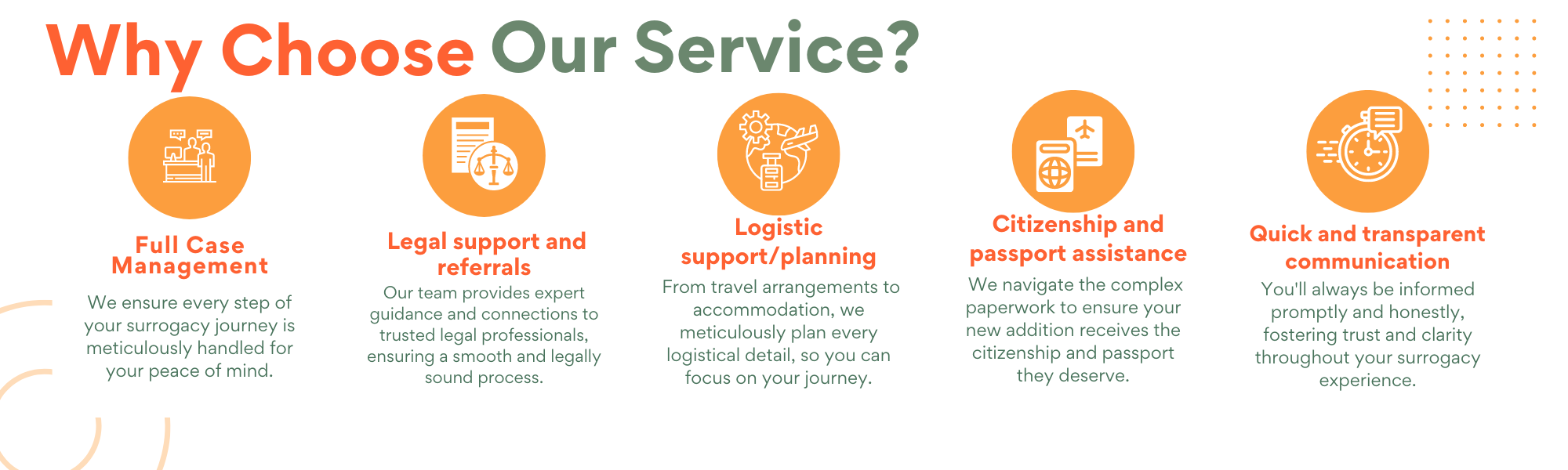
💫 Why Intended Parents Choose Complete Surrogacy for a Safe, Smooth & Successful Surrogacy Journey:
🌍 Access to multiple surrogacy destinations with 15+ years of international experience
🏥 Partnerships with top-tier fertility clinics and agencies, backed by references from past clients
👩🦱 Diverse egg donor options: Asian, Caucasian, African, Oriental, and more
💸 Transparent and affordable pricing—direct payments with no extra agency fees
🔒 No hidden costs—all charges are agreed upon upfront
🤝 Dedicated case manager for personalized support
📲 Fast, honest, and clear communication throughout
📑 Full legal support for visas, documentation, and baby exit processes
🚚 Assistance with frozen sperm/embryo shipment logistics
FAQ for Requirements for Becoming a Surrogate Mother
What are the main requirements for a surrogate mother?
To be a surrogate mother, you must be between 21 and 40 years old. You also need to have had a successful full-term pregnancy before. Plus, you should be in good physical and mental health.
What medical qualifications must a surrogate mother meet?
Surrogate mothers should have a healthy Body Mass Index (BMI), not over 35. They should also have no major issues from past pregnancies. These rules help keep everyone safe and healthy during the pregnancy.
How is psychological readiness assessed for potential surrogates?
To check if you’re ready emotionally, you’ll have talks with experts. You’ll discuss the emotional side of surrogacy. This helps understand the emotional journey ahead.
What does the screening process for surrogates involve?
The screening includes background checks, psychological tests, and medical exams. These steps make sure you’re ready physically and emotionally for surrogacy.
Are there age limitations for becoming a surrogate mother?
Yes, you must be between 21 and 40 years old. This age range helps reduce pregnancy risks and ensures better health for you and the baby.
What emotional commitments should potential surrogates consider?
Surrogacy is a big emotional step. You might feel many emotions during the pregnancy. It’s key to think about your emotional readiness and support before starting.
What are the legal requirements for becoming a surrogate mother?
Legal needs for surrogates vary by state and agency. You’ll need a detailed surrogacy agreement. It should cover everyone’s rights and duties. Always talk to a legal expert in surrogacy to understand these rules well.

Highly esteemed, authoritative, and trusted professional with a 14-year of experience in international surrogacy. Advocate for Secure, Legal, and Affordable International Surrogacy.
Neelam Chhagani, MA (Counselling Psychology) and Holistic Infertility and Third-Party Reproduction Consultant.
Member of European Fertility Society, Best Surrogacy Blogger of 2020, with 300 dedicated blogs, and top contributor on Quora for Surrogacy.
Add Your Comment