

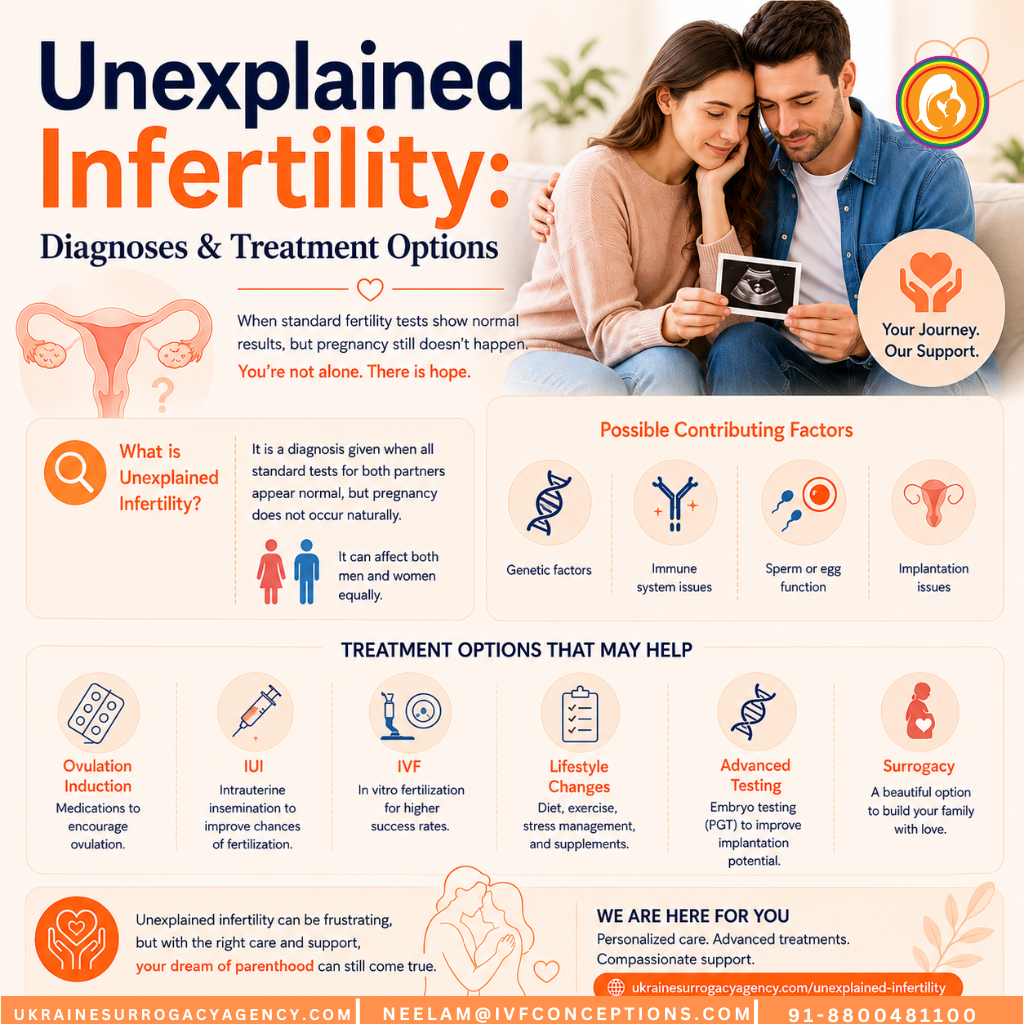
More couples than ever are hearing the frustrating diagnosis of unexplained infertility, making unexplained infertility in 2026: diagnoses and treatment options a vital topic for hopeful parents. Despite normal test results, many still struggle to conceive due to subtle factors that traditional screenings can’t detect.
In this blog, we’ll explore the latest diagnostic tools, emerging treatments, and evidence-based options available in 2025 to help couples overcome this challenging and often confusing diagnosis.
Summary Table for Infertility and Treatment
| Innovation / Approach | How It Works | Why It Matters in 2025 | Potential Benefits for Patients |
|---|---|---|---|
| Advanced Genetic Screening (Reproductive Genomics) | Tests embryos and parents for subtle genetic or chromosomal issues missed by standard tests. | Detects hidden causes of implantation failure or miscarriage. | Improves embryo selection and pregnancy success rates. |
| Endometrial Receptivity Testing (ERA/EMMA/ALICE 2.0) | Analyzes endometrial microbiome and gene expression to pinpoint optimal implantation timing. | More precise window of implantation improves IVF outcomes. | Reduces failed transfers and increases live birth rates. |
| AI-Powered Embryo Selection | Uses machine learning to predict embryo viability from time-lapse imaging. | Provides more accurate scoring than traditional grading. | Increases IVF efficiency and reduces costs per cycle. |
| Personalized Hormonal Protocols | Tailors stimulation medications to individual ovarian response and hormone profiles. | Reduces side effects and optimizes egg quality. | Higher-quality embryos and fewer canceled cycles. |
| Immunological Testing & Therapies | Screens for immune factors (NK cells, cytokines) that may interfere with implantation. | Helps identify hidden immune-related causes of infertility. | Targeted immune therapies can improve implantation success. |
| Adjunct Therapies (PRP, Stem Cells, Mitochondrial Support) | Uses regenerative medicine to enhance uterine or ovarian health. | Emerging in 2025 as add-ons for difficult cases. | May improve uterine receptivity and egg quality. |
| Lifestyle & Microbiome Optimization Programs | Combines nutrition, stress management, and probiotic interventions. | Recognizes whole-body impact on fertility outcomes. | Supports natural conception or complements medical treatment. |
Key Takeaways
- Unexplained infertility affects 15-30% of couples.
- Infertility diagnosis have made significant progress in recent years.
- There are diverse treatment options for unexplained infertility.
- Emotional well-being plays a critical role in coping with infertility.
- Innovative diagnostic methods are paving the way for better understanding.
- Personalized approaches to treatment are becoming more prevalent.
📞 Get in Touch for a Free Surrogacy Consultation
📱 +91-8800481100 (WhatsApp | LINE | Viber)
📧 neelam@ivfconceptions.com
🌐 www.georgiasurrogacyagency.com
Understanding Unexplained Infertility
Unexplained infertility can be a confusing and emotional journey for couples trying to have a baby. It means a couple can’t get pregnant after a year of trying, or six months if they’re over 35. They’ve had normal results from fertility tests. Knowing what causes unexplained infertility is key for those on this path.
The World Health Organization says about one in six people worldwide face infertility. In the United States, it’s similar, with about one in seven women dealing with it.
Definition and Prevalence
When doctors can’t find a reason for infertility, it’s called unexplained. This can be very frustrating, even when everything else seems fine. As infertility trends change, understanding unexplained infertility will continue to be important for doctors.
Common Myths about Infertility
Many myths surround infertility, adding to the emotional burden. Some common ones are:
- Infertility is mainly a woman’s problem.
- Lifestyle choices, like diet and stress, don’t really affect fertility.
- Just because a couple had a baby before, they won’t have trouble again.
By clearing up these myths, people can better understand unexplained infertility. This helps them make informed choices about their reproductive health.
Diagnostic Advances in Unexplained Infertility
The world of infertility diagnosis has changed a lot, thanks to unexplained infertility. A detailed approach is key, using many testing methods. These help uncover hidden issues. New advancements in fertility testing lead to better diagnoses and treatments.
Current Testing Methods
Today’s infertility diagnosis includes:
- Semen analysis to check sperm health
- Ovulation tracking through hormonal tests
- Tubal patency checks, like hysterosalpingography (HSG), to see if the fallopian tubes are okay
- Tests of ovarian reserve and hormones to see reproductive ability
These tests are the base of fertility workups, making sure nothing is missed. The latest research shows that combining these methods is vital.
Pioneering Diagnosis Techniques
In 2026, new techniques will change fertility diagnosis. Advanced ultrasound and detailed hormonal tests give deep insights into reproductive health. AI-based reproductive algorithms will also be used, spotting issues missed by old methods.
These new methods aim to understand each patient’s situation better. They make infertility diagnosis more effective. By using the latest research, people can better navigate their fertility journey.
Unexplained Infertility in 2026: Causes and Implications
Unexplained infertility can come from many hidden causes. These include hormonal imbalances, poor egg quality, and sperm issues. Traditional tests might miss these problems. It’s key for parents-to-be and doctors to understand these factors.
Identified Factors Leading to Unexplained Infertility
Research has found many reasons for unexplained infertility. Some include:
- Hormonal imbalances that affect ovulation.
- Age-related decline in fertility, mainly after 35 for women.
- Medical conditions like PCOS, endometriosis, and thyroid disorders.
- Exposure to toxins in the environment.
The Role of Genetics and Lifestyle
Studies now highlight the impact of genetics on infertility. Genetic traits can influence reproductive health, making it harder to conceive. Knowing about genetic links can help predict future fertility challenges.
Lifestyle also plays a big part in fertility. Obesity, smoking, too much alcohol, and stress can harm reproductive health. People trying to conceive should manage these factors to boost their chances.
Innovative Treatment Options Available
People dealing with unexplained infertility can try new treatments to help them conceive. These options include medical breakthroughs and lifestyle changes. Knowing about these can help couples make better choices for their fertility journey.
Medications and Lifestyle Changes
First, doctors might give medications to help with ovulation and hormone balance. Clomiphene citrate is a common choice. Along with meds, making healthy lifestyle changes can also boost fertility. Key changes include:
- Eating a diet full of whole foods
- Keeping a healthy weight
- Staying active
- Lowering stress with mindfulness
These steps can make medications work better and create a better environment for getting pregnant.
Assisted Reproductive Technologies (ART)
For some, the latest treatments include advanced fertility technologies like IVF and ICSI. These methods have changed how we think about getting pregnant. They help with fertilization and implantation, which are key for couples trying to conceive.
Advanced Surgery Techniques
In certain cases, surgery can fix physical issues that cause infertility. Laparoscopy can find and fix problems like polyps or endometriosis. This can greatly increase the chances of getting pregnant, even after other treatments have failed.
Current Trends in Infertility Treatment Research
In recent years, big steps have been made in infertility treatment research. New advances are changing how we treat infertility. These changes focus on personalized medicine and tailored treatments for each person.
Breakthroughs in Reproductive Science
New methods in reproductive science are making a big difference. Genetic testing for choosing embryos is a big leap forward. It helps find the best embryos for a successful pregnancy.
Also, better ways to freeze embryos are now available. This means embryos can be kept in better condition. It gives doctors more options when planning treatments.
Emerging Technologies for Infertility Solutions
New technologies are being explored for infertility treatments. Robotics and artificial intelligence are making treatments more precise. These tools help doctors make better choices for their patients.
Data-driven Solutions for Infertility Diagnosis
Data is changing how we diagnose infertility. Big datasets help doctors make informed decisions. This approach leads to more effective treatments for each person.
The ongoing research in infertility treatment is very promising. It shows a strong commitment to solving infertility issues. This work aims to help both the medical and emotional needs of individuals and couples.
Additional Resources to read:
Is Infertility and Depression Related?
Single Parent Surrogacy in Ukraine
International Surrogacy in Ukraine
Conclusion
Managing unexplained infertility is a complex and often frustrating journey. But new medical technologies and a better understanding of reproductive health are helping. These advancements offer new ways to diagnose and treat the issue.
As we move into 2025, there are many approaches for those dealing with unexplained infertility. It’s important to stay updated on the latest methods. This way, individuals and couples can find what works best for them.
It’s key to approach this journey with care and understanding. Overcoming unexplained infertility might mean trying new therapies or advanced tests. It could also involve looking into assisted reproductive technologies.
By learning and getting support, people can take action towards building their families. This article aims to help those seeking clarity on unexplained infertility. It highlights the importance of understanding new treatments and taking care of your emotional health.
With this knowledge, you can make informed choices. And you can hold onto hope as you work towards becoming a parent.
💫 Why Intended Parents Choose Complete Surrogacy for a Safe, Smooth & Successful Surrogacy Journey:
🌍 Access to multiple surrogacy destinations with 15+ years of international experience
🏥 Partnerships with top-tier fertility clinics and agencies, backed by references from past clients
👩🦱 Diverse egg donor options: Asian, Caucasian, African, Oriental, and more
💸 Transparent and affordable pricing—direct payments with no extra agency fees
🔒 No hidden costs—all charges are agreed upon upfront
🤝 Dedicated case manager for personalized support
📲 Fast, honest, and clear communication throughout
📑 Full legal support for visas, documentation, and baby exit processes
🚚 Assistance with frozen sperm/embryo shipment logistics

FAQ-Unexplained Infertility in 2025
What is unexplained infertility?
Unexplained infertility means you can’t get pregnant after trying for a year (six months if you’re over 35). Even with all tests showing normal results, it affects 15-30% of couples.
What are the common causes of unexplained infertility?
Hormonal imbalances, egg quality issues, and sperm problems might not show up in tests. Genetics and lifestyle factors like obesity, smoking, and stress also play a role.
What diagnostic methods are used for unexplained infertility?
Tests include semen analysis, ovulation checks, and tubal patency tests like HSG. New methods in 2025 will use advanced ultrasound and AI to help diagnose better.
What treatment options are available for unexplained infertility?
Treatments include lifestyle changes, medications like clomiphene citrate, and IVF. Sometimes, surgery is used to find hidden problems.
How does lifestyle impact infertility?
Your lifestyle greatly affects your fertility. Diet, exercise, body weight, and stress levels all matter. A holistic approach is key to improving chances of getting pregnant.
What advancements in infertility treatment can we expect in 2025?
Future treatments include genetic testing for embryo selection and better cryopreservation. Personalized therapies will be based on individual data, making treatments more effective.
Are there any support groups for individuals dealing with unexplained infertility?
Yes, there are support groups for those facing unexplained infertility. They offer emotional support, resources, and a sense of community during the fertility journey.
What holistic approaches can help in managing unexplained infertility?
Holistic methods include nutrition, exercise, stress reduction, and mind-body therapies. These practices improve reproductive health and support medical treatments.

Highly esteemed, authoritative, and trusted professional with a 14-year of experience in international surrogacy. Advocate for Secure, Legal, and Affordable International Surrogacy.
Neelam Chhagani, MA (Counselling Psychology) and Holistic Infertility and Third-Party Reproduction Consultant.
Member of European Fertility Society, Best Surrogacy Blogger of 2020, with 300 dedicated blogs, and top contributor on Quora for Surrogacy.
Add Your Comment