


Advancements in genetic testing, donor programs, and guaranteed IVF packages are also driving people to seek treatment internationally. With increasing restrictions in some regions and better transparency in others, fertility tourism in 2026 will focus heavily on safety, legal clarity, and cost-effective pathways to parenthood.
Key Takeaways
- Fertility travel is growing due to high domestic costs and restrictive laws in some U.S. states.
- International fertility clinics vary widely in price and what’s included—verify medication, FET, and storage fees.
- Look for accreditation and published success rates when comparing IVF tourism providers.
- Emerging tech (telemedicine, AI, advanced lab services) is shaping fertility treatment abroad.
- This guide focuses on ethical, evidence-based options to help you make informed decisions about medical tourism for fertility.
📞 Get in Touch for a Free Surrogacy Consultation
📱 +91-8800481100 (WhatsApp | LINE | Viber)
📧 neelam@ivfconceptions.com
🌐 www.ukrainesurrogacyagency.com
Why Choose Fertility Tourism: Benefits, Risks, and Cost Drivers
Fertility travel combines medical skill with cost awareness. Many Americans turn to reproductive tourism for cheaper IVF. This option still meets high clinical standards. As global fertility trends grow, more patients seek options abroad.
First, compare costs. Turkey offers IVF for $2,800 to $4,500. Iran quotes similar prices. European countries like the Czech Republic, Poland, Greece, and Spain have costs from €2,100 to €6,700 for own-egg IVF. Donor-egg cycles are pricier but still cheaper than in the U.S.
Financial advantages compared to U.S. IVF pricing
Lower prices include fertility clinic fees and basic lab work. You can save 40–70% compared to the U.S. Shared-risk programs, or refund offers can also help. Always ask for detailed estimates before you decide.
Quality of care versus cost: accreditation and success rates
Price isn’t the only measure of quality. Look for Joint Commission International (JCI) accreditation or national licenses. High-volume centers share success rates by age group.
Spain’s IVI and Instituto Bernabeu, Denmark’s Cryos services, and Czech clinics like Reprofit and Gennet are known for quality. They have documented success rates.
Focus on lab standards, embryologist experience, and success rate metrics. Many international centers report success rates of 50–65% for certain patients.
Hidden cost drivers to watch for (medications, FET, storage, add-ons)
Quotes might not include all costs. Ovarian stimulation medications add thousands. Frozen embryo transfer (FET) cycles, vitrification fees, and embryo storage add up over time. Extra procedures like ICSI, PGT-A (PGS), and assisted hatching also cost extra.
Donor-related costs include donor compensation or bank fees. You might need repeat transfers, extra monitoring, travel, and interpreter services. These add to your budget.
Ask clinics for a detailed list of what’s included and what’s not. Compare packages and understand the fine print of shared-risk or refund programs. Knowing these details helps you make an informed decision as fertility travel evolves.
Top Affordable IVF Destinations in 2025 and What They Offer
Looking for international IVF destinations? You’ll find high prices and legal differences. This guide shows what you can expect in terms of cost, services, and access when going abroad for fertility treatments.
Turkey is a great value for many. Own-egg IVF costs between $2,800 and $4,500, which is 40–60% less than in the U.S. Istanbul clinics have modern labs and staff trained abroad. Treatment packages often include medication, airport transfers, and lodging.
Iran is one of the cheapest options worldwide. Full cycles cost between $3,000 and $4,500. High-volume centers offer advanced procedures like ICSI and PGT. Medical tourism is well set up, with visa help and interpreters available. But, check the laws on donor and surrogacy before you go.
The Czech Republic and Poland are budget-friendly in Europe. Own-egg cycles cost €2,100–€3,500 in the Czech Republic and €2,200–€2,500 in Poland. The Czech Republic supports anonymous egg and sperm donation and has EU-quality labs. Many clinics offer clear pricing and donor-egg packages around €4,300–€5,500. English services and clear consent processes make these countries easy to visit for fertility services.
Greece and Spain offer patient-friendly, higher-end options in Europe. Greece has moderate prices (own-egg cycles ~€2,500–€3,500) and is open to single women and same-sex couples. Spain is pricier (own-egg IVF ~€3,600–€6,700) but has large donor databases and research-driven clinics. Both countries are popular for fertility tourism in 2025 because of their laws and lab quality.
India and Denmark are also worth mentioning. India can be cost-effective and offers many services, though surrogacy laws have changed recently. Denmark is known for sperm donation and international donor listings, great for finding specific donors.
| Country | Typical Own‑Egg Cost | Donor Services | Notable Strengths |
|---|---|---|---|
| Turkey | $2,800–$4,500 | Not permitted | State-of-the-art Istanbul labs; inclusive packages; strong clinic success rates |
| Iran | $3,000–$4,500 | Available in many centers | Low cost; experienced in complex cases; robust medical tourism support |
| Czech Republic | €2,100–€3,500 | Anonymous donation available | EU-quality labs; clear pricing; donor-egg packages competitive |
| Poland | €2,200–€2,500 | Varies by clinic | Affordable EU option; English-friendly clinics; transparent costs |
| Greece | €2,500–€3,500 | Available; patient-friendly laws | Access for single and same-sex patients; shorter wait times |
| Spain | €3,600–€6,700 | Extensive donor databases | Liberal laws; top-tier research clinics; broad service offerings |
When choosing international fertility services, look at clinic accreditation, success rates, and legal access. These factors are more important than just the cost when planning fertility treatments abroad.
How to Compare Clinics and Packages for Best Value
Choosing between international fertility clinics requires careful comparison. You need clear pricing, verified success rates, and reliable patient support. This checklist helps you compare IVF clinics and fertility treatment options side by side.

- All consultations, scans, and pre-treatment tests included? Ask for itemized dates and who performs each step.
- Oocyte stimulation drugs: included or separate (most clinics list these as extra). Confirm brand names and typical dose ranges.
- Egg retrieval, fertilization (is ICSI included or extra), embryo culture to blastocyst, and embryo transfer. Get lab protocol details.
- PGT/PGS/PGD: state whether biopsy and analysis are included or quoted separately and the lab doing the testing.
- Vitrification and storage: specify duration included, renewal fees, and transfer-out costs if you use an external bank.
- FET cycles: confirm whether the first frozen embryo transfer is included in the package or billed later.
- Donor fees: list donor compensation, per-egg pricing, and costs to transport gametes from an external bank.
- Extra lab add-ons (assisted hatching, time-lapse imaging): note which are standard and which carry additional fees.
- Post-transfer monitoring and emergency care: clarify what follow-up care is covered and what triggers extra charges.
Understanding bundled offers, shared-risk, and refund programs
- All-inclusive bundles can simplify budgeting. Read exclusions closely; medications and extra scans often sit outside bundles.
- Shared-risk and refund programs are common in Spain and the Czech Republic. These may cover multiple cycles with partial or full refunds if outcome criteria are not met.
- Confirm outcome definitions used by the clinic (clinical pregnancy versus live birth), eligibility windows, and timeline limits for refunds.
- Guaranteed donor packages sometimes promise a minimum number of oocytes or blastocysts. Ask what the clinic will do if the minimum is not reached.
Practical comparison criteria
- Documented success rates by age group. Request clinic reports or links to national registries for objective comparison of fertility treatment options.
- Lab accreditation (JCI, ESHRE recognition, or national regulator approvals) and embryologist credentials. These matter for outcomes.
- Patient testimonials and third-party reviews from people who used assisted reproductive technology travel services. Watch for consistent themes about communication and care.
- Facilitation experience with international patients. Confirm language support, visa guidance, and telemedicine follow-up.
Tips before you sign
- Ask for a sample contract, cancellation policy, and a clear refund timeline.
- Compare total cost per expected live birth, not just per-cycle fees, to measure true value among international fertility clinics.
- Consider higher-cost centers slightly with transparent terms and strong support. Fewer repeat cycles may lower emotional and financial burden when you pursue medical tourism for fertility.
Logistics of Fertility Travel: Planning, Legalities, and Patient Support

Travel for fertility care needs careful planning. You’ll need to sort out paperwork and find local support. Telemedicine helps with many steps, but in-person checks are key for most treatments.
Travel planning and typical stays
For IVF with your own eggs, you’ll likely spend two to three weeks at the clinic. This includes time for stimulation, monitoring, egg retrieval, and embryo transfer. If you need a frozen embryo transfer (FET), you might return for one to three short visits.
Book flights and hotels that you can change or get your money back. This flexibility is important because treatment plans can change.
Arrange for interpreters and local transport before you go. Many clinics and facilitators offer help with airport transfers and have patient coordinators. They keep track of your appointments and have emergency contacts ready.
Remote preparation and follow-up
You can take some steps before you travel. This includes initial consultations, reviewing your medical history, and some lab tests. Clinics like Institut Marques and CREATE Fertility use secure telehealth for international coordination.
Make sure you know about telemedicine options after your treatment. Talk to both the clinic abroad and your U.S. doctor about this.
Visa, documentation, and medical records
Visa rules change based on where you’re going and who you are. Clinics often give you letters to help get a medical visa. Carry your medical records, test results, and ID with you. Also, have your medication list and your doctor’s contact info ready.
Cross-border legal considerations
Who can get fertility treatment abroad depends on local laws. Spain and Greece are often open to single and same-sex couples. Turkey and Iran usually only help married heterosexual couples. Check the rules on donor anonymity and legal parentage before you start.
Donor rules also vary. The Czech Republic allows anonymous donations. Spain has a detailed donor system. The UK requires donors to be known in many cases. These rules affect tracing your family and legal rights later.
Surrogacy laws are very different, too. Many places don’t allow commercial surrogacy. India recently made it harder for foreigners to use surrogacy. If you’re thinking about surrogacy, get legal advice and check if the U.S. will recognize your parentage.
Patient support and facilitators
Medical tourism facilitators help with planning, visa letters, and more. Look for reviews and ask for their accreditation. Make sure they explain costs, refunds, and emergency plans in writing.
Check how the clinic handles emergencies and OHSS. Find out which local hospitals they work with. Knowing how you’ll get follow-up care and telemedicine access is key to ongoing care.
| Planning Item | Typical Recommendation | Why It Matters |
|---|---|---|
| On-site duration | 2–3 weeks for fresh IVF; additional short visits for FET | Allows for monitoring, retrieval, and transfer windows |
| Pre-travel steps | Telemedicine consults, baseline labs, and records transfer | Reduces on-site time and clarifies eligibility |
| Travel flexibility | Refundable flights and flexible lodging | Accommodates changes in stimulation or timing |
| Legal checks | Verify donor, single/same-sex access, surrogacy rules | Ensures parental recognition and avoids later disputes |
| Documentation | Complete medical records, ID, and clinic invitation letters | Needed for visas and clinical continuity |
| Patient support | Interpreter, local transport, emergency contacts | Improves comfort and manages complications |
| Post-cycle care | Telemedicine follow-up and local physician coordination | Maintains continuity of reproductive healthcare abroad |
Personalized Treatment Choices and Emerging Trends in Assisted Reproductive Technology Tourism
When planning care abroad, you and your clinical team must match treatment to diagnosis. Assisted reproductive technology tourism offers options from donor egg cycles to surrogacy arrangements. International fertility clinics vary in donor pools, legal frameworks, and counseling support. Start by listing medical needs, legal priorities, and travel constraints.
The decision to use a donor egg is common for advanced maternal age, diminished ovarian reserve, or repeated IVF failure. Spain, Greece, and the Czech Republic have established programs and large donor pools. Cost averages differ by country, with many European donor-egg programs reporting ranges near €4,000–€8,500. Confirm whether donor matching, screening, and counseling are included in the package.
Donor sperm is often chosen by single women, same-sex female couples, or couples facing severe male-factor infertility. Denmark’s Cryos and Spanish sperm banks supply many international cycles. Ask international fertility clinics about sperm donation abroad policies, anonymity rules, and shipping procedures when using frozen samples.
Surrogacy may be the best path for uterine factor infertility or for some same-sex male couples. Rules change fast across surrogacy destinations. Verify legal parentage transfer to the United States and review local contract enforceability before travel. Many clinics work with local law firms to protect parental rights.
Advanced lab services shape outcomes and cost. ICSI is routine for male infertility and is often offered within standard treatment pathways. PGT (also called PGS or PGD) screens embryos for aneuploidy or single-gene conditions and is widely available in Spain, Greece, and the Czech Republic. These tests usually add to the headline price.
Vitrification is the standard for embryo and oocyte freezing. Storage rules and time limits differ by jurisdiction. Storage fees are commonly excluded from bundled offers. Confirm annual costs, permitted storage duration, and transfer logistics before signing agreements with international fertility clinics.
Bundled programs now include guaranteed cycles, shared-risk options, and minimum-blastocyst guarantees. Next-generation fertility services use telemedicine for consultations, AI-assisted embryo selection, and time-lapse incubators to personalize care. These innovations expand access while requiring careful vetting of clinical evidence.
Ethical and psychological support matters across donor and surrogacy pathways. Confirm availability of counseling, informed-consent processes, and long-term record keeping for donor identity or medical history. Donor anonymity statutes can affect future disclosure and family planning.
Make choices that align clinical capability with your needs. For genetic concerns, pick centers experienced in PGT. For donor access, prioritize countries with robust global egg donation networks or reliable sperm bank infrastructure. Plan for long-term needs such as storage, offspring’s medical records, and potential future contact with donors.
| Decision Area | Key Questions | Typical Countries / Resources |
|---|---|---|
| Donor Egg | Is donor age and screening documented? Are matching and counseling included? | Spain, Greece, Czech Republic; strong global egg donation programs |
| Donor Sperm | Is donor anonymity allowed? Can samples be shipped? What are screening standards? | Denmark (Cryos), Spain; established sperm donation abroad networks |
| Surrogacy | Does law permit enforceable parentage? Are contracts recognized internationally? | Carefully vetted surrogacy destinations; consult U.S. immigration and family law |
| Genetic Testing (PGT) | Is PGT available on-site? Are results returned quickly? Is follow-up included? | Spain, Greece, Czech Republic; many international fertility clinics offer PGT |
| Lab & Storage | What freezing method is used? What are storage limits and annual fees? | Most high-volume centers use vitrification; check local storage rules |
| Technology & Support | Does clinic use time-lapse or AI tools? Are telemedicine visits available? | Next-generation fertility services are offered by many leading centers |
Additional resources to read:
When to Move from Fertility Treatments to Surrogacy or Adoption
Fertility Insurance and International Coverage Options
How BMI Influences Fertility and IVF Outcomes
What Causes Infertility-Exploring the Key Factors and Treatments
Conclusion
In 2025, U.S. patients will have many options for fertility treatments. Turkey and Iran offer low prices and lots of experience. On the other hand, places like Spain, Greece, the Czech Republic, and Poland have strict rules and good lab services.
While saving money is tempting, it’s not the only thing to consider. Think about the quality of care, legal rules, and what you’ll actually pay (like for meds and storage).
Don’t just look at the price. Check if clinics are accredited and look at success rates. Also, make sure you can legally become a parent, whether you’re single, in a same-sex relationship, or using a surrogate.
First, talk to doctors online to get a plan and cost estimate. Ask for detailed quotes and contracts. Look into programs that offer a deal or share the risk, but read the fine print carefully.
Work with trusted people and a U.S. lawyer if you’re using a surrogate. This way, you can make sure everything is legal and right.
The world of fertility tourism is changing. It’s important to choose clinics that are open and caring. They should also offer good counseling and clear legal advice.
Use this guide to find the right balance between cost, safety, and quality of care. Reach out to trusted providers for help in planning your journey.
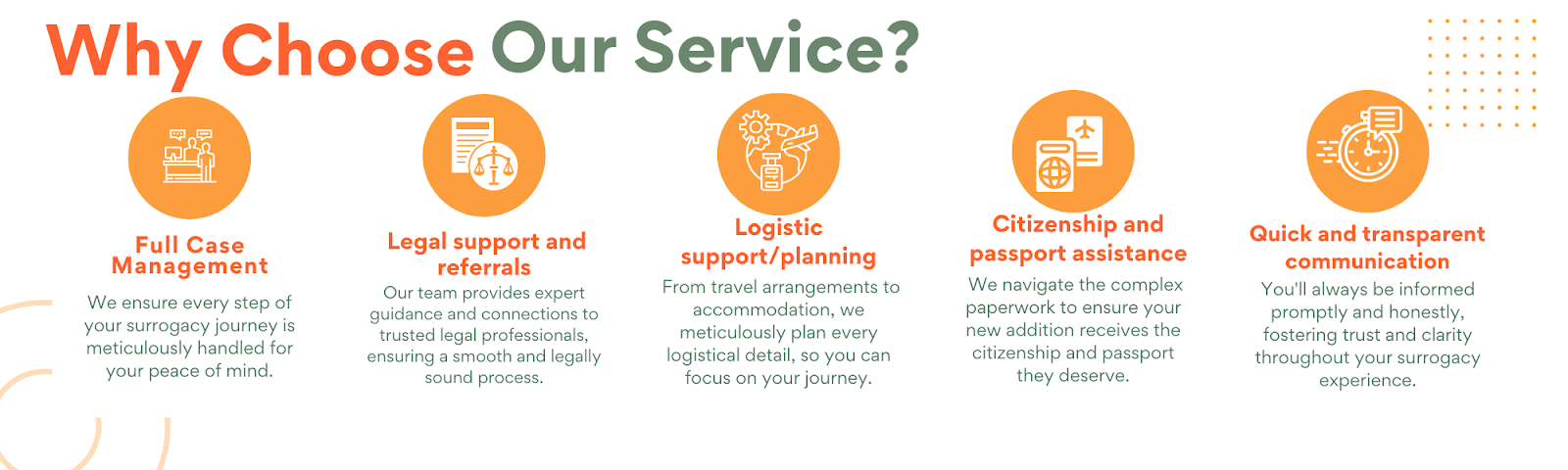
💫 Why Intended Parents Choose Complete Surrogacy for a Safe, Smooth & Successful Surrogacy Journey:
🌍 Access to multiple surrogacy destinations with 15+ years of international experience
🏥 Partnerships with top-tier fertility clinics and agencies, backed by references from past clients
👩🦱 Diverse egg donor options: Asian, Caucasian, African, Oriental, and more
💸 Transparent and affordable pricing—direct payments with no extra agency fees
🔒 No hidden costs—all charges are agreed upon upfront
🤝 Dedicated case manager for personalized support
📲 Fast, honest, and clear communication throughout
📑 Full legal support for visas, documentation, and baby exit processes
🚚 Assistance with frozen sperm/embryo shipment logistics
FAQ: Fertility Tourism 2026
What is the purpose of this guide, and who is it for?
This guide helps U.S.-based readers find affordable, high-quality IVF services abroad. It’s for single parents, same-sex couples, and heterosexual couples. It’s also for those considering fertility tourism or avoiding restrictive laws at home.
How much can I typically save by pursuing IVF abroad compared with U.S. prices?
IVF cycles abroad can cost 40–70% less than in the U.S. Prices range from €2,100 to €6,700 for own-egg IVF. Turkey, Iran, Poland, and the Czech Republic offer lower prices. Donor-egg cycles are also cheaper but still less than U.S. prices.
Are low-cost clinics abroad lower quality?
Not always. Accredited clinics with experienced staff can offer success rates similar to Western clinics. Look for clinic reputation, success rates by age, and lab standards. Reputable European providers include IVI and Instituto Bernabeu in Spain.
What common items are often excluded from headline prices?
Hidden costs include medications, frozen embryo transfers, and storage fees. Add-ons like ICSI and PGT/PGD are also extra. Always ask for a detailed quote to compare costs.
Which countries are the most affordable and what are their limits?
Turkey, Iran, the Czech Republic, and Poland offer very affordable IVF options. Turkey and Iran have restrictions on who can access services. The Czech Republic and Poland have more flexible laws.
What do Greece and Spain offer compared with budget hubs?
Greece and Spain have patient-friendly laws and advanced lab services. They offer lower prices than some other countries. Spain has a large donor database and top research clinics.
How should I compare clinics and packages to find best value?
Look for detailed pricing, success rates by age, and lab accreditation. Check patient testimonials and the clinic’s experience with international patients. Compare all-inclusive packages and worst-case scenarios.
What should a transparent pricing checklist include?
Ask for a detailed quote that includes all costs. This should include consultations, scans, medications, and more. Make sure the price includes any additional procedures or storage fees.
What are shared-risk or refund programs, and are they worth it?
These programs cover multiple cycles and offer refunds if you don’t get pregnant or have a live birth. They can reduce costs but have strict rules. Read the contract carefully and understand the terms.
How long should I plan to stay abroad for a full IVF cycle?
Plan for 2–3 weeks for the IVF cycle. You may need to return for frozen embryo transfers. Book flexible travel plans to account for timing changes.
What visa and documentation will I need?
Visa requirements vary by country. Clinics may provide letters to help with visas. Carry all medical records and identification. Confirm visa requirements before booking travel.
How do legal rules vary by country for single people, same-sex couples, donors, and surrogacy?
Laws differ widely. Spain and Greece are more open to single people and same-sex couples. Turkey and Iran have restrictions. Laws on surrogacy and donor anonymity also vary.
Should I use a medical tourism facilitator?
Facilitators can help with logistics. They are useful for first-time travelers. Always confirm medical decisions and contracts with the clinic directly.
When should I consider donor eggs, donor sperm, or surrogacy abroad?
Use donor eggs for advanced maternal age or low ovarian reserve. Donor sperm is common for single women or same-sex couples. Surrogacy is for uterine issues or male same-sex couples. Availability and legal recognition vary by country.
What advanced lab services and technologies should I look for?
Look for ICSI, PGT/PGS/PGD, time-lapse incubators, and AI-assisted embryo selection. High-quality labs with experienced staff are crucial. Many add-ons are not included in base prices.
How do storage rules and long-term considerations vary by country?
Storage fees and duration limits vary. Clarify costs, renewal fees, and policies for embryo or oocyte storage. Check how donor anonymity affects future disclosure.
What ethical, psychological, and counseling services should be available?
Ethical and psychological support is essential, especially for donor and surrogacy pathways. Confirm access to counseling and informed-consent processes. Clinics should provide resources in your language.
How can I ensure legal parentage and U.S. recognition after treatment or surrogacy abroad?
Laws differ by country and U.S. state. Consult a U.S. attorney for international parentage and immigration. Verify local parentage procedures and steps for U.S. recognition.
What practical tips reduce emotional and financial risk during fertility travel?
Ask for detailed quotes and worst-case scenarios. Choose accredited clinics with strong support. Use telemedicine, secure interpreters, and plan for delays. Consider shared-risk/refund bundles carefully.
What are the next steps if I want to pursue treatment abroad?
Start with telemedicine consultations for personalized protocols and pricing. Request detailed quotes and sample contracts from clinics. Verify accreditation, success rates, and legal support. Plan travel with flexibility for cycle timing.

Highly esteemed, authoritative, and trusted professional with a 14-year of experience in international surrogacy. Advocate for Secure, Legal, and Affordable International Surrogacy.
Neelam Chhagani, MA (Counselling Psychology) and Holistic Infertility and Third-Party Reproduction Consultant.
Member of European Fertility Society, Best Surrogacy Blogger of 2020, with 300 dedicated blogs, and top contributor on Quora for Surrogacy.
Add Your Comment