

For many hopeful parents, the journey to building a family begins with fertility treatments, but sometimes it’s hard to know when it’s time to consider other paths. When to move from fertility treatments to surrogacy or adoption is one of the most important—and emotional—decisions in family planning.
In this article, we’ll explore the signs that it may be time to shift, the factors to weigh before making the move, and how to approach this transition with clarity and confidence.
Summary Table for Move from Fertility Treatments to Surrogacy or Adoption
| Key Sign | What It Means | Why It Matters |
|---|---|---|
| Multiple failed fertility treatments | Several unsuccessful IVF or IUI cycles despite good medical care. | May indicate underlying factors limiting success; time to reassess options. |
| Medical advice from your specialist | Your fertility doctor suggests limited chances of success with further treatments. | Expert guidance can help you make a more informed decision. |
| Emotional and physical exhaustion | Feeling drained, anxious, or burned out by ongoing procedures. | Emotional readiness is as important as medical readiness when shifting paths. |
| Financial strain | Costs of repeated fertility treatments are becoming unsustainable. | Budgeting for surrogacy or adoption may offer a clearer, more predictable path. |
| Desire for greater certainty | Wanting an option with higher predictability or clearer timelines. | Surrogacy or adoption may provide more defined success rates and timelines. |
| Ready to focus on family-building over treatment | Shift from “trying everything” to prioritizing creating a family. | Reflects emotional acceptance and readiness for a new approach. |
Key Takeaways
- Approximately 1 in 8 couples face infertility issues.
- Recognizing the limitations of fertility treatment options is crucial.
- Emotional and financial costs can influence decisions about family-building alternatives.
- Understanding the emotional toll of the infertility journey helps identify the need for change.
- Surrogacy and adoption each have unique processes and implications to consider.
📞 Get in Touch for a Free Surrogacy Consultation
📱 +91-8800481100 (WhatsApp | LINE | Viber)
📧 neelam@ivfconceptions.com
🌐 www.ukrainesurrogacyagency.com

Understanding Fertility Treatments and Their Limitations
Fertility treatments offer hope and pose challenges for couples trying to conceive. They provide various options to address different infertility issues. It’s crucial to understand both the potential and limitations of these treatments.
What are Common Fertility Treatment Options?
In Vitro Fertilization (IVF) is the most recognized treatment. It involves combining eggs and sperm in a lab to create embryos, then transferring them to the uterus. Other effective solutions include:
- Intrauterine insemination (IUI)
- Medications for ovulation induction
- Egg or sperm donation
- Gestational surrogacy
Success Rates of Fertility Treatments
Success rates for fertility treatments vary widely. IVF success rates are around 40%, influenced by age and health. Other treatments, like IUI, have lower success rates. This impacts decision-making for couples considering their next steps.
Emotional and Financial Costs of Ongoing Treatments
Seeking fertility treatments comes with significant emotional costs. It leads to complex emotional landscapes filled with hope, disappointment, and resilience. The financial burden is also substantial, with IVF cycles costing $15,000 or more. Understanding these costs helps couples decide whether to continue treatments or explore other options like surrogacy or adoption.
| Treatment Option | Typical Cost | Average Success Rate |
|---|---|---|
| IVF | $15,000+ | 40% |
| IUI | $800 – $3,000 | 10-20% |
| Ovulation Induction | $500 – $1,000 | 20-30% |
Identifying Key Signs to Transition from Fertility Treatments
Deciding when to stop fertility treatments requires a deep look at both emotional and physical health. Couples often feel emotionally drained from the process, marked by ongoing disappointment and frustration. Finding clarity during this time can help them smoothly transition to options like surrogacy or adoption.
Recognizing Emotional Exhaustion
Emotional exhaustion shows up in many ways, like constant sadness or anxiety about future treatments. It can also lead to feeling disconnected from the process. When these feelings arise, it’s a crucial moment for reflection. Spotting these signs is a key step towards considering surrogacy or adoption.
Evaluating Treatment Outcomes Over Time
Couples need to carefully review their treatment results over time. This helps them see which methods are working and which are causing more pain. If progress is lacking, it might be a sign that fertility options are exhausted, leading to a re-evaluation of their next steps.
Understanding When Options are Exhausted
Families need to know when their options are no longer practical or emotionally sustainable. Many couples reach a point where treatments are too costly or emotionally draining. Recognizing this turning point can guide them towards making informed choices about surrogacy or adoption to fulfill their dream of parenthood.
When to Move from Fertility Treatments to Surrogacy or Adoption

The path to becoming a parent is filled with tough choices. Many turn to surrogacy or adoption after fertility treatments, reflecting on their family planning goals. This section aims to shed light on these transitions, exploring the surrogacy and adoption processes and the various paths to parenthood.
Assessing Your Family Planning Goals
Transitioning from fertility treatments requires a clear understanding of your family planning goals. Some seek a genetic link, while others value the nurturing of a child, regardless of biological ties. Reflecting on what parenthood means to you is crucial. This reflection is the first step in exploring options like surrogacy or adoption.
Understanding the Surrogacy and Adoption Processes
Surrogacy involves choosing a surrogate mother to carry the baby, often requiring legal agreements and IVF. Adoption offers different paths, including domestic and international options. Each process has its own criteria, timelines, and emotional impacts, shaping your decision.
Considering Future Parenthood Paths
Each path offers unique experiences for future parenthood. Surrogacy may fulfill the desire for a genetic connection from the start. Adoption provides the chance to nurture a child in need of a loving home. Consider how each option aligns with your long-term family and parenthood vision.
Surrogacy vs. Adoption: Making the Right Choice
Prospective parents face significant decisions when considering surrogacy and adoption. Understanding the benefits and risks of surrogacy and the intricacies of adoption can guide your family planning journey. Each option has unique characteristics that align with personal values and circumstances.
Benefits and Risks of Surrogacy
Surrogacy offers several benefits, including a genetic link to the child. This is crucial for those desiring a biological connection. It also provides a more controlled pregnancy experience compared to adoption. You may have more involvement in prenatal care.
However, surrogacy comes with its own set of risks. Legal complexities and emotional challenges, such as the surrogate’s relationship with the child, cannot be overlooked. It’s essential to understand these factors when deciding between surrogacy and adoption.
Exploring the Adoption Process
Adoption offers a fulfilling way to give a child a loving home. The process is lengthy and involved, including background checks, home studies, and legal documents. These steps prepare you for parenthood and ensure ethical and responsible adoptions.
Comparing Costs of Surrogacy and Adoption
Surrogacy and adoption have different cost structures. Surrogacy can exceed $100,000, including medical, legal, and agency fees. Adoption costs vary widely, from a few thousand dollars for foster care to tens of thousands for private adoptions.
| Choice | Average Cost | Genetic Link | Process Complexity |
|---|---|---|---|
| Surrogacy | $100,000+ | Yes | High |
| Adoption | $5,000 – $40,000 | No | Moderate |
Additional Resources to Read:
How BMI Influences Fertility and IVF Outcomes
Fertility Insurance and International Coverage Options
Is Infertility and Depression Related?
Conclusion
Recognizing when to move from fertility treatments to surrogacy or adoption is a deeply personal decision, but these signs can help guide the way. By weighing medical advice, emotional readiness, and financial realities, intended parents can choose the path that feels right for their family-building journey.
With clarity and support, making this transition can become less overwhelming and more empowering—bringing you one step closer to your dream of parenthood.
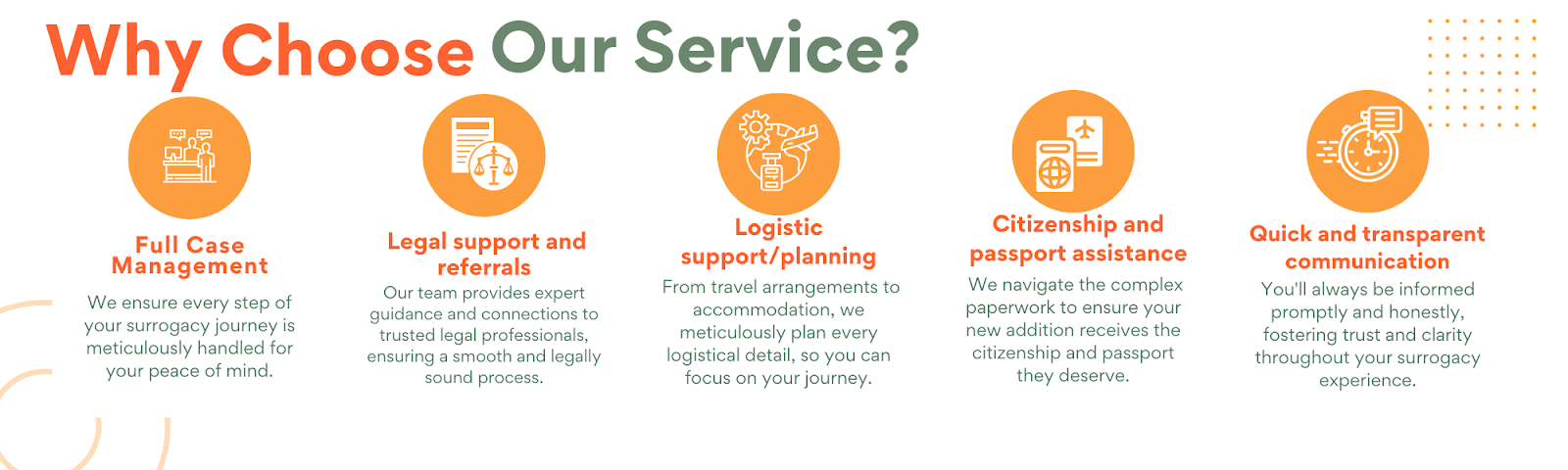
💫 Why Intended Parents Choose Complete Surrogacy for a Safe, Smooth & Successful Surrogacy Journey:
🌍 Access to multiple surrogacy destinations with 15+ years of international experience
🏥 Partnerships with top-tier fertility clinics and agencies, backed by references from past clients
👩🦱 Diverse egg donor options: Asian, Caucasian, African, Oriental, and more
💸 Transparent and affordable pricing—direct payments with no extra agency fees
🔒 No hidden costs—all charges are agreed upon upfront
🤝 Dedicated case manager for personalized support
📲 Fast, honest, and clear communication throughout
📑 Full legal support for visas, documentation, and baby exit processes
🚚 Assistance with frozen sperm/embryo shipment logistics
FAQ-When to Move from Fertility Treatments to Surrogacy or Adoption
When should I consider moving from fertility treatments to surrogacy or adoption?
You might want to transition if you’re emotionally drained, treatments keep failing, or they’re too costly. Reflecting on your family goals can also guide this choice.
What are my fertility treatment options if I have not conceived yet?
Options include In Vitro Fertilization (IVF), intrauterine insemination (IUI), and medication. Each has different success rates and emotional impacts.
What are the success rates of fertility treatments?
IVF success rates are around 40%, influenced by age and health. Knowing these rates helps decide when to look at surrogacy or adoption.
How much do fertility treatments typically cost?
Treatments like IVF can cost over $15,000 per cycle, not including medication. Financial implications are key in deciding how long to pursue these options.
What signs indicate that it’s time to transition from fertility treatments?
Signs include ongoing emotional distress, repeated treatment failures, and financial strain. Recognizing these can help you decide on surrogacy or adoption.
What do I need to know about the surrogacy process?
Surrogacy involves choosing a surrogate, legal agreements, and embryo transfer. It’s crucial to understand the emotional and legal aspects of surrogacy.
What considerations should I prioritize when choosing between surrogacy and adoption?
Consider your genetic connection desires, the emotional journey, and legal aspects. Your family vision plays a significant role in your choice.
What are the emotional and financial differences between surrogacy and adoption?
Surrogacy offers genetic ties but costs over $100,000. Adoption provides parenthood without genetic ties, with costs from a few thousand to tens of thousands, depending on the type.
How can I find adoption agencies or surrogacy services near me?
Look online for local agencies or services. Recommendations from clinics or support groups can also help find reputable options.
How long does the adoption process typically take?
Adoption timelines vary, from several months to over a year. Factors include adoption type and agency requirements. Background checks and home studies are common.
Nearly 1 in 8 couples in the United States struggle with infertility. This statistic highlights the challenges many face on their journey to parenthood. When deciding to switch from fertility treatments to surrogacy or adoption, it’s crucial to consider emotional and financial aspects. Fertility treatments may not work for everyone, leading many to explore other options like surrogacy or adoption.
Switching from fertility treatments can be tough, filled with uncertainty and emotional exhaustion. This decision requires careful thought, not just about medical aspects but also about parenting choices. This article aims to guide you in recognizing when it’s time to consider surrogacy or adoption, helping you make a well-informed decision.

Highly esteemed, authoritative, and trusted professional with a 14-year of experience in international surrogacy. Advocate for Secure, Legal, and Affordable International Surrogacy.
Neelam Chhagani, MA (Counselling Psychology) and Holistic Infertility and Third-Party Reproduction Consultant.
Member of European Fertility Society, Best Surrogacy Blogger of 2020, with 300 dedicated blogs, and top contributor on Quora for Surrogacy.
Add Your Comment