Guaranteed Surrogacy in Armenia has become an increasingly sought-after option for intended parents who want a legally secure, affordable, and reliable path to parenthood—without the uncertainty of traditional IVF cycles. Under Armenia’s favorable surrogacy laws, married heterosexual couples can legally pursue gestational surrogacy with full parental rights, making guaranteed programs particularly appealing for those who want fixed-cost packages and assurance…

Understanding the role of hormonal support in IVF & surrogacy is crucial for improving treatment success and ensuring a healthy pregnancy journey. In IVF, hormones like estrogen, progesterone, and stimulation medications help regulate the cycle, support egg development, and prepare the uterine lining for embryo implantation. For surrogacy, the surrogate may receive carefully timed hormonal support—particularly progesterone and estrogen—to create…
India’s Surrogacy Regulation Act is essential for anyone trying to understand how the country tightly controls who can pursue surrogacy and under what conditions. The Act permits only altruistic surrogacy, limits access to married Indian heterosexual couples and certain categories like widows or divorcees, and bans commercial surrogacy, foreign intended parents, LGBTQ+ couples, and single men. It sets strict rules…
Navigating fertility treatments abroad can be expensive, which is why understanding fertility insurance and international coverage options is essential for intended parents. Coverage can vary widely depending on your home country, clinic policies, and the type of procedure, making it crucial to plan to avoid unexpected costs. In this article, we’ll break down the main types of fertility insurance, explore…
In the United States, nearly 12% of women face infertility. This has led to a big increase in fertility treatments like IVF and surrogacy. These options give hope to those dreaming of starting a family but face tough reproductive challenges. Starting a family is a deeply personal journey, and for many facing fertility challenges, the decision often narrows down to…
Surrogacy for single parents is no longer a dream—it’s a growing, legally supported path to parenthood for men and women who choose to start a family on their own. Whether you’re a single man, single woman, or part of the LGBTQIA+ community, surrogacy offers a viable option to have a biological child with the help of a surrogate and assisted…
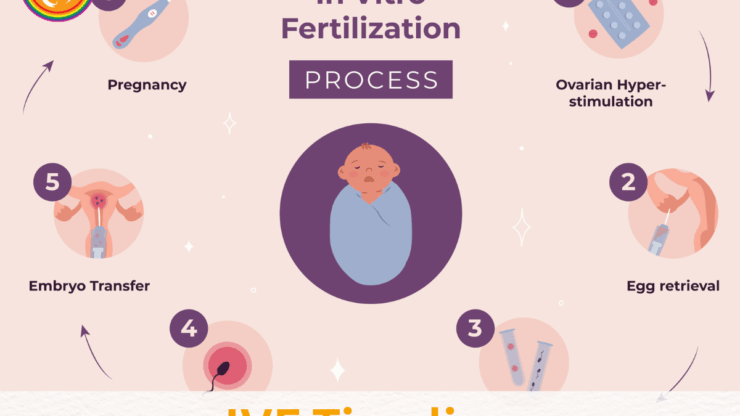
Starting your journey with fertility treatments can be daunting. But knowing the IVF timeline can make it easier. The whole IVF process usually takes about 4 to 6 weeks. Yet, every person’s experience is different. Fertility experts know that each IVF journey is special. Thanks to modern medicine, there are now many ways to help people build their families.…
Are you thinking about the cost of top-notch fertility treatment? South Africa is a top choice for those looking for egg donation. It offers advanced reproductive technologies at prices that are hard to beat. In South Africa, the world of fertility treatment is full of hope and affordable options. The country is known for its skilled fertility experts and state-of-the-art…
Kazakhstan is quickly becoming a recognized destination in Central Asia for fertility treatments, including IVF with egg donation. With modern clinics, well-trained reproductive specialists, and affordable pricing, the country appeals to intended parents from Russia, China, Turkey, and surrounding regions. While the country is still developing its footprint in global fertility tourism, it offers promising legal frameworks and transparent…
The main difference between IVF and IVF with ICSI lies in how the egg is fertilized—IVF allows sperm to fertilize the egg naturally in a lab dish, while ICSI involves injecting a single sperm directly into the egg. When facing fertility challenges, understanding the difference between standard IVF and ICSI (Intracytoplasmic Sperm Injection) can help couples choose the right method…