

Did you know that less than 5% of women who apply to become surrogates actually complete the full process? This shows how tough the screening is. It makes sure only the best candidates can help with surrogacy.
The screening process is very detailed. It checks the health and happiness of both surrogates and the parents who want a child. It looks at physical health, mental state, and personal background.
Fertility clinics and surrogacy agencies want more than just good health. They look for emotionally strong people, have a good support system and really want to help others have children.
Key Takeaways
- Less than 5% of surrogate applicants complete the full screening process
- Screening involves detailed medical and psychological checks
- Emotional stability is key in choosing a surrogate
- Many things decide if someone can be a surrogate
- The screening keeps everyone safe and happy
📞 Get in Touch for a Free Surrogacy Consultation
📱 +91-8800481100 (WhatsApp | LINE | Viber)
📧 neelam@ivfconceptions.com
🌐 www.ukrainesurrogacyagency.com
Understanding the Importance of Surrogate Screening
Surrogate evaluation is key to making sure surrogacy works well for everyone. Intended parents and agencies spend a lot of time and money on this. They do it to keep everyone safe and happy.
The surrogacy application process checks many things to find the best candidates. Not all ways of screening are the same. It’s important for both surrogates and intended parents to know the differences.
Why Thorough Screening Matters
Good screening does many important things:
- It makes sure everyone is physically and mentally healthy.
- It finds any risks early on.
- It keeps everyone’s feelings safe.
- It helps make sure the surrogacy is successful.
Full vs Partial Screening Approaches
Agencies use two main ways to screen:
- Full Screening: They check everything before they accept a candidate.
- Partial Screening: They do a quick check first, then a deeper one later.
Agency Screening Policies
Each agency has its own way of screening. Some do lots of checks at the start. Others do a quick check first and more detailed ones later.
The main goal of good screening is to make sure everyone has a positive experience. It helps create a safe and caring environment for all.
Initial Qualification Requirements for Surrogates
Becoming a surrogate means meeting certain health and safety standards. These rules protect the surrogate and the future child. They are designed to ensure a safe journey for everyone involved.
Agencies have strict guidelines to find the best candidates. These rules check more than just medical health. They look at a surrogate’s physical and emotional strength.
- Age range: 21-40 years old
- Body Mass Index (BMI): Between 19-32
- Proven pregnancy history with no significant complications
- Maximum of two previous cesarean sections
Physical health is key in surrogacy. Surrogates must show they are healthy. This includes:
| Health Requirement | Specific Criteria |
|---|---|
| Lifestyle | Non-smoker, no drug use, moderate alcohol consumption |
| Medical History | No chronic conditions that could impact pregnancy |
| Reproductive Health | Regular menstrual cycles, no fertility complications |
Being emotionally ready is also vital. Surrogates need to be emotionally stable. They should have strong support and a true desire to help others build their families.
The journey of surrogacy is not just a medical process, but a profound human experience of compassion and hope.
The Surrogate Screening Process: Step-by-Step Overview

Understanding the surrogate screening process can seem complex. But knowing each step helps prepare for this amazing journey. The evaluation has many stages to find the best match for both surrogates and intended parents.
The journey starts with a detailed first check. This looks at many parts of a surrogate’s life and health. Agencies use special methods to find the right candidates.
Initial Application and Preliminary Screening
Potential surrogates fill out a detailed questionnaire. It covers important areas like:
- Personal health history
- Reproductive background
- Lifestyle considerations
- Previous pregnancy experiences
Documentation Requirements
Surrogates need to provide a lot of documents. These show they are a good fit. They must give:
- Medical records from previous pregnancies
- Recent gynecological examination reports
- Health insurance information
- Personal identification documents
“Transparency and thorough documentation are key to a successful surrogacy journey.” – Reproductive Health Experts
Screening Timeline
The whole evaluation takes 4-8 weeks. This time, let’s go for detailed medical, psychological, and background checks. It ensures the highest care and compatibility.
Every step is to protect the health and well-being of the surrogate and the future child. It aims to create a supportive and safe space for this incredible process.
Medical Evaluation and Health Assessment
The surrogate medical screening process is key to a safe and successful surrogacy journey. It involves detailed medical checks to protect the surrogate and the future child.
Medical experts do a thorough health check. This includes:
- Comprehensive physical examination
- Detailed reproductive health history review
- Advanced laboratory testing
- Reproductive organ imaging studies
These checks focus on the surrogate’s health and ability to carry a child. Tests during the assessment include:
| Test Type | Purpose | Evaluation Criteria |
|---|---|---|
| Blood Work | Genetic and infectious disease screening | Comprehensive health profile |
| Urine Analysis | Detects health issues | Metabolic and kidney function |
| Saline Sonogram | Evaluates uterine structure | Reproductive organ assessment |
Surrogate medical screening is more than just tests. Reproductive endocrinologists look at past pregnancies, overall health, and risks to ensure the surrogate is a good candidate.
These detailed checks aim to make pregnancy as safe as possible. This protects everyone involved in the surrogacy process.
Psychological and Emotional Screening Components
The psychological screening for surrogates is a key part of the surrogacy journey. It looks beyond just medical checks. It dives deep into the emotional world of those who might become surrogates.
Agencies know that being emotionally ready for surrogacy is important. They check a candidate’s mental health thoroughly. This helps make sure the surrogate can handle the emotional ups and downs of surrogacy.

Mental Health Evaluation Process
A mental health expert does a detailed psychological check. This includes:
- Comprehensive personality testing
- Detailed clinical interviews
- Psychological risk assessment
- Emotional stability screening
Family Support Assessment
The support system of the surrogate is very important. Experts look at:
- Relationship dynamics with partner
- Family understanding of surrogacy
- Emotional support network
- Potential stress management capabilities
Emotional Readiness Verification
Checking if a surrogate is emotionally ready is key. It looks at their psychological motivations, mental strength, and how they handle tough emotions during surrogacy.
The aim is to make sure the surrogate can offer a caring, stable place for the pregnancy. And also keep their own emotional health in check.
Background Checks and Home Environment Assessment
Surrogate background checks are a key part of the screening process. They make sure everyone involved is safe and well. This is very important.
The home study for surrogacy looks at many things. It checks the surrogate’s personal and work life. It follows strict legal rules to do this.
- Criminal record verification
- Financial stability assessment
- Family support system evaluation
- Living conditions inspection
Social workers visit the surrogate’s home to check on their support and living situation. This is more than just a visit. It’s about seeing if the surrogate is ready emotionally and practically for the journey.
| Background Check Component | Purpose | Evaluation Criteria |
|---|---|---|
| Criminal Background | Ensure safety and reliability | Federal and state criminal records |
| Financial Review | Assess economic stability | Income verification, credit history |
| Home Environment | Evaluate living conditions | Family dynamics, support system |
Agencies look closely at a surrogate’s background. They do this to protect the parents and make sure the surrogacy goes well. This process helps everyone feel secure and builds trust.
Additional Resources to Read:
How IP Can Emotionally Support Their Surrogate
What to Know Before Choosing the Best Surrogacy Clinic in Mexico
Independent Surrogacy vs Agency Assisted
Conclusion
The surrogate matching process is a detailed and thoughtful way to help families grow. It ensures the safety and emotional support of both surrogates and intended parents. This careful approach makes the journey smoother.
Screening for intended parents is more than just medical checks. It includes psychological tests and legal reviews for surrogacy. Agencies work hard to find the best matches. This helps avoid problems and increases the chance of a successful surrogacy.
Parents and surrogates need to see screening as a positive step. It builds trust and understanding. The detailed checks help create a strong foundation of respect and commitment.
For surrogacy to succeed, it needs a complete plan. This plan includes medical knowledge, emotional understanding, and legal rules. With thorough screening, families can start their journey with confidence. They know every step has been thoughtfully planned to support their path to parenthood.
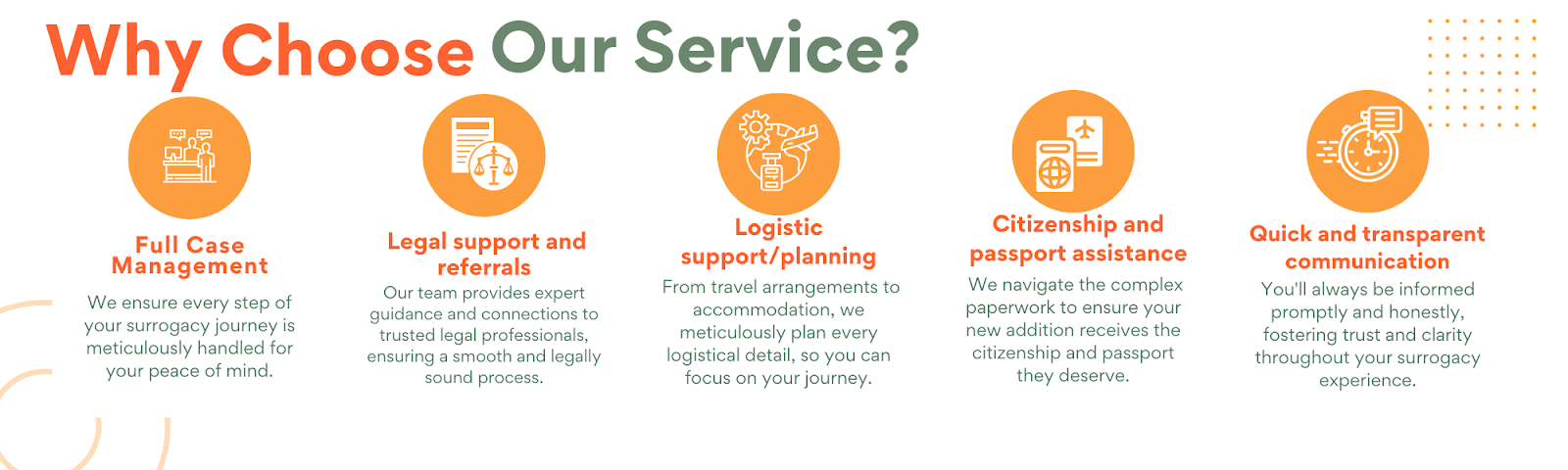
Why Intended Parents Choose Complete Surrogacy for a Safe, Smooth & Successful Surrogacy Journey:
🌍 Access to multiple surrogacy destinations with 15+ years of international experience
🏥 Partnerships with top-tier fertility clinics and agencies, backed by references from past clients
👩🦱 Diverse egg donor options: Asian, Caucasian, African, Oriental, and more
💸 Transparent and affordable pricing—direct payments with no extra agency fees
🔒 No hidden costs—all charges are agreed upon upfront
🤝 Dedicated case manager for personalized support
📲 Fast, honest, and clear communication throughout
📑 Full legal support for visas, documentation, and baby exit processes
🚚 Assistance with frozen sperm/embryo shipment logistics
FAQs for the surrogate mother screening process
What is the purpose of surrogate screening?
Surrogate screening checks the health and emotional readiness of those interested in being surrogates. It ensures the safety of both the surrogate and the intended parents. This process helps find the best match, making a successful pregnancy more likely.
What are the basic qualification requirements for becoming a surrogate?
To become a surrogate, you need to be between 21-40 years old and have had a successful pregnancy before. You must also be in good physical and mental health. Other requirements include a healthy BMI, not smoking, and no history of pregnancy complications. You also need a stable home and to pass medical and psychological evaluations.
How long does the entire surrogate screening process typically take?
The screening process usually takes 2-3 months. It includes medical checks, psychological assessments, background checks, and a review of your home. This detailed process helps find the best match for everyone involved.
What medical tests are required during surrogate screening?
Medical tests include physical exams, blood work, STI tests, and reproductive health checks. You’ll also have a saline sonogram and hormone level checks. These tests make sure you can carry a healthy pregnancy.
What does the psychological evaluation for surrogates involve?
The psychological evaluation includes interviews, personality tests, and mental health screenings. It looks at your emotional support system too. Professionals check if you’re mentally prepared for the journey and can handle its emotional challenges.
What types of background checks are conducted during surrogate screening?
Can previous pregnancy complications disqualify a surrogacy candidate?
Not all pregnancy complications mean you’re disqualified. Medical professionals review each case individually. They look at the details of past pregnancies and your overall health. This helps decide if you’re suitable for surrogacy.
How do agencies match surrogates with intended parents?
Agencies match based on medical and psychological compatibility, personal preferences, and legal requirements. They use detailed screening information to find the best match. This ensures the well-being of both the surrogate and the intended parents.
What happens if a surrogate fails part of the screening process?
If you don’t meet all the criteria, you’ll get detailed feedback. You might be able to address certain issues and reapply. But failing critical medical or psychological tests might mean you’re not qualified. This is to protect everyone’s safety.
Are there age restrictions for becoming a surrogate?
Agencies usually require surrogates to be 21-40 years old. This age ensures good reproductive health and lower risks. It also helps with the emotional challenges of surrogacy. Some agencies might have slightly different age ranges based on medical guidelines.

Highly esteemed, authoritative, and trusted professional with a 14-year of experience in international surrogacy. Advocate for Secure, Legal, and Affordable International Surrogacy.
Neelam Chhagani, MA (Counselling Psychology) and Holistic Infertility and Third-Party Reproduction Consultant.
Member of European Fertility Society, Best Surrogacy Blogger of 2020, with 300 dedicated blogs, and top contributor on Quora for Surrogacy.
Add Your Comment