

The main difference between surrogacy in Georgia and surrogacy in Kazakhstan is that Georgia offers a well-established, legally secure, and widely trusted surrogacy framework for heterosexual couples since 1997, while Kazakhstan is a relatively newer destination where surrogacy laws exist but still lack the same level of international recognition, structure, and safety for intended parents.
When planning international surrogacy, Georgia and Kazakhstan often come up as promising destinations for heterosexual couples. Both countries offer legal frameworks that support surrogacy, but they differ in important aspects like cost, documentation, medical infrastructure, and post-birth processes.
This guide explores Surrogacy in Georgia vs Kazakhstan, helping you make an informed decision based on your legal status, budget, and preferences.
Quick Comparison Table- Surrogacy in Georgia vs Surrogacy in Kazakhstan
| Feature | Georgia 🇬🇪 | Kazakhstan 🇰🇿 |
| Legal Status | Legal for heterosexual, married couples or those with infertility | Legal for heterosexual, married couples |
| Same-Sex Eligibility | ❌ Not allowed | ❌ Not allowed |
| Surrogacy Type | Gestational only | Gestational only |
| Average Total Cost | $50,000 – $60,000 | $45,000 – $55,000 |
| Surrogate Compensation | ~$12,000 – $15,000 | ~$10,000 – $12,000 |
| Language | Georgian, Russian | Kazakh, Russian |
| Exit Process (for foreigners) | Smooth and fast (esp. EU, Israel) | Improving, but may take longer |
| Birth Certificate Format | Names both intended parents | Names both intended parents |
| IVF & Clinic Quality | High, with established programs | Growing steadily, newer infrastructure |
| Travel & Accessibility | Visa-free/visa-on-arrival for many | Visa required for many countries |
| Duration of Stay | 3–6 weeks post-birth | 4–8 weeks post-birth |
Key Takeaways
- Georgia and Kazakhstan have distinct legal frameworks affecting eligibility for intended parents
- Medical standards align with global practices but differ in post-procedure support
- Cost structures vary significantly between clinics and regions
- Expert guidance ensures compliance with local and international laws
- Cultural factors may influence surrogate matching and communication
📞 Get in Touch for a Free Surrogacy Consultation
📱 +91-8800481100 (WhatsApp | LINE | Viber)
📧 neelam@ivfconceptions.com
🌐 www.ukrainesurrogacyagency.com
Introduction to International Surrogacy Options
The search for accessible family-building solutions has driven a global shift in how people approach parenthood. For those exploring these paths, cross-border options often provide structured frameworks that balance affordability with legal security. This guide serves as your roadmap, breaking down complex medical, financial, and regulatory details into actionable steps.
What This Guide Offers
Designed for prospective parents, this resource compares international programs using clear criteria: legal safeguards, clinic success rates, and transparent pricing. It highlights how modern reproductive technology and accredited fertility centers create safer journeys. You’ll find side-by-side analyses of medical protocols and post-birth support systems critical for informed decisions.
Reasons to Consider Global Programs
Many heterosexual couples and individuals seek services abroad due to domestic legal restrictions or higher costs. International clinics often offer 60-70% savings compared to U.S. prices while maintaining rigorous medical standards. Laws in certain countries also streamline parental rights recognition, reducing post-birth legal complexities.
Comparing options helps you identify programs aligning with your priorities—whether cutting-edge embryo screening or flexible surrogate matching processes. This guide empowers you to navigate these choices confidently, transforming overwhelming information into clear pathways toward parenthood.
Understanding Surrogacy in Georgia vs Surrogacy in Kazakhstan
Choosing between international destinations demands clarity on how legal systems and medical ecosystems interact. Two regions stand out for their distinct approaches to safeguarding intended parents while delivering advanced reproductive care.
Surrogacy in Georgia: Why It’s a Leading Destination
✅ Legal Framework
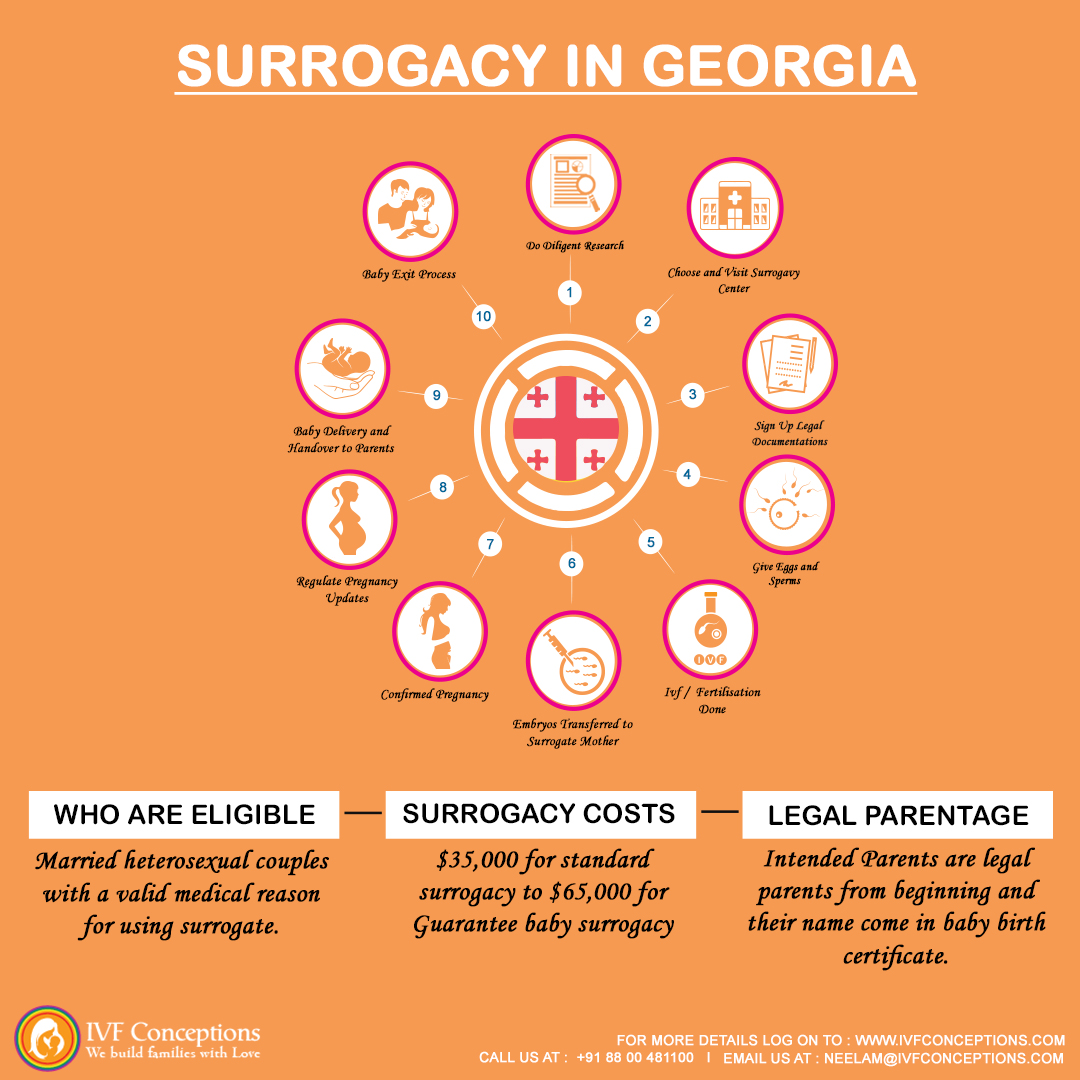
- Surrogacy has been legal and well-regulated under Georgian law since 1997.
- Only available for married heterosexual couples or couples with documented infertility.
💰 Cost Overview
| Item | Approximate Cost (USD) |
| Surrogate Compensation | $12,000 – $15,000 |
| Medical & IVF Procedures | $12,000 – $20,000 |
| Legal, Admin & Logistics | $8,000 – $12,000 |
| Agency Fees (Optional) | $10,000 – $15,000 |
| Total Estimated Cost | $50,000 – $60,000 |
🏥 Medical Care
- Home to advanced IVF clinics like Chachava, Caraps Medline, and Zhordania.
- Most staff speak English or Russian.
- NICU facilities are available in private hospitals.
📜 Birth Certificate & Exit
- Intended parents are legally registered as parents.
- Smooth passport and exit process, especially for couples from the EU, Israel, and the UK.
Surrogacy in Kazakhstan: An Emerging Alternative
✅ Legal Framework
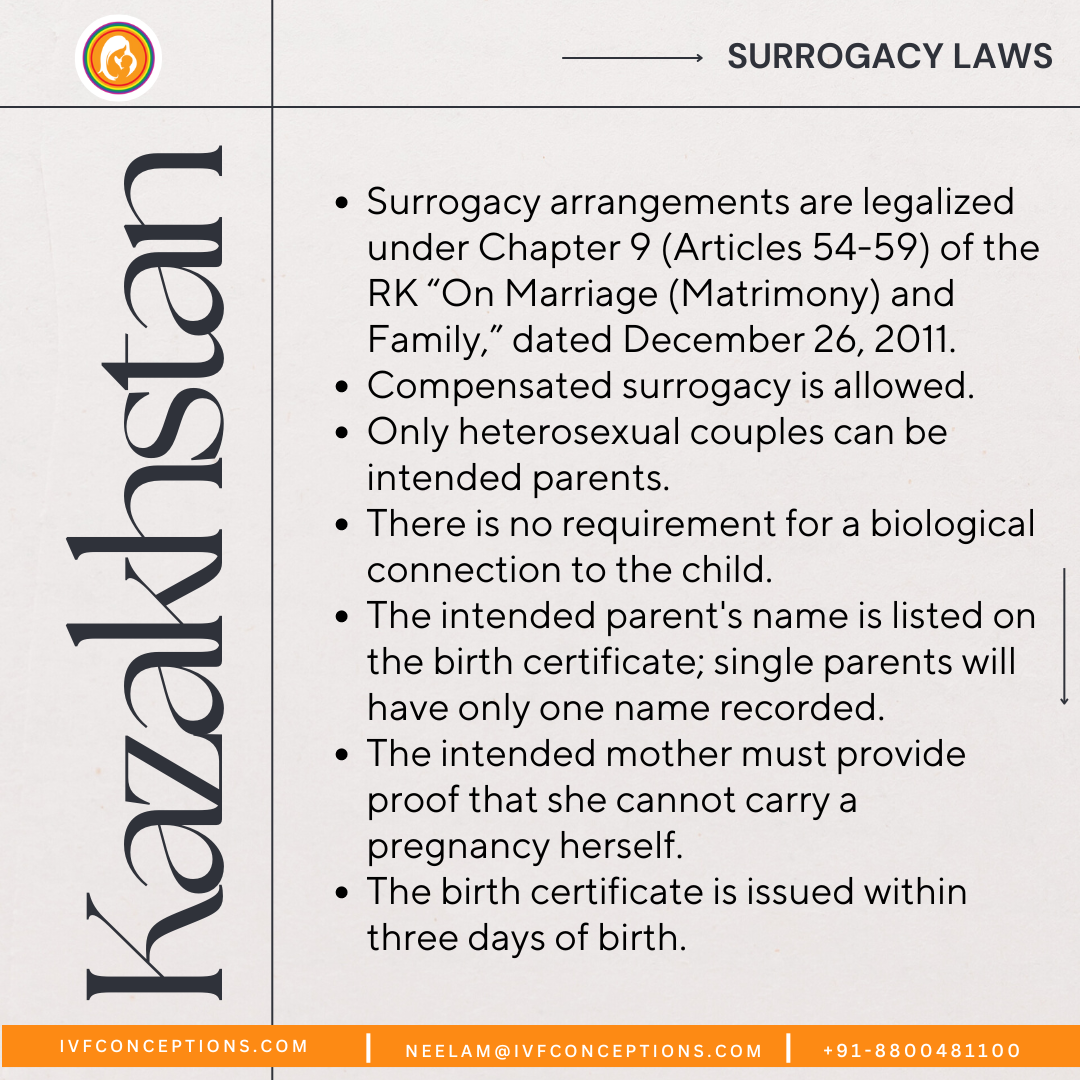
- Surrogacy has been legal in Kazakhstan since 1999.
- Only available for married heterosexual couples.
- Law permits gestational surrogacy; no shared genetics from the surrogate.
💰 Cost Overview
| Item | Approximate Cost (USD) |
| Surrogate Compensation | $10,000 – $12,000 |
| Medical & IVF Procedures | $10,000 – $15,000 |
| Legal, Admin & Logistics | $6,000 – $10,000 |
| Agency Fees (Optional) | $8,000 – $12,000 |
| Total Estimated Cost | $45,000 – $55,000 |
🏥 Medical Infrastructure
- Surrogacy clinics are newer but rapidly improving.
- Most centers offer modern equipment and international standards.
- English-speaking staff may be limited.
📜 Birth Certificate & Exit
- Intended parents are recognized as legal parents.
- The exit process can take longer depending on embassy procedures.
- Translation and apostille work may delay timelines.
Key Considerations for Intended Parents
✅ Eligibility
- Georgia requires either proof of infertility or a marriage certificate.
- Kazakhstan also mandates marriage and documentation—no single or same-sex couples allowed in either country.
📌 Travel Logistics
- Georgia has easier visa access for citizens from EU, UK, and Israel.
- Kazakhstan often requires pre-approved visas and longer travel planning.
🛡️ Legal Support
- In Georgia, legal processes are well-structured and often included in packages.
- In Kazakhstan, you may need additional help with embassy communications and translation.
🕒 Timelines
| MilestoneGeorgiaKazakhstan | ||
| Surrogate Matching | 1–3 months | 1–3 months |
| IVF and Transfer | After contract | After contract |
| Pregnancy Monitoring | Monthly visits | Monthly visits |
| Birth and Documentation | 3–6 weeks total | 4–8 weeks total |
Resources and Expert Support for Prospective Parents
Building families through international programs requires trusted partnerships. Specialized agencies and clinics provide tailored guidance to navigate legal, medical, and logistical challenges. These resources empower you to make informed choices while protecting your rights.

Choosing the Right Agency and Clinic
Reputable organizations like World Fertility Services offer three critical advantages:
- Transparent track records: Look for 5+ years of experience with verified success rates
- Multilingual teams: Clear communication bridges cultural and language gaps
- Fixed-cost packages: Detailed breakdowns prevent unexpected fees
Agencies should coordinate legal consultations before matching begins. One director advises:
“Verify clinic accreditations—ISO certifications ensure compliance with global health standards.”
Access to Legal and Medical Consultation
Continuous expert guidance prevents costly missteps. Initial assessments confirm eligibility while outlining regional requirements. Ongoing support includes:
- Embassy document coordination for foreign nationals
- 24/7 medical hotlines during pregnancy milestones
- Post-birth citizenship planning
World-class services like New Life Global Network provide dedicated case managers who speak your language. These professionals streamline complex processes, letting you focus on preparing for parenthood.
Additional Resources to read:
Legal Requirements for Surrogacy in Georgia
Choosing the Best Surrogacy Agency in Georgia Country
Conclusion
Both Georgia and Kazakhstan offer legal, ethical surrogacy options for heterosexual married couples. While Georgia boasts mature systems, shorter exit timelines, and slightly higher costs, Kazakhstan is emerging as a lower-cost option with potential—though some logistical and legal hurdles remain.
Intended parents should evaluate their citizenship, budget, desired speed, and legal safety net before deciding.
💫 Why Intended Parents Choose Complete Surrogacy for a Safe, Smooth & Successful Surrogacy Journey:
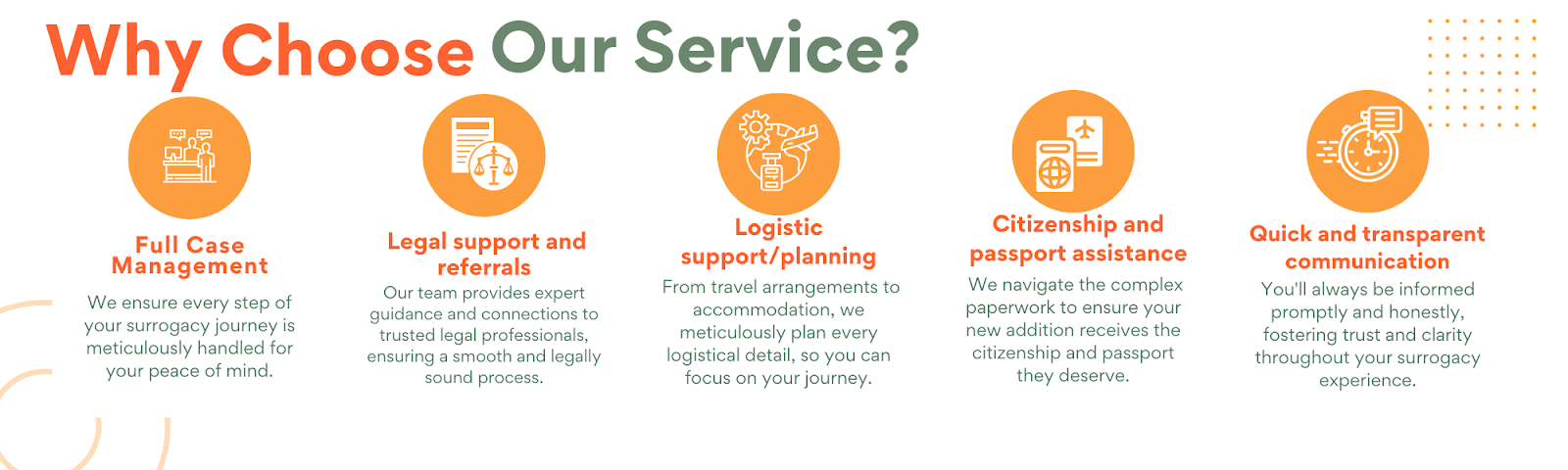
🌍 Access to multiple surrogacy destinations with 15+ years of international experience
🏥 Partnerships with top-tier fertility clinics and agencies, backed by references from past clients
👩🦱 Diverse egg donor options: Asian, Caucasian, African, Oriental, and more
💸 Transparent and affordable pricing—direct payments with no extra agency fees
🔒 No hidden costs—all charges are agreed upon upfront
🤝 Dedicated case manager for personalized support
FAQs for Surrogacy in Georgia vs Surrogacy in Kazakhstan
How do legal parentage processes differ between Georgia and Kazakhstan?
In Georgia, heterosexual couples receive immediate legal recognition as parents on the birth certificate without court involvement. Kazakhstan requires intended parents to undergo adoption procedures post-birth, even if genetically related to the child.
What financial factors separate surrogacy programs in these countries?
Georgia offers fixed-cost packages (typically $45,000–$65,000) covering medical procedures, surrogate compensation, and legal fees. Kazakhstan’s programs often range lower ($30,000–$50,000) but may involve variable clinic charges and fewer standardized contracts.
Are embryo transfer protocols similar in both nations?
While both countries use modern IVF technology, Georgian clinics frequently employ preimplantation genetic testing (PGT) as standard practice. Kazakhstani programs may require additional requests for advanced embryo screening, impacting success rates.
Which country provides stronger post-birth documentation support?
Georgia issues birth certificates listing intended parents directly, simplifying international travel documents. Kazakhstan mandates a court decree for parental rights, potentially delaying passport applications by 6–8 weeks.
How do surrogate mother qualifications compare?
Georgian surrogates must have prior healthy deliveries, psychological evaluations, and rigorous health screenings. Kazakhstan allows first-time mothers to participate if they pass medical tests, creating broader candidate pools but varying risk profiles.
What post-delivery medical support exists for surrogates?
Georgian law requires clinics to provide 12 months of postpartum healthcare coverage. Kazakhstani programs typically offer 3–6 months of support, depending on agency policies and individual contracts.
Can single individuals or same-sex couples pursue surrogacy here?
Georgia restricts surrogacy to married heterosexual couples. Kazakhstan permits single women and men to pursue gestational arrangements, though same-sex partners face complex legal recognition processes.
Which nation has clearer surrogacy contract enforcement?
Georgian contracts follow standardized templates approved by reproductive law specialists. Kazakhstani agreements often require case-specific revisions, increasing legal review timelines by 2–3 weeks.

Highly esteemed, authoritative, and trusted professional with a 14-year of experience in international surrogacy. Advocate for Secure, Legal, and Affordable International Surrogacy.
Neelam Chhagani, MA (Counselling Psychology) and Holistic Infertility and Third-Party Reproduction Consultant.
Member of European Fertility Society, Best Surrogacy Blogger of 2020, with 300 dedicated blogs, and top contributor on Quora for Surrogacy.
Add Your Comment