


Understanding surrogacy expenses is crucial for intended parents planning their journey. The total cost of surrogacy is not just a single figure but a combination of medical fees, surrogate compensation, legal processes, agency support, and additional expenses such as travel and insurance. Each of these elements varies depending on the country, clinic, and type of program chosen.
By breaking down these costs clearly, intended parents can set realistic expectations, budget wisely, and avoid surprises along the way.
📝 Surrogacy Expenses Summary Table
| Expense Category | What It Covers | Estimated Range (USD) |
|---|---|---|
| Medical Expenses | IVF, embryo transfer, medications, fertility treatments, prenatal checkups, and delivery | $20,000 – $45,000 |
| Surrogate Compensation | Base fee paid to the surrogate for carrying the pregnancy | $15,000 – $30,000+ |
| Agency/Program Fees | Coordination, matching, and management services | $10,000 – $25,000 |
| Legal Fees | Contracts, parental rights, birth certificate, court proceedings | $5,000 – $15,000 |
| Insurance & Healthcare | Maternity care, delivery, and emergency medical coverage | $5,000 – $20,000+ |
| Miscellaneous Costs | Travel, accommodation, counseling, translator, and administrative charges | $3,000 – $10,000 |
| Total Surrogacy Cost | Varies by country, program type, and surrogate availability | $50,000 – $120,000+ |
Key Takeaways
- Gain a clear understanding of the different types of surrogacy.
- Discover the main components contributing to surrogacy expenses.
- Learn about the importance of detailed budgeting in surrogacy.
- Explore how medical expenses and agency fees fit into the overall costs.
- Understand surrogate compensation and reimbursable expenses.
📞 Get in Touch for a Free Surrogacy Consultation
📱 +91-8800481100 (WhatsApp | LINE | Viber)
📧 neelam@ivfconceptions.com
🌐 www.ukrainesurrogacyagency.com
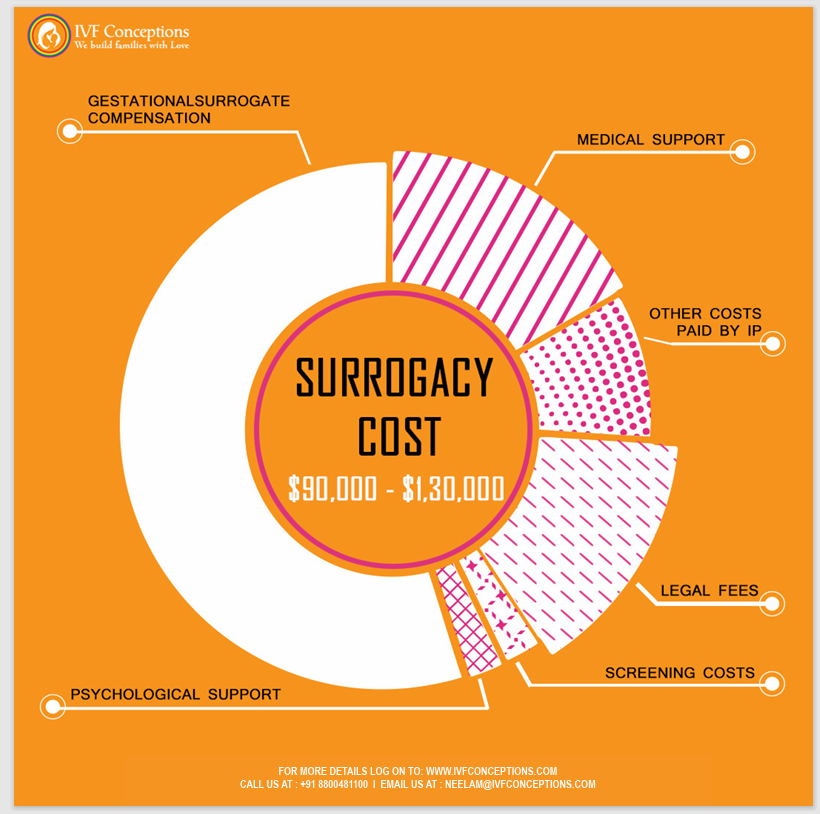
Understanding Surrogacy Costs
Surrogacy is a unique route for individuals and couples looking to grow their families. Intended parents must grasp the costs involved. These costs encompass various elements that can significantly affect the total expense.
What is Surrogacy?
Surrogacy is when a woman, known as the surrogate, carries and delivers a child for intended parents. It offers hope to those facing fertility issues or other barriers to traditional conception. The surrogate may or may not be genetically related to the child, leading to different types of surrogacy.
Types of Surrogacy: Traditional vs. Gestational
It’s essential to understand the differences between traditional and gestational surrogacy. There are two main categories:
- Traditional Surrogacy: Here, the surrogate is genetically related to the child. The process involves artificial insemination, where the surrogate’s egg is fertilized by the intended father’s sperm. Legal complexities surrounding parental rights make this arrangement less common.
- Gestational Surrogacy: This method uses an embryo created through in vitro fertilization (IVF). The surrogate carries the child, but there’s no genetic link to her. Donor eggs or sperm may be used, ensuring clear parental rights.
Knowing these distinctions is key to understanding surrogacy costs. Intended parents must consider these types for both financial and emotional reasons. Legal aspects also play a significant role.
Surrogacy Expenses Explained
The surrogacy journey is both thrilling and challenging, with financial commitments being a major hurdle. It’s critical to grasp the surrogacy expenses involved. A thorough understanding of these costs aids in crafting a feasible financial strategy for intended parents.
Key Components of Surrogacy Costs
Several factors contribute to the total surrogacy fees. These include:
- Agency Fees: These are the costs for the agency’s services, like matching intended parents with a surrogate.
- Surrogate Compensation: Payments to the surrogate for her dedication and time. Costs vary based on experience and agreement.
- Medical Expenses: Direct costs for IVF, prenatal care, and delivery.
- Legal Costs: Fees for drafting and reviewing legal agreements between parties.
The Importance of Accurate Budgeting
Effective budgeting for surrogacy is essential. Intended parents must consider possible unexpected expenses, like repeated IVF cycles or additional medical interventions. A detailed surrogacy fees guide helps estimate costs accurately. Proper financial planning ensures a smoother journey and reduces financial stress during this sensitive time.
Surrogacy Cost Breakdown
Understanding the various elements involved in surrogacy expenses is essential for both intended parents and surrogates. This section outlines the significant costs, including agency fees, surrogate compensation, and medical expenses. It also covers Surrogacy insurance coverage.
Agency Fees
Agency fees are a significant cost in the surrogacy journey. They can range from $20,000 to $35,000, depending on the agency’s services and reputation. These fees cover essential services such as:
- Matching intended parents with suitable surrogates
- Providing legal guidance
- Facilitating medical support throughout the process
Choosing a reputable agency is critical. It ensures a supportive experience, reduces risks, and guarantees that all parties feel informed and cared for.
Surrogate Compensation
Surrogate mother compensation is another key cost. It ranges from $40,000 to $60,000, influenced by factors like the surrogate’s experience and agreements with intended parents. This compensation reflects the importance of:
- Addressing the surrogate’s needs throughout her pregnancy
- Recognizing the time and commitment required for the role
Proper compensation ensures surrogates receive the respect and support they deserve during this transformative experience.
Medical Expenses and Insurance Coverage
Medical expenses for surrogacy can significantly impact the budget, ranging from $30,000 to $50,000. These costs typically include:
- In Vitro Fertilization (IVF) procedures
- Prenatal care
- Childbirth-related costs
Insurance coverage is vital in managing these expenses. Many health plans do not cover maternity care for surrogate pregnancies. Intended parents should seek out insurance options that effectively address medical challenges.
Gestational Surrogacy Fees

The costs of gestational surrogacy vary widely, influenced by several factors, including In Vitro Fertilization (IVF) and medical expenses. Intended parents need to grasp these financial aspects as they embark on their surrogacy journey.
Cost of In Vitro Fertilization (IVF)
IVF is a key component of gestational surrogacy fees. The cost for IVF typically falls between $10,000 $20,000. This covers the creation of embryos, vital for the surrogacy process. Sometimes, couples need multiple cycles to achieve a successful pregnancy, increasing costs. Each cycle introduces unique pricing elements that must be considered in the overall financial plan.
Additional Medical Costs
Aside from IVF, numerous other medical costs arise during surrogacy. These include:
- Prenatal care appointments
- Delivery services
- Medications required for the surrogate
These expenses can add up rapidly. A detailed assessment of these costs helps intended parents understand the full scope of surrogacy expenses. By budgeting for these costs, families can ensure they are financially prepared for this significant life event.
Surrogate Mother Compensation and Expenses
When entering into surrogacy, understanding the financial responsibilities is key. Surrogate reimbursement is vital to support the surrogate during pregnancy. Intended parents must cover various expenses, including travel for prenatal visits and maternity clothing. They also need to cover childcare for existing children and approved lost wages.
Addressing these costs ensures a smoother surrogacy journey. It also improves the surrogate’s overall experience.
Reimbursable Expenses: What Intended Parents Cover
- Travel costs for prenatal visits
- Maternity clothing and nutrition supplements
- Childcare expenses for existing children
- Lost wages for approved time off work
Intended parents should be clear about these expenses as part of their commitment. Knowing these costs helps build trust and strengthen the relationship with the surrogate.
Legal Fees for Surrogacy Agreements
Legal fees for surrogacy can be substantial, ranging from $7,000 to $15,000. Both sides must have their own legal representation. This ensures their interests are protected and the agreements are legally binding.
Seeking experienced legal counsel is essential. It helps navigate the complexities of surrogacy. It also empowers both parties to understand their rights and responsibilities.
Surrogacy Financial Considerations
Financial management is key in the surrogacy journey. For intended parents, it begins with detailed budget planning. This involves tracking all costs and adjusting as needed. Such steps prevent financial hurdles as the journey progresses.
Managing Surrogacy Financials
To control expenses, intended parents should create a detailed Surrogacy budget. This budget acts as a guide for financial management. Tracking expenses in real-time helps make informed decisions. Open communication with all parties enhances financial transparency and coordination.
Payment Schedules and Escrow Accounts
Clear payment schedules reduce anxiety for all involved. Escrow accounts ensure funds are distributed correctly. This setup builds trust and simplifies the financial side of surrogacy.
| Aspect | Description |
|---|---|
| Budget Planning | Create a detailed budget that includes all possible costs. |
| Expense Tracking | Monitor real-time expenditures to make necessary adjustments. |
| Payment Schedule | Set up specific timelines for payments to ensure compliance. |
| Escrow Account | Utilize an escrow account for fund distribution based on agreements. |
Additional Resources to read:
Comparisons of surrogate costs in different countries
Surrogacy Costs Around the World
Conclusion
Surrogacy is a life-changing journey, but it comes with significant financial planning. Understanding the different types of expenses—medical, legal, surrogate compensation, agency fees, and additional costs—helps intended parents prepare with clarity and confidence. While costs vary across countries and programs, having a structured breakdown ensures there are no hidden surprises.
For couples, singles, or LGBTQ+ parents considering surrogacy, it’s important to compare destinations, consult trusted surrogacy experts, and evaluate both standard and guaranteed programs. With the right guidance and budgeting, surrogacy can be a smooth path to parenthood, making the dream of a family achievable.
In summary, understanding surrogacy costs empowers individuals and couples on their path to parenthood. By using the insights and strategies discussed, you can ensure a rewarding and successful surrogacy journey.
Why Intended Parents Choose Complete Surrogacy for a Safe, Smooth & Successful Surrogacy Journey:
🌍 Access to multiple surrogacy destinations with 15+ years of international experience
🏥 Partnerships with top-tier fertility clinics and agencies, backed by references from past clients
👩🦱 Diverse egg donor options: Asian, Caucasian, African, Oriental, and more
💸 Transparent and affordable pricing—direct payments with no extra agency fees
🔒 No hidden costs—all charges are agreed upon upfront
🤝 Dedicated case manager for personalized support
📲 Fast, honest, and clear communication throughout
📑 Full legal support for visas, documentation, and baby exit processes
🚚 Assistance with frozen sperm/embryo shipment logistics

FAQs on how much surrogacy expenses are
What is the average cost of surrogacy?
The average cost for surrogacy ranges from $90,000 to $150,000. This includes agency fees, compensation for the surrogate, medical costs, and legal expenses.
Are there financing options available for surrogacy?
Yes, financing options exist. These include loans, payment plans from surrogacy agencies, and crowdfunding. They help manage the financial aspects of surrogacy.
How do I choose a reputable surrogacy agency?
Look for an agency with a proven track record and high success rates. Check client reviews and the agency’s transparency in pricing. This ensures a positive experience.
What compensation does a surrogate receive?
Surrogate mothers are compensated between $40,000 and $60,000. This amount varies based on experience and location.
What medical expenses are associated with surrogacy?
Medical expenses range from $30,000 to $50,000. They cover IVF, prenatal care, and childbirth costs.
What are reimbursable expenses for surrogates?
Intended parents cover travel, maternity clothes, childcare, and approved lost wages. These are reimbursable expenses for the surrogate.
What legal fees should I expect during the surrogacy process?
Legal fees for agreements range from $7,000 to $15,000. Both parties need legal representation to protect their rights.
How can I effectively manage surrogacy financials?
Create a detailed budget and regularly review expenses. Use payment schedules and escrow accounts to manage finances efficiently.

Highly esteemed, authoritative, and trusted professional with a 14-year of experience in international surrogacy. Advocate for Secure, Legal, and Affordable International Surrogacy.
Neelam Chhagani, MA (Counselling Psychology) and Holistic Infertility and Third-Party Reproduction Consultant.
Member of European Fertility Society, Best Surrogacy Blogger of 2020, with 300 dedicated blogs, and top contributor on Quora for Surrogacy.
Add Your Comment