

Imagine reducing the risk of genetic disorders before pregnancy. Preimplantation genetic diagnosis (PGD) is a new way in assisted reproductive technology. It lets intended parents check embryos for genetic issues during gestational surrogacy.
IVF with PGD and surrogacy is a smart choice for those worried about passing genetic disorders to their kids. This method lets doctors check embryos for certain genetic markers before they’re transferred to a surrogate. This greatly boosts the chances of a healthy pregnancy.
Genetic screening through PGD gives hope to those facing complex fertility challenges. It lets them move forward with becoming parents, feeling more confident, and with fewer medical risks.
Key Takeaways
- PGD enables genetic screening before embryo transfer
- Reduces the risk of inherited genetic disorders
- Compatible with gestational surrogacy programs
- Advanced reproductive technology with high precision
- Offers a detailed genetic health assessment
📞 Get in Touch for a Free Surrogacy Consultation
📱 +91-8800481100 (WhatsApp | LINE | Viber)
📧 neelam@ivfconceptions.com
Why Intended Parents Choose Complete Surrogacy for a Safe, Smooth & Successful Surrogacy Journey:
🌍 Access to multiple surrogacy destinations with 15+ years of international experience
🏥 Partnerships with top-tier fertility clinics and agencies, backed by references from past clients
👩🦱 Diverse egg donor options: Asian, Caucasian, African, Oriental, and more
💸 Transparent and affordable pricing—direct payments with no extra agency fees
🔒 No hidden costs—all charges are agreed upon upfront
🤝 Dedicated case manager for personalized support
📲 Fast, honest, and clear communication throughout
📑 Full legal support for visas, documentation, and baby exit processes
🚚 Assistance with frozen sperm/embryo shipment logistics
Additional guides:
What Is PGD? How It Works in Fertility Treatment
Do PGS and PGD Increase Pregnancy Success?
Understanding Preimplantation Genetic Diagnosis (PGD)
Genetic screening has changed how we approach fertility treatment. It gives parents a deep look into their embryos’ health. Preimplantation Genetic Diagnosis (PGD) is a new way to stop genetic problems before pregnancy starts.
PGD uses genetic testing with IVF to check embryos for genetic issues. This method helps doctors pick the healthiest embryos for implantation. It’s a powerful tool for couples wanting to lower genetic risks in fertility treatments.
What is PGD Testing?
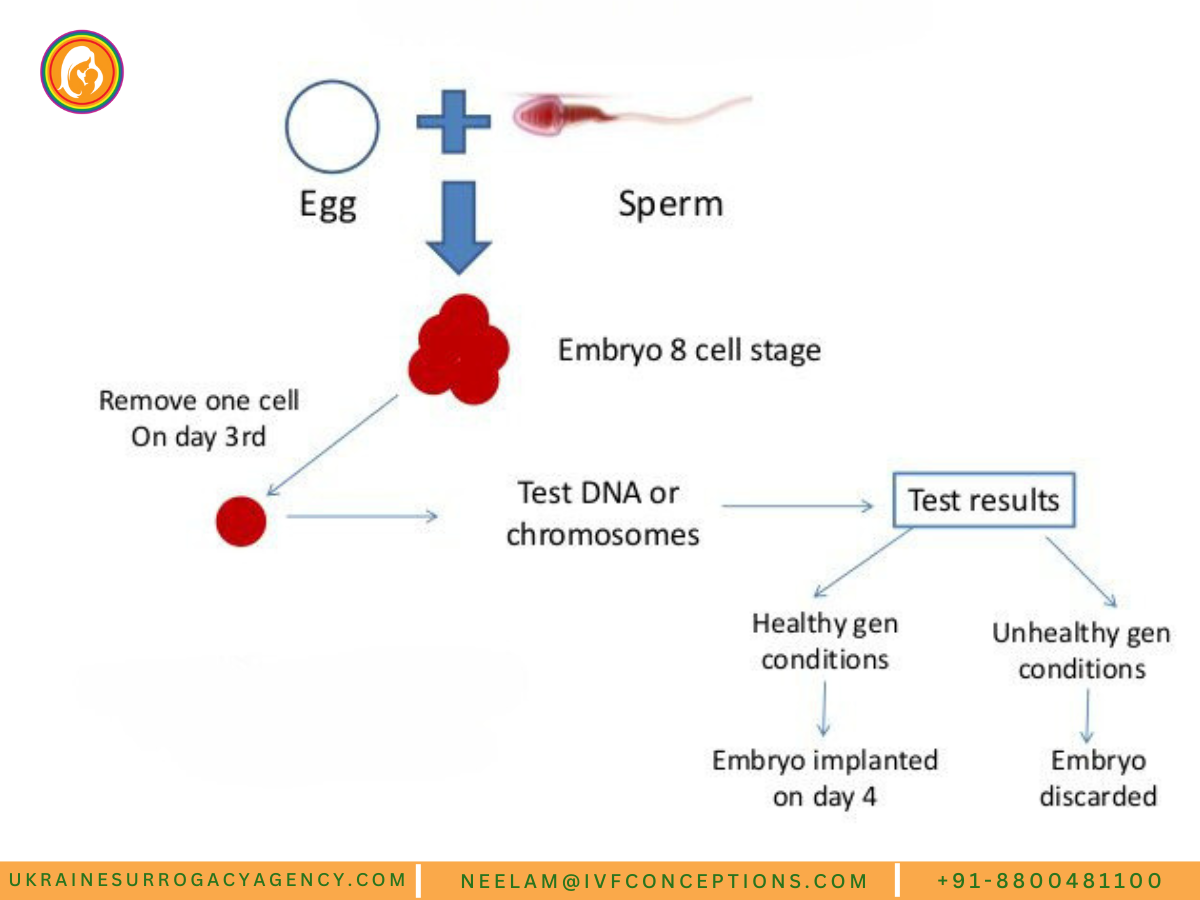
Embryo screening through PGD involves several key steps:
- Creating embryos through IVF laboratory procedures
- Extracting a few cells from each embryo
- Conducting detailed genetic analysis
- Picking healthy embryos for transfer
Common Genetic Conditions Screened
Genetic testing can find many inherited disorders, such as:
| Genetic Disorder Category | Examples of Specific Conditions |
|---|---|
| Chromosomal Abnormalities | Down Syndrome, Turner Syndrome |
| Single Gene Disorders | Cystic Fibrosis, Huntington’s Disease |
| Inherited Cancer Risks | BRCA1/BRCA2 Mutations |
Benefits of PGD Testing
The benefits of genetic screening go beyond just finding problems. PGD gives patients:
- Less chance of passing on genetic disorders
- Higher chances of successful pregnancies
- More peace of mind
- More focused fertility treatment plans
PGD combines genetic tech with reproductive medicine. It’s a forward-thinking way to create healthy families.

IVF with PGD and Surrogacy: The Complete Process
Understanding in vitro fertilization (IVF) with preimplantation genetic diagnosis (PGD) and third-party reproduction is key. This method of building a family is complex, involving both medical and emotional steps.
The journey starts with genetic screening and preparation. Intended parents team up with fertility specialists to plan their family. Important steps include:
- Genetic counseling and medical evaluations
- Egg and sperm retrieval from intended parents
- Laboratory fertilization with advanced technologies
- Preimplantation genetic diagnosis testing
- Embryo selection and preparation
Choosing a gestational carrier is a big part of this process. The surrogate goes through medical and psychological checks to ensure a healthy pregnancy.
“Successful third-party reproduction demands precision, expertise, and compassionate care.” – Reproductive Medicine Experts
The embryo transfer is a key step. It involves choosing and implanting genetically screened embryos in the surrogate’s uterus. This careful process aims for a healthy pregnancy and a successful outcome.
| Stage | Key Actions | Duration |
|---|---|---|
| Initial Consultation | Genetic screening, medical evaluation | 2-4 weeks |
| Genetic Testing | PGD screening of embryos | 1-2 weeks |
| Embryo Transfer | Implantation in a gestational carrier | 1 day |
| Pregnancy Monitoring | Regular medical checkups | 9 months |
Every family-building journey is unique. It needs personalized medical care and emotional support through the IVF and third-party reproduction process.
Who Should Consider PGD Testing with Surrogacy
Looking for ways to build a family can be tough. Preimplantation Genetic Diagnosis (PGD) with surrogacy is a strong option for those facing genetic challenges.
Deciding if PGD testing is right for you involves looking at your medical and personal situation. Experts suggest it for certain situations:
Medical Indications for PGD
PGD is very helpful for some medical reasons:
- Known inherited genetic disorders in family history
- Chromosomal translocation risks
- Multiple unexplained pregnancy losses
- Severe genetic conditions with high inheritance probabilities
Age-Related Genetic Screening Factors
Women over 35 need genetic screening more. They face higher risks of chromosomal problems. PGD is key for them.
Genetic Disorder Background Evaluation
Families with genetic disorders can greatly benefit from PGD. It helps reduce the risk of passing on genetic issues through surrogacy.
PGD testing empowers families to make informed reproductive choices, reducing genetic uncertainty.
PGD testing is a powerful tool in modern reproductive health. It offers hope and better chances of a healthy pregnancy through surrogacy.
Success Rates and Clinical Outcomes
IVF with PGD and surrogacy can help those facing tough reproductive challenges. The success of these treatments depends on several important factors. These are things that future parents need to know.
IVF with PGD success rates are influenced by a few key things:
- Age of genetic contributors
- Specific genetic conditions being screened
- Surrogate’s reproductive health
- Quality of embryos selected through PGD
Genetic screening through PGD boosts the chances of a successful pregnancy. It helps find embryos without certain genetic disorders. This way, doctors can pick the best embryos for implantation.
| Factor | Impact on Success Rates |
|---|---|
| Maternal Age Under 35 | 50-60% pregnancy success |
| Maternal Age 35-40 | 40-50% pregnancy success |
| PGD Genetic Screening | Increases success by 15-25% |
Prospective parents should talk to reproductive specialists to learn about their chances. Medical histories and genetic profiles are key in figuring out fertility treatment outcomes.
Advanced genetic screening changes reproductive possibilities, giving hope to those on complex fertility journeys.
What is the Cost of PGD and Surrogacy?
Exploring family building options can be tough, financially speaking. It’s key to know the costs of PGD and surrogacy. This helps you make smart choices about your fertility treatment.
Surrogacy costs add up to several parts that need careful planning. Here’s a look at the main expenses you’ll face on this journey.
PGD Testing Expenses
PGD testing is a big part of your fertility costs. The genetic screening can cost:
- Initial genetic screening: $3,000 – $5,000
- Comprehensive chromosomal analysis: $2,500 – $4,500
- Additional specialized genetic testing: $1,500 – $3,000
Surrogacy Program Fees
Surrogacy program fees cover important services for a smooth process. These include:
- Surrogate compensation: $13,000 – $25,000
- Agency management fees: $20,000 – $35,000
- Legal documentation and support: $7,500 – $15,000
Additional Medical Costs
There are extra medical costs to consider:
- IVF procedure: $12,000 – $20,000
- Prenatal care for surrogate: $5,000 – $10,000
- Delivery and hospital expenses: $15,000 – $25,000
Pro tip: Always talk to a reproductive specialist for a cost estimate that fits your needs.
Conclusion
Starting a journey with IVF with PGD and surrogacy is a big and personal choice. Today, we have advanced ways to help people build families, even when faced with genetic challenges. Knowing about genetic screening helps families make better choices.
PGD genetic testing is a key tool for avoiding genetic disorders. It lets parents understand their chances of having a healthy baby. This way, they can start surrogacy with more confidence and care.
At IVF Conceptions, we help connect intended parent to fertility clinics/surrogacy agencies worldwide, based on their individual situation assessment. If you’re considering IVF, IVF with egg donor, Surrogacy, Egg donor surrogacy, and LGBT+ Surrogacy.
Get in touch today to get world-class services with ethical, legal, and affordable surrogacy options worldwide.
📞 Get in Touch for a Free Surrogacy Consultation
📱 +91-8800481100 (WhatsApp | LINE | Viber)
📧 neelam@ivfconceptions.com
🌐 www.ukrainesurrogacyagency.com
FAQs for IVF with PDG and Surrogacy
What is Preimplantation Genetic Diagnosis (PGD)?
How does PGD work with surrogacy?
Who should consider PGD with surrogacy?
What genetic conditions can PGD screen for?
What are the success rates of PGD with surrogacy?
How much does PGD with surrogacy cost?
Are there legal considerations with PGD and surrogacy?
What are the ethical implications of PGD?
How long does the entire PGD with surrogacy process take?
- American Society for Reproductive Medicine (ASRM): https://www.asrm.org/
- The American Infertility Association (AIA): https://resolve.org/

I am Neelam Chhagani, CEO and International Patient Follow-up Manager, representing IVF Conceptions. I work as a surrogacy consultant and assist and guide the Intended Parents to become parents via surrogacy, globally.
Read more about me:
https://www.linkedin.com/in/neelam-chhagani-92892229
https://www.ivfconceptions.com/neelam-chhagani-surrogacy-consultant
It will be my great pleasure to assist you.
Add Your Comment