

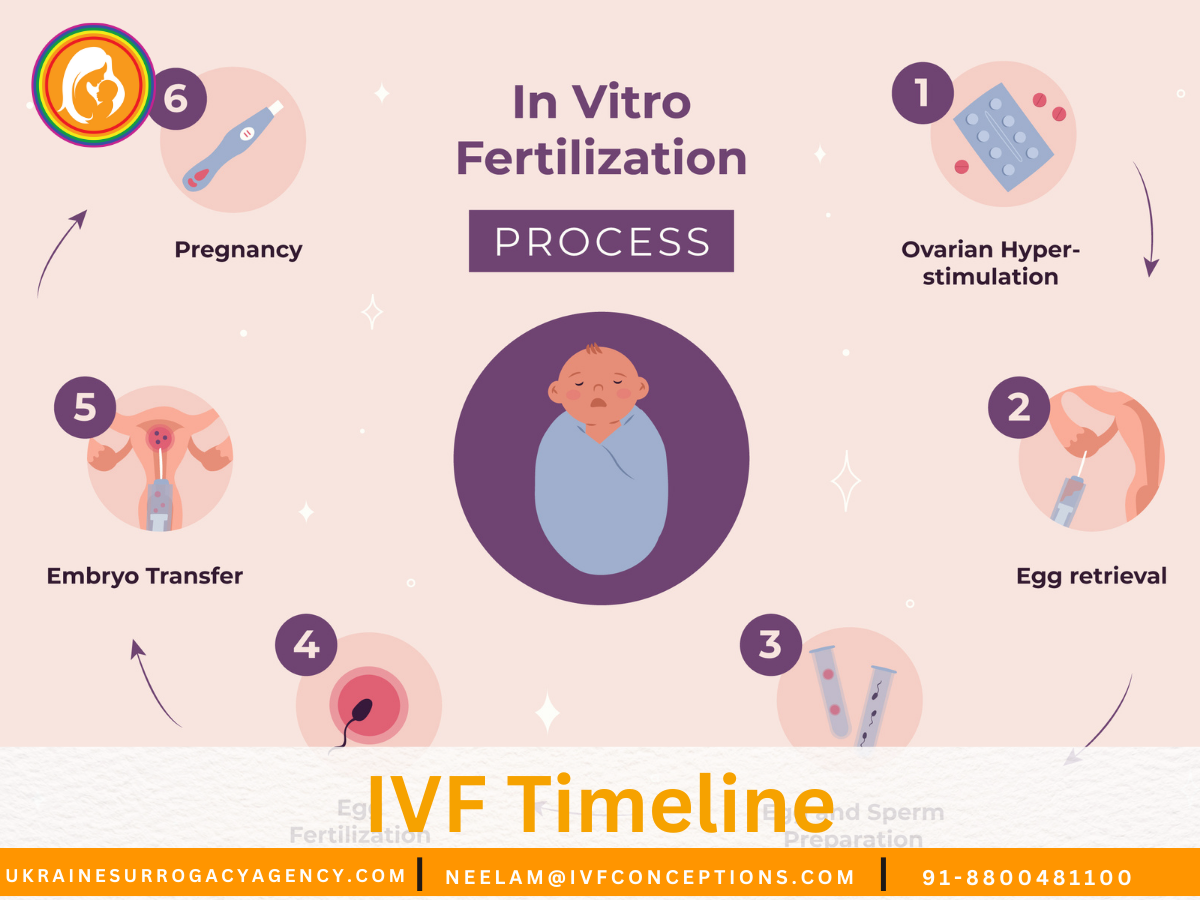
Starting your journey with fertility treatments can be daunting. But knowing the IVF timeline can make it easier. The whole IVF process usually takes about 4 to 6 weeks. Yet, every person’s experience is different.
Fertility experts know that each IVF journey is special. Thanks to modern medicine, there are now many ways to help people build their families.
Understanding the IVF process is key. It involves many steps, from the first meeting with a doctor to the embryo transfer. Knowing each part helps patients feel more in control.
The IVF process from stimulation to egg retrieval typically takes 10 to 14 days, depending on individual response to medications. It begins with baseline hormone testing and ultrasound, followed by 8–12 days of daily hormone injections to stimulate the ovaries. During this time, the patient attends several monitoring visits to track follicle growth. Once the follicles reach maturity, a trigger shot is administered, and egg retrieval is scheduled 34–36 hours later. This timeline may vary slightly based on age, hormone levels, and clinic protocol, but it represents a typical IVF stimulation cycle.
🗓️ IVF Timeline: From Stimulation to Egg Retrieval
| Stage | Timeline (Days) | What Happens |
|---|---|---|
| Day 1–2: Baseline Testing | 1–2 days | Blood tests and transvaginal ultrasound to confirm ovaries are at rest |
| Day 3–12: Ovarian Stimulation | 8–12 days | Hormonal injections to stimulate multiple follicles to grow |
| Day 5–12: Monitoring Visits | Every 2–3 days | Ultrasound and bloodwork to adjust medication dosage as needed |
| Final Day of Stimulation | Trigger shot (Day 12–13) | hCG or Lupron shot given to mature eggs for retrieval within ~36 hours |
| Egg Retrieval | 34–36 hours post-trigger | Minor surgical procedure to collect mature eggs from the ovaries |
Key Takeaways
- IVF typically takes 4-6 weeks from start to possible embryo transfer
- Each IVF journey is unique and personal
- Getting a full medical check-up is important for success
- Being emotionally ready is just as vital as being medically prepared
- Today’s reproductive technology offers many new ways to help families grow
📞 Get in Touch for a Free Surrogacy Consultation
📱 +91-8800481100 (WhatsApp | LINE | Viber)
📧 neelam@ivfconceptions.com
🌐 www.ukrainesurrogacyagency.com
Understanding the Initial Steps of IVF Treatment
Starting your journey with IVF can feel scary, but knowing the first steps helps. You’ll begin at a fertility clinic where you get personal care and top-notch medical help.
The first part of your treatment includes key steps. These are designed to make a plan just for you.
Initial Consultation and Testing Requirements
At your first meeting, doctors will really get to know you. They’ll do a lot of tests to understand your situation.
- Detailed medical history review
- Comprehensive hormone panel screening
- Genetic compatibility testing
- Reproductive health assessment
Pre-IVF Medical Evaluations
Medical checks are vital to determine the best treatment for you. You can expect a few important tests.
- Comprehensive blood work analysis
- Transvaginal ultrasound examination
- Semen analysis for male partners
- Ovarian reserve testing
Creating Your Personalized Treatment Plan
Your clinic will use all the info to make a customized IVF protocol. This plan is made just for you to increase your chances of success.
Every fertility journey is unique, and your treatment plan reflects the detailed specifics of your reproductive health.
The whole initial process usually takes 3-4 weeks. It gives your medical team all they need to guide you through your fertility treatment.
IVF Timeline: From Stimulation to Egg Retrieval
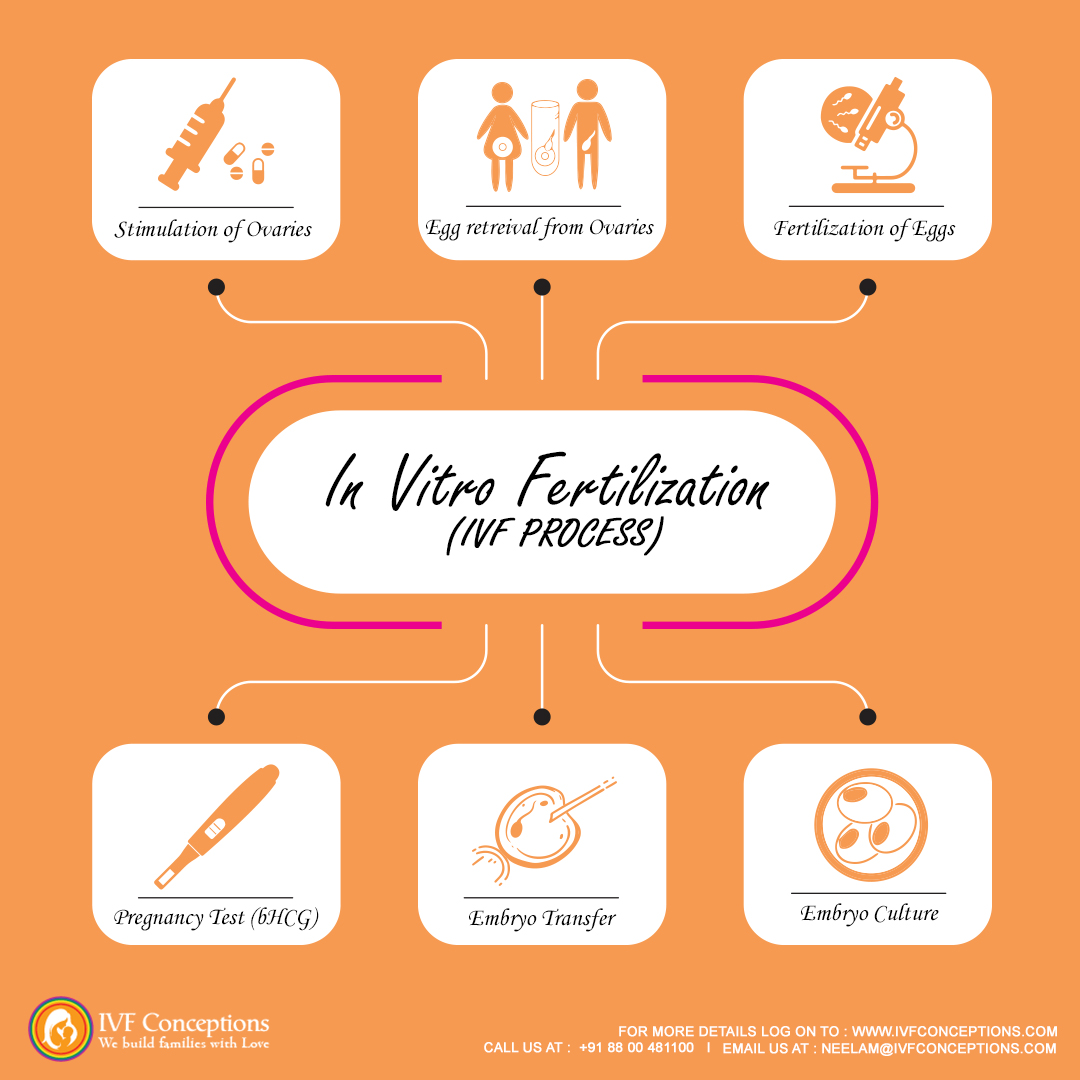
The journey of ovarian stimulation is a key part of IVF. Fertility experts create a special plan for fertility drugs. This plan aims to get more eggs and boost the chances of pregnancy.
Ovarian stimulation lasts 10-14 days. During this time, patients get special IVF medications. These help grow more eggs.
These medications include:
- Follicle-stimulating hormone (FSH) injections
- Luteinizing hormone (LH) medications
- Gonadotropin-releasing hormone (GnRH) antagonists
Patients have blood tests and ultrasound checks often. This tracking helps eggs grow right and find the best time for egg retrieval.
“The success of IVF largely depends on the careful management of ovarian stimulation and precise medication protocols.” – Reproductive Endocrinology Expert
The egg retrieval is a key moment in IVF. It’s a quick, 20-minute procedure done under light anesthesia. Doctors use an ultrasound to get eggs from the ovaries.
Patients might feel a bit of discomfort, but usually go home the same day. Knowing what to expect can make the process less scary and more positive.
Fertilization and Embryo Development Process
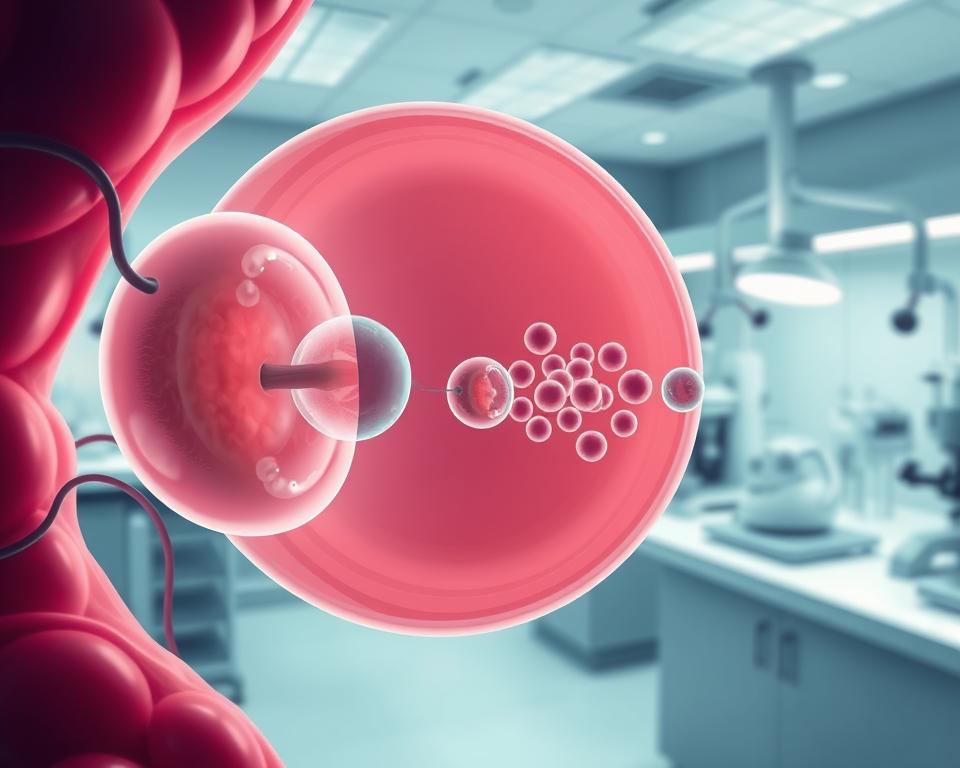
The in vitro fertilization process is very important. It happens during fertilization and embryo development. This process turns eggs and sperm into embryos in a lab. It needs a lot of skill and care.
Laboratory Fertilization Methods
There are two main ways to fertilize in IVF:
- Conventional Insemination: Sperm is placed near the egg for natural fertilization
- Intracytoplasmic Sperm Injection (ICSI): A single sperm is injected into the egg
Experts choose the best method based on sperm and egg quality, and past fertility issues.
Embryo Culture and Development Stages
Embryos grow in a special lab. This process takes about 5-6 days. During this time, scientists watch the embryos closely.
| Development Stage | Timeframe | Key Characteristics |
|---|---|---|
| Fertilization Check | Day 1 | Verify successful sperm penetration |
| Cell Division | Days 2-3 | Monitor embryo cell multiplication |
| Blastocyst Formation | Days 5-6 | Advanced embryo with distinct cell groups |
Genetic Testing Options and Timeline
Genetic testing gives more information on embryo health. It can find genetic problems early. This might make the IVF process longer by 4-6 weeks.
- Preimplantation Genetic Testing for Aneuploidy (PGT-A)
- Preimplantation Genetic Testing for Monogenic Disorders (PGT-M)
These tests help pick the best embryos for transfer. This increases the chance of a successful pregnancy.
Embryo Transfer and Two-Week Wait
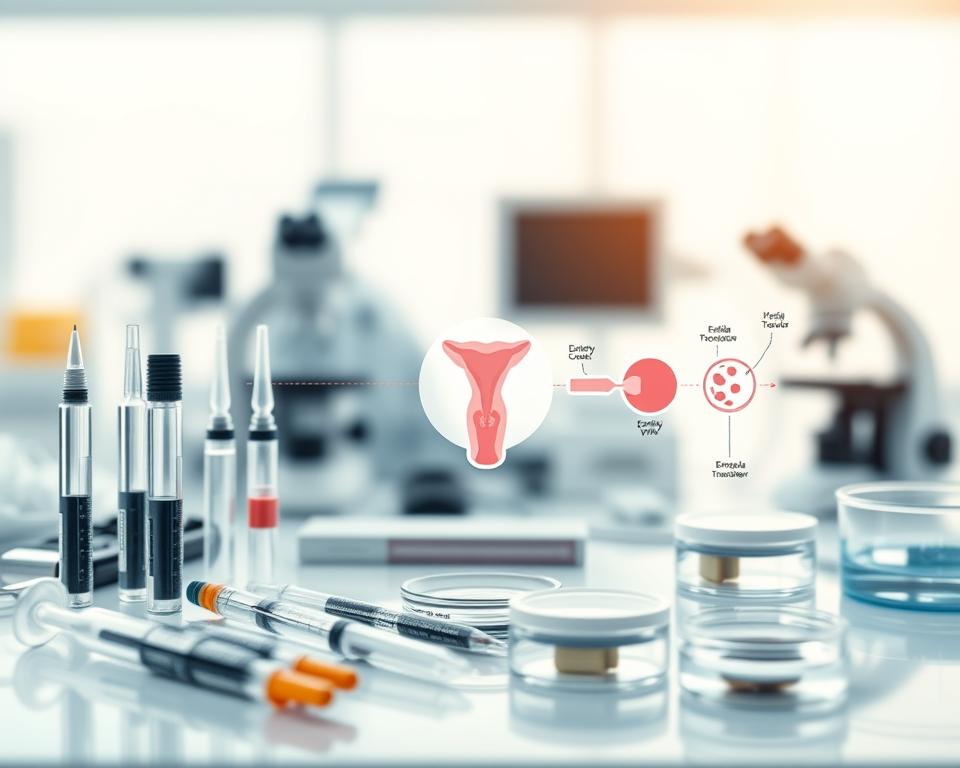 The embryo transfer is a key step in IVF. It usually takes 10-15 minutes and could start a pregnancy. Your doctor picks the best embryos for the transfer.
The process is simple and not very painful. Your doctor will talk about which embryos to use. They look at quality and how developed they are.
- Fresh embryo transfer happens right after egg retrieval
- Frozen embryo transfer lets you choose when
- Depending on your situation, one or more embryos might be used
The two-week wait starts after the transfer. It’s a tough time, but you can get through it. Keep an eye out for any side effects and talk to your doctor.
| Post-Transfer Recommendations | Actions to Take |
|---|---|
| Rest | Do light activities, don’t do hard exercise |
| Medication | Keep taking the hormones your doctor prescribed |
| Stress Management | Try to relax and manage stress |
“The two-week wait is a time of hope and anticipation. Stay positive and trust your medical team.” – Fertility Specialist
Don’t take pregnancy tests at home during this time. Your clinic will do a blood test to confirm pregnancy. This test is the most accurate.
Remember, every IVF journey is different, and experiences can vary.
Additional Resources to read:
IVF Egg Donor Costs in Thailand
Cost of IVF with Egg Donor in Ukraine
IVF Success Rates: Maximizing Your Chances
Conclusion
The journey of in vitro fertilization (IVF) is complex and requires patience and resilience. Success rates vary based on age, health, and the clinic’s expertise. Knowing these factors helps set realistic goals for fertility treatment.
It’s important to understand that it might take more than one IVF cycle to get pregnant. Planning your finances is key, as IVF can be expensive. Look for fertility clinics that are open about costs and offer payment plans.
Every person’s path to parenthood through IVF is unique. It’s just as important to have emotional support as it is to have medical care. Working with fertility specialists who understand the challenges can greatly help.
To successfully navigate IVF, you need a complete approach. Research, talking openly with doctors, and taking care of yourself are vital. We suggest talking to a reproductive endocrinologist to create a personalized fertility plan.
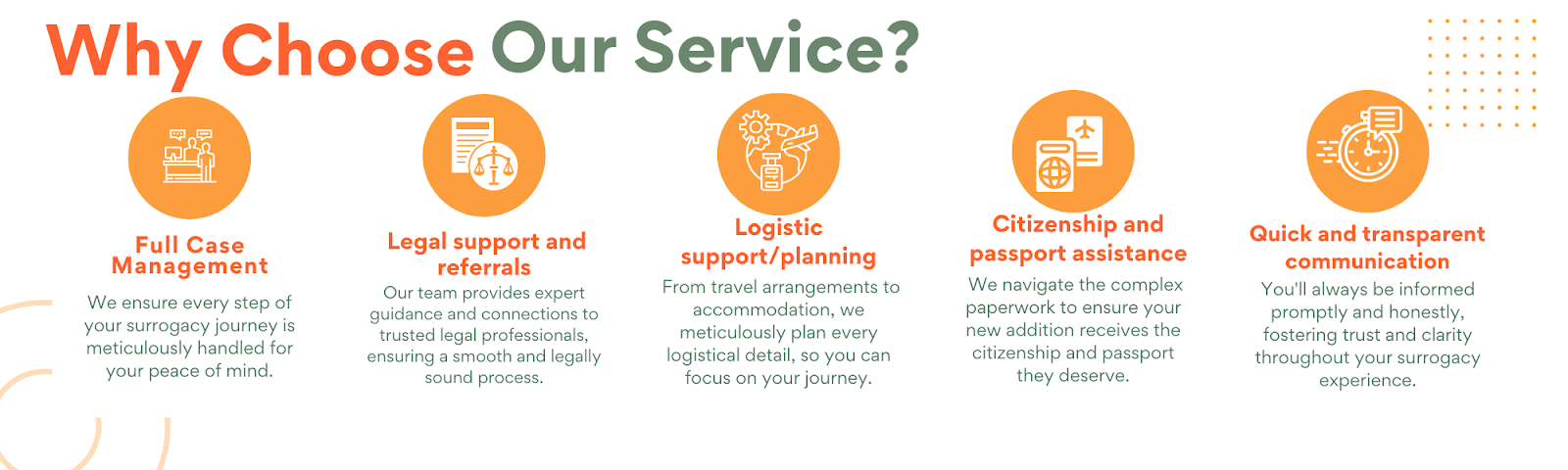
💫 Why Intended Parents Choose Complete Surrogacy for a Safe, Smooth & Successful Surrogacy Journey:
🌍 Access to multiple surrogacy destinations with 15+ years of international experience
🏥 Partnerships with top-tier fertility clinics and agencies, backed by references from past clients
👩🦱 Diverse egg donor options: Asian, Caucasian, African, Oriental, and more
💸 Transparent and affordable pricing—direct payments with no extra agency fees
🔒 No hidden costs—all charges are agreed upon upfront
🤝 Dedicated case manager for personalized support
📲 Fast, honest, and clear communication throughout
📑 Full legal support for visas, documentation, and baby exit processes
🚚 Assistance with frozen sperm/embryo shipment logistics
FAQs for IVF Timeline- step by step
How long does a typical IVF cycle take from start to finish?
A typical IVF cycle lasts about 4-6 weeks. It starts with the first consultation and ends with the pregnancy test. The process includes ovarian stimulation, egg retrieval, fertilization, and embryo transfer. After the transfer, there’s a two-week wait for the pregnancy test.
What are the main steps in the IVF process?
The main steps are: 1) Initial consultation and medical evaluations, 2) Ovarian stimulation with fertility medications, 3) Egg retrieval, 4) Fertilization in the laboratory, 5) Embryo development and genetic testing, 6) Embryo transfer, and 7) Pregnancy test and follow-up monitoring.
How painful is the IVF process?
Discomfort levels vary, but most patients feel mild to moderate pain. Hormone injections can cause some pain and mood changes. The egg retrieval procedure is done under sedation, with some cramping afterward. Embryo transfer is usually mild, like a pap smear. Your medical team can help manage any discomfort.
What are the success rates for IVF?
Success rates vary based on age, fertility issues, and health. Women under 35 have a 40-50% live birth rate per cycle. Rates decrease with age. Multiple cycles may be needed, and success rates improve with more attempts and personalized plans.
How much does IVF typically cost?
IVF costs range from $12,000 to $25,000 per cycle in the U.S. This includes medications, procedures, and monitoring. Some insurance plans cover part of it, and clinics offer financing. Additional costs may include genetic testing and multiple cycles.
What medications are used during the IVF process?
Common IVF medications include: – Ovarian stimulation hormones (FSH, LH) – Gonadotropin-releasing hormone (GnRH) agonists or antagonists – Trigger medications for final egg maturation – Progesterone supplements for luteal phase support – Medications to prevent premature ovulation
What are the possible side effects of IVF treatments?
Possible side effects include: – Mood swings – Bloating and discomfort – Hot flashes – Headaches – Ovarian hyperstimulation syndrome (OHSS) – Injection site reactions – Emotional stress Your fertility specialist can help manage and mitigate these side effects.
Can I work during the IVF process?
Most patients can work during IVF with some adjustments. You may need time off for monitoring appointments and procedures. The ovarian stimulation and egg retrieval phases might require more flexible scheduling. Many patients continue their normal work routine with minor adjustments for medical appointments.
What lifestyle changes are recommended during IVF?
Recommended lifestyle changes include: – Maintaining a healthy diet – Avoiding alcohol and tobacco – Limiting caffeine – Managing stress – Getting moderate exercise – Taking prescribed supplements – Getting adequate sleep – Avoiding extreme temperatures
How many embryos are typically transferred?
Most clinics now recommend single embryo transfer (SET) to reduce risks. The number depends on embryo quality, patient age, and previous fertility history. Your reproductive endocrinologist will provide personalized recommendations based on your specific circumstances.
- https://en.wikipedia.org/wiki/Surrogacy_laws_by_country
- https://en.wikipedia.org/wiki/Third-party_reproduction

Highly esteemed, authoritative, and trusted professional with a 14-year of experience in international surrogacy. Advocate for Secure, Legal, and Affordable International Surrogacy.
Neelam Chhagani, MA (Counselling Psychology) and Holistic Infertility and Third-Party Reproduction Consultant.
Member of European Fertility Society, Best Surrogacy Blogger of 2020, with 300 dedicated blogs, and top contributor on Quora for Surrogacy.
Add Your Comment