

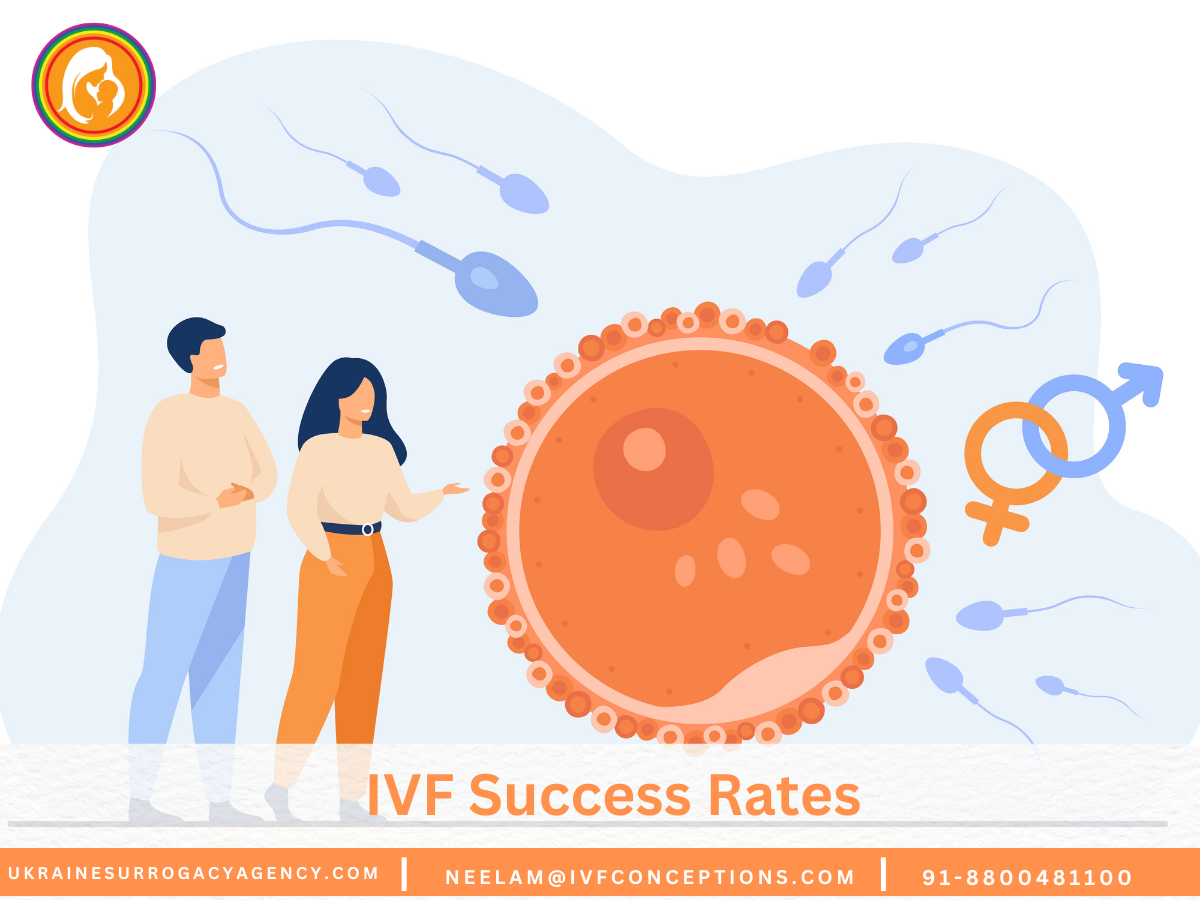
About 1.7% of births in the U.S. come from Assisted Reproductive Technology (ART). This shows how important it is to know about IVF success rates. For those facing fertility issues, these numbers mean hope and a chance for a family.
IVF success rates change a lot based on age, health history, and fertility issues. Our 15+ years in international surrogacy show how complex fertility treatments are. We know the strategies that can help increase chances of pregnancy.
To understand IVF pregnancy rates, you need a detailed approach. Potential parents must grasp the many factors that affect success. Each journey is different, needing tailored advice and planning.
Key Takeaways
- IVF success rates are influenced by multiple complex factors
- Age plays a significant role in fertility treatment outcomes
- Personalized medical strategies can improve IVF pregnancy rates
- Comprehensive understanding of in vitro fertilization statistics is crucial
- Emotional and physical preparation can impact treatment success
📞 Get in Touch for a Free Surrogacy Consultation
📱 +91-8800481100 (WhatsApp | LINE | Viber)
📧 neelam@ivfconceptions.com
🌐 www.ukrainesurrogacyagency.com
Understanding In Vitro Fertilization and Success Factors
In vitro fertilization (IVF) is a complex fertility treatment. It helps people and couples who face reproductive challenges. The process uses advanced medical techniques to improve fertility treatment outcomes.
Success in IVF depends on many factors working together. These factors help create the best chance for pregnancy. People thinking about IVF should know what affects their chances.
What Determines IVF Outcomes
Several key elements affect IVF success rates:
- Egg and sperm quality
- Genetic health of reproductive cells
- Patient’s overall reproductive health
- Underlying medical conditions
Key Success Indicators in IVF Treatment
To improve IVF outcomes, a detailed approach is needed. Doctors look at many important signs to predict success:
- Hormonal balance
- Embryo development potential
- Uterine receptivity
- Genetic screening results
The Role of Age in Fertility Treatment
Age is the biggest factor in fertility treatment success. Women under 35 usually have better IVF success rates. Doctors carefully check age-related fertility to create the best treatment plans.
Understanding your unique reproductive health is crucial in navigating IVF treatment successfully.
Every patient’s journey is different. Personal factors greatly affect the chance of pregnancy success. Talking to experienced reproductive specialists can help tailor treatment plans for better results.
Choosing the Right Fertility Clinic for Your Journey
Finding the right fertility clinic is key to your IVF journey. The clinic you choose can greatly affect your chances of success. It’s important to do your research and make a thoughtful decision.
When looking at ivf clinics, keep these points in mind:
- Comprehensive fertility clinic success metrics
- Board-certified reproductive specialists
- Advanced laboratory technologies
- Personalized treatment approaches
Success rates in ivf clinics are more than just numbers. Look beyond raw numbers and see how the clinic handles different fertility issues.
Here are some ways to evaluate clinics:
- Review the published success rate documentation
- Verify physician credentials
- Examine patient testimonials
- Schedule comprehensive consultations
A reputable fertility clinic combines technical expertise with compassionate patient care.
Your ideal clinic should be open and honest, use the latest technology, and support you emotionally and medically.
IVF Success Rates: Current Statistics and Trends
Understanding IVF success rates is key for those thinking about IVF. The path to becoming parents involves looking at detailed stats. These stats offer insights into what might happen.
Experts and researchers keep a close eye on IVF live birth rates. They want to help patients make smart choices. Recent data shows interesting trends in IVF pregnancy rates. These trends help set realistic hopes and plan treatments.
Global Success Rate Statistics
IVF success rates vary worldwide. Different places and healthcare systems have different results. Here are some key points:
- European countries see pregnancy rates from 25% to 35%
- The United States has competitive success rates in ART
- Richer countries usually have higher IVF success rates
CDC Data and National Averages
The Centers for Disease Control and Prevention (CDC) tracks IVF outcomes. Their yearly reports give deep insights into fertility trends across the country.
The CDC’s data breaks down important stats, like:
- Live birth rates per embryo transfer
- Pregnancy success by age group
- Differences in success rates among clinics
Age-Related Success Metrics
Age is a big factor in IVF success. Younger patients usually have higher live birth rates. Success rates change a lot with age:
- Under 35: Success rates are about 40-50%
- 35-37: Success rates are around 30-35%
- 38-40: Success rates drop to 20-25%
- Over 40: Success rates fall below 10%
These stats are just guidelines. Remember, your own experience can differ a lot. It depends on your health and medical situation.
Lifestyle Modifications to Enhance IVF Success

Improving your chances of IVF success means taking care of your overall health. People trying fertility treatments can boost their chances by making smart lifestyle changes.
Being at a healthy weight is key for IVF success. A good weight helps your body work better and increases your chances of getting pregnant.
- Achieve a balanced Body Mass Index (BMI) between 18.5 and 24.9
- Engage in moderate, fertility-friendly exercise routines
- Prioritize nutrient-rich dietary choices
Nutrition is very important for fertility. Eating like you do on the Mediterranean diet can help a lot with your reproductive health.
Managing stress is crucial when you’re trying to get pregnant. Using stress-reducing methods can help your reproductive health:
- Practice regular meditation
- Explore gentle yoga practices
- Seek professional counseling support
Staying away from harmful things is also important. Quitting smoking, drinking less, and avoiding toxins can really help your treatment succeed.
Your commitment to holistic wellness can dramatically influence your fertility journey.
Nutritional Guidelines and Dietary Recommendations
Nutrition is key in fertility treatment and IVF. Your diet affects embryo quality and reproductive health. Knowing the right nutrition boosts your chances of success.
Good nutrition is a strong ally in your IVF journey. Experts suggest several dietary strategies to improve fertility and prepare your body.
Essential Nutrients for Fertility
Some nutrients are vital for reproductive health:
- Folic acid: Supports reproductive cell development
- Omega-3 fatty acids: Improves egg and sperm quality
- Antioxidants: Protects reproductive cells from damage
- Vitamin D: Supports hormone balance
Foods to Avoid During Treatment
Some foods can harm fertility treatment outcomes:
- High-mercury fish
- Unpasteurized dairy products
- Excessive caffeine
- Processed foods with artificial additives
Supplement Recommendations
Selected supplements can boost embryo quality and fertility. Always consult with your healthcare provider before starting any new supplement regimen. Recommended supplements include:
- Prenatal vitamins
- CoQ10
- Zinc
- Selenium
The Mediterranean Diet has shown promising results in improving clinical outcomes for fertility treatment, emphasizing fresh vegetables, fruits, whole grains, and lean proteins.
Following these nutritional guidelines can improve your IVF success rates. Remember, everyone’s needs are different. Getting personalized advice from a fertility specialist is essential.
Medical Protocols and Treatment Adherence

Understanding in vitro fertilization (ivf) requires strict adherence to medical protocols. Your success in ivf treatment depends on following the exact medication schedules and medical advice.
Managing medications is key to success in infertility treatments. Patients need a strategic plan to achieve the best results.
- Set multiple medication reminders using smartphone apps
- Create a dedicated medication tracking calendar
- Organize medications in labeled containers
- Schedule regular check-ins with your fertility specialist
Precision is paramount in IVF treatment. Each medication has a specific role in preparing your body for embryo transfer. Knowing the purpose of each medication can keep you motivated during treatment.
“Successful IVF treatment is a partnership between patient dedication and medical expertise” – Fertility Specialists Network
Your medical team will give you detailed instructions for hormone injections, oral medications, and supplements. Pay attention to:
- Exact dosage requirements
- Precise administration times
- Potential side effect monitoring
- Immediate reporting of unusual symptoms
Keeping open communication with your healthcare providers is crucial. It ensures any needed treatment changes can be made quickly, boosting your chances of success.
Additional resources to read:
Conclusion
Understanding assisted reproductive technology success is key. It’s important for those looking into fertility treatments. Every journey is different, with many factors affecting the outcome.
IVF costs and treatment plans vary a lot. But knowing this helps patients make better choices. At ELITE IVF, we blend science with care. We see fertility treatments as a chance for hope and family growth.
To increase your chances of success, consider a few things. Choose the right fertility clinic and stay healthy. Emotional well-being and working with experts are also crucial. We tailor our approach to your needs, taking into account your health, lifestyle, and personal goals.
💫 Why Intended Parents Choose Complete Surrogacy for a Safe, Smooth & Successful Surrogacy Journey:
🌍 Access to multiple surrogacy destinations with 15+ years of international experience
🏥 Partnerships with top-tier fertility clinics and agencies, backed by references from past clients
👩🦱 Diverse egg donor options: Asian, Caucasian, African, Oriental, and more
💸 Transparent and affordable pricing—direct payments with no extra agency fees
🔒 No hidden costs—all charges are agreed upon upfront
🤝 Dedicated case manager for personalized support
📲 Fast, honest, and clear communication throughout
📑 Full legal support for visas, documentation, and baby exit processes
🚚 Assistance with frozen sperm/embryo shipment logistics

FAQs for IVF success rate
What are the primary factors affecting IVF success rates?
Several factors can affect IVF success. These include the patient’s age, the quality of eggs and sperm, and the health of the uterus. Also, how well the embryo develops and any fertility issues are important. The techniques used by the fertility clinic play a role too.
How do success rates vary by age?
Success rates in IVF change with age. Women under 35 usually have the best chances, with about 40-50% success per cycle. From 35-37, success rates drop to 30-35%.
What can I do to improve my chances of IVF success?
To boost your chances in IVF, try these tips. Keep a healthy weight and eat well, like a Mediterranean diet. Manage stress with meditation or yoga.
How important is choosing the right fertility clinic?
Choosing the right fertility clinic is key. Look for clinics with: – High success rates – Experienced teams – Advanced labs – Specialized care for your issues – Good patient support and clear communication
What lifestyle changes can positively impact IVF success?
Making healthy lifestyle changes can help. Keep a healthy BMI and eat well. Exercise moderately and manage stress.
How do nutritional supplements affect IVF outcomes?
Some supplements might help with IVF success. Folic acid, omega-3s, vitamin D, CoQ10, and antioxidants are often recommended. But always talk to your doctor before starting any supplements during treatment.
What emotional challenges can I expect during IVF treatment?
IVF can be emotionally tough. It might cause stress, mood swings, and strain on relationships. You might feel uncertain too.
How accurate are published IVF success rates?
Published success rates are helpful but not always exact. They can change based on many factors. These include the patients, their fertility issues, and how clinics report their success.
What medical protocols are most critical during IVF?
Following certain medical protocols is crucial in IVF. This includes taking medications as directed, getting regular check-ups, and following a healthy diet and lifestyle.
How can stress impact IVF treatment?
Stress can harm IVF success. It can mess with hormone levels, lower implantation rates, and increase inflammation. It can also affect your reproductive health.

Highly esteemed, authoritative, and trusted professional with a 14-year of experience in international surrogacy. Advocate for Secure, Legal, and Affordable International Surrogacy.
Neelam Chhagani, MA (Counselling Psychology) and Holistic Infertility and Third-Party Reproduction Consultant.
Member of European Fertility Society, Best Surrogacy Blogger of 2020, with 300 dedicated blogs, and top contributor on Quora for Surrogacy.
Add Your Comment