


The main difference between independent surrogacy cost vs agency surrogate cost is that the former is less costly, as no agency help is involved to find a surrogate and manage the surrogate. What if choosing between independent and agency-assisted surrogacy could save you thousands, or shape your entire parenting journey? The path to building a family through surrogacy involves critical financial decisions, and understanding the differences between these two approaches is the first step.
Independent arrangements involve working directly with a surrogate, often with lower upfront fees. Surrogacy Agency-guided processes, however, provide structured support (legal, medical, and emotional) but come with higher service charges. Costs vary widely, with U.S. expenses averaging $100,000-$150,000 compared to lower international options, though savings may involve ethical or logistical trade-offs.
When exploring surrogacy, one of the first financial decisions intended parents face is whether to pursue an independent surrogacy arrangement or work with a full-service surrogacy agency. Both paths come with different price points, responsibilities, and risk levels.
This article compares independent surrogate cost vs agency surrogate cost, outlines the differences, and helps you understand which route fits your budget and risk tolerance best. For intended parents, this choice impacts budgets, timelines, and peace of mind. This guide breaks down agency fees, legal requirements, compensation norms, and medical expenses. You’ll learn how regional policies affect pricing and why thorough planning prevents unexpected hurdles.
Key Takeaways
- Independent surrogacy often reduces initial fees but requires more personal coordination.
- Agency services add 20-30% to total costs but streamline complex processes.
- U.S. surrogacy expenses are typically double those in countries like Mexico or Colombia.
- Legal fees and medical screenings account for 15-25% of total budgets.
- Financial planning tools can help compare the long-term affordability of each option.
📞 Get in Touch for a Free Surrogacy Consultation
📱 +91-8800481100 (WhatsApp | LINE | Viber)
📧 neelam@ivfconceptions.com
🌐 www.ukrainesurrogacyagency.com
Independent Surrogate Cost vs Agency Surrogate Cost: A Detailed Comparison

Navigating surrogacy options demands balancing financial investment with personalized support. While agencies streamline complex steps, managing the journey yourself could unlock savings—but not without trade-offs. Let’s explore how structured guidance stacks up against hands-on approaches.
Understanding Agency Support and Associated Premiums
Surrogacy agencies act as full-service partners, handling tasks like matching, legal coordination, and medical screenings. Their teams pre-screen carriers, negotiate contracts, and troubleshoot issues—services reflected in fees averaging $25,000–$35,000. This premium covers expertise that minimizes legal risks and emotional strain.
One parent shared: “Our agency’s crisis management during a medical complication saved us $12,000 in unexpected costs.” Such interventions highlight the value of professional oversight, particularly for first-time intended parents.
Potential Savings When Going Independent
Choosing a path without agency involvement often reduces upfront fees by 15–25%. However, you’ll assume responsibilities like:
- Vetting potential carriers through personal networks or forums
- Coordinating legal counsel independently
- Managing escrow accounts and payment schedules
While this route offers significant financial flexibility, it increases exposure to risks like mismatched expectations or uninsured medical events. Budgeting for contingency funds becomes critical when self-managing timelines and relationships.
What’s the Difference?
| Factor | Independent Surrogacy | Agency Surrogacy |
|---|---|---|
| Matchmaking | Handled by you via forums, social media, or referrals | Handled by agency with pre-screened surrogates |
| Legal Support | Must hire your own legal team | Included in agency package |
| Medical Coordination | Self-coordinated with clinic | Managed by agency |
| Screening & Background Check | Must be arranged separately | Done by the agency |
| Cost | Lower upfront cost | Higher total cost |
| Risk | Higher due to a lack of professional oversight | Lower with structured oversight |
Detailed Breakdown: Surrogate Compensation and Benefits
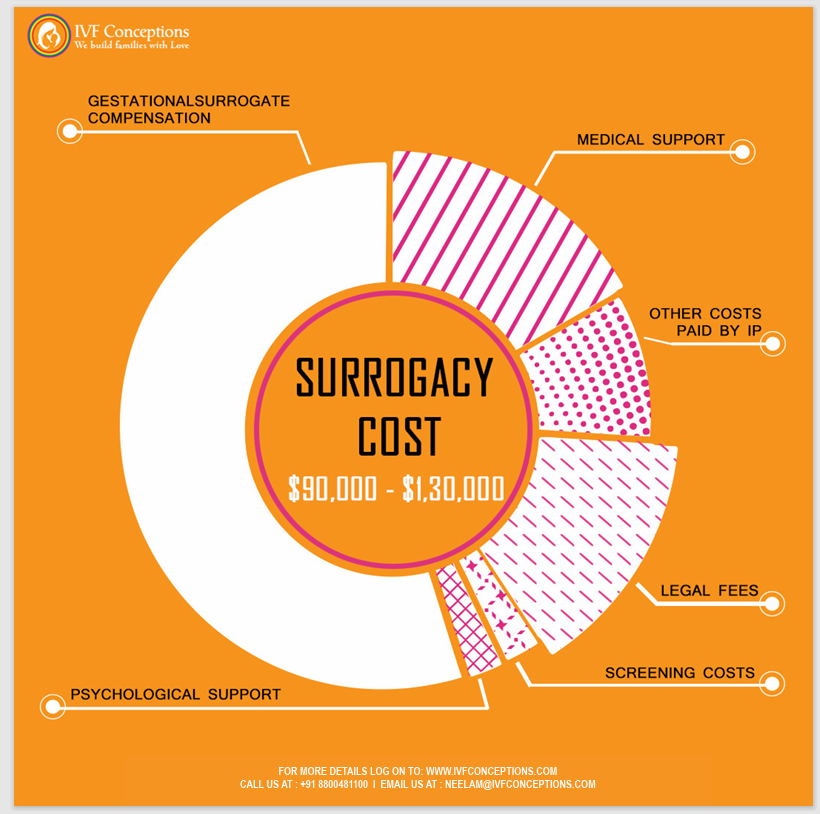
Surrogate compensation forms the cornerstone of most surrogacy budgets, reflecting both financial planning and ethical recognition of the carrier’s role. Clear agreements ensure fairness while building trust between parties.
Base Compensation Ranges
U.S. surrogates typically receive $45,000–$75,000 base pay, influenced by experience and location. First-time carriers often start at $40,000, while those with proven pregnancies may earn $60,000+. States like California and Texas often see higher averages due to demand.
Additional Benefits and Incentives
Most programs include monthly allowances ($200–$500) for maternity wear, travel reimbursements, and coverage for lost wages. Multiples often trigger bonuses—$5,000–$10,000 for twins. One surrogate noted: “The childcare stipend during appointments made balancing family life possible.”
Contracts formalize these terms, detailing payment schedules and contingencies. Legal advisors recommend allocating 10–15% of total compensation for unexpected scenarios like bed rest or medical complications.
Ongoing support—including counseling and medical check-ins—helps maintain well-being throughout the process. Agencies often bundle these services, while independent arrangements require intentional coordination.
Cost Comparison Table
| Expense Category | Independent Surrogacy (USD) | Agency Surrogacy (USD) |
|---|---|---|
| Surrogate Compensation | $35,000 – $50,000 | $35,000 – $50,000 |
| Legal Fees | $5,000 – $10,000 | Included or $10,000 |
| Screening & Psych Evaluation | $2,000 – $3,000 | Included |
| Agency Fee | N/A | $20,000 – $40,000 |
| Case Management | Self-managed | Included |
| Total Estimated Cost | $45,000 – $70,000 | $90,000 – $130,000 |
Note: IVF and medical costs are usually similar in both cases and are not included in this table.
Independent Surrogacy: Pros & Cons
✅ Pros
- Lower overall cost
- More personal relationship with the surrogate
- Flexibility in contracts and arrangements
❌ Cons
- Requires heavy involvement and time
- You must manage legal, medical, and screening tasks
- Higher risk of emotional or legal conflicts
Agency Surrogacy: Pros & Cons
✅ Pros
- Turnkey experience — all services under one roof
- Professional surrogate screening
- Includes case coordination, escrow management, and counseling
- Legal paperwork and parental rights handled properly
❌ Cons
- Higher overall cost
- Less direct control in surrogate selection
- Some agencies may have waiting periods
Budgeting and Financial Planning for Your Surrogacy Journey

Mastering your surrogacy budget transforms financial uncertainty into actionable steps toward parenthood. Clear planning helps you anticipate expenses while maintaining flexibility for unexpected scenarios. Start by mapping each phase of the surrogacy process to allocate resources effectively.
Building a Customized Financial Roadmap
Track every expense category using digital tools or spreadsheets. Prioritize these key areas:
- Medical procedures (IVF, embryo transfers)
- Legal fees and insurance premiums
- Carrier compensation and travel costs
One financial advisor suggests: “Allocate 10% of your total budget as a contingency fund—this covers 85% of unforeseen costs.” Compare agency payment plans—some offer installment options spreading fees over 12-24 months.
Exploring Funding Solutions
Fertility loans through specialized lenders provide immediate liquidity with fixed interest rates. Grants from organizations like the Baby Quest Foundation offer non-repayable aid to qualifying families. Consider these options:
| Option | Average Amount | Repayment Terms |
|---|---|---|
| Personal Loans | $25,000–$50,000 | 3–7 years |
| Medical Credit Cards | Up to $30,000 | 0% APR periods |
| Crowdfunding | Varies | Non-repayable |
Maintain detailed records of all transactions—digital apps like PocketGuard simplify expense tracking. Update your budget monthly as you progress through the journey, adjusting for timeline shifts or medical updates. Proactive planning ensures financial stability matches the emotional commitment of your path to parenthood.
Case Study: First-Time Intended Parents in California
| Category | Independent Surrogacy | Agency Surrogacy |
|---|---|---|
| Surrogate Match Time | 3–6 months | 1–3 months |
| Legal Fees | $8,000 | Included |
| Surrogate Pay | $40,000 | $40,000 |
| IVF Clinic Fees | $25,000 | $25,000 |
| Total Cost | $73,000 | $115,000 |
Although the independent path saved over $40,000, the parents reported significantly more time spent handling logistics and unexpected delays with medical appointments.
How to Find an Independent Surrogate
- Facebook surrogacy groups (e.g., “Surrogacy Support”)
- Surrogacy classifieds on reputable forums
- Referral by former intended parents
- Use a surrogacy attorney to draft agreements and oversee compensation
Tips to Reduce Risk in Independent Surrogacy
- Always use a licensed attorney
- Pay for psychological and medical screening
- Establish a third-party escrow account
- Communicate openly and document everything
- Consult your IVF clinic early to confirm compatibility
Choosing the Right Path: Agency-Assisted vs. Independent Surrogacy
Deciding between agency-guided and self-managed journeys requires more than spreadsheets—it demands honest reflection about your capacity to navigate uncertainty. Your choice will shape not just budgets but relationships, timelines, and emotional resilience throughout the pregnancy process.
Evaluating Personal Needs and Risk Factors
Start by assessing your availability for tasks like contract reviews and medical coordination. Agency paths suit those needing structured support, while independent routes reward hands-on organizers. Consider:
- Legal familiarity: Do you have access to specialized attorneys?
- Risk tolerance: Can you manage unexpected medical or logistical issues?
- Surrogate experience: First-time carriers often benefit from agency oversight.
Weighing the Pros and Cons of Each Approach
Structured agency programs reduce stress through pre-vetted surrogates and crisis protocols. One parent noted: “Knowing our coordinator handled clinic delays let us focus on bonding.” Independent journeys offer cost flexibility but require meticulous planning for:
| Factor | Agency-Assisted | Independent |
|---|---|---|
| Time Investment | Low | High |
| Legal Safeguards | Pre-negotiated | Self-managed |
| Base Expenses | Higher | 15-25% lower |
Ultimately, match your decision to both financial capacity and emotional readiness. Those prioritizing predictability often find agency fees justified, while self-reliant organizers thrive in independent frameworks.
When to Choose a Surrogacy Agency
Consider using an agency if:
- You’re a first-time intended parent
- You live abroad and require country-specific support
- You want a guaranteed program
- You prefer peace of mind and a professional buffer in case of disputes
Additional Resources to read:
Independent Surrogacy vs Agency Assisted
Regulated vs Unregulated Surrogacy
Find a Surrogate With or Without an Agency
Conclusion
Choosing between independent and agency surrogacy is ultimately a matter of budget, experience, and comfort with risk. While going independent can save up to 30–40%, it demands more time, legal oversight, and self-management. Agencies provide structure, security, and convenience at a premium.
If you have prior experience or strong support from legal and medical professionals, independent surrogacy could be a cost-effective option. For those new to the journey or international couples, agency support is often worth the investment.
Consult certified professionals to tailor this life-changing process to your circumstances. With clarity and support, you’ll navigate this journey with confidence toward the family you envision.
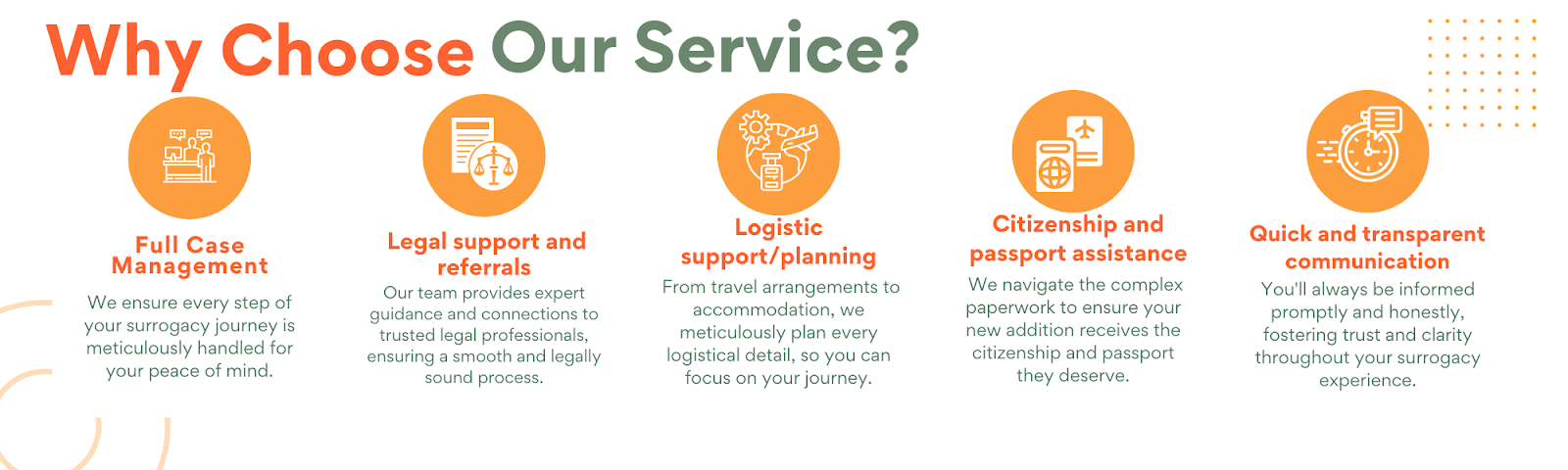
💫 Why Intended Parents Choose Complete Surrogacy for a Safe, Smooth & Successful Surrogacy Journey:
🌍 Access to multiple surrogacy destinations with 15+ years of international experience
🏥 Partnerships with top-tier fertility clinics and agencies, backed by references from past clients
👩🦱 Diverse egg donor options: Asian, Caucasian, African, Oriental, and more
💸 Transparent and affordable pricing—direct payments with no extra agency fees
🔒 No hidden costs—all charges are agreed upon upfront
🤝 Dedicated case manager for personalized support
FAQs for Independent surrogate cost vs agency surrogate cost
How much more expensive is agency-assisted surrogacy compared to independent arrangements?
Agency-guided journeys typically cost $30,000–$60,000 more due to professional coordination, pre-screened surrogate matching, and managed legal/medical workflows. Independent paths eliminate agency fees but require hands-on oversight by intended parents.
What exactly do agency fees cover?
Reputable agencies bundle matching services, medical coordination, psychological screenings, escrow management, and legal oversight. These services streamline complex processes like IVF coordination and contract enforcement while reducing parental workload.
Are legal costs higher when working independently?
Yes. Independent routes often require separate attorneys for both parties (average $15,000–$25,000), while agencies provide vetted legal networks. States like California mandate specific contract clauses affecting fees – experienced reproductive lawyers typically charge $250–$500/hour.
How does surrogate compensation differ between approaches?
Base compensation remains similar ($45,000–$75,000), but agencies ensure structured payment schedules and benefit packages. Independent arrangements might involve direct negotiations for items like maternity clothing allowances or childcare support during appointments.
Can insurance reduce overall medical expenses?
Only 18% of U.S. health plans cover surrogacy-related care. Many intended parents purchase specialized policies ($15,000–$30,000) covering pregnancy complications. Agencies often have insurance specialists to navigate state-specific mandates and loopholes.
Why do costs vary significantly between states?
Surrogacy-friendly states like Illinois and Nevada have established legal frameworks reducing court fees and documentation costs. Regions with restrictive laws (like Michigan) require additional legal steps, sometimes increasing budgets by 20–35%.
What hidden costs should budget plans include?
Always allocate 10–15% extra for unforeseen expenses like multiple embryo transfers, travel for monitoring appointments, or bed rest requirements. Psychological support services and postpartum care for surrogates also impact final totals.
Are financing options available for surrogacy journeys?
Specialized lenders like Prosper Healthcare Lending offer loans covering up to 100% of costs. Some fertility clinics provide shared-risk programs for IVF cycles, while employers like Starbucks and Amazon increasingly include surrogacy benefits in health plans.

Highly esteemed, authoritative, and trusted professional with a 14-year of experience in international surrogacy. Advocate for Secure, Legal, and Affordable International Surrogacy.
Neelam Chhagani, MA (Counselling Psychology) and Holistic Infertility and Third-Party Reproduction Consultant.
Member of European Fertility Society, Best Surrogacy Blogger of 2020, with 300 dedicated blogs, and top contributor on Quora for Surrogacy.
Add Your Comment