

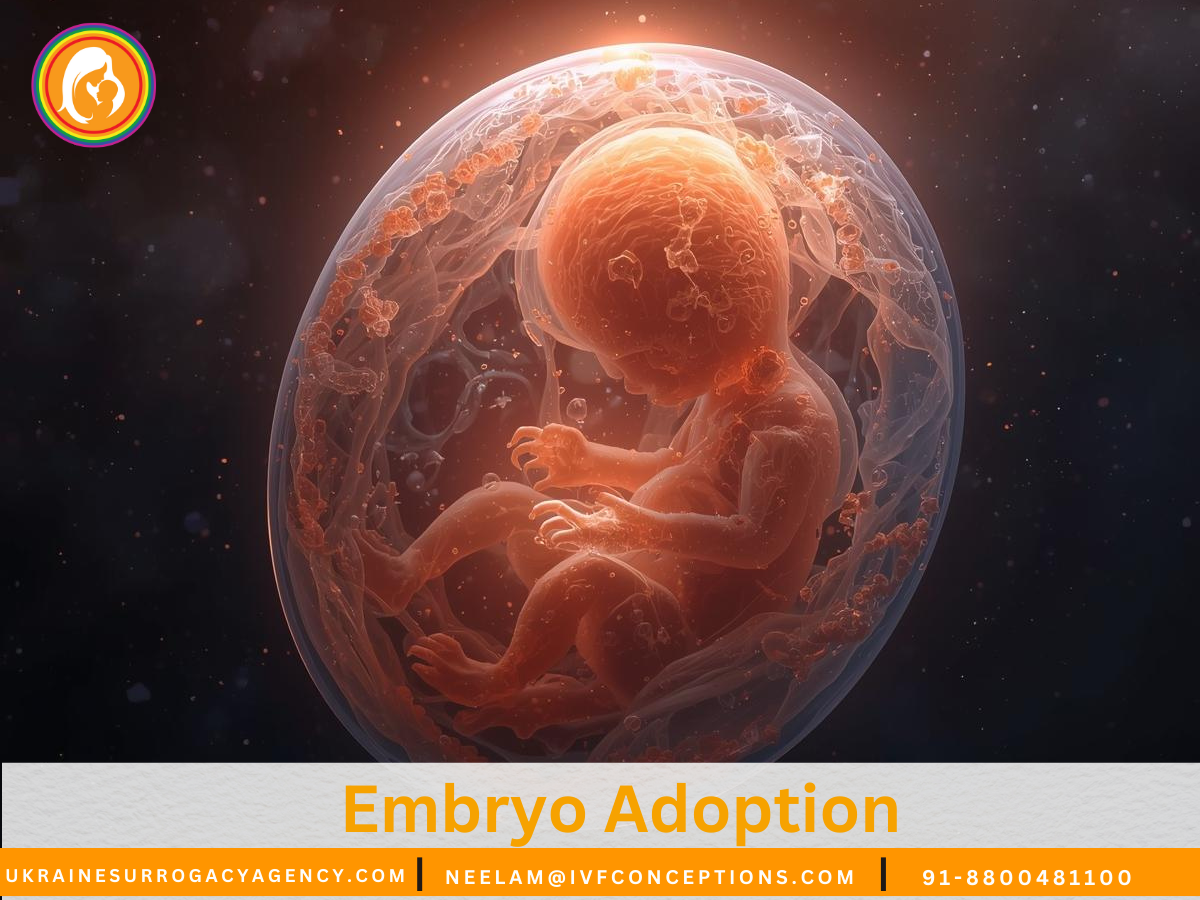
Exploring embryo adoption offers a meaningful and compassionate path to parenthood for individuals and couples who want to experience pregnancy but cannot use their own embryos. Through this process, unused embryos from another family’s IVF cycle are donated to intended parents, giving them the chance to carry, deliver, and bond with the baby from birth.
Embryo adoption is often more affordable than traditional IVF or international surrogacy, and it provides a unique opportunity to give life to embryos that might otherwise remain frozen. With proper medical screening, counseling, and legal guidance, embryo adoption can be a beautiful and fulfilling option for growing a family.
Key Takeaways
- Embryo Adoption (frozen embryo adoption) uses surplus IVF embryos to create a pregnancy without new egg retrieval.
- Over 1.6 million frozen embryos in U.S. storage make embryo donation programs widely available.
- It is a commonly lower-cost IVF alternative compared with full IVF cycles or traditional surrogacy.
- Ideal for intended parents who do not need genetic relatedness—singles, LGBTQ+ people, and those with genetic concerns.
- The article will cover costs, medical steps, legal issues, and ways to manage embryo adoption costs.
📞 Get in Touch for a Free Surrogacy Consultation
📱 +91-8800481100 (WhatsApp | LINE | Viber)
📧 neelam@ivfconceptions.com
🌐 www.ukrainesurrogacyagency.com
What Embryo Adoption Is and How It Differs from IVF, Donation, and Surrogacy
Embryo adoption is a way to become parents using frozen embryos from another couple. It’s often called embryo donation or frozen embryo adoption. But legally, it’s treated as tissue donation, not adoption.
Definition and common terminology
Those interested in adopting embryos need to understand the basics. Donor embryos are created through IVF and given to others. Some call this process embryo adoption, especially in faith-based programs.
It follows clinic rules for safety checks before transferring the embryo.
Key differences compared with IVF and surrogacy
IVF involves creating embryos from scratch, while adoption skips this step. This is a big difference in the process.
Surrogacy keeps a genetic link, but adoption doesn’t. Legal rules also vary, affecting paperwork and timelines.
Types of embryo donation: anonymous, known, and direct
Donation models include anonymous, known, and direct. Anonymous keeps donor info private, while known and direct involves direct contact.
Open arrangements range from semi-open to fully open, affecting future contact and relationships.
Starting the adoption process involves matching and medical checks. It’s faster than traditional adoption, as cycles can begin sooner.
Embryo Adoption
Embryo adoption is a unique way to become a parent. It combines assisted reproduction with adoption. This choice is appealing to those looking for infertility solutions without the need for repeated egg retrieval or full IVF cycles. Below, we explore who chooses this path, what motivates donors, and the emotional aspects to consider.
Who chooses embryo adoption
Intended parents come from different backgrounds. Infertile couples who have tried IVF may choose embryo adoption. Single parents by choice might opt for it to have a biological child without a sperm or egg donor.
LGBTQ+ families often choose embryo adoption to build their families. They want a biological and social family that meets their needs.
Those with secondary infertility or genetic concerns might prefer embryo adoption. International parents consider citizenship and travel issues, as genetic ties can affect citizenship in some countries.
Donor perspective and motivations
Donor families usually have completed their families. They face the choice of donating, discarding, or paying for storage. Many donors are motivated by altruism and the desire to help others become parents.
Donors undergo medical screening and infectious disease tests. Counseling and legal agreements are also part of the process. Agencies like Embryo Connections and clinics like Boston IVF help prepare donors and recipients.
Emotional and relationship considerations
Expectations about contact vary. Some want open relationships with donors, while others prefer anonymous matches. Intended parents must think about how to explain their child’s origins and the possibility of future contact.
Counseling is recommended to set boundaries and clarify intentions. Reading about successful embryo adoption stories can help set realistic expectations and prepare for the emotional journey.
Embryo Adoption Process, Requirements, and Legal Considerations
The journey from finding a match to the embryo transfer can seem complicated. This guide simplifies the embryo adoption process. It covers the steps, medical and clinic needs, and legal aspects. You’ll learn how to adopt embryos and what clinics and agencies require.

Start by reaching out to an embryo adoption agency or fertility clinic. Places like Embryo Connections help create profiles and outline matching criteria.
During the match phase, intended parents review donor’s medical history and traits. They might have video calls or written communication with the donor.
After a match, the receiving clinic asks for a suitability report. This confirms the medical acceptability of the embryos before transfer.
Counseling and legal steps happen at the same time. Both donors and recipients go through counseling. Independent reproductive attorneys then draft and review agreements before shipping the embryos.
Transportation comes after agreements and approvals are finalized. The embryos are sent to the receiving clinic for a frozen embryo transfer (FET). The process includes a medication regimen and a minimally invasive transfer.
Medical and clinic requirements
Donor screening follows FDA-style infectious disease panels and human tissue donor qualification. Clinics often require documentation of these tests.
Some clinics have technical embryo standards (like the number of vitrified blastocysts, grading). They might ask for additional genetic or thaw tests before accepting the embryos.
Recipients have a pre-transfer medical workup. This includes uterine evaluation, blood tests, and endometrial preparation with hormones. The hormones are tailored to a programmed or natural FET cycle.
Expect clinic fees for document handling, embryology services, and the transfer procedure. These costs vary by center and state.
Legal process and parentage paperwork
Reproductive attorneys draft legal contracts that clarify donor relinquishment and designate intended parents as legal parents. These agreements cover relinquishment, confidentiality, export or import of embryos, and future disposition of unused embryos.
Embryo adoption legal issues often require state-specific steps. Because it’s different from state-regulated infant adoption, intended parents usually complete parentage filings or court orders. This secures legal parent status.
Legal costs cover contract drafting and parentage paperwork. Both parties should have independent counsel. This avoids conflicts and ensures clarity on future rights.
Agency requirements and home study variations
Some embryo adoption agencies require a home study, background checks, and psychological evaluations. Home study fees are about $1,500 to $3,500. They can extend the timeline by two to three months.
Other pathways exist through cryobanks or donation centers. These allow direct placements without a full home study. These options may speed up the process but require close clinic coordination.
Concierge services from partners like Carrot can help with logistics. Agencies assist with matching logistics, clinical approvals, counseling coordination, and legal referrals. They help understand the requirements for embryo adoption.
Costs, Success Rates, and Financial Strategies for Embryo Adoption

Embryo adoption is a more affordable way to become parents. Knowing the costs helps you plan better. Costs vary based on clinic, agency, and medical needs. This section covers common fees, success rates, and ways to save money.
Typical cost breakdown
Agency fees for program and matching services range from $2,500 to $10,000. Medical costs for testing, medications, and transfer procedures are $3,500 to $8,000. Clinic fees for document prep, embryology, and transfer are $2,500 to $4,000.
Legal fees for contracts and parentage are about $500 to $1,000. Home study fees are $1,500 to $3,500. Total costs range from $5,000 to $15,000, with most between $7,500 and $19,500.
Comparing the cost with other paths
Embryo adoption is cheaper than IVF because it skips egg donor fees and repeated cycles. A typical IVF cycle in the U.S. costs around $20,000. Adding donor egg or surrogacy increases costs significantly.
Success rates and what to expect
Success rates in embryo adoption vary by program and clinic. Some report a live birth rate of 44% per single embryo transfer. Clinic-specific CDC data provide more detailed success rates.
High-quality embryos, uterine health, and embryology expertise are key. Top clinics may need fewer transfers. Your success rate depends on medical history, embryo quality, and protocol adherence.
Ways to manage and reduce costs
There are practical ways to lower embryo adoption costs. Look for clinics or agencies with bundled pricing or shared-risk programs. Employer fertility benefits can also help.
Explore financial aid, grants, and fertility financing options. Compare direct placement with agency-mediated matches for lower fees. Buying embryos one at a time can also help with budgeting.
Choosing high-performing clinics can reduce the number of transfers. This can lower overall costs. Bundles, employer benefits, and careful clinic selection are effective cost-saving strategies.
Additional Resources to read:
Surrogacy Travel Accommodations
Surrogacy in Kazakhstan for US Citizens
Understanding Surrogacy Costs in Thailand
Which Country Has the Best Surrogacy Success Rate in 2025?
Conclusion
Embryo adoption is a cost-effective way to build a family. It’s cheaper than using donor eggs or full surrogacy. This method has many benefits, like a quicker path to pregnancy and clear costs.
When looking at adoption options, check the clinic’s success rates and legal support. Think about your emotional readiness and the need for counseling. Also, consider the openness with donors and how many embryos you might need.
Start by researching adoption agencies and cryobanks. Ask for CDC success data from clinics. Talk to a reproductive endocrinologist and attorney, and get mental health support. Resources like Embryo Connections and Carrot can guide you through the process.
This option is appealing because it’s affordable and feasible. Knowing how to adopt embryos and the key considerations will help you make a confident choice. It’s a step towards becoming a parent.
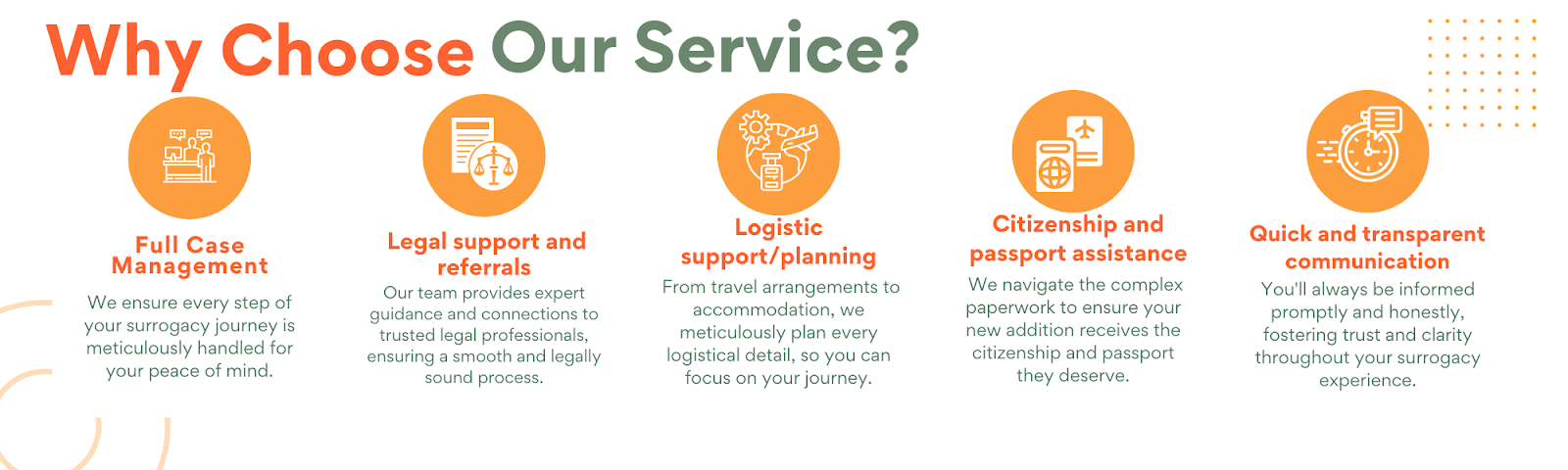
💫 Why Intended Parents Choose Complete Surrogacy for a Safe, Smooth & Successful Surrogacy Journey:
🌍 Access to multiple surrogacy destinations with 15+ years of international experience
🏥 Partnerships with top-tier fertility clinics and agencies, backed by references from past clients
👩🦱 Diverse egg donor options: Asian, Caucasian, African, Oriental, and more
💸 Transparent and affordable pricing—direct payments with no extra agency fees
🔒 No hidden costs—all charges are agreed upon upfront
🤝 Dedicated case manager for personalized support
📲 Fast, honest, and clear communication throughout
📑 Full legal support for visas, documentation, and baby exit processes
🚚 Assistance with frozen sperm/embryo shipment logistics
FAQ: Embryo Adoption
What is embryo adoption (also called embryo donation)?
Embryo adoption, also known as embryo donation, is a way for families to grow. It involves using frozen embryos from another couple’s IVF. These embryos are then transferred to the intended parents or a gestational carrier for pregnancy.
How does embryo adoption differ from IVF with my own gametes and from surrogacy?
Embryo adoption skips the need for ovarian stimulation and egg retrieval. This is because embryos are already created. It’s different from surrogacy because it doesn’t involve genetic ties to the intended parents.
What terms should I expect to encounter (frozen embryo adoption, donor embryos, etc.)?
You might hear terms like frozen embryo adoption, donated embryos, and donor embryos. “Embryo donation” is often used in clinics. Programs vary in how much information they share about the donors.
Who typically chooses embryo adoption?
People who choose embryo adoption include those who have failed IVF with their own eggs. Single parents, LGBTQ+ couples, and individuals with genetic conditions they don’t want to pass on also choose it.
Why do donor families choose to donate embryos?
Donor families often have completed their families. They choose to donate surplus embryos to help others. This is out of altruism and a desire to create families.
What are the emotional and relationship considerations for intended parents and donors?
The emotional and relationship aspects vary widely. Intended parents need to think about how to tell their children about their origins. They also need to consider relationships with donors and genetic siblings.
What is the step-by-step embryo adoption journey from match to transfer?
The journey includes several steps. First, there’s an initial inquiry and education. Then, there’s matching and reviewing donor profiles.
What medical and clinic requirements apply to donors and recipients?
Donors undergo health screenings and qualification. Clinics check the embryos for quality. They may run additional tests.
What legal steps are necessary to establish parentage and protect all parties?
Legal contracts are crucial. They should document the donor’s relinquishment of parental rights. They should also designate the intended parents as legal parents.
Do embryo adoption agencies require a home study or background checks?
Requirements vary. Some agencies and faith-based programs require a home study and background checks. This can add cost and time.
What are typical costs for embryo adoption?
Costs vary by clinic and service level. They include program fees, medical expenses, and legal fees. Home study fees can also apply.

Highly esteemed, authoritative, and trusted professional with a 14-year of experience in international surrogacy. Advocate for Secure, Legal, and Affordable International Surrogacy.
Neelam Chhagani, MA (Counselling Psychology) and Holistic Infertility and Third-Party Reproduction Consultant.
Member of European Fertility Society, Best Surrogacy Blogger of 2020, with 300 dedicated blogs, and top contributor on Quora for Surrogacy.
Add Your Comment