


For many individuals and couples undergoing in vitro fertilization (IVF), the question of whether genetic testing can enhance pregnancy success rates is a critical one. Preimplantation genetic testing has become increasingly common in IVF procedures, aiming to identify chromosomal abnormalities in embryos before transfer. This article explores the role of preimplantation genetic screening (PGS/PGT-A) and preimplantation genetic diagnosis (PGD) in improving pregnancy outcomes.
By examining the scientific evidence and understanding the benefits and limitations of these procedures, individuals can make informed decisions about their fertility treatment.
Key Takeaways
- Preimplantation genetic testing can identify chromosomal abnormalities in embryos.
- PGS/PGT-A and PGD are used to improve pregnancy success rates in IVF.
- Genetic testing can help identify embryos with the highest potential for success.
- The procedures are particularly beneficial for individuals with specific risk factors.
- Understanding the role of genetic testing is crucial for informed fertility decisions.
📞 Get in Touch for a Free Surrogacy Consultation
📱 +91-8800481100 (WhatsApp | LINE | Viber)
📧 neelam@ivfconceptions.com
Why Intended Parents Choose Complete Surrogacy for a Safe, Smooth & Successful Surrogacy Journey:
🌍 Access to multiple surrogacy destinations with 15+ years of international experience
🏥 Partnerships with top-tier fertility clinics and agencies, backed by references from past clients
👩🦱 Diverse egg donor options: Asian, Caucasian, African, Oriental, and more
💸 Transparent and affordable pricing—direct payments with no extra agency fees
🔒 No hidden costs—all charges are agreed upon upfront
🤝 Dedicated case manager for personalized support
📲 Fast, honest, and clear communication throughout
📑 Full legal support for visas, documentation, and baby exit processes
🚚 Assistance with frozen sperm/embryo shipment logistics

Understanding PGS and PGD: What Are These Genetic Testing Methods?
Genetic testing of embryos, known as PGS and PGD, plays a significant role in modern fertility treatments. These advanced techniques have revolutionized the field of IVF by providing valuable insights into the genetic health of embryos before they are transferred to the uterus.
Preimplantation genetic testing is a broad term that encompasses both PGS and PGD. While they are related, these methods serve distinct purposes in the IVF process. Understanding the differences between them is crucial for individuals considering genetic testing as part of their fertility treatment.
Related topic:
IVF with Egg Donation in Ukraine
Defining Preimplantation Genetic Screening (PGS/PGT-A)
Preimplantation Genetic Screening (PGS), also referred to as Preimplantation Genetic Testing for Aneuploidy (PGT-A), is a technique used to examine embryos for chromosomal abnormalities that could hinder successful implantation or lead to miscarriage. PGS focuses on counting the chromosomes to identify aneuploidy, or abnormal chromosome numbers, which is a major cause of implantation failure and pregnancy loss during IVF treatments.
A normal embryo typically has 46 chromosomes. Any deviation from this number can significantly impact the chances of conceiving and carrying a healthy pregnancy to term. By identifying embryos with the correct number of chromosomes, PGS helps improve the selection process for embryo transfer.
Defining Preimplantation Genetic Diagnosis (PGD)
Preimplantation Genetic Diagnosis (PGD) is a more targeted approach that tests embryos for specific genetic disorders known to be carried by one or both parents. These disorders can include conditions such as cystic fibrosis, Tay-Sachs disease, or sickle cell anemia. PGD examines specific genes or mutations that could be passed from parents to offspring, making it particularly valuable for families with known genetic conditions.
By identifying embryos that are free from these specific genetic disorders, PGD enables families to make informed decisions about which embryos to transfer, thereby reducing the risk of passing on inherited conditions.
Key Differences Between PGS and PGD
The primary difference between PGS and PGD lies in their purpose. PGS screens all embryos for general chromosomal issues to improve selection, while PGD specifically identifies embryos carrying inherited genetic disorders to prevent their transmission. Both techniques involve removing a small sample of cells from the developing embryo, but analyze different aspects of the genetic material.
| Characteristics | PGS/PGT-A | PGD |
|---|---|---|
| Purpose | Screening for chromosomal abnormalities | Diagnosing specific genetic disorders |
| Focus | Counting chromosomes to identify aneuploidy | Examining specific genes or mutations |
| Benefit | Improves embryo selection for IVF | Prevents transmission of known genetic disorders |
Understanding the differences between PGS and PGD is essential for individuals undergoing IVF. By knowing what each test offers, couples can make informed decisions about their fertility treatment and potentially improve their chances of a successful pregnancy.
The Science Behind Chromosomal Abnormalities in Embryos
Understanding the science behind chromosomal abnormalities is crucial for making informed decisions about embryo selection during IVF treatment. Chromosomal abnormalities in embryos can significantly impact the success of IVF and the health of the resulting pregnancy.
Chromosomal abnormalities fall into two main categories: numerical abnormalities, which involve changes in the number of chromosomes, and structural abnormalities, which involve changes in the structure or arrangement of chromosomes. Numerical abnormalities are the most common issue, affecting approximately 20% of early embryos.
Types of Chromosomal Abnormalities
Numerical abnormalities include aneuploidy, having extra or missing chromosomes, polyploidy, having extra sets of chromosomes, and haploidy, having half the normal number of chromosomes. Aneuploidy is the most prevalent issue, occurring in about 20% of cleavage-stage human embryos and increasing to 45% in embryos from women over 36 years old.
As stated by experts, “Aneuploidy can persist through implantation and may result in a live birth for certain conditions like trisomy 21 (Down syndrome)…” This highlights the complexity of chromosomal abnormalities and their varying impacts on pregnancy.
Causes of Aneuploidy in Embryos
The risk of chromosomal abnormalities, particularly aneuploidy, increases significantly with maternal age. Advanced maternal age is a primary indication for genetic testing due to the higher incidence of aneuploidy in older women’s embryos.
Two main theories explain maternal aneuploidy: the “two-hit theory” and the “production line theory.” The “two-hit theory” involves recombination errors during fetal development and detection failures during adulthood, while the “production line theory” suggests that older eggs may be of lower quality.
Impact of Chromosomal Abnormalities on Pregnancy
The impact of chromosomal abnormalities varies widely. Some abnormalities prevent implantation entirely, while others lead to early miscarriage. Certain abnormalities, like trisomy 21 (Down syndrome), can result in live births with specific health conditions.
Understanding these abnormalities is crucial for interpreting genetic testing results and making informed decisions about embryo selection during IVF treatment. By recognizing the types, causes, and impacts of chromosomal abnormalities, individuals can better navigate the complexities of IVF and improve their chances of a successful pregnancy.
How PGS and PGD Work During IVF

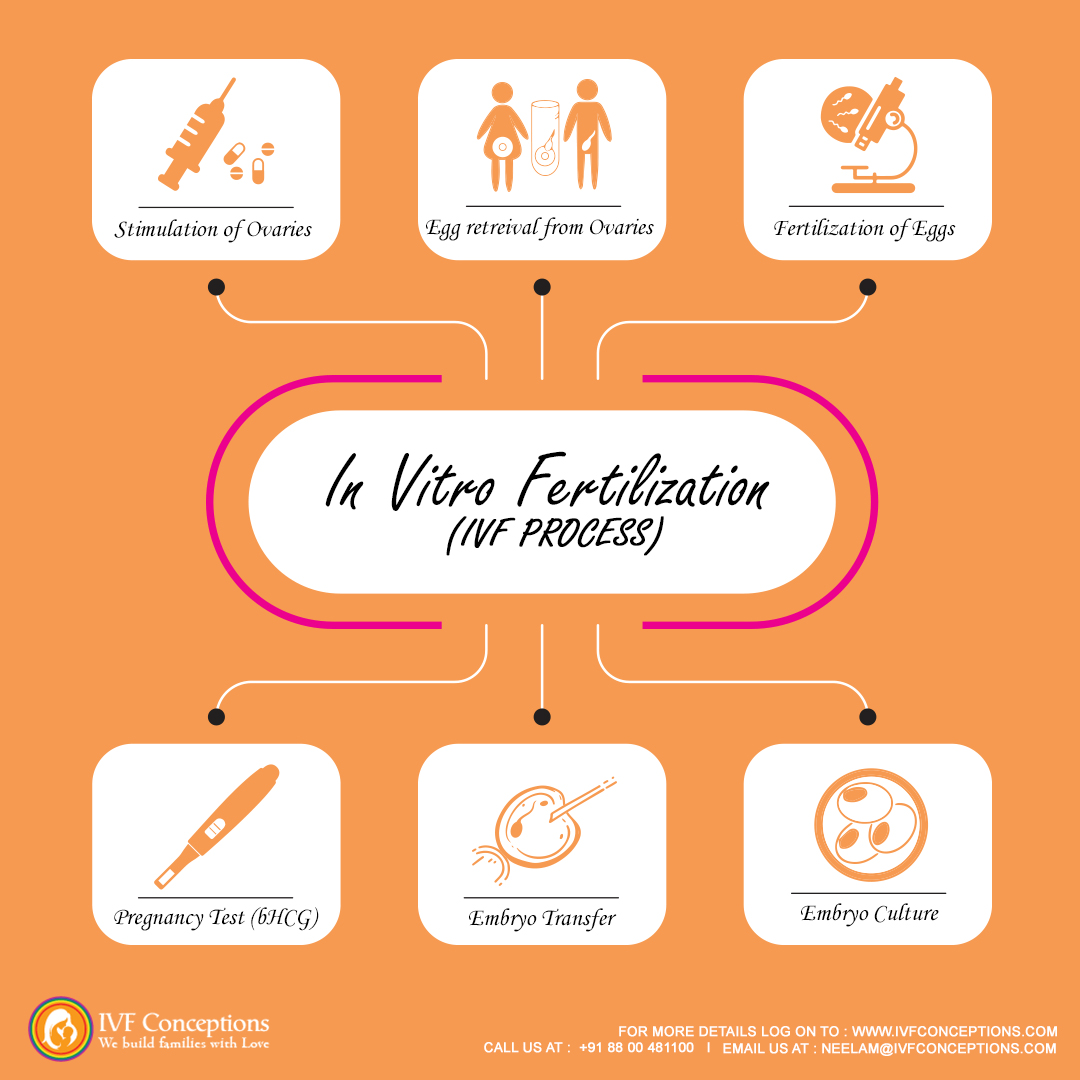
Understanding how PGS and PGD work during IVF is essential for individuals considering these genetic testing methods. Preimplantation genetic testing is a sophisticated process that involves several steps, from embryo culture to genetic analysis.
The Embryo Biopsy Process
The genetic testing process begins after eggs are fertilized during IVF, with embryos cultured in the laboratory until they reach the appropriate stage for biopsy, typically either day 3 (cleavage stage) or day 5-6 (blastocyst stage). During embryo biopsy, a skilled embryologist removes a small number of cells from the developing embryo – either 1-2 cells at the cleavage stage or several cells from the trophectoderm (outer layer) at the blastocyst stage.
Blastocyst biopsy has become increasingly preferred over cleavage stage biopsy because it provides more genetic material for testing and has a lower risk of damaging the embryo or producing misleading results due to mosaicism.
Testing Methods: FISH vs. CGH vs. NGS
Several testing methods have evolved over time, from Fluorescent In Situ Hybridization (FISH), which could only test a limited number of chromosomes, to more comprehensive techniques like Comparative Genomic Hybridization (CGH) and Next-Generation Sequencing (NGS) that can analyze all 23 chromosome pairs.
Instead of using 9 to 12 chromosome FISH, a 24-chromosome detection by aCGH or SNP microarray is now used, providing a more detailed analysis of the embryo’s chromosomal integrity.
Timeline of Genetic Testing in IVF
The timeline for genetic testing typically adds 24-48 hours to the IVF process, often requiring embryo freezing (vitrification) while awaiting results, followed by a frozen embryo transfer in a subsequent cycle.
When performed correctly by experienced professionals, the biopsy procedure poses minimal risk to embryo viability, allowing successful transfers after testing is complete.
Benefits of PGS/PGD for Pregnancy Success
PGS and PGD offer numerous benefits that significantly enhance the chances of a successful pregnancy. These genetic testing methods have become invaluable tools in modern fertility treatments, providing insights that were previously unavailable.
Improved Embryo Selection
One of the primary advantages of PGS/PGD is the ability to select chromosomally normal embryos with the highest potential for successful implantation and development. This is achieved through a thorough analysis of the embryo’s genetic material, allowing fertility specialists to identify and select the healthiest embryos for transfer.
Reduced Miscarriage Rates
Studies have shown that transferring genetically screened embryos can significantly reduce miscarriage rates. This is particularly beneficial for patients with advanced maternal age or a history of recurrent pregnancy loss. By eliminating embryos with chromosomal abnormalities, the risk of miscarriage is substantially decreased.
Fewer Failed Implantations
PGS/PGD can also reduce the number of failed implantation attempts by identifying viable embryos before transfer. This not only shortens the time to pregnancy but also reduces the emotional and financial burden associated with multiple unsuccessful IVF cycles.
Gender Selection Possibilities
For families looking to balance their family or avoid sex-linked genetic disorders, PGS/PGD offers the possibility of gender selection. This can be a significant advantage for couples with specific family planning preferences or concerns.
Prevention of Genetic Disease Transmission
Couples with known genetic disorders in their family history can benefit from PGD, which allows for the identification and selection of embryos free from these conditions. This provides peace of mind and reduces the risk of having a child with a serious genetic disease.
The benefits of PGS/PGD are multifaceted, including:
- Enhanced embryo selection, allowing for the identification of chromosomally normal embryos.
- Reduced miscarriage rates, particularly for patients with advanced maternal age or recurrent pregnancy loss.
- Fewer failed implantation attempts, shortening the time to pregnancy, and reducing the associated emotional and financial burdens.
- Gender selection possibilities for family balancing or to avoid sex-linked genetic disorders.
- Prevention of genetic disease transmission for couples with known genetic disorders.
By transferring only chromosomally normal embryos, patients may require fewer embryo transfers overall, potentially reducing the total cost of their fertility journey despite the additional upfront expense of genetic testing. The reduction in uncertainty about embryo quality can also provide significant psychological benefits for patients, especially those who have experienced previous pregnancy losses or failed IVF attempts.
Limitations and Controversies of PGS/PGD
While PGS and PGD have revolutionized the field of IVF, they are not without their limitations and controversies. As with any medical technology, it’s essential to understand these aspects to make informed decisions.
Embryo Mosaicism and False Results
One of the significant challenges in genetic testing is embryo mosaicism, where an embryo contains multiple cell lines with different chromosomal compositions. This means that the few cells tested might not accurately represent the entire embryo’s genetic makeup. As a result, there’s a risk of false positive results, leading to the potential discarding of viable embryos that could have developed into healthy pregnancies.
The issue of mosaicism is particularly relevant in cases where abnormal cells might be eliminated or corrected during further development. Research suggests that some chromosomal abnormalities detected in early embryos may undergo “self-correction” mechanisms, raising questions about whether all abnormal embryos should be automatically discarded.
Potential Damage to Embryos During Testing
The procedure of embryo biopsy carries a small risk of damaging the embryo, although this risk has significantly decreased with improved techniques and the shift toward blastocyst-stage biopsies rather than cleavage-stage biopsies. Performing the biopsy on day five embryos instead of day three has reduced the risk of damage.
Discarding Viable Embryos
The possibility of discarding viable embryos is a significant concern. There’s a slight margin of error with PGS/PGT-A, and viable, healthy embryos have been discarded, potentially lowering pregnancy rates. The technology has limitations in detecting certain types of genetic abnormalities, particularly balanced translocations or small deletions/duplications that might impact embryo development.
Some studies suggest that PGS may not benefit all patient populations, particularly younger patients with no known fertility issues. The testing adds significant cost to IVF treatment without guaranteed benefits, raising questions about its cost-effectiveness for certain patient groups.
Do PGS and PGD Increase the Potential of Successful Pregnancy?
The question of whether PGS and PGD truly increase pregnancy success rates remains a topic of considerable debate among fertility specialists and researchers. The controversy stems from mixed results in scientific studies, which vary depending on patient populations, testing methods, and how success is measured.
Early clinical studies on cleavage-stage embryos showed promising results with increases in implantation rates, ongoing pregnancy rates, and decreases in spontaneous abortion rates. These findings led to the widespread adoption of PGS and PGD techniques in IVF treatments.
Evidence Supporting Increased Success Rates
Several studies have demonstrated that PGS and PGD can significantly improve pregnancy outcomes for specific patient groups. For instance, women with advanced maternal age (over 37), those experiencing recurrent pregnancy loss, or those with repeated implantation failure have shown improved success rates with these genetic testing methods.
Improved embryo selection is a key benefit of PGS and PGD, allowing for the identification and transfer of chromosomally normal embryos. This can lead to higher implantation rates and lower miscarriage rates. A study published in a reputable medical journal found that PGT-A dramatically increased pregnancy rates for patients over 37.
Contradicting Research Findings
However, not all studies have found PGS and PGD to be beneficial. A landmark study published in the New England Journal of Medicine concluded that PGT-A did not benefit women ages 20-37 with a good prognosis for live birth when compared to conventional IVF. In fact, the conventional IVF group achieved slightly higher live birth rates (81.8% vs. 77%).
This discrepancy highlights the complexity of evaluating the effectiveness of PGS and PGD. The benefits appear to be more pronounced for specific patient groups, and the procedure may not significantly increase chances of conception for women under 37 with a good prognosis.
Factors Affecting Success Rates
Several factors contribute to the variability in success rates observed with PGS and PGD. These include the testing platform used (FISH vs. NGS), the stage at which biopsy is performed (day 3 vs. day 5), the experience of the laboratory, and the specific characteristics of the patients.
Understanding these factors is crucial for patients considering PGS and PGD. The potential benefit of these procedures depends heavily on individual circumstances and risk factors rather than assuming a universal improvement in outcomes.
In conclusion, while PGS and PGD have shown promise in improving pregnancy success rates for certain patient groups, their overall effectiveness remains a subject of debate. Patients should carefully consider their individual circumstances and consult with fertility specialists to determine if these procedures are right for them.
Who Benefits Most from PGS and PGD?
Certain patient groups can greatly benefit from the use of PGS and PGD during IVF cycles, as these technologies help in selecting the healthiest embryos for transfer. The main indications for the use of PGS in IVF treatments include Advanced Maternal Age (AMA), Repeated Implantation Failure (RIF), and Recurrent Pregnancy Loss (RPL).
Advanced Maternal Age (AMA) Patients
Women over 35 years old, categorized as Advanced Maternal Age (AMA) patients, benefit significantly from genetic testing. The risk of chromosomal abnormalities in embryos increases exponentially with age, reaching approximately 45% in embryos from women over 36. PGS can help identify and select chromosomally normal embryos, thereby improving the chances of a successful pregnancy.
Recurrent Pregnancy Loss (RPL) Patients
For patients experiencing Recurrent Pregnancy Loss (RPL), defined as two or more failed clinical pregnancies, genetic testing can be particularly beneficial. By identifying and eliminating embryos with chromosomal abnormalities, PGS can potentially increase the chance of a successful pregnancy. Studies have shown that RPL patients have a higher incidence of chromosomal abnormalities in their embryos, making PGS a valuable tool in their fertility journey.
Repeated Implantation Failure (RIF) Patients
Patients who experience Repeated Implantation Failure (RIF), where good-quality embryos repeatedly fail to implant during IVF cycles, may also benefit from genetic testing. Ensuring that only chromosomally normal embryos are transferred can improve implantation rates and reduce the risk of failed implantations.
Carriers of Genetic Disorders
Individuals who are carriers of known genetic disorders or chromosomal translocations are ideal candidates for PGD. This technology can specifically identify embryos free from the particular genetic condition being carried, preventing its transmission to offspring. For these patients, PGD offers a powerful means of ensuring that their children are born without the genetic disorders they are at risk of passing on.
In conclusion, while various patient groups can benefit from PGS and PGD, the decision to undergo these genetic testing methods should be made after careful consideration and consultation with a fertility specialist. By understanding the benefits and limitations of PGS and PGD, patients can make informed decisions about their fertility treatment options.
PGS/PGD Testing Costs and Financial Considerations

As IVF treatment becomes more advanced, the additional cost of PGS/PGD testing is an important consideration for prospective parents. The cost of PGS/PGD testing can significantly impact the overall expense of IVF treatment, making it crucial for patients to understand the financial implications.
Average Costs of Genetic Testing
The average cost of PGS/PGD testing ranges from $4,000 to $10,000 for screening approximately eight embryos. This cost is influenced by several factors, including the number of embryos being tested, the specific testing platform used (such as FISH vs. NGS), and the individual fertility clinic’s pricing structure.
For instance, the cost per embryo can vary depending on the technology required for PGS/PGT-A testing at your clinic. Understanding these factors can help patients better estimate the total cost of their IVF journey.
Insurance Coverage for PGS/PGD
Insurance coverage for PGS/PGD testing varies widely by provider and location. While some insurance plans cover PGD for known genetic disorders, fewer plans cover PGS for aneuploidy screening, often classifying it as “experimental” or “investigational.” Patients should verify their insurance coverage to avoid unexpected expenses.
Cost-Benefit Analysis for Different Patient Groups
For patients with advanced maternal age or recurrent pregnancy loss, the cost-benefit analysis often favors genetic testing. PGS/PGD can reduce the number of failed transfers and miscarriages, potentially saving money in the long run despite the upfront expense. In contrast, younger patients with no known fertility issues may find the cost-benefit ratio less favorable.
Some clinics offer package pricing that includes a certain number of IVF cycles with genetic testing, providing better value for patients who anticipate needing multiple treatment cycles. When considering the financial impact, patients should factor in not just the direct costs of testing but also the potential savings from avoiding multiple failed transfers and the emotional cost of pregnancy loss.
Making the Decision: Is PGS/PGD Right for You?
Deciding whether to undergo PGS/PGD is a complex process that requires careful consideration of multiple factors. This decision should be based on your specific medical history, age, fertility challenges, genetic background, and financial situation.
It’s crucial to have a comprehensive understanding of how PGS/PGD can impact your fertility treatment. Your fertility specialist can provide valuable insights into the potential benefits and risks associated with PGS/PGD.
Questions to Ask Your Fertility Specialist
When consulting with your fertility specialist, there are several key questions to ask to make an informed decision. These include:
- What are your clinic’s success rates with and without genetic testing for patients in my age group?
- What experience do you have with PGS/PGD procedures?
- What specific testing platforms do you use?
- How do you handle mosaic embryos?
Balancing Benefits, Risks, and Costs
When evaluating PGS/PGD, it’s essential to balance the potential benefits against the risks and costs. Consider your age, as the benefits are more established for women over 35.
| Factor | Considerations |
|---|---|
| Age | Benefits are more established for women over 35 |
| History of Miscarriage | Previous miscarriages may influence the decision to use PGS/PGD |
| Financial Capacity | Consider the cost of genetic testing and potential multiple IVF cycles |
Alternative Approaches to Embryo Selection
Some patients may consider alternative approaches to embryo selection. These include extended culture to the blastocyst stage without genetic testing, which naturally selects stronger embryos, and time-lapse imaging systems that monitor embryo development patterns.
Consulting with both a reproductive endocrinologist and a genetic counselor can provide valuable perspectives to help you make this complex decision based on your unique circumstances.
Ethical Considerations in Genetic Testing of Embryos
The use of preimplantation genetic testing in IVF treatments has sparked intense debate regarding its ethical implications. As this technology continues to evolve, it raises significant ethical questions that need to be addressed.
The primary ethical concern surrounding preimplantation genetic testing is the discarding of embryos that test positive for chromosomal abnormalities or genetic conditions. This issue is particularly pertinent given the possibility of false positives and the potential for embryos to self-correct.
The Fate of Potentially Viable Embryos
One of the most pressing ethical dilemmas is the fate of potentially viable embryos that are discarded due to unfavorable test results. Critics argue that viable, healthy embryos have been thrown away, potentially lowering pregnancy rates for many women. The possibility of false positives and the natural correction mechanisms in embryos complicate this issue further.
The procedure creates a fundamental tension between selecting the healthiest embryo and concerns about potentially discarding embryos that might have developed into healthy children, especially in cases of mosaic embryos.
Broad Societal Implications
Broader societal implications arise when considering how genetic selection might impact diversity and attitudes toward disability. Some disability rights advocates express concern that routine genetic selection reinforces negative attitudes about living with genetic conditions. The concept of “designer babies” enters ethical discussions when genetic testing expands beyond serious medical conditions to include selection for non-medical traits or predispositions.
Religious perspectives on the morality of creating multiple embryos and discarding those deemed genetically undesirable vary widely. The commercialization of genetic testing in fertility care raises concerns about whether patients receive balanced information about benefits and limitations, particularly when clinics have financial incentives to offer these procedures.
As preimplantation genetic technology advances, society faces increasingly complex questions about the appropriate use of genetic selection versus what might constitute eugenics.
Conclusion
The effectiveness of PGS and PGD in improving pregnancy outcomes is a complex issue, influenced by various factors including patient demographics, the quality of the testing process, and the specific technologies employed.
After examining the scientific evidence, it becomes evident that the question of whether PGS and PGD increase pregnancy success doesn’t have a straightforward answer. The benefits of these genetic testing methods are most pronounced for certain patient groups, such as those with advanced maternal age, recurrent pregnancy loss, or known genetic disorders. For these individuals, PGS and PGD can significantly improve pregnancy outcomes and reduce miscarriage rates by identifying chromosomally normal embryos for transfer.
Key Considerations for Patients
- Understand your specific risk factors and how they relate to the potential benefits of PGS/PGD.
- Familiarize yourself with the testing methods available at your chosen clinic and their associated success rates.
- Consider the evolving nature of genetic testing technologies and their potential impact on future treatment options.
Ultimately, the decision to pursue PGS or PGD should be made in consultation with fertility specialists, taking into account personal values, circumstances, and a realistic understanding of the benefits and limitations of these technologies. By doing so, patients can make informed decisions that best suit their individual needs and maximize their chances of a successful pregnancy.
In conclusion, while PGS and PGD offer significant advantages for certain groups, their overall impact on pregnancy success rates is nuanced. As these technologies continue to evolve, it’s essential for patients and healthcare providers to stay informed and work together to make the most appropriate decisions for each unique situation.
FAQs: Do PDS and PGD increase the success rate of IVF
What is Preimplantation Genetic Screening (PGS/PGT-A), and how does it differ from Preimplantation Genetic Diagnosis (PGD)?
How does PGS/PGD improve IVF success rates?
What are the benefits of PGS/PGD for patients with advanced maternal age (AMA)?
Can PGS/PGD detect all genetic disorders?
How is the embryo biopsy performed during PGS/PGD?
Are there any risks associated with PGS/PGD?
How much does PGS/PGD cost, and is it covered by insurance?
Can PGS/PGD be used for gender selection?
What are the ethical considerations surrounding PGS/PGD?

I am Neelam Chhagani, CEO and International Patient Follow-up Manager, representing IVF Conceptions. I work as a surrogacy consultant and assist and guide the Intended Parents to become parents via surrogacy, globally.
Read more about me:
https://www.linkedin.com/in/neelam-chhagani-92892229
https://www.ivfconceptions.com/neelam-chhagani-surrogacy-consultant
It will be my great pleasure to assist you.
Add Your Comment