

Alternatives to egg donation in surrogacy are becoming increasingly relevant for intended parents who wish to explore different paths to conception. While egg donation is a common solution for fertility challenges, there are other effective options such as embryo donation, ovarian rejuvenation, PRP therapy, and the use of frozen embryos from previous IVF cycles. Each approach offers unique benefits depending on the parents’ medical history, age, and genetic goals.
This guide explores these alternatives in detail, helping intended parents make informed decisions that align with their emotional, biological, and financial preferences.
Key Takeaways
- Explore various egg donor alternatives in surrogacy.
- Understand embryo donation and its implications.
- Learn how natural cycle surrogacy utilizes the surrogate’s own eggs.
- Discover the benefits of gestational surrogacy without relying on egg donation.
- Familiarize yourself with legal considerations surrounding genetic surrogacy.
📞 Get in Touch for a Free Surrogacy Consultation
📱 +91-8800481100 (WhatsApp | LINE | Viber)
📧 neelam@ivfconceptions.com
🌐 www.ukrainesurrogacyagency.com
Understanding Surrogacy: An Overview

Surrogacy offers a pathway for individuals and couples to expand their families. It involves a woman, known as the surrogate, who carries and delivers a child for someone else. The process includes various aspects and types, tailored to fit the needs of those seeking this option. With a growing interest in surrogacy for LGBTQ+ families, understanding the different types and motivations becomes essential.
What is Surrogacy?
Surrogacy is a reproductive arrangement where a surrogate agrees to conceive, carry, and give birth to a child for another person or couple. In this arrangement, the surrogate may or may not have a genetic link to the child, depending on the type of surrogacy chosen.
Types of Surrogacy Explained
There are two primary types of surrogacy: traditional surrogacy and gestational surrogacy.
- Traditional surrogacy involves the surrogate using her own eggs, which creates a genetic connection to the child. This method may include artificial insemination using the intended father’s sperm or donor sperm.
- Gestational surrogacy entails the transfer of an embryo created through in vitro fertilization (IVF). The embryo may come from the intended parents’ eggs and sperm, or from donors, resulting in no genetic link between the surrogate and the baby.
Why Consider Surrogacy?
Individuals and couples may explore surrogacy for various reasons, such as:
- Medical conditions or complications prevent them from carrying a child
- Advanced age or infertility issues
- Personal choice or preference
- Creating families for same-sex couples through surrogacy for LGBTQ+ families
Alternatives to Egg Donation in Surrogacy

Exploring surrogacy reveals a variety of options beyond egg donation. These alternatives meet the unique needs and ethical standards of both intended parents and surrogates. They pave the way for creating families through surrogacy.
Exploring Non-Egg Donor Options
Intended parents often look for options instead of egg donation in surrogacy to suit their needs. One such option is embryo donation, where embryos created with donated eggs and sperm are used. This method avoids the risks and ethical dilemmas of egg donation.
Embryo Donation in Surrogacy
Embryo donation is a straightforward choice for some. It allows intended parents to use genetically unrelated donors while creating viable embryos for the surrogate. This suits those facing fertility challenges but wanting to experience parenthood.
Using Own Eggs in Natural Cycle Surrogacy
Natural cycle surrogacy involves the surrogate using her own eggs. This eliminates the need for egg donation, fostering a closer bond between the surrogate and intended parents. It offers a unique experience for all involved.
Alternatives like embryo donation and natural cycle surrogacy cater to diverse views and family-building goals. These options provide a range of choices, allowing individuals to select what aligns with their personal aspirations.
Gestational Surrogacy Without Egg Donation

Gestational surrogacy is a contemporary method for building families, where a surrogate carries a pregnancy not genetically hers. This method often employs in vitro fertilization (IVF) to create an embryo. It uses the eggs of the intended mother or a donor and sperm from the intended father or a donor. Understanding the basics of gestational surrogacy, its benefits, and the importance of genetic screening is key.
What is Gestational Surrogacy?
In gestational surrogacy without egg donation, the surrogate has no genetic link to the child. This distinction simplifies the surrogacy journey. The embryos, created from the intended parents’ gametes or donated eggs, are implanted in the surrogate’s uterus. This allows her to carry the pregnancy to term.
Benefits of Gestational Surrogacy
Choosing gestational surrogacy offers several advantages:
- Clear Legal Framework: Legal rights and responsibilities are often simpler with defined genetic contributions.
- Healthier Pregnancies: Surrogacy involves rigorous medical screenings, benefiting both the surrogate and the baby.
- Emotional Clarity: Intended parents may find comfort in knowing their genetic material is involved, fostering a deeper connection to the child.
Genetic Screening in Gestational Surrogacy
Genetic screening in gestational surrogacy is vital for ensuring embryo health. It assesses genetic disorders, increasing the chances of a healthy pregnancy and baby. This includes preimplantation genetic testing (PGT), which evaluates embryos before implantation. By identifying genetic abnormalities, intended parents can make informed decisions, prioritizing health and viability in surrogacy.
| Aspect | Gestational Surrogacy | Traditional Surrogacy |
|---|---|---|
| Genetic Connection | Embryos are not genetically related to the surrogate | A surrogate is genetically related to the child |
| Legal Complexity | Typically clearer legal structure | Can lead to complicated legal issues |
| Medical Screening | Extensive screenings for surrogates and embryos | Screening may vary |
| Parental Rights | Established ahead of pregnancy | May require additional legal steps |
Substitutes for Egg Donation in Surrogacy
In the world of surrogacy, there are several alternatives to traditional egg donation. Egg sharing programs and traditional surrogacy stand out as substitutes. These options help intended parents and surrogates make informed choices.
Egg Sharing Programs
Egg sharing programs allow women to donate some of their eggs while benefiting from lower costs. This approach benefits both donors and intended parents. It fosters community among women who support each other through fertility challenges.
Traditional Surrogacy as an Alternative
Traditional surrogacy is another way to build a family. Here, the surrogate uses her own eggs, making her the child’s genetic mother. While it comes with emotional and legal complexities, it’s a viable option. Clear communication and legal advice are key to navigating its nuances, ensuring everyone’s rights are respected.
Exploring Genetic Surrogacy Options
Genetic surrogacy presents a unique alternative to traditional surrogacy. It involves the surrogate using her own eggs, creating a genetic link between her and the child. This contrasts sharply with gestational surrogacy, where an embryo is created from donor eggs and sperm. This makes genetic surrogacy a distinct process with its own set of implications.
Genetic Surrogacy vs. Gestational Surrogacy
Understanding the differences between genetic and gestational surrogacy is vital. In genetic surrogacy, the surrogate is genetically related to the child. On the other hand, gestational surrogacy has no genetic link between the surrogate and the child. These differences can significantly impact emotional connections and legal aspects of the arrangement.
Legal Considerations for Genetic Surrogacy
Legal aspects of genetic surrogacy are critical due to the variability in state laws. It’s essential to have legally binding surrogacy contracts to protect the rights of all involved. Factors such as parental rights, the surrogate’s responsibilities, and possible disputes need careful consideration. Seeking professional legal advice is advisable to navigate these complexities.
Additional Resources to read:
Egg Donation Process: What You Need to Know
IVF with Egg Donation in Ukraine
Egg Donor Cost in South Africa
Conclusion
Surrogacy offers a variety of options for building a family, going beyond traditional egg donation. It’s vital to understand the different choices, like embryo donation and gestational surrogacy. Each option has its own medical, legal, and emotional aspects. These should be carefully considered to make well-informed decisions in the complex surrogacy world.
When starting a surrogacy journey, finding supportive resources is key. It’s wise to connect with trusted agencies and experts who can offer personalized guidance. Their help is essential in navigating the complex surrogacy process. This ensures an ethical path to growing your family.
Your journey to building a family should reflect your personal goals and values. With the right knowledge and professional support, you can confidently make choices that meet your needs and dreams.
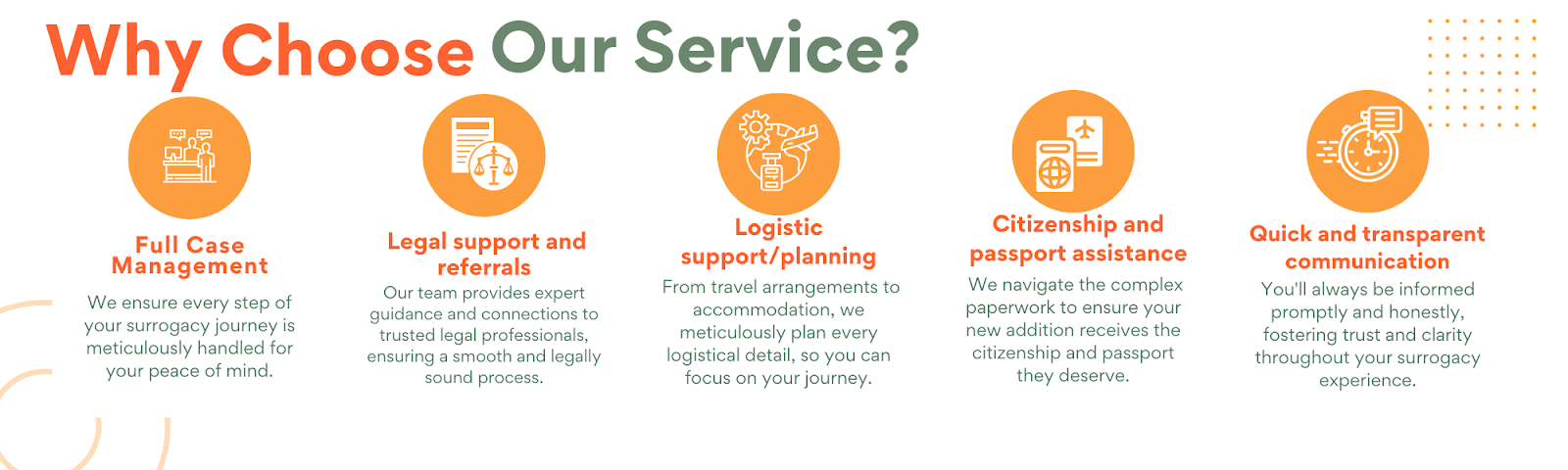
💫 Why Intended Parents Choose Complete Surrogacy for a Safe, Smooth & Successful Surrogacy Journey:
🌍 Access to multiple surrogacy destinations with 15+ years of international experience
🏥 Partnerships with top-tier fertility clinics and agencies, backed by references from past clients
👩🦱 Diverse egg donor options: Asian, Caucasian, African, Oriental, and more
💸 Transparent and affordable pricing—direct payments with no extra agency fees
🔒 No hidden costs—all charges are agreed upon upfront
🤝 Dedicated case manager for personalized support
📲 Fast, honest, and clear communication throughout
📑 Full legal support for visas, documentation, and baby exit processes
🚚 Assistance with frozen sperm/embryo shipment logistics
FAQ for Alternatives to Egg Donation in Surrogacy
What is the main difference between traditional and gestational surrogacy?
Traditional surrogacy involves the surrogate using her own eggs, creating a genetic link to the child. In contrast, gestational surrogacy uses an embryo created through IVF with donor eggs and sperm. This results in no genetic relationship between the surrogate and the child.
What are some non-egg donor options in surrogacy?
Options include embryo donation and natural cycle surrogacy. Embryo donation uses embryos from donated sperm and eggs. Natural cycle surrogacy uses the surrogate’s own eggs, avoiding egg donation altogether.
How does genetic screening benefit gestational surrogacy?
Genetic screening is vital in gestational surrogacy. It allows for testing embryos to ensure they are free from genetic disorders. This contributes to healthier pregnancies and gives intended parents peace of mind.
What is an egg-sharing program?
An egg sharing program is a method where egg donors share their eggs with other women. This reduces costs associated with egg donation. It’s beneficial for women who can’t afford traditional egg donation.
What legal considerations should I be aware of when pursuing genetic surrogacy?
Establishing a clear legal framework is essential for genetic surrogacy. Laws regarding surrogacy vary by state. Key considerations include contracts, parental rights, and the possibility of disputes. Professional guidance is necessary.
Can I pursue DIY surrogacy without egg donation?
Yes, DIY surrogacy without egg donation is possible. Options include natural cycle surrogacy, where the surrogate uses her own eggs, or embryo donation without traditional egg donor arrangements.
What should I consider when choosing a surrogate mother?
When choosing a surrogate mother, consider her health and compatibility with your family goals. Also, her understanding of the surrogacy process, emotional readiness, and the legal implications of the agreement are important.

Highly esteemed, authoritative, and trusted professional with a 14-year of experience in international surrogacy. Advocate for Secure, Legal, and Affordable International Surrogacy.
Neelam Chhagani, MA (Counselling Psychology) and Holistic Infertility and Third-Party Reproduction Consultant.
Member of European Fertility Society, Best Surrogacy Blogger of 2020, with 300 dedicated blogs, and top contributor on Quora for Surrogacy.
Add Your Comment