


Why more foreigners are choosing Colombia for surrogacy in 2026 comes down to a blend of legal inclusivity, affordability, and quality care that appeals to international intended parents. Colombia’s constitution and court rulings provide a supportive environment where singles, same-sex couples, and foreigners can pursue gestational surrogacy with protections for parental rights and family formation.
The cost of a surrogacy journey in Colombia is significantly lower than in many Western countries, often around $50,000–$70,000, while fertility clinics offer high-standard care and IVF technology comparable to global centers. Legal processes for birth registration and parental recognition are generally clear, and many clinics provide English-speaking support, helping parents navigate documentation and travel more easily. Together with Colombia’s welcoming cultural environment and medical infrastructure, these factors make it an increasingly popular choice for international families planning surrogacy in 2026.
This guide explains why more foreigners are picking Colombia for surrogacy in 2026. It’s because of several reasons. These include Constitutional Court changes that allow same-sex and single parents to be parents. Also, there’s a wide range of clinics in big cities, affordable prices, and top-notch neonatal care.
Key Takeaways
- Colombia often offers mid-range total packages ($50k–$75k in 2026) compared with many U.S. options.
- Inclusive eligibility (same-sex and single parents) is a major driver for choosing Colombia for surrogacy.
- Quality IVF clinics and NICU-equipped hospitals in Bogotá and Medellín support medical credibility.
- Absence of a national surrogacy statute increases legal complexity; post-birth parentage procedures can be judicially driven.
- Watch for red flags: social-media ads, informal arrangements, and requests to bypass legal documentation.
- This guide emphasizes ethical practices, practical vetting, and steps to reduce legal and financial risk.
📞 Get in Touch for a Free Surrogacy Consultation
📱 +91-8800481100 (WhatsApp | LINE | Viber)
📧 neelam@ivfconceptions.com
🌐 www.ukrainesurrogacyagency.com
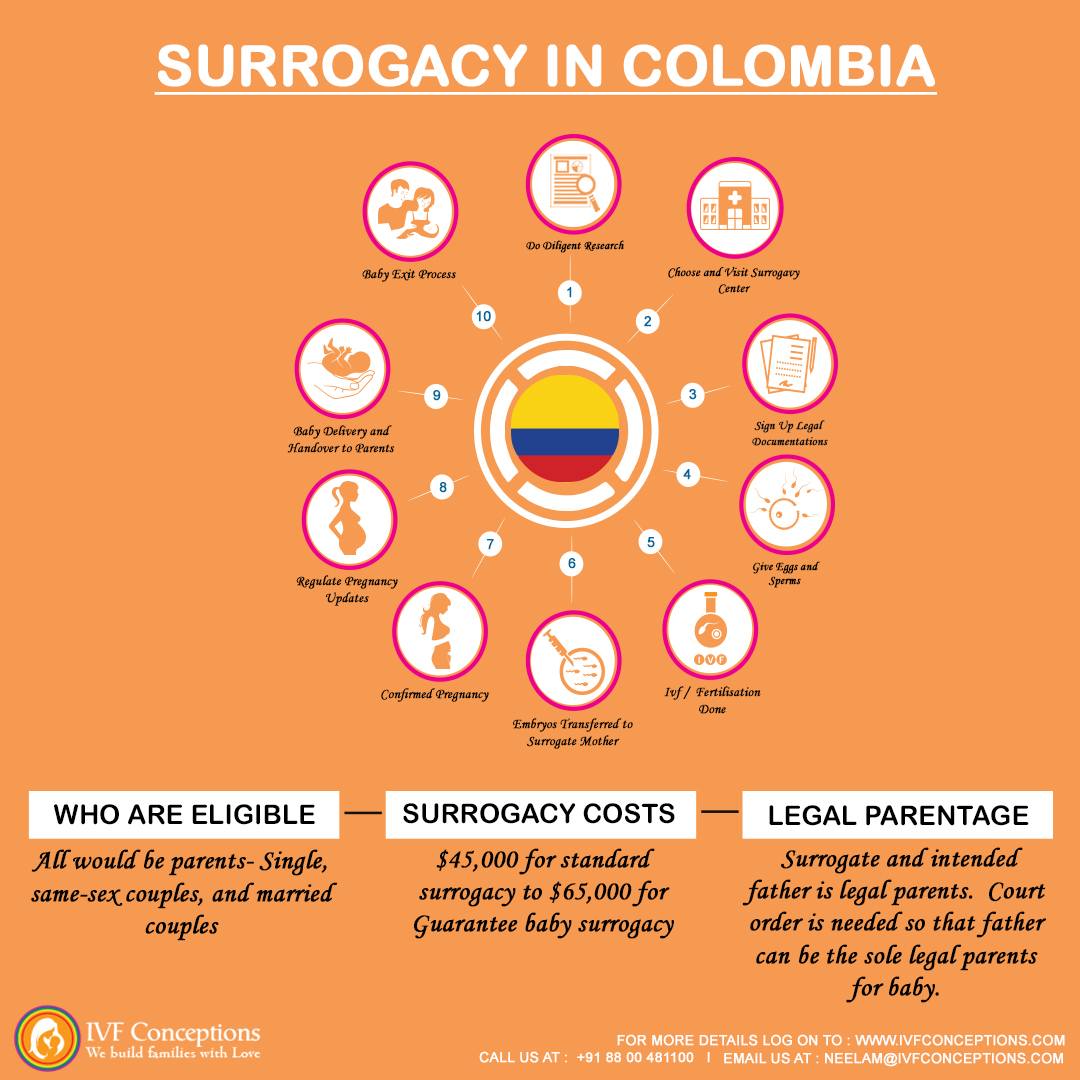
Why More Foreigners Are Choosing Colombia for Surrogacy in 2026
In 2026, more people are looking at Colombia for surrogacy. Changes in laws and travel rules have made it a top choice. There are both official programs and unofficial offers on social media, making it a complex market.
People want places that offer good medical care, are welcoming, and affordable. Colombia meets these needs with its modern clinics and hospitals. It’s great for parents who need care for high-risk births.
Overview of the 2026 trend toward Colombia as a surrogacy destination
Courts in Colombia have made it easier for many to become parents. This is good news for same-sex couples, single parents, and others who face barriers elsewhere.
Changes in laws have made some places less appealing. Colombia is now seen as a good choice for those looking for a balance between legal issues and welcoming care.
Primary drivers: inclusivity, competitive pricing, and established clinics
Colombia is known for being welcoming to all kinds of families. This is a big draw for U.S. clients.
The cost of surrogacy in Colombia is also attractive. It’s not as expensive as the U.S. but better than some very cheap places. This makes it a good middle ground for those who want quality without breaking the bank.
Colombia has strong clinics and hospitals. They offer the latest in IVF and NICU care. This makes it a safe choice for parents.
How Colombia compares to other top destinations (USA, Georgia) in 2026
The U.S. is a top choice for some, thanks to its strong laws and protections. But it’s also very expensive.
Georgia is another option, known for its clear laws and lower costs. But it’s mainly for heterosexual couples, which limits its appeal.
Colombia is a middle ground. It’s welcoming, has good prices, and strong medical care. The main difference is that it often recognizes parentage after birth, not before. This is something to consider when choosing between Colombia, the U.S., or Georgia.
Colombian surrogacy legal environment and implications for foreign intended parents

Colombia doesn’t have one law for third-party reproduction. Courts have made rules to help. These rules guide international parents through the surrogacy process in Colombia.
Current legal reality
The Constitutional Court has protected the rights of children born through assisted reproduction. Judges have made decisions for each case, not automatic orders. Congress asked for rules in 2022, but they are still missing.
Practical implications
Most parents must go to court after the baby is born to be recognized in Colombia. They need to file papers, get court-ordered birth records, and get travel documents.
U.S. couples should have two lawyers: one in Colombia for local laws and one at home for paperwork. This helps avoid delays or statelessness when leaving Colombia.
Risks from the legal vacuum
The lack of clear laws has led to scams. Reports show illegal ads, secret payments, and fake documents. These can harm the child’s rights and cause long legal battles.
Weak laws also lead to exploitation. There are reports of pressuring women, bad medical care, and tampering with documents. So, choosing clinics and lawyers carefully is crucial.
Here’s a quick guide to help plan:
| Stage | Typical action in Colombia | Usual timing | Primary risk |
|---|---|---|---|
| Pre-transfer counseling | Clinic consultation, legal retainer, donor/surrogate screening | 2–6 weeks | Incomplete contracts or unclear financial terms |
| Birth and hospital paperwork | Live-birth notification, neonatal care, hospital affidavit | At birth to 7 days | Inaccurate or altered entries on birth records |
| Judicial parentage procedure | Pleadings to family court to recognize intended parents | 4–12 weeks (varies by court) | Delays, need for additional evidence, inconsistent rulings |
| Civil registry and passport steps | Issuance of birth certificate, consular steps for U.S. passport | 2–8 weeks after court order | Consular refusal if documents appear fraudulent |
| Post-return recognition in U.S. | Home-state steps: parentage affidavit, adoption or court order | Varies by state | Additional adoption requirement if Colombia documents are insufficient |
Colombia surrogacy process: step-by-step for international intended parents
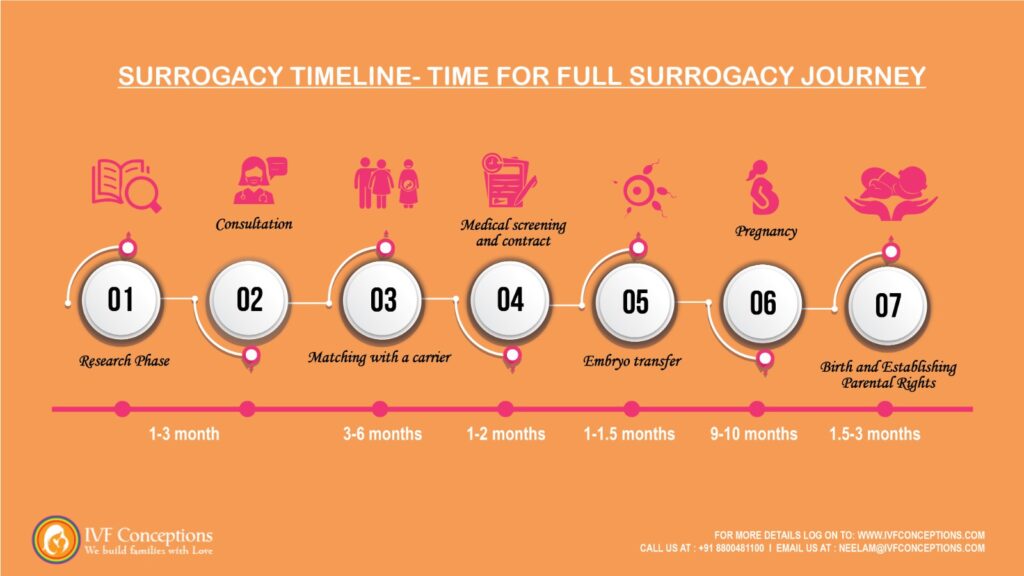
Intended parents start with a detailed consultation. They share medical records, fertility history, and family status. It’s important to check the clinic’s credentials, success rates, and staff qualifications.
Legal steps happen at the same time as medical checks. You need a Colombian and a U.S. lawyer to handle legal matters. Look for clear contracts, legal counsel for the surrogate, and informed consent documents.
IVF and medical protocols follow strict standards. Most use gestational surrogacy and IVF with the intended parents’ or donor gametes. Make sure the clinic’s protocols match your plan.
It’s crucial to choose a hospital with a reliable NICU. Good clinics have hospitals where parents can stay with the baby. Ask for emergency plans and insurance details to avoid surprises.
Birth and civil registration need careful planning. The birth certificate lists the delivering woman as the mother. After birth, legal steps are key to establishing parentage.
Colombian surrogacy usually gets legal recognition after birth. Courts change the birth certificate with formal orders. Keep detailed records for parentage petitions.
U.S. parents must work with the embassy or consulate. They need to know about passports, citizenship, and consular birth registration. Plan visits to get travel documents quickly.
When choosing surrogacy services, ask for clear steps and documents. Good communication and verified credentials help control the journey.
Colombian surrogacy services for foreigners: agencies, hospital coordination, and logistics
Choosing surrogacy services in Colombia for foreigners means checking agencies, hospitals, and legal partners carefully. A good agency helps coordinate, not just find a quick solution. Parents should see clear steps, contracts, and hospital connections before planning travel.

What reputable agencies should provide
Good surrogacy agencies in Colombia match parents with screened carriers. They check medical history, disease tests, and mental health (with consent). They also show proof of the surrogate’s informed consent.
Medical coordination is key. Agencies must confirm hospitals with NICU and prenatal care teams. They plan for parents to stay with the baby until discharge. They also offer translation, transport, and lodging help.
Legal services are part of trusted Colombian surrogacy. Agencies refer to lawyers and help with documents. They also help with embassy procedures and escrow or payment plans.
Red flags to watch for
- Social-media ads for quick, cheap deals — often scams.
- Claims to skip legal steps after birth, like a doctor or notary list, without a process.
- Agencies not sharing hospital ties, contracts, or surrogate legal advice.
- Reports of surrogates being forced, confined, or promised sex selection.
How to verify clinics and agencies in the United States
First, ask for hospital names and doctor contacts. Check hospital services and licenses yourself. Ask for clinic credentials and Surrogacy success rates.
Get references and check them yourself. Look for legal counsel and escrow proof. Contact the U.S. embassy in Bogotá for exit and passport info and fraud alerts.
Look for the best agency in Colombia with clear hospital ties, fees, and travel and document processes. Verifying everything helps ensure safe, ethical outcomes for everyone.
Ethical considerations and surrogate welfare in Colombia
The well-being of Colombian surrogate mothers is key. Ethical surrogacy means the woman gets her own legal advice. She must give clear consent at each step and receive fair pay, kept safe until birth.
Before transferring an embryo, the surrogate should undergo psychological checks. Her pregnancy care should be well-documented. She should also have access to top-notch neonatal care and freedom during her pregnancy.
Reports have shown bad practices like locking up surrogates and making cash payments without formal agreements. Stay away from agencies that use social media or private networks instead of legal contracts.
Surrogate agreements must cover important topics like medical decisions and how to handle disputes. They should also include details on maternity leave, cesarean sections, and any pregnancy complications.
Good agencies offer ongoing healthcare and support during and after pregnancy. They also provide long-term care for the surrogate. Clinics should meet international standards, like those from the American Society for Reproductive Medicine (ASRM).
U.S. parents should think carefully about surrogacy in Colombia. Look for clear, honest practices and check references. Cheap deals often hide risks and unethical practices.
When choosing a program, make sure the surrogate has her own lawyer and has given informed consent. Also, ensure the payment is secure. These steps protect the surrogate and uphold ethical standards in Colombia.
Cost of surrogacy in Colombia and budgeting for international surrogacy
Starting to plan surrogacy in Colombia means looking at numbers and setting aside extra money. The cost of surrogacy in Colombia is usually in the middle compared to the U.S. and Georgia. In 2026, you can expect to pay between $50,000 and $75,000, depending on the clinic, medical needs, and legal help needed.
In comparison, U.S. programs often cost between $100,000 and $250,000. Georgia’s prices are closer to $40,000–$70,000. These differences help you think about the quality of care, travel, and legal work when considering Colombia.
Typical cost ranges and what’s usually included
A standard package usually includes IVF, embryo transfer, prenatal care for the surrogate, hospital fees, basic compensation for the surrogate, and agency help. Check if NICU care and extra neonatal costs are included or extra.
Travel, contingencies, and surrogacy budgeting in Colombia
Plan for travel and lodging for the intended parents, visa fees, and translation costs. Set aside 10–15% of the package for unexpected costs like NICU stays, surgeries, or travel delays. This is key for responsible budgeting in Colombia.
Financial and ethical risks tied to low-cost offers
Ads on social media with very low prices might be scams. These scams often ignore surrogate welfare and legal protections. Low prices in Colombia might mean low pay, weak contracts, or fake documents.
Low pay and secret payments can lead to exploitation and legal problems. They can cause delays in travel for the child or even criminal investigations. Choosing verified clinics, accredited agencies, and independent lawyers reduces these risks.
When looking at options, ask for references, clinic accreditation, and sample contracts. Clear costs and documented NICU care protect both parents and the surrogate. This makes the true cost of surrogacy in Colombia clear.
Additional resources to read:
Surrogacy in Colombia for US Citizens
Exploring Surrogacy in Colombia
Conclusion
Colombia is becoming a top choice for U.S. parents looking for surrogacy in 2026. It offers great prices, welcoming clinic policies, and strong NICU support. These advantages make Colombia a strong option for surrogacy abroad. Yet, it’s important to understand the legal challenges that come with it.
When considering surrogacy in Colombia, you need to be very careful. Always get legal advice from both a Colombian and a U.S. lawyer. Make sure you have a detailed budget and check the credentials of clinics and hospitals. Also, confirm that the agency provides translation, lodging, and visa help.
Stay away from cheap deals and social media offers. Look for agencies that respect the surrogate’s rights and provide legal support. This way, you can avoid legal problems and ensure a smooth journey to becoming parents.
Before starting, make sure you have a financial safety net. Also, get clear contracts that outline how to solve any issues. Choose providers who care about the surrogate’s well-being and follow medical standards. This reduces the risk of problems and makes the process fair and legal.
Here’s what to do next: meet with top clinics and lawyers. Ask for proof of NICU facilities and references. Also, get advice from your embassy on passport and citizenship steps before the embryo transfer. With careful planning, Colombia can be a great choice for surrogacy in 2026, offering quality and affordability.
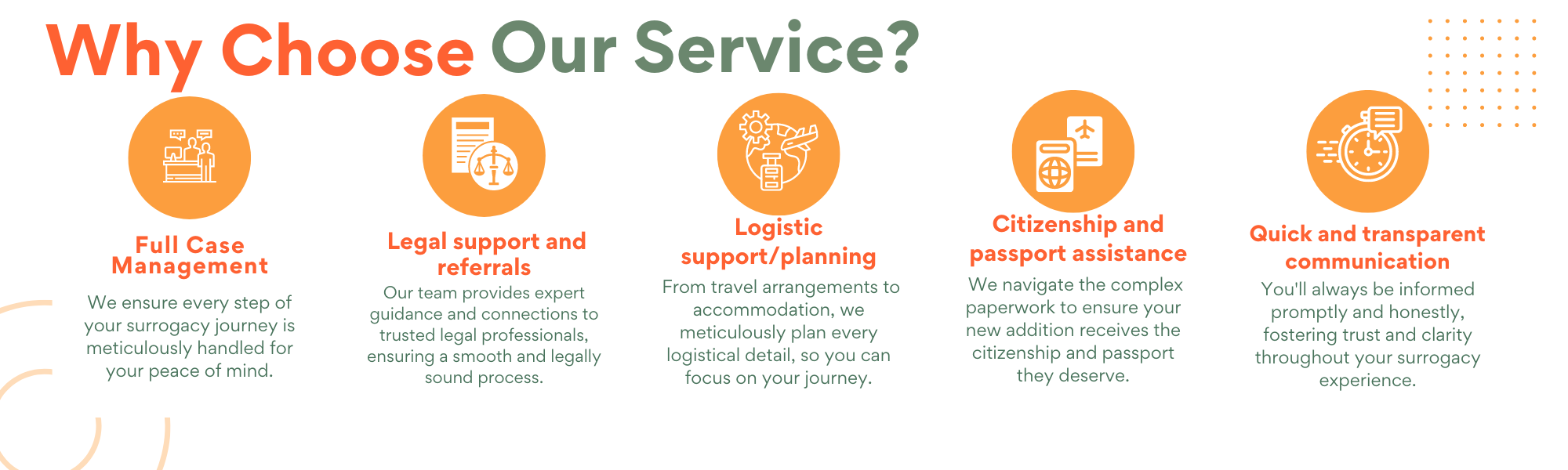
💫 Why Intended Parents Choose Complete Surrogacy for a Safe, Smooth & Successful Surrogacy Journey:
🌍 Access to multiple surrogacy destinations with 15+ years of international experience
🏥 Partnerships with top-tier fertility clinics and agencies, backed by references from past clients
👩🦱 Diverse egg donor options: Asian, Caucasian, African, Oriental, and more
💸 Transparent and affordable pricing—direct payments with no extra agency fees
🔒 No hidden costs—all charges are agreed upon upfront
🤝 Dedicated case manager for personalized support
📲 Fast, honest, and clear communication throughout
📑 Full legal support for visas, documentation, and baby exit processes
🚚 Assistance with frozen sperm/embryo shipment logistics
FAQ: Why More Foreigners Are Choosing Colombia for Surrogacy in 2026.
Why are more foreigners choosing Colombia for surrogacy in 2026?
Colombia is becoming a top choice for international surrogacy in 2026. It has clear legal pathways for parents, modern IVF care, and affordable costs. Costs are around $50,000–$75,000, making it cheaper than many U.S. states.
Is surrogacy legal in Colombia for foreign intended parents?
Colombia doesn’t have a national surrogacy law yet. But the Constitutional Court has made rules to help. These rules mean parents can get legal recognition after the baby is born.
What are the main legal implications for U.S. intended parents using surrogacy services in Colombia?
U.S. parents might need to get legal recognition in Colombia after the baby is born. They also need to handle the baby’s passport and citizenship. It’s best to have lawyers in both countries to avoid problems.
What risks should intended parents be aware of given Colombia’s regulatory gaps?
There are risks like fake paperwork and exploitation of surrogates. It’s important to check everything carefully to avoid these problems.
How should I begin vetting clinics, agencies, and lawyers in Colombia from the United States?
First, ask for clinic accreditations and success rates. Check if the agency has contracts and legal help for the surrogate. Also, confirm the hospital’s NICU and embassy procedures.
What medical and IVF protocols are commonly used in Colombian surrogacy programs?
Most use gestational surrogacy with IVF. They follow standard steps for making embryos and transferring them. They also have partnerships with hospitals for NICU care.
What happens at birth and how are birth certificates handled in Colombia?
At birth, the doctor fills out a birth certificate. But, intended parents usually need to get a court order to change it. Working with a lawyer and the U.S. consulate is key for the right documents.
What services should a reputable surrogacy agency in Colombia provide?
Good agencies match you with screened surrogates and help with legal and medical stuff. They should have clear contracts and handle payments safely.
What are common red flags that indicate underground or unethical operations?
Be wary of ads promising quick, cheap surrogacy. Also, watch out for offers to skip legal steps or no written contracts. These signs often mean trouble.
How much does surrogacy in Colombia typically cost and what should be included?
Costs are about $50,000–$75,000, which is less than in the U.S. but more than in some other countries. Make sure the price includes all medical and legal services.

Highly esteemed, authoritative, and trusted professional with a 14-year of experience in international surrogacy. Advocate for Secure, Legal, and Affordable International Surrogacy.
Neelam Chhagani, MA (Counselling Psychology) and Holistic Infertility and Third-Party Reproduction Consultant.
Member of European Fertility Society, Best Surrogacy Blogger of 2020, with 300 dedicated blogs, and top contributor on Quora for Surrogacy.
Add Your Comment