

Understanding embryo testing, PGT, and genetic screening in surrogacy is essential for improving success rates and reducing medical risks during the surrogacy journey. These advanced tests help identify chromosomal abnormalities and inherited genetic conditions before embryo transfer, allowing doctors to select the healthiest embryos for implantation.
By using techniques such as PGT-A and carrier screening, intended parents can lower the risk of miscarriage, failed implantation, and genetic disorders, leading to higher chances of a healthy pregnancy. When combined with a well-managed surrogacy program, genetic screening adds an extra layer of confidence, safety, and informed decision-making for intended parents.
Key Takeaways
- Embryo Testing is now common in gestational surrogacy and affects selection and transfer decisions.
- PGT (PGT-A, PGT-M, PGT-SR) is used to screen for aneuploidy, single-gene disorders, and structural rearrangements.
- Integrated, physician-led programs offer coordinated IVF, PGT in surrogacy, and legal support that can reduce delays.
- Agency-assisted versus independent models influence access, timing, and case coordination for embryo genetic testing.
- Ethical practice and informed consent are core priorities when choosing embryo screening and selection strategies.
📞 Get in Touch for a Free Surrogacy Consultation
📱 +91-8800481100 (WhatsApp | LINE | Viber)
📧 neelam@ivfconceptions.com
🌐 www.ukrainesurrogacyagency.com

Understanding Embryo Testing, PGT, and Genetic Screening in Surrogacy
Embryo testing is key in modern surrogacy. It helps intended parents make choices about screening and testing. Doctors use clear terms to explain tests and outcomes, helping you understand risks and benefits.
Definitions and common terms
Preimplantation genetic testing (PGT) covers tests done on embryos before they’re transferred. PGT-A checks for abnormal chromosome numbers. PGT-M looks for specific genetic conditions. PGT-SR checks for structural problems in chromosomes.
Clinics take a few cells from the outer layer of the embryo for testing. This is done at the blastocyst stage. The inner cells are left untouched. Labs then grow the embryos and freeze them after the biopsy. This helps decide which embryo to transfer and when.
You might also hear about embryo screening and genetic testing. Older terms like PGS are now called PGT-A. Testing embryo quality involves checking its appearance and how it develops.
Donor gametes and embryos play a role, too. Known donors might be tested differently than anonymous ones. Clinics tailor genetic screening to meet the needs of all involved.
Why genetic testing matters in gestational surrogacy
Genetic screening lowers the risk of miscarriage due to chromosomal issues. PGT-A can reduce the chance of failed transfers. This can shorten the time it takes to get pregnant.
For parents with genetic conditions, PGT-M is crucial. It helps avoid passing on certain conditions. PGT-SR helps couples with specific genetic issues avoid unbalanced embryos.
In surrogacy, the carrier isn’t genetically related to the child. Clear genetic results help intended parents feel secure. They help decide whether to transfer one or multiple embryos.
Genetic testing is emotionally and practically significant. It can reduce uncertainty but increases costs and counseling needs. Some centers discuss the sex of the embryo, which is a big decision for families and providers.
| Term | What it checks | When used |
|---|---|---|
| PGT-A | Chromosome number (aneuploidy) | Advanced maternal age, recurrent miscarriage, failed transfers |
| PGT-M | Specific single-gene disorders | Known carrier couples, family history of genetic disease |
| PGT-SR | Unbalanced structural rearrangements | Parents with balanced translocations or inversions |
| Trophectoderm biopsy | Cells taken from blastocyst’s outer layer | Biopsy before vitrification and genetic analysis |
| Embryo quality testing | Morphology and developmental metrics | Routine lab practice to rank embryos for transfer |
Who should consider PGT in a surrogacy journey?
Choosing to test embryos involves looking at medical history, donor reports, and personal values. Intended parents and surrogates should talk about this early with a doctor and a genetic counselor. This ensures decisions match medical, legal, and ethical needs.
Medical indications for PGT-A, PGT-M, and PGT-SR
PGT-A is often suggested for those with failed implantations, miscarriages, or older age. It aims to lower the risk of genetic issues. Clinics with certain accreditations use strict criteria for recommending PGT-A.
PGT-M is for those carrying a known genetic disorder, like cystic fibrosis. It’s crucial to have a diagnosis before starting PGT-M.
PGT-SR is for parents with certain chromosomal issues. It helps choose healthy embryos for transfer.
Situations with donor gametes or donor embryos
Donor eggs and sperm often come with genetic screening. Clinics should check these reports before transferring embryos.
Using donor embryos? It’s important to know if they’ve been tested. If not, you might discuss PGT-A, PGT-M, or PGT-SR based on family history or donor reports.
Even with donor screening, more testing might be needed, especially with known family risks.
When to skip or delay PGT
Those with young gametes, no IVF failures, and no genetic disease history might choose to skip PGT-A. This avoids extra costs and decisions.
For those with tight timelines, like international transfers, genetic screening might be delayed. Clinics should explain the risks and involve a genetic counselor in planning.
Here’s what to do: talk to a genetic counselor, ask for donor genetic reports, and document your choices. Clinics with clear protocols can guide you through PGT in surrogacy.
How the PGT process works in a surrogacy cycle
The PGT process in a surrogacy cycle has a clear plan. It involves the clinic, genetics lab, and legal team working together. This teamwork makes sure the surrogate’s schedule and legal steps match the testing schedule.
IVF workflow integration with PGT
The process starts with ovarian stimulation and egg retrieval. Then, fertilization happens through IVF or ICSI, based on sperm quality and past experiences.
After that, embryos grow to the blastocyst stage (day 5–7). At this stage, a biopsy is done for genetic testing. The biopsied embryos are frozen, allowing for flexible transfer timing.
Most programs choose frozen embryo transfer for surrogacy. This method allows time for genetic testing and legal preparations. The clinic prepares the surrogate’s uterus, while legal teams finalize Surrogacy contracts and orders.
Biopsy methods, lab standards, and turnaround
Trophectoderm biopsy is the standard method at the blastocyst stage. It’s less invasive and gives more cells for testing than earlier methods.
Labs doing embryo testing must meet CLIA and CAP standards. Many centers share their testing methods and promise quick results.
Next-generation sequencing (NGS) is used for PGT-A and PGT-SR. Targeted PCR or allele-specific assays are used for PGT-M. Results usually take 7 to 14 business days, but some programs offer faster options.
Interpreting results and embryo selection
Reports classify embryos as euploid, aneuploid, mosaic, or show single-gene results. Mosaic findings need careful discussion about risks and potential for success.
Genetic counselors, reproductive endocrinologists, and surrogacy coordinators help make decisions. They guide on evaluating embryos, consent for mosaic transfers, and any requests for sex selection. They also consider legal and ethical aspects.
Benefits, limitations, and risks of embryo genetic testing in surrogacy
Embryo genetic testing is becoming more common in surrogacy. It offers many benefits but also has its downsides. This section will cover the good and bad sides of this testing.

Testing can help choose a healthy embryo. This might lower the chance of miscarriage or failed transfers. It’s especially helpful for older parents or those who have had trouble getting pregnant before.
It also supports the idea of transferring just one embryo. This reduces the risk of complications for the surrogate.
Limitations and potential downsides
Even with testing, there’s no guarantee of a successful pregnancy. It can’t catch all genetic or developmental issues. Sometimes, the results show mosaicism, which can be uncertain.
Some mosaic embryos might still lead to a healthy baby. But others might not implant or could cause problems.
Testing can also be expensive. Couples might need more IVF cycles if no healthy embryos are found. There are ethical concerns, too, like non-medical sex selection and the cost of care.
Clinical and lab risks
There’s a small risk of harm to the embryo during the biopsy. But it’s rare. There’s also a chance of damage during the procedure.
Lab errors are rare but serious. They can lead to big problems. It’s important to choose a lab with good quality control.
Practical guidance
Consider the benefits and risks of genetic testing carefully. Talk about it with your doctor and make sure the lab is reliable. Plan your budget and have a backup plan in case of unexpected costs.
| Area | Key Points | Action for Intended Parents/Clinics |
|---|---|---|
| Clinical effectiveness | Improves euploid embryo selection; may lower miscarriage and failed transfers | Consider PGT-A for advanced maternal age or recurrent loss |
| Genetic disease avoidance | PGT-M prevents transmission of known mutations | Use mutation-specific assays and genetic counseling |
| Ethical and emotional impact | Raises issues of access, sex selection, and psychological burden | Provide independent counseling and clear informed consent |
| Costs and logistics | Higher upfront costs; may require extra IVF cycles | Budget for testing, storage, and potential contingency cycles |
| Laboratory safety | Risk of lab errors and false results exists | Choose accredited labs with documented QC and traceability |
| Follow-up testing | PGT often needs prenatal confirmation | Plan for cell-free DNA or invasive testing as recommended |
Legal, ethical, and counseling considerations for genetic screening in surrogacy
Genetic screening in surrogacy raises important legal and ethical questions. It affects everyone involved. Clear protocols help you and your team understand legal aspects while protecting everyone’s interests.
Start with informed consent for PGT. Each person should meet a genetic counselor. They explain PGT types, limits, and possible outcomes.
Independent legal advice is key. Many clinics require separate attorneys for intended parents and carriers before contracts or transfers. Contracts should cover who decides on mosaic transfers and what happens to affected embryos.
Psychological evaluation for carriers checks their ability to give informed consent. Ongoing counseling helps with decisions if PGT reveals unexpected findings. Counseling notes can clarify future care and disputes.
Ethical debates are evolving under Surrogacy Policy 2026. Topics include access to PGT, limits on non-medical sex selection, and rules on clinic advertising. Professional guidance from groups like ASRM informs clinic standards and consent language.
Choosing labs, providers, and programs for PGT and embryo testing
Choosing the right team for PGT and embryo testing is crucial. You need clear standards, reliable timelines, and a care plan that protects everyone. Look for technical quality, counseling access, and clear costs.

What to look for in IVF labs and genetic testing services
First, check for accreditation. CLIA and CAP mean the lab is regularly checked for quality. Labs with low error rates and validated NGS platforms are more reliable.
Find out about the lab’s PGT-M platform. Experienced molecular assays help avoid unclear results. Make sure they have secure sample transport and quick turnaround times.
Look for labs that offer genetic counseling. Counseling helps understand results and makes choosing embryos easier.
Working with agencies, clinics, and surrogacy coordinators
Go for Surrogacy clinics or agencies with integrated teams. Places like Collab Fertility offer medical, legal, and emotional support. This streamlines the process.
Surrogacy coordinators handle scheduling and logistics. Check their experience with biopsy, shipping, and storage, especially for out-of-state labs.
Ensure agencies support independent counseling and legal help. Look at their success rates, references, and pricing to avoid surprises.
Questions to ask during provider selection
- Lab credentials: Are you CLIA/CAP-accredited? Which PGT platforms do you use?
- Technical detail: What is your biopsy method and reporting turnaround? How do you handle mosaic results?
- Counseling and legal support: Do you coordinate genetic counseling and independent legal counsel for intended parents and surrogates?
- Surrogate care: Are surrogates covered by comprehensive insurance and provided with psychological or surrogate parenting support?
- Costs and guarantees: What fees cover biopsy, analysis, vitrification, and storage? Do you offer guaranteed blastocyst or per-embryo pricing?
- Logistics: How are international shipping and legal steps handled when using an out-of-state lab?
- Communication: Who is the dedicated case manager and what secure platforms are used for documents and results?
- Policy clarity: What are your policies on embryo disposition, mosaic embryo transfer, and emergency result protocols?
When picking PGT provider teams, focus on accredited labs, clear contracts, and clinic teams with experience. Good coordination between labs, genetic services, and coordinators reduces delays and boosts confidence.
Costs, insurance, and financing for embryo testing and PGT in surrogacy
Planning a surrogacy journey means dealing with finances. You’ll see many costs from clinics and agencies. This includes IVF cycle fees, legal fees, and more. Getting clear estimates helps you compare prices for embryo testing and storage.
Typical cost components in the United States
Expect to pay for stimulation, retrieval, and ICSI if needed. There are also fees for culture, vitrification, and biopsy. Plus, you’ll need to pay for PGT laboratory analysis.
Frozen embryo transfer, surrogate compensation, and agency fees are extra. Legal work and contingency reserves are also part of the cost. In the U.S., these costs can add up to over $100,000.
Some clinics offer fixed prices for PGT. It’s important to ask about biopsy, analysis, and reporting costs. This helps you understand the total cost of PGT.
Insurance coverage and financing options
Many Surrogacy insurance plans don’t cover embryo testing or donor gametes. But some employer benefits might help with IVF or storage costs. Always check your insurance before starting.
There are ways to finance surrogacy, like fertility loans or payment plans. Some lenders offer terms based on medical milestones. Make sure to get a detailed estimate and ask about storage fees.
Cost differences for domestic vs international programs
Domestic U.S. programs are often more expensive. But they offer clear legal frameworks and high medical standards. This reduces legal risks and ensures U.S. citizenship for babies born here.
International options might seem cheaper at first. But, they come with travel costs, legal fees, and possible delays. These can add up and affect how long it takes to become parents.
When comparing costs, look at detailed invoices. Consider legal risks, total time, and extra trips. Weigh the initial savings against the benefits of U.S.-based programs.
Next steps include getting detailed bids, checking insurance, and asking about storage fees. Also, explore financing options that fit your needs and risk level.
Additional Resources to read:
Egg & Sperm Donor Regulations Around the World.
Comparing Fertility Clinics Abroad
Best Egg Donation Programs for International Surrogacy
How Much Does IVF with an Egg Donor Cost
Conclusion
PGT and embryo testing in surrogacy are key tools for better embryo selection and risk reduction. They give clear information to parents and clinics. But they are not needed by everyone.
Medical needs, donor status, cost, and legal rules should decide if PGT is right. Independent genetic counseling and legal advice are crucial before starting.
Start by gathering medical records and reports from carriers or donors. Talk to a reproductive endocrinologist and a genetic counselor. Also, get detailed cost estimates and check lab credentials.
Look for providers with clear pricing, accredited labs, and strong support. Plan your finances with a safety net. Consider the legal and timeline differences between domestic and international options.
Ask your clinic, agency, and lawyer lots of questions. Use pgt as part of a bigger, ethical surrogacy plan. These steps help make genetic data useful for safer choices.
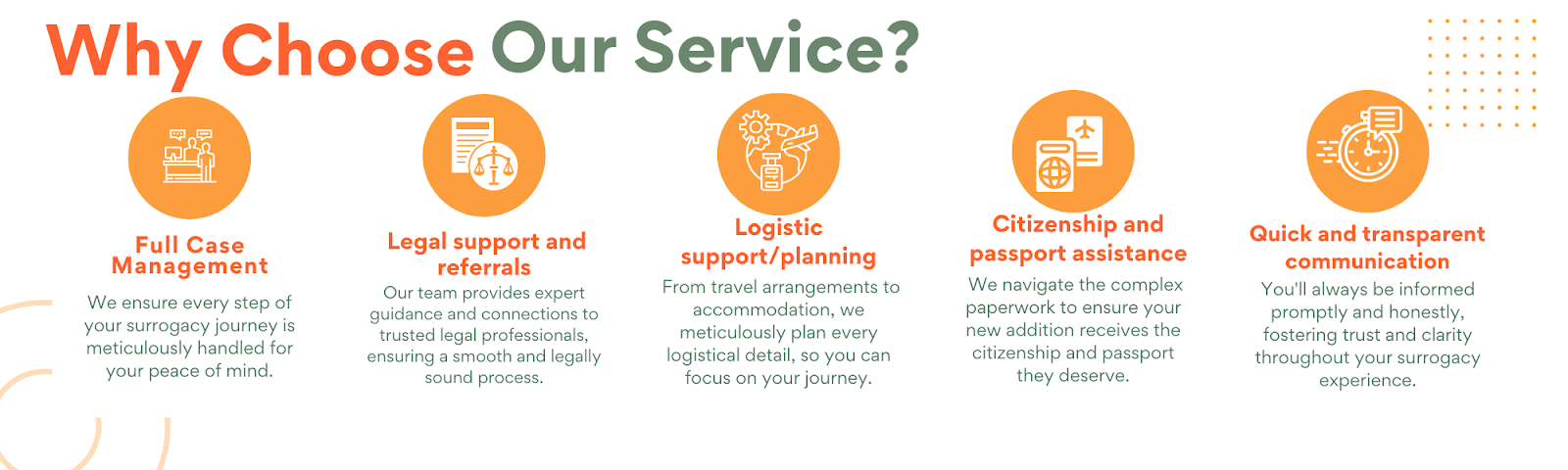
💫 Why Intended Parents Choose Complete Surrogacy for a Safe, Smooth & Successful Surrogacy Journey:
🌍 Access to multiple surrogacy destinations with 15+ years of international experience
🏥 Partnerships with top-tier fertility clinics and agencies, backed by references from past clients
👩🦱 Diverse egg donor options: Asian, Caucasian, African, Oriental, and more
💸 Transparent and affordable pricing—direct payments with no extra agency fees
🔒 No hidden costs—all charges are agreed upon upfront
🤝 Dedicated case manager for personalized support
📲 Fast, honest, and clear communication throughout
📑 Full legal support for visas, documentation, and baby exit processes
🚚 Assistance with frozen sperm/embryo shipment logistics
FAQ: Embryo Testing, PGT, and Genetic Screening in Surrogacy
What is preimplantation genetic testing (PGT) and what are its subtypes?
PGT is a genetic test done on embryos before they are transferred. It checks for extra or missing chromosomes (aneuploidy) and specific genetic diseases. It helps choose the best embryo but doesn’t guarantee a successful pregnancy.
How does embryo biopsy, blastocyst culture, vitrification, and embryo transfer work in PGT?
Embryos grow to the blastocyst stage before being tested. A small sample is taken for genetic analysis. The embryos are then frozen and tested.
Where does PGT fit into the modern surrogacy journey?
PGT is part of the IVF process in surrogacy. It happens after egg retrieval and fertilization. The embryos are then tested and selected for transfer.
Why is gestational surrogacy described as separating genetics from pregnancy?
Gestational surrogacy uses embryos created with the intended parents’ or donors’ gametes. The carrier has no genetic link to the child. This makes legal parentage clearer in some places.
Who should consider PGT in a surrogacy journey?
PGT is recommended for those with medical reasons. This includes recurrent implantation failure and advanced maternal age. It’s also for those who want to reduce time-to-pregnancy.
How do donor gametes or donor embryos affect testing practices?
Donor eggs, sperm, and embryos often have genetic screening. This screening can reduce the need for further testing. However, it doesn’t eliminate all genetic risks.
When is it reasonable to skip or delay PGT-A?
Young gamete age and no prior IVF failures might mean skipping PGT-A. It saves cost and avoids biopsy decisions. Time constraints can also lead to delaying PGT.
What are the typical steps of IVF integration with PGT in surrogacy?
The process starts with ovarian stimulation and egg retrieval. Then, fertilization and embryo culture to the blastocyst stage.
What biopsy methods and lab standards should I expect, and how long do results take?
Trophectoderm biopsy is the standard. It’s safer and more informative. Labs should be CLIA- and CAP-accredited.
How are PGT results interpreted and used to select embryos?
Results categorize embryos as normal, aneuploid, mosaic, or specific genetic findings. Euploid embryos are prioritized for transfer.
What are the main benefits of embryo genetic testing in surrogacy?
Benefits include improved embryo selection and reduced failed transfers and miscarriage risk. It avoids specific genetic diseases and supports single-embryo transfer.
What are key limitations and potential downsides of PGT?
PGT does not guarantee live birth. Limitations include mosaic result uncertainty and increased costs. It can be emotionally burdensome if no suitable embryos are found.
What clinical and laboratory risks should be considered?
Trophectoderm biopsy risks are low but not zero. Laboratory risks include rare but consequential errors and false positives/negatives.
What informed consent and counseling are required for PGT in surrogacy?
Both intended parents and gestational carriers should receive pre-test genetic counseling. This includes explaining PGT types, limitations, and possible outcomes.
How do state laws affect PGT, surrogacy, and parental rights?
Jurisdiction matters. Surrogacy-friendly states provide clearer pathways for pre-birth parentage orders. International surrogacy adds complexity with variable recognition of parentage.
What ethical issues and policy trends are emerging in 2026 regarding PGT?
Trends include debates about equitable access to PGT and restrictions on non-medical sex selection. Professional societies emphasize informed consent and nondirective counseling.
What should I look for when choosing IVF labs and genetic testing services?
Prioritize CLIA and CAP accreditation, validated NGS platforms, and experienced molecular assays. Strong chain-of-custody and quality-control processes are essential.
How do service models (agency-assisted vs independent) affect PGT access and timelines?
Agency-assisted programs often coordinate IVF, PGT, legal counsel, and surrogacy logistics. This can streamline scheduling and costs.
What questions should I ask providers about PGT and surrogacy?
Ask labs about accreditation, PGT platforms, and biopsy and reporting turnaround. Ask clinics/agencies about coordination with genetic counseling and independent legal counsel.
What are the typical cost components for PGT and surrogacy in the U.S.?
Costs include IVF cycle fees, ICSI if needed, embryo culture and vitrification, biopsy fees, and PGT laboratory analysis. Other costs include embryo storage, frozen embryo transfer, surrogate compensation, and legal fees.
Are PGT and embryo testing covered by insurance, and what financing is available?
Many health insurance plans do not cover PGT or donor gametes. Employer fertility benefits sometimes cover parts of IVF or storage.
How do domestic and international surrogacy costs and risks compare when PGT is involved?
Domestic U.S. programs generally cost more but offer predictable legal frameworks and high medical standards. International programs may have lower headline medical costs but add travel and variable parentage recognition.

Highly esteemed, authoritative, and trusted professional with a 14-year of experience in international surrogacy. Advocate for Secure, Legal, and Affordable International Surrogacy.
Neelam Chhagani, MA (Counselling Psychology) and Holistic Infertility and Third-Party Reproduction Consultant.
Member of European Fertility Society, Best Surrogacy Blogger of 2020, with 300 dedicated blogs, and top contributor on Quora for Surrogacy.
Add Your Comment