


Did you know that nearly 2% of babies born through assisted reproductive technologies have genetic abnormalities? These could have been caught with preimplantation genetic testing. This shows how vital genetic screening is in today’s surrogacy.
Preimplantation genetic testing (PGT) has changed surrogacy. It gives parents a deep look into embryo health. This test lets doctors spot genetic issues before transferring the embryo. This boosts the chances of a healthy pregnancy.
Gestational Surrogacy is a complex and emotional journey to becoming parents. Genetic screening is a key tool for parents. It gives them peace of mind and lowers the risk of genetic problems. By choosing healthy embryos, families can have a better chance of a healthy baby.
PGD/PGT in surrogacy has become a game-changing step for intended parents seeking healthy pregnancies and improved success rates during IVF and surrogacy journeys. By allowing the selection of genetically normal embryos before transfer, Preimplantation Genetic Diagnosis (PGD) or Preimplantation Genetic Testing (PGT) helps reduce the risk of miscarriage, inherited disorders, and failed implantation.
But is PGD/PGT always necessary in a surrogacy program? How much does it cost? And when should you consider it?
In this guide, we’ll explore:
- What PGD/PGT means and how it works
- The key benefits of PGD/PGT in surrogacy
- Costs involved in adding PGD/PGT to your IVF cycle
- When it’s medically or strategically recommended
Key Takeaways
- PGT enables detailed genetic screening before embryo transfer
- Reduces the risks of genetic disorders in surrogacy pregnancies
- Provides detailed genetic insights for intended parents
- Improves the overall success rates of surrogacy procedures
- Offers advanced screening beyond traditional medical evaluations
📞 Get in Touch for a Free Surrogacy Consultation
📱 +91-8800481100 (WhatsApp | LINE | Viber)
📧 neelam@ivfconceptions.com
🌐 www.ukrainesurrogacyagency.com

Understanding PGD/PGT Testing in Modern Fertility Treatment
Preimplantation genetic testing is a big step in reproductive medicine. It lets doctors check embryos for genetic issues before they’re transferred. This is during assisted reproductive treatments.
Genetic testing has changed fertility treatments a lot. It gives parents-to-be important info about their embryos’ health and genetic risks. This way, doctors can pick the best embryos for a successful pregnancy.
Whether you’re pursuing surrogacy with your own embryos or donor eggs, understanding PGD/PGT can help you make informed decisions for a healthier and more successful outcome.
What is Preimplantation Genetic Testing?
Preimplantation genetic testing (PGT) is a detailed screening used in IVF. Its main goal is to look at embryos for specific genetic traits before they’re implanted.
- Identifies possible genetic problems
- Lessens the chance of inherited diseases
- Boosts the odds of a successful pregnancy
Different Types of Genetic Testing
There are many genetic testing types in PGT:
- PGT-A (Aneuploidy Testing): Checks embryos for chromosomal number issues
- PGT-M (Monogenic Disease Testing): Finds specific single-gene disorders
- PGT-SR (Structural Rearrangement Testing): Finds chromosomal structural changes
How the Testing Process Works
The embryo biopsy takes a few cells from each embryo for genetic study. Special labs then check these cells to see the embryo’s genetic makeup. This helps doctors choose the healthiest embryos for transfer.
Genetic testing gives doctors key info. It helps them make better choices during fertility treatments. This way, they can lower genetic risks.
The Role of PGD/PGT in Surrogacy
Genetic screening in surrogacy has changed how intended parents look at fertility treatments. PGD/PGT testing is key in picking the best embryos and boosting surrogacy success. It helps find the healthiest embryos before they are transferred.
Genetic screening brings many benefits to surrogacy:
- Identifies genetically healthy embryos
- Reduces the risk of genetic disorders
- Increases the chances of a successful pregnancy
- Provides detailed genetic insights
Intended parents get to choose embryos in a smarter way. Preimplantation genetic testing lets us check the chromosomal makeup of embryos. This way, only the best embryos are chosen for transfer.
Thanks to genetic screening, surrogacy success rates have gone up. The careful selection process cuts down genetic risks. It also makes a healthy pregnancy more likely. This makes both intended parents and surrogates feel more confident about their journey.
Genetic screening makes surrogacy a more hopeful and predictable path to parenthood.
Genetic testing in surrogacy is more than just finding problems. It’s a full approach to making healthy families. It brings peace of mind and raises the chances of a successful conception.
Benefits and Advantages of Genetic Testing
Genetic testing has changed reproductive medicine a lot. It gives new insights into how well an embryo might do and any health risks. This helps hopeful parents learn about their child’s genetic health.
Genetic testing is more than just regular medical tests. It lets people make smart choices about starting a family. It looks at many important parts of reproductive health.
Improved Embryo Selection
Choosing the right embryos is key in fertility treatments. Genetic screening finds the best embryos by checking for chromosomal problems. This makes a healthy pregnancy more likely.
- Identifies embryos with optimal genetic makeup
- Reduces unsuccessful embryo transfer attempts
- Minimizes risks associated with chromosomal abnormalities
Reduced Risk of Genetic Disorders
Preimplantation genetic testing lets doctors check embryos for certain genetic diseases. This way, parents can decide about their family’s genetic health before implantation.
| Genetic Condition | Screening Capability | Prevention Capability |
|---|---|---|
| Cystic Fibrosis | High | Significant |
| Huntington’s Disease | High | Substantial |
| Sickle Cell Anemia | High | Significant |
Family Balancing Options
Genetic testing opens up new ways for family balancing. Parents can now pick certain genetic traits. This makes family planning more personal.
Genetic testing is a powerful tool in modern reproductive medicine. It gives hope and choice to many families.
Cost Analysis of PGD/PGT Procedures
Genetic testing costs are a big part of the surrogacy journey. Those looking into PGD/PGT need to know the financial side of these advanced technologies.
The cost for genetic testing varies a lot. It can range from $4,000 to $10,000 for checking eight embryos. These costs include several parts:
- Initial consultation fees
- Embryo biopsy procedures
- Genetic screening laboratory analysis
- Comprehensive genetic disorder testing
Genetic testing adds to the IVF costs. The surrogacy budget must include these tests. They help lower the risk of future health problems.
| Genetic Testing Type | Average Cost Range | Coverage |
|---|---|---|
| PGT-A (Aneuploidy Screening) | $4,000 – $6,500 | Chromosome abnormality detection |
| PGT-M (Monogenic Disorders) | $6,500 – $10,000 | Specific genetic condition screening |
Many fertility clinics offer deals to help with costs. They might have financing plans, insurance, or packages that include genetic testing.
Investing in genetic testing can potentially reduce overall surrogacy expenses by minimizing the risk of genetic complications and multiple embryo transfers.
Who Should Consider PGD/PGT Testing
Genetic testing during surrogacy is a big decision for parents. It helps them understand their fertility journey and plan for the future.
Choosing PGD/PGT testing involves many personal and medical factors. It gives valuable insights for those facing reproductive challenges.
Age-Related Factors
Advanced maternal age is key in deciding on genetic testing. Women over 37 have higher risks of chromosomal problems. This makes PGD/PGT testing a good choice.
- Higher genetic mutation risks after age 35
- Increased likelihood of chromosomal irregularities
- Potential for improved embryo selection
Medical History Considerations
Genetic carrier status and recurrent pregnancy loss are important for genetic testing. Couples with certain medical backgrounds may need detailed genetic screening.
- Previous unexplained fertility challenges
- Family history of genetic disorders
- Multiple miscarriage experiences
Family Planning Goals
Your family planning goals can guide genetic testing decisions. Proactive genetic screening helps intended parents understand and manage genetic risks.
Genetic testing offers a pathway to understanding and mitigating genetic health challenges.
Talking to reproductive genetic specialists is the best way to decide on PGD/PGT testing. They can help you see if it fits your unique reproductive journey.
Potential Risks and Limitations

Preimplantation genetic testing gives us a deep look into embryo health. But, we must think about the risks. Knowing these helps parents make smart choices about their fertility journey.
The process of genetic testing is very careful. It can affect how well an embryo can grow. Luckily, new tech has made these risks much lower.
- Potential for minimal embryo damage during cell extraction
- Risk of false results in genetic screening
- Complex ethical considerations surrounding genetic selection
Genetic testing isn’t 100% right. Sometimes, it can give wrong answers. Labs work hard to make sure this doesn’t happen.
| Risk Category | Potential Impact | Mitigation Strategy |
|---|---|---|
| Embryo Biopsy | Potential cellular damage | Advanced microscopic techniques |
| Genetic Screening | Inconclusive genetic information | Repeat testing and thorough analysis |
| Ethical Screening | Potential genetic discrimination | Strict medical guidelines |
There are big ethical questions with genetic testing. Parents must think about the big picture. They need to weigh medical needs against their personal beliefs.
Genetic testing gives us deep insights, but it should never replace caring medical decisions.
Talking to genetic counselors and fertility experts is key. They help patients understand the complex risks. This ensures a well-rounded approach to fertility treatments.
Timeline and Process Integration with IVF
Genetic testing in IVF cycles needs careful planning and coordination. It’s important to balance medical details with emotional needs. This ensures a smooth process.
Genetic counseling is key in understanding the journey of embryo freezing and testing. Parents-to-be work with specialists to plan their testing strategy.
Testing Schedule
The genetic testing schedule is structured in the IVF cycle:
- Day 0-3: Initial embryo development
- Day 5: Embryo reaches blastocyst stage
- Day 5-6: Embryo biopsy performed
- Day 6-10: Genetic testing analysis
- Day 11-14: Results interpretation
Results and Next Steps
Genetic test results are vital for understanding embryo health. Parents get a detailed report on:
- Chromosomal abnormality screening
- Genetic disorder risk assessment
- Embryo quality grading
“Knowledge empowers decision-making in reproductive technology” – Fertility Specialists Association
Embryo Transfer Planning
After testing, planning the embryo transfer is both scientific and emotional. Specialists suggest choosing the best embryos for a higher success rate.
Choosing the right embryos and timing is critical for successful transfer in surrogacy.
Additional Resources to read:
Surrogacy Travel Accommodations
Surrogacy in Kazakhstan for US Citizens
Understanding Surrogacy Costs in Thailand
Which Country Has the Best Surrogacy Success Rate in 2025?
Conclusion
Genetic screening is key in today’s surrogacy world. PGD/PGT testing helps parents understand and lower genetic risks. This way, families can build their families with more confidence and knowledge.
The world of reproductive technology is always changing. Genetic testing helps spot genetic issues early. It’s a way to make surrogacy safer and more successful.
Getting help from genetic counselors is very important. Every surrogacy journey is different. They help families choose the right genetic tests based on their health and goals.
As genetic testing gets better, staying up-to-date is vital. Parents who know a lot about medicine and get professional advice have a better chance at a healthy pregnancy. This mix of medical knowledge and caring family planning is the future of making reproductive choices.
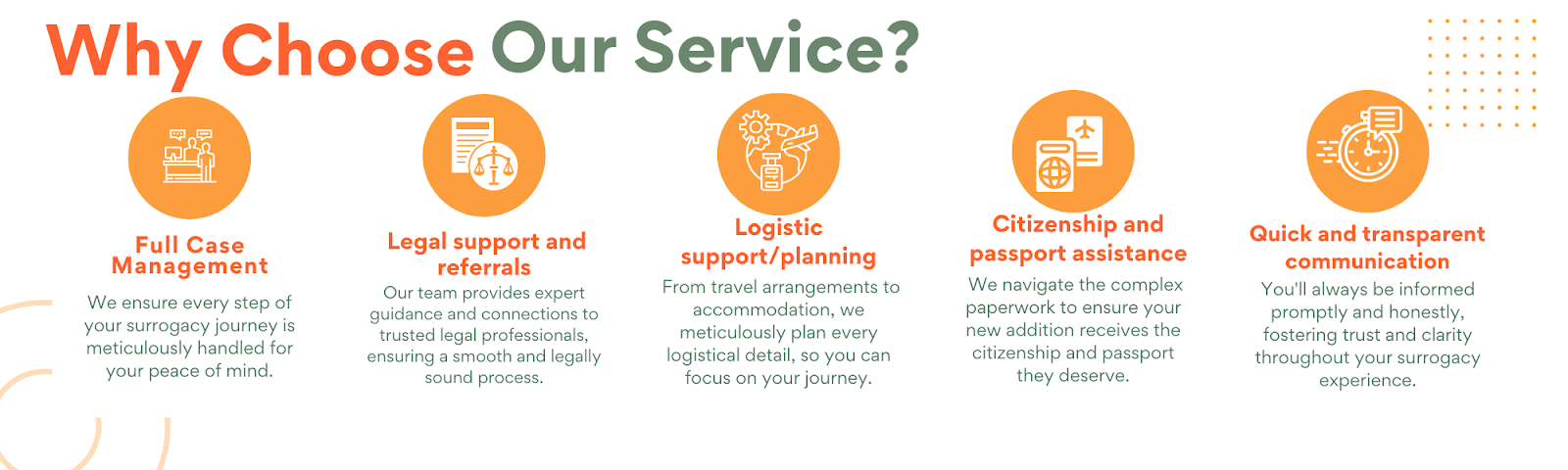
💫 Why Intended Parents Choose Complete Surrogacy for a Safe, Smooth & Successful Surrogacy Journey:
🌍 Access to multiple surrogacy destinations with 15+ years of international experience
🏥 Partnerships with top-tier fertility clinics and agencies, backed by references from past clients
👩🦱 Diverse egg donor options: Asian, Caucasian, African, Oriental, and more
💸 Transparent and affordable pricing—direct payments with no extra agency fees
🔒 No hidden costs—all charges are agreed upon upfront
🤝 Dedicated case manager for personalized support
📲 Fast, honest, and clear communication throughout
📑 Full legal support for visas, documentation, and baby exit processes
🚚 Assistance with frozen sperm/embryo shipment logistics
FAQs for PGT in Surrogacy
What is Preimplantation Genetic Testing (PGT) in surrogacy?
Preimplantation Genetic Testing is a way to check embryos for genetic problems before they are transferred to a surrogate. It helps pick the healthiest embryos. This reduces the chance of genetic disorders and boosts the chances of a successful pregnancy.
What are the different types of genetic testing available?
There are three main types of genetic testing: PGT-A, PGT-M, and PGT-SR. Each type looks for different genetic issues that could affect pregnancy or the child’s health.
How does genetic testing impact the surrogacy process?
Genetic testing can make the surrogacy journey better by giving peace of mind and reducing genetic disorder risks. It also might mean fewer embryo transfers. It helps intended parents make informed choices about their child’s health.
What are the costs associated with PGD/PGT?
The cost of genetic testing varies, usually between $3,000 to $6,000 per IVF cycle. These costs add to the usual IVF and surrogacy expenses. Many see it as a worthwhile investment in their child’s health.
Who should consider genetic testing during surrogacy?
Genetic testing is a good idea for those with a family history of genetic disorders, over 35, or who have had miscarriages. It’s also for those with known genetic risks. Talking to a genetic counselor can help decide if it’s right for you.
Are there any risks associated with genetic testing?
Genetic testing is mostly safe, but there are small risks like embryo damage during biopsy. Modern methods have made these risks very low. There’s also a small chance of unclear or wrong results, so it’s important to work with experienced professionals.
Can genetic testing determine the gender of the embryo?
Yes, PGD/PGT can tell the sex of embryos. But, it raises ethical questions. Many doctors only suggest it for serious genetic conditions linked to sex chromosomes.
How long does the genetic testing process take?
The whole process usually takes 1-2 weeks from embryo biopsy to getting results. This time can change based on the tests and the lab’s speed.
Is genetic testing covered by insurance?
Insurance coverage for genetic testing varies. Some plans might cover part of it, while others might not. It’s key to check with your insurance and talk about payment options with your fertility clinic.
How accurate are preimplantation genetic tests?
Today’s genetic testing is very accurate, with success rates from 95% to 99%. But, no test is 100% sure. So, more tests and talks with experts might be needed.
- European Society of Human Reproduction and Embryology (ESHRE)
- https://www.eshre.eu
- Society for Assisted Reproductive Technology (SART)
- https://www.sart.org
- Surrogacy UK

Highly esteemed, authoritative, and trusted professional with a 14-year of experience in international surrogacy. Advocate for Secure, Legal, and Affordable International Surrogacy.
Neelam Chhagani, MA (Counselling Psychology) and Holistic Infertility and Third-Party Reproduction Consultant.
Member of European Fertility Society, Best Surrogacy Blogger of 2020, with 300 dedicated blogs, and top contributor on Quora for Surrogacy.
Add Your Comment