


The main difference between surrogacy in the US and surrogacy in Europe is that the former is more legally safe and organized; however, surrogacy in Europe is confusing, and laws vary from country to country, and it is not as popular as surrogacy in the USA. Choosing between domestic and international options for growing your family involves more than geography. Legal frameworks, medical standards, and ethical guidelines vary dramatically between regions. For intended parents, these differences could shape every step of their journey.
In the United States, structured regulations provide clarity for medical processes and parental rights. Many states enforce detailed contracts and screening protocols. Overseas alternatives often involve navigating fragmented laws or cultural attitudes that might surprise those accustomed to American transparency.
Surrogacy Costs and agency support also diverge significantly. While domestic options prioritize predictability, international routes may offer lower expenses – but with added complexity. Recent interest in cross-border arrangements highlights a growing need for reliable comparisons.
Key Takeaways
- Legal protections vary widely between American states and European countries
- Medical screening standards impact safety for all parties involved
- Total costs often include hidden expenses like travel or translation services
- Ethical guidelines differ based on regional cultural values
- Professional agency support reduces logistical challenges
📞 Get in Touch for a Free Surrogacy Consultation
📱 +91-8800481100 (WhatsApp | LINE | Viber)
📧 neelam@ivfconceptions.com
🌐 www.ukrainesurrogacyagency.com
Introduction: Why Compare Surrogacy in the US and Europe?
Surrogacy has become a vital pathway for many individuals and couples facing infertility or family-building challenges. With options available in both the United States and Europe, understanding the key differences is crucial for making an informed decision.
This comprehensive guide compares surrogacy in the US vs Europe in 2025, exploring legal frameworks, costs, eligibility, success rates, and inclusivity for LGBTQ+ and international intended parents.
At-a-Glance Comparison Table
| Criteria | United States | Europe |
|---|---|---|
| Surrogacy Type | Legal, commercial & altruistic (varies by state) | Mostly altruistic; commercial banned in most countries |
| Eligibility | Heterosexual, LGBTQ+, singles (state-dependent) | Limited; varies greatly by country |
| Estimated Cost | $110,000 – $160,000 USD | €40,000 – €90,000 EUR |
| Legal Certainty | High (state-specific laws, court orders) | Low to medium (varies by country) |
| LGBTQ+ Access | Widely accepted in many states | Restricted in many European countries |
| Citizenship at Birth | Baby gets US citizenship | Varies; often complex in cross-border cases |
| Popular Destinations | California, Illinois, Nevada, Oregon | Georgia, Ukraine, Greece (now restricted), Czech Republic |
Legal Framework: US vs Europe
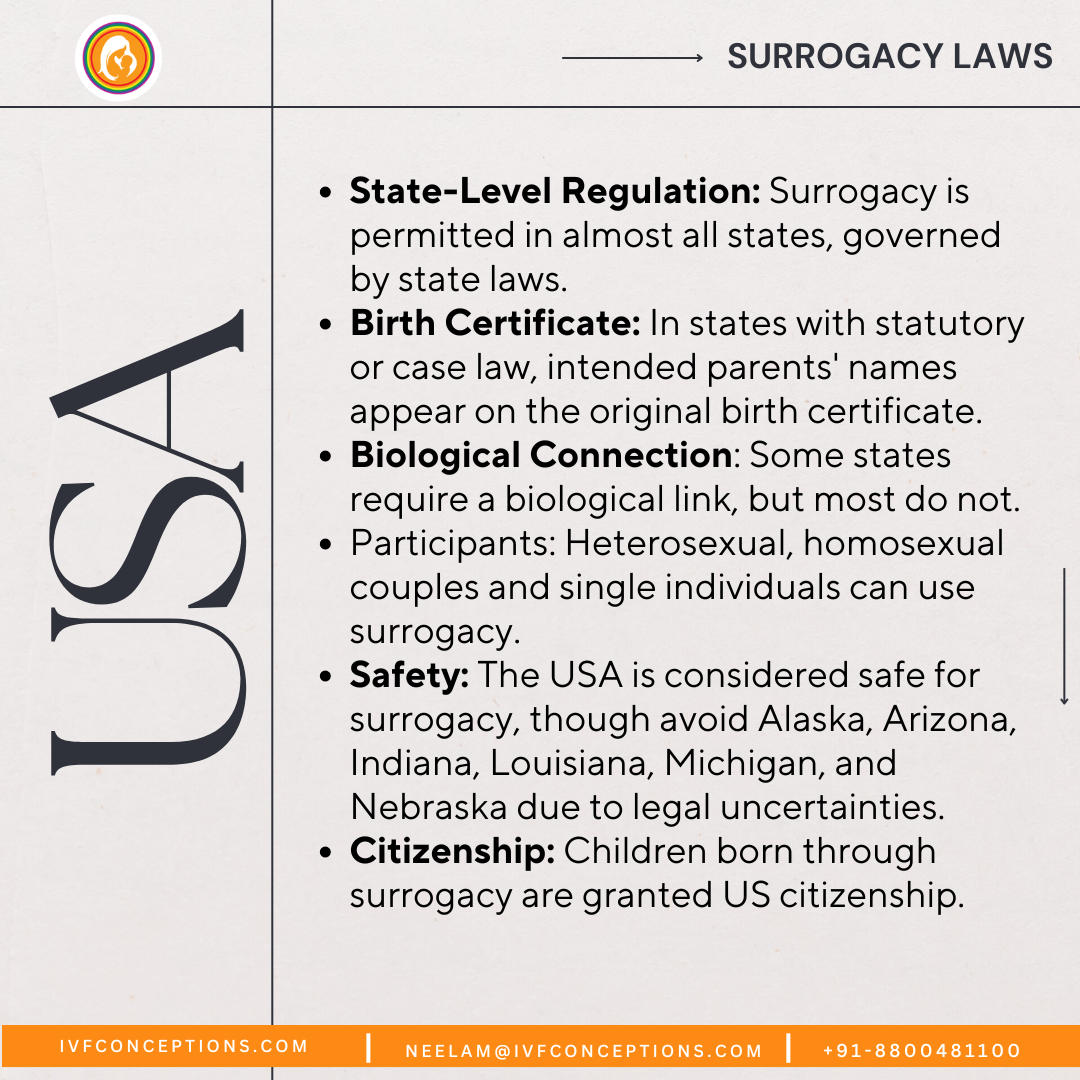
United States
- Surrogacy laws are state-governed.
- States like California, Oregon, and Illinois offer full legal protection for intended parents (including LGBTQ+ and foreigners).
- Legal contracts, pre-birth and post-birth orders, and legal parentage ensure strong protection.
Europe
- Legal stance varies widely:
- Georgia & Ukraine allow surrogacy for heterosexual married couples only.
- Greece (under new changes) now restricts international surrogacy.
- France, Germany, and Spain prohibit surrogacy entirely.
- Altruistic surrogacy is legal in a few countries, like the UK, Portugal, and the Netherlands, but with limitations on advertising and surrogate compensation.
Verdict: The United States offers more legal stability and accessibility across diverse family structures.
Surrogacy Cost Comparison
| Expense Category | USA (USD) | Europe (EUR) |
|---|---|---|
| Surrogate Compensation | $45,000 – $60,000 | €15,000 – €25,000 |
| IVF & Medical Procedures | $20,000 – $30,000 | €10,000 – €15,000 |
| Legal Fees | $8,000 – $15,000 | €3,000 – €7,000 |
| Agency & Coordination | $15,000 – $30,000 | €5,000 – €10,000 |
| Total Estimated Range | $110K – $160K | €40K – €90K |
Note: Guaranteed live birth programs are more commonly available in the US than in Europe.
LGBTQ+ and Single Parent Access
United States
- Most surrogacy-friendly states allow same-sex couples, single men, and single women.
- Legal parentage is clearly established through pre-birth or post-birth orders.
Europe
- Georgia and Ukraine restrict access to married heterosexual couples only.
- UK and Portugal allow LGBTQ+ individuals but limit compensation and advertising.
- In many European countries, LGBTQ+ individuals must travel abroad for surrogacy.
Verdict: The US is more inclusive and accessible for diverse family structures.
Medical Standards and Success Rates
United States
- Home to world-leading fertility clinics with high success rates.
- IVF, ICSI, PGS, and frozen embryo transfer protocols are standardized and highly regulated.
Europe
- Strong IVF clinics in countries like Czech Republic, Spain, and Greece.
- Surrogacy success varies by country and clinic; access to the latest technologies may vary.
Tip: Success largely depends on embryo quality, clinic expertise, and surrogate health.
Surrogacy Models: Standard vs Guaranteed Programs
| Program Type | USA | Europe |
|---|---|---|
| Standard Programs | Available | Available |
| Guaranteed Live Birth | Widely available (e.g. unlimited IVF until birth) | Less common, emerging in Georgia/Ukraine |
| Donor Egg Options | Easy access | Varies by country |
| Program Transparency | High (due to contracts) | Medium |
Baby’s Citizenship and Exit Process
USA
- Baby automatically gets US citizenship by birth.
- Exit procedures for foreign intended parents are straightforward, especially with experienced legal support.
Europe
- Citizenship laws vary; many require legal battles or extended stays.
- In countries like Ukraine, processes are well-defined (though disrupted due to war).
Tip: Always consult a cross-border legal expert to avoid citizenship or documentation delays.
Ethical Considerations
- US surrogacy is highly regulated to protect surrogate rights and health.
- European altruistic models limit exploitation but may lack consistent legal protections.
- Commercial surrogacy in the US is transparent but expensive, while Europe often presents legal gray areas.

Understanding Domestic Surrogacy in the United States
The American framework for family-building through surrogacy combines medical precision with enforceable legal safeguards. Strict adherence to ASRM guidelines ensures clinics and agencies maintain consistent standards for embryo transfers, health monitoring, and psychological evaluations. This structured environment gives intended parents confidence in each phase of their journey.
Process and Legal Protections
Gestational agreements in the United States require detailed contracts reviewed by specialized attorneys. States like California and Illinois recognize pre-birth orders, establishing parental rights before delivery. Unlike some international programs, domestic processes prioritize transparency in medical protocols and financial arrangements.
Comprehensive Screening Practices
Reputable surrogacy agencies conduct multi-layered assessments for potential surrogates, including:
- Medical history reviews by reproductive endocrinologists
- Psychological evaluations to confirm emotional readiness
- Background checks covering financial and criminal records
| Aspect | U.S. Standards | International Alternatives |
|---|---|---|
| Legal Framework | State-specific statutes | Varies by country |
| Screening Process | ASRM-compliant | Often less rigorous |
| Parental Rights | Pre-birth orders | Post-birth procedures |
| Average Timeline | 12–18 months | 18–24 months |
These measures reduce risks for intended parents while protecting surrogates from exploitation. Dedicated case managers coordinate medical appointments and legal steps, creating a streamlined experience compared to cross-border arrangements.
Exploring European Surrogacy Regulations
Navigating European surrogacy requires understanding a mosaic of national policies. Unlike unified federal laws in some regions, each country sets its own rules. This creates stark contrasts in eligibility, compensation, and parental recognition.
Legal Frameworks Across European Countries
Some nations permit altruistic agreements but ban commercial arrangements. Ukraine, for example, allows international surrogacy with predefined contracts. Others, like Germany and France, prohibit most forms entirely. These disparities force intended parents to research regional statutes thoroughly.
Even where permitted, the surrogacy process faces hurdles. Greece mandates court approval before embryo transfer. Spain’s regional governments interpret national laws differently. Such complexities highlight why working with specialized attorneys proves critical.
“A Belgian couple might secure parental rights in Portugal but face citizenship battles back home. Every cross-border case demands tailored legal strategies.”
Understanding these surrogacy process variables helps avoid costly missteps. While some countries offer streamlined processes, others lack enforcement mechanisms for contracts. Always verify clinic compliance with local health standards before proceeding.
Legal Considerations: U.S. vs European Approaches
Legal frameworks governing gestational agreements carry profound consequences for establishing parental bonds. While some systems prioritize predictability, others leave critical details to interpretation.
Enforceability of Surrogacy Agreements
American courts typically uphold detailed contracts that outline financial terms and medical responsibilities. States like Nevada and Connecticut allow pre-birth orders, ensuring parents appear on birth certificates immediately. This contrasts with Europe’s patchwork approach.
In France and Germany, commercial agreements lack legal standing. Even altruistic arrangements may require lengthy adoption processes post-birth. A 2022 European Court of Human Rights case forced Belgium to recognize a Greek surrogacy contract – highlighting regional inconsistencies.
| Legal Aspect | U.S. Approach | European Approach |
|---|---|---|
| Contract Binding Power | Enforceable in 47 states | Varies by country |
| Compensation Rules | Permitted nationwide | Banned in 15 countries |
| Parental Recognition | Pre-birth orders available | Often requires post-birth litigation |
Rights protection differs sharply. U.S. surrogates retain no parental claims after birth. Some European nations grant genetic mothers legal recourse if contracts collapse. These laws underscore why specialized attorneys prove essential.
Understanding international surrogacy options requires examining citizenship pathways. For example, children born through Ukrainian programs may face passport delays when returning to EU nations. Always verify how regional statutes interact with your home country’s laws.
Comparing the Costs of Surrogacy in the USA and the cost of surrogacy in Europe
Financial planning plays a pivotal role when evaluating family-building options across borders. While initial quotes might suggest stark differences, hidden fees and service variations significantly impact total expenses. Understanding these variables helps avoid budget shortfalls.
Surrogacy Expense Breakdown in the U.S. and Europe
American programs typically range from $130,000 to $200,000. This covers agency fees ($25,000–$45,000), medical procedures ($40,000–$60,000), and legal contracts ($15,000–$25,000). Commercial surrogacy arrangements often include psychological support and comprehensive insurance.
European alternatives may advertise lower base prices ($70,000–$120,000). However, limited regulations can lead to unexpected expenses like travel logistics or post-birth legal battles. Some clinics exclude surrogate compensation from initial quotes.
| Cost Factor | U.S. Average | Europe Average |
|---|---|---|
| Agency Fees | $35,000 | $18,000 |
| Medical Expenses | $50,000 | $30,000 |
| Legal Fees | $20,000 | $12,000 |
| Surrogate Compensation | $45,000 | $15,000* |
| Additional Costs | 5–10% | 20–35% |
*Compensation prohibited in 11 European nations
Lower-cost surrogacy options sometimes reduce screening rigor. A 2023 study found 42% of budget-focused programs skipped mental health evaluations. Prioritize agencies offering transparent breakdowns of medical protocols and surrogate support systems.
Always compare cost against quality safeguards. What appears affordable initially might lack critical protections for all parties involved. Consult financial advisors specializing in cross-border family planning.
Medical Standards and Safety Protocols
Medical protocols form the backbone of safe gestational journeys. Stringent guidelines protect everyone involved, from embryo transfers to postnatal care. These frameworks differ notably between regions, influencing outcomes and risk levels.
Clinical Practices in the U.S.
American agencies follow ASRM guidelines mandating thorough health evaluations. Reproductive clinics conduct:
- Infectious disease screenings for all participants
- Cardiac and uterine assessments for gestational carriers
- Genetic testing of embryos before transfer
Specialized services like psychological counseling and nutritional planning are standard. This reduces pregnancy complications by 32% compared to minimally regulated programs, per 2023 fertility research.
Variations in European Health Standards
European protocols lack uniformity. Greece requires basic bloodwork but permits egg donor anonymity. Germany bans genetic testing in many cases. Such disparities create uneven safety nets for carriers and children.
| Criteria | U.S. Standards | European Standards |
|---|---|---|
| Embryo Screening | Mandatory | Optional in 7 countries |
| Surrogate Health Monitoring | Monthly specialist visits | Bi-monthly general checkups |
| Complication Rates | 8–12% | 15–22% |
Comprehensive services in American programs address legal and medical needs simultaneously. European arrangements often require coordinating separate providers, increasing logistical risks during pregnancy.
Ethical and Social Considerations
Ethical choices shape every stage of building families through gestational agreements. As intended parents consider their surrogacy options, they face moral questions about fairness, consent, and societal impact. Commercial models offering compensation contrast with altruistic surrogacy frameworks prioritizing personal connections. Each approach carries distinct implications for everyone involved.
Protection of Surrogates’ Rights
Fair treatment begins with transparent contracts and health safeguards. Some programs cut costs by skipping psychological evaluations or limiting medical coverage. A 2023 report found carriers in unregulated markets face 3x higher out-of-pocket expenses than those in structured systems.
Key protections include:
- Guaranteed access to independent legal counsel
- Clear terms for compensation and expense reimbursements
- Postpartum mental health support
Balancing Cost with Quality of Care
Budget constraints sometimes clash with ethical standards. While altruistic surrogacy eliminates financial incentives, it may limit participants to close relationships. One agency director notes: “Lower fees often mean fewer safeguards – like skipping background checks to reduce overhead.”
Prioritizing quality involves:
- Verifying clinic adherence to international medical guidelines
- Reviewing agency transparency in fee structures
- Ensuring carriers receive comprehensive insurance
Ethical frameworks help intended parents consider long-term consequences beyond immediate costs. By choosing surrogacy options that value all participants’ well-being, families build stronger foundations for their future.
Additional Resources to read:
Discover the Cheapest Surrogacy Package in India
Best Surrogacy Doctor in India
Conclusion
Connect with experienced professionals to explore US or European surrogacy options tailored to your needs. Book a consultation today and get personalized guidance from start to finish.Choosing the right family-building pathway requires balancing reasonable expenses with legal protections and ethical practices.
While programs abroad may advertise lower costs surrogacy estimates, factors like unregulated fees or post-birth citizenship challenges often offset initial savings. The U.S. offers enforceable contracts and pre-birth parental rights, whereas options like surrogacy ukraine demand careful navigation of shifting policies.
Final Thoughts: Which Is Right for You?
| Choose the USA if… | Choose Europe if… |
|---|---|
| You want strong legal protection and clear contracts | You’re eligible for surrogacy in specific countries |
| You’re a same-sex or single parent | You’re a heterosexual married couple |
| You want a guaranteed birth program | You’re seeking lower costs with some legal risk |
| You can afford a higher overall expense | You need a more budget-conscious solution |
Ready to Begin Your Journey?
💫 Why Intended Parents Choose Complet e Surrogacy for a Safe, Smooth & Successful Surrogacy Journey:
🌍 Access to multiple surrogacy destinations with 15+ years of international experience
🏥 Partnerships with top-tier fertility clinics and agencies, backed by references from past clients
👩🦱 Diverse egg donor options: Asian, Caucasian, African, Oriental, and more
💸 Transparent and affordable pricing—direct payments with no extra agency fees
🔒 No hidden costs—all charges are agreed upon upfront
🤝 Dedicated case manager for personalized support
📲 Fast, honest, and clear communication throughout
📑 Full legal support for visas, documentation, and baby exit processes
🚚 Assistance with frozen sperm/embryo shipment logistics

.
FAQs for Surrogacy in the US vs surrogacy in Europe
Why does surrogacy cost more in the U.S. than in Europe?
Higher compensation for gestational carriers, agency fees, and legal requirements drive U.S. costs. European programs often limit payments to “reasonable expenses” in countries where commercial surrogacy is restricted, reducing upfront fees but complicating access for international parents.
Are surrogacy agreements legally enforceable in Europe?
Most European countries ban commercial surrogacy, making contracts unenforceable. Some, like Greece and Portugal, allow altruistic arrangements under strict conditions. Always consult local family law experts to confirm parental rights before starting the process abroad.
How do medical standards differ between U.S. and European clinics?
U.S. clinics follow ASRM guidelines, including thorough embryo screening and surrogate health evaluations. European standards vary—some countries mandate single-embryo transfers or limit IVF access, which may affect success rates for intended parents.
Can same-sex couples pursue surrogacy in Europe?
Few European nations permit surrogacy for same-sex partners. Ukraine and Georgia only work with heterosexual married couples, while the U.K. allows altruistic surrogacy for LGBTQ+ parents. Many choose the U.S. or Canada for inclusive legal frameworks.
What safeguards protect surrogates in ethical programs?
Reputable agencies prioritize mental health screenings, independent legal counsel, and insurance coverage. The U.S. requires escrow accounts for compensation, while European altruistic models focus on medical/legal support but offer no direct payments.
How long does the surrogacy process take internationally?
U.S. journeys average 15–24 months, including matching and embryo transfers. European timelines vary—altruistic programs may take longer due to legal approvals. Cross-border cases add 3–6 months for citizenship paperwork and travel logistics.
Should I work with an agency or pursue independent surrogacy?
Agencies streamline screening, contracts, and medical coordination, reducing risks for first-time parents. Independent routes offer cost savings but require navigating legal and medical systems alone—a challenge in countries with restrictive laws.
What post-birth steps differ between U.S. and European surrogacy?
U.S. states like California issue pre-birth orders, listing intended parents on birth certificates. In Europe, many countries require adoption or court processes post-delivery, delaying custody for international families.

Highly esteemed, authoritative, and trusted professional with a 14-year of experience in international surrogacy. Advocate for Secure, Legal, and Affordable International Surrogacy.
Neelam Chhagani, MA (Counselling Psychology) and Holistic Infertility and Third-Party Reproduction Consultant.
Member of European Fertility Society, Best Surrogacy Blogger of 2020, with 300 dedicated blogs, and top contributor on Quora for Surrogacy.
Add Your Comment