


The main difference in cost between gay and hetero surrogacy lies in the need for donor eggs, legal parentage work, and location-specific legal access, which often results in higher costs for gay intended parents. Surrogacy is a powerful option for many couples to build their families, but depending on your family structure, the costs and legal considerations can vary significantly. In particular, the expenses for gay couples pursuing surrogacy are often higher compared to heterosexual (hetero) couples, primarily due to legal, biological, and logistical complexities.
In this blog, we’ll compare the surrogacy costs for gay vs hetero couples, explain what’s included, and help you understand where the differences come from—so you can plan your journey better.
Understanding why costs vary helps prospective parents plan effectively. Agency fees, legal requirements, and IVF treatments all influence budgets differently depending on individual circumstances. Payment timelines also play a role – some expenses occur upfront, while others spread across months or years.
📞 Get in Touch for a Free Surrogacy Consultation
📱 +91-8800481100 (WhatsApp | LINE | Viber)
📧 neelam@ivfconceptions.com
🌐 www.ukrainesurrogacyagency.com
Surrogacy Costs and Options
Modern family-building often involves complex choices, and surrogacy stands out as a collaborative solution for those unable to carry pregnancies. This method connects hopeful parents with individuals willing to help them achieve biological parenthood through medical and legal partnerships. Over 95% of surrogacy arrangements result in live births, making it a reliable option despite its intricate nature.
Building Families Through Partnership
The journey typically begins with matching through specialized agencies or independent networks. Medical screenings, IVF treatments, and legal contracts follow – each step requiring careful coordination. One parent shared, “Seeing our embryo transfer succeed after months of planning made every challenge worthwhile.”

Financial Foundations
Trusted agencies report total expenses ranging from $200,000 to $250,000 for full-service support. These figures include:
- Medical procedures (IVF, embryo transfer)
- Legal agreements establishing parental rights
- Compensation for the gestational carrier
While independent arrangements may reduce agency fees, they often require more direct oversight from intended parents. State laws further influence costs through insurance mandates and legal requirements, topics explored in later sections.
Why Do Surrogacy Costs Vary by Couple Type?
Here are the major factors that influence surrogacy costs for gay vs heterosexual couples:
| Factor | Hetero Couples | Gay Couples |
|---|---|---|
| Egg Source | Usually use the female partner’s eggs | Require egg donor, adding extra cost |
| Embryo Creation | One male partner’s sperm + female partner’s eggs | Need donor eggs + sperm, sometimes from both partners |
| Legal Process | Often straightforward (if married) | More complex legal process for dual parentage or co-parent adoption |
| Surrogacy Destination | Access to more countries | Fewer options; limited by legal restrictions |
| Number of IVF Cycles | Often fewer cycles needed | May need more cycles to create viable embryos |
| Genetic Testing (PGT-A) | Optional | Frequently done to choose embryo from one/both partners |
| Total Cost Range | Lower | Higher due to donor, legal, and logistics |
Surrogacy Cost Breakdown: Gay vs Hetero Couples
Here’s an estimated cost breakdown to show the typical price differences:
| Cost Component | Hetero Couple (USD) | Gay Couple (USD) |
|---|---|---|
| IVF with Own Eggs & Sperm | $20,000 – $30,000 | N/A |
| Egg Donor Program | Not Required | $25,000 – $45,000 |
| IVF with Donor Egg | N/A | $30,000 – $40,000 |
| Surrogate Compensation | $45,000 – $60,000 | $45,000 – $60,000 |
| Legal Contracts & Parentage | $8,000 – $12,000 | $12,000 – $18,000 |
| Agency Fees & Coordination | $20,000 – $30,000 | $20,000 – $30,000 |
| Health Insurance for Surrogate | $15,000 – $25,000 | $15,000 – $25,000 |
| Escrow & Trust Account Setup | $1,500 – $2,500 | $1,500 – $2,500 |
| Travel, Lodging, Misc. | $5,000 – $10,000 | $7,000 – $12,000 |
| Total Estimated Cost | $115,000 – $160,000 | $150,000 – $200,000 |
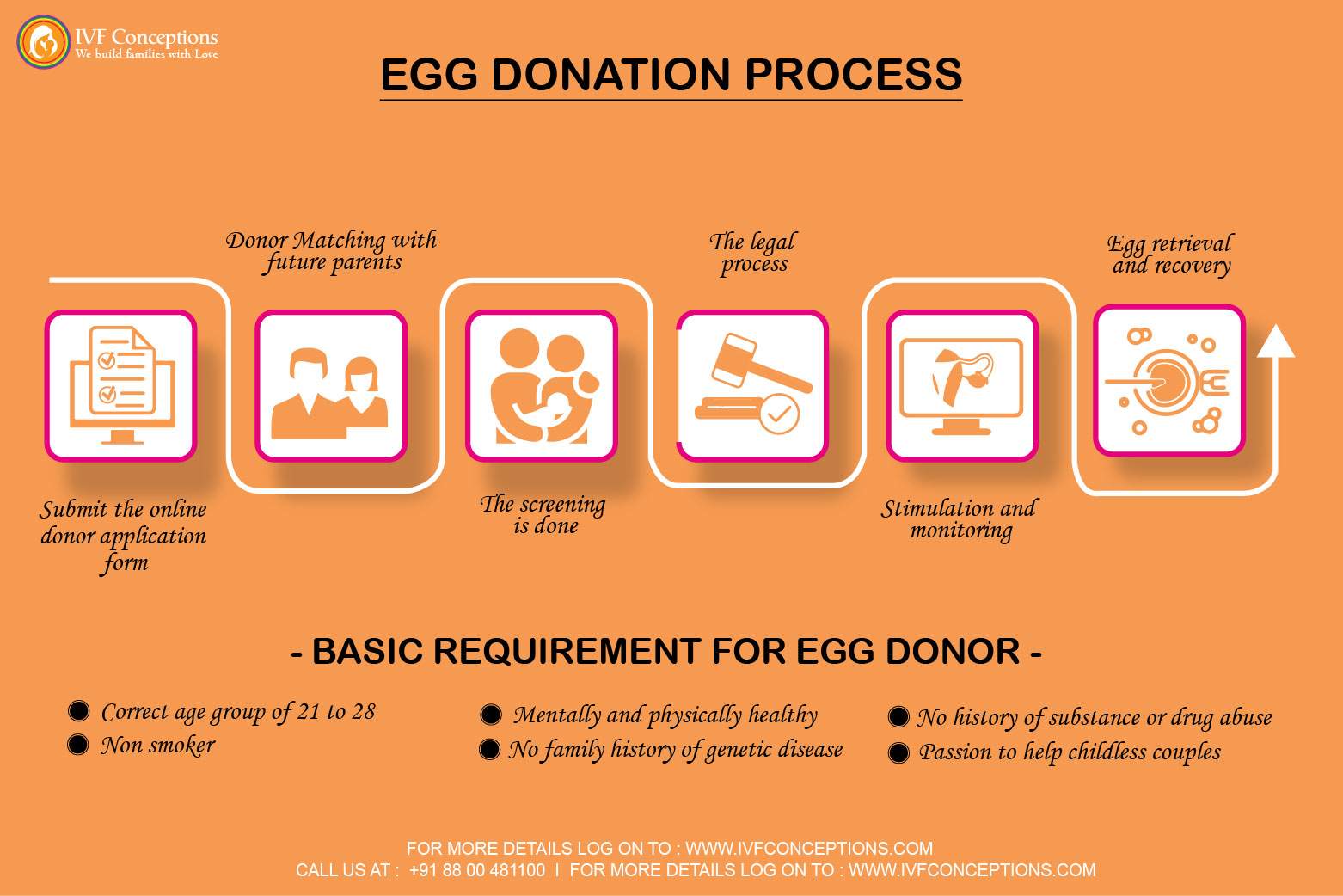
Why Egg Donation Is the Big Cost Factor for Gay Couples
Most gay male couples will require a donor egg, and this alone adds $15,000 to $25,000 or more if anonymous or international donor programs are used. Plus, creating embryos through IVF, freezing, testing (PGT-A), and coordinating embryo transfer adds layers of cost and complexity.
Legal Parentage: A Hidden Yet Crucial Cost
For hetero couples, legal parentage is usually clear if both partners are genetically related or married. For gay couples, extra steps like co-parent adoption, parentage orders, or legal guardianship may be required, depending on the country.
These legal steps can cost $10,000 to $15,000, depending on the destination and legal firm.
Quick Summary Table
| Aspect | Hetero Couple | Gay Couple |
|---|---|---|
| Donor Eggs Needed? | No | Yes |
| Legal Process Complex? | Less | More |
| Country Access | Wider | Limited to some countries |
Financing Your Surrogacy Journey
Funding a collaborative family-building path requires strategic planning and resourcefulness. Multiple financial tools exist to help manage expenses while maintaining transparency between all parties. Early budgeting prevents surprises and allows intended parents to focus on emotional preparation rather than monetary stress.
Funding Sources and Payment Plans

Specialized grants provide critical support for qualifying families. Organizations like the Gay Parents To Be Grant offer up to $10,000 for LGBTQ+ individuals, while the HRC Foundation assists with legal fees. Employer benefits also play a growing role – 41% of large U.S. companies now offer fertility coverage.
Three primary funding strategies help manage staggered payments:
- Phased loans through fertility-focused lenders (5-7 year terms)
- Crowdfunding platforms with tax-deductible options
- Flexible spending accounts for eligible medical costs
| Funding Type | Average Amount | Best For |
|---|---|---|
| Grants | $2,000-$15,000 | LGBTQ+ applicants |
| Personal Loans | $50,000-$100,000 | Immediate fund access |
| Employer Programs | Varies | Corporate employees |
Financial advisor Mark Trolice recommends: “Map payments to medical milestones – align disbursements with embryo transfers or prenatal appointments.” This approach helps families conserve resources during unpredictable phases.
Unexpected costs like additional IVF cycles or travel expenses should factor into every budget. Regular check-ins with surrogacy-specialized planners ensure adjustments stay manageable. Many agencies now offer escrow services to streamline payment tracking across the entire journey.
Comparing Domestic and International Surrogacy Options
Choosing between domestic and international paths requires careful evaluation of financial and legal landscapes. While the United States offers robust legal protections, other countries provide lower-cost alternatives with varying regulations. Each option carries unique benefits and challenges that shape family-building journeys.
Domestic programs in the U.S. typically range from $150,000 to $180,000. This includes comprehensive medical care, legal contracts, and agency support. International options in countries like Ukraine or Mexico often cost 40-60% less, averaging $60,000-$100,000. However, these savings may come with trade-offs:
- Limited legal recourse if disputes arise
- Travel requirements for medical appointments
- Language barriers during critical processes
Legal frameworks differ sharply across borders. The United States allows pre-birth parentage orders in many states, simplifying custody transfers. Conversely, nations like Colombia restrict surrogacy to married heterosexual couples, while Georgia permits single parents. A fertility attorney advises: “Always verify a country’s stance on parental rights – some require adoption post-birth, adding months to the process.”
| Location | Average Cost | Legal Complexity |
|---|---|---|
| United States | $150k-$180k | Low (pre-birth orders) |
| Ukraine | $45k-$70k | Moderate (hetero only) |
| Mexico | $75k-$110k | High (state variances) |
Additional Resources to read:
Surrogacy Process for Gay Parents
Conclusion
Hetero couples usually have a more streamlined, cost-effective surrogacy journey, especially if the female partner provides her own eggs. Gay couples, on the other hand, face higher costs primarily due to donor eggs, advanced legal procedures, and fewer destination options.
However, with careful planning and expert guidance, both gay and heterosexual intended parents can successfully complete their family-building journey.
💫 Why Intended Parents Choose Complete Surrogacy for a Safe, Smooth & Successful Surrogacy Journey:
🌍 Access to multiple surrogacy destinations with 15+ years of international experience
🏥 Partnerships with top-tier fertility clinics and agencies, backed by references from past clients
👩🦱 Diverse egg donor options: Asian, Caucasian, African, Oriental, and more
💸 Transparent and affordable pricing—direct payments with no extra agency fees
🔒 No hidden costs—all charges are agreed upon upfront
🤝 Dedicated case manager for personalized support
📲 Fast, honest, and clear communication throughout
📑 Full legal support for visas, documentation, and baby exit processes
🚚 Assistance with frozen sperm/embryo shipment logistics

FAQs for Gay surrogacy cost vs hetero couple surrogacy cost
What factors most influence total expenses for intended parents?
Key variables include agency fees, medical procedures (like IVF or embryo transfers), surrogate compensation, legal contracts, and insurance coverage. Location, clinic reputation, and individual health needs also play significant roles.
Do agency fees differ based on family structure?
Reputable agencies like Circle Surrogacy or Growing Generations charge similar base fees regardless of family type. However, same-sex couples may incur added costs for donor eggs or specialized legal agreements depending on state laws.
How do state laws affect budgeting for surrogacy?
States like California and New York enforce surrogacy-friendly regulations, while others require extra steps like post-birth adoption orders. Legal fees can rise by $5,000–$15,000 in restrictive regions due to court filings or dual representation needs.
Are IVF and embryo transfer costs covered by insurance?
Most health plans exclude fertility treatments, though some employers like Starbucks or Microsoft offer partial coverage. Intended parents typically pay $20,000–$30,000 per IVF cycle out-of-pocket, plus $3,000–$5,000 per transfer.
Why does surrogate compensation vary between journeys?
Experienced surrogates often receive higher base pay ($45,000–$75,000), while first-time carriers earn $30,000–$50,000. Additional costs arise for multiple invasive procedures, or travel requirements, impacting overall budgets.
Can grants or loans reduce financial barriers?
Organizations like the Baby Quest Foundation offer grants, while fertility lenders like CapexMD provide low-interest loans. Some clinics also partner with financial advisors to create phased payment plans for treatments.
How do international options compare to U.S. surrogacy costs?
Countries like Mexico or Georgia may offer lower upfront fees ($60,000–$90,000), but risks like legal instability or limited medical oversight often outweigh savings. Domestic journeys average $110,000–$170,000 but provide stronger legal protections.
What steps help manage payment timelines effectively?
Reputable agencies break payments into milestones: matching fees (20%), medical escrow deposits (40%), and postpartum balances (40%). Tools like SeedTrust Escrow ensure funds are released only when contractual obligations are met.
Does insurance cover a surrogate’s pregnancy-related care?
Some surrogates use their own insurance if policies don’t exclude surrogacy. If not, intended parents may pay $18,000–$30,000 for a specialized plan through providers like ART Risk Solutions.
How do expenses differ for same-sex versus heterosexual couples?
Same-sex male partners often require donor eggs ($8,000–$25,000) and gestational carrier fees, while heterosexual couples using their own embryos avoid those costs. Legal parentage processes may also add $2,000–$10,000 for LGBTQ+ families in certain states.

Highly esteemed, authoritative, and trusted professional with a 14-year of experience in international surrogacy. Advocate for Secure, Legal, and Affordable International Surrogacy.
Neelam Chhagani, MA (Counselling Psychology) and Holistic Infertility and Third-Party Reproduction Consultant.
Member of European Fertility Society, Best Surrogacy Blogger of 2020, with 300 dedicated blogs, and top contributor on Quora for Surrogacy.
Add Your Comment