

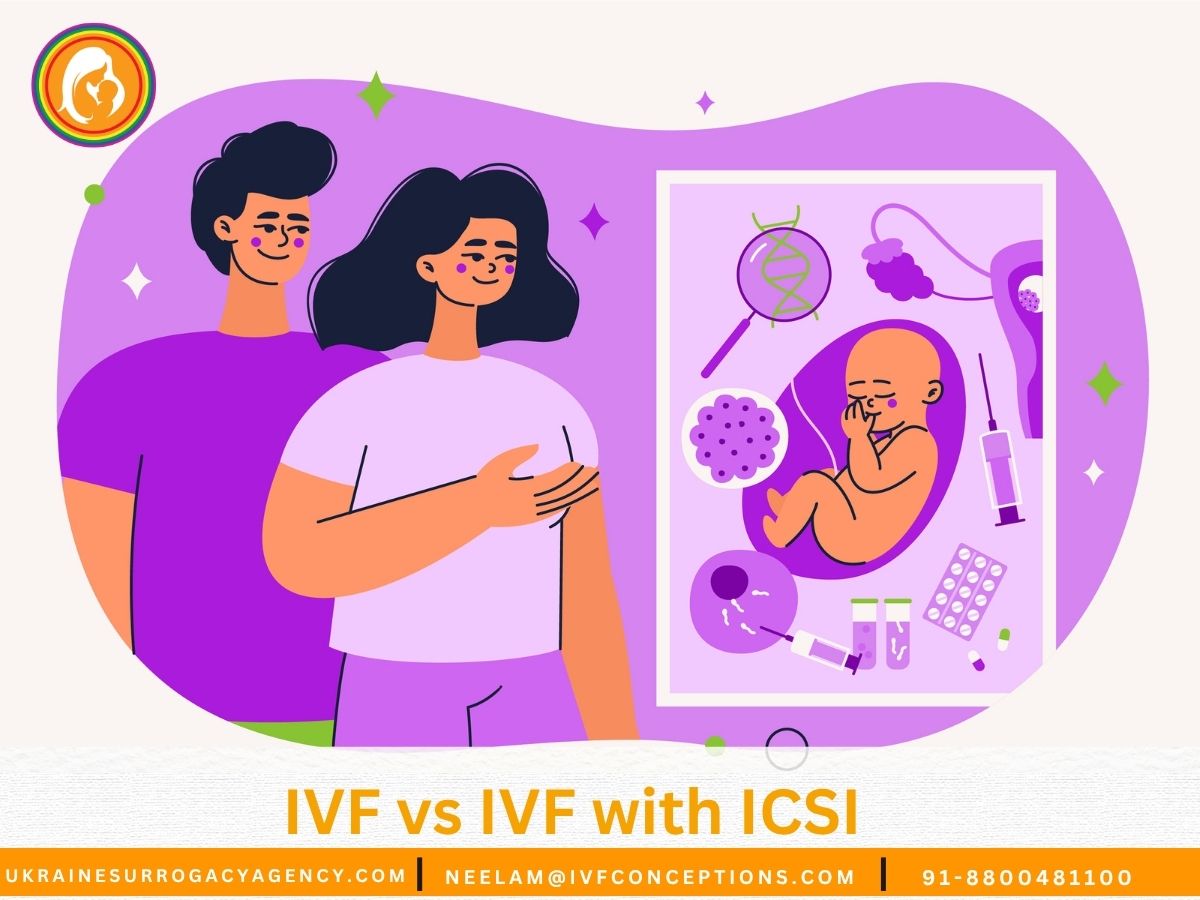
The main difference between IVF and IVF with ICSI lies in how the egg is fertilized—IVF allows sperm to fertilize the egg naturally in a lab dish, while ICSI involves injecting a single sperm directly into the egg.
When facing fertility challenges, understanding the difference between standard IVF and ICSI (Intracytoplasmic Sperm Injection) can help couples choose the right method for their unique situation. This guide breaks down everything you need to know, from indications and process to costs and success rates.
One in six couples worldwide faces fertility challenges, and for many, advanced reproductive technologies offer hope. Among these, two methods stand out: conventional fertility treatment and a specialized version that involves precise sperm selection. While both aim to achieve pregnancy, their approaches differ in ways that could impact outcomes for hopeful parents.
In standard procedures, eggs and sperm are combined in a laboratory dish, allowing natural fertilization. The alternative method takes a more hands-on approach, using micromanipulation tools to inject a single sperm directly into an egg. These variations in technique raise important questions about success rates, costs, and suitability for specific medical conditions.
This article explores how these approaches work, their ideal use cases, and what factors to consider when choosing between them. Up-to-date clinical guidelines and expert insights will help clarify which option aligns with different fertility goals. Whether you’re navigating male-factor infertility or unexplained challenges, understanding these distinctions empowers informed decisions.
IVF vs IVF with ICSI: Side-by-Side Comparison
| Feature | Standard IVF | IVF with ICSI |
|---|---|---|
| Fertilization Method | Sperm naturally fertilize an egg | Single sperm is injected directly into the egg |
| Used For | Mild infertility, normal sperm count | Male factor infertility, poor sperm motility |
| Lab Equipment | Basic lab setup | Requires micromanipulation tools |
| Sperm Requirements | Requires thousands of motile sperm | Only one good-quality sperm per egg |
| Fertilization Rate | Lower if sperm quality is poor | Higher fertilization rate with the male factor |
| Cost | Lower | Slightly higher (additional lab procedure) |
| Success Rate | Varies with age and sperm quality | Higher for cases with male infertility |
Key Takeaways
- Conventional methods and specialized sperm injection address different fertility barriers.
- Technical processes vary significantly, affecting lab preparation and costs.
- Success rates depend on factors like sperm quality and prior treatment history.
- Cost comparisons should include clinic fees and potential multiple cycles.
- The latest medical guidelines help determine the best approach for individual cases.
📞 Get in Touch for a Free Surrogacy Consultation
📱 +91-8800481100 (WhatsApp | LINE | Viber)
📧 neelam@ivfconceptions.com
🌐 www.ukrainesurrogacyagency.com
Understanding IVF vs IVF with ICSI

Modern fertility treatments rely on precise lab techniques to overcome conception challenges. Two approaches dominate this field: traditional methods where sperm and eggs interact freely, and advanced procedures involving direct intervention.
Defining Conventional IVF
In standard fertility treatment, eggs are retrieved and placed in a culture dish with thousands of sperm. Mature eggs – identified by specific cellular markers – must naturally allow sperm penetration. This method works best when sperm motility and count meet minimum thresholds.
What is Intracytoplasmic Sperm Injection?
Intracytoplasmic sperm injection (ICSI) bypasses natural fertilization barriers. A single sperm is selected and injected directly into an egg using microscopic tools. This technique proves vital for:
- Severe male-factor infertility (low motility or abnormal morphology)
- Previous failed fertilization attempts
- Frozen sperm samples with limited viability
While “IVF ICSI” and “ICSI IVF” describe the same process, the phrasing reflects whether ICSI is added to standard treatment. Clinics often recommend sperm injection when male infertility reduces natural fertilization odds, though egg quality still plays a critical role.
The IVF Process: From Egg Retrieval to Embryo Transfer
The journey begins with ovarian stimulation, where hormonal medications prompt multiple eggs to mature. Follicle-stimulating drugs like gonadotropins are administered over 8–14 days, with regular ultrasounds tracking follicle growth. This phase aims to collect 10–15 eggs for higher success odds.
Egg retrieval follows under light sedation. A thin needle guided by ultrasound extracts fluid from ovarian follicles. Embryologists then isolate mature eggs using microscopic evaluation. Timing is critical—procedures occur 36 hours after trigger shots to ensure optimal egg readiness.
Fertilization occurs in specialized lab conditions. Sperm samples undergo washing to concentrate healthy cells. Eggs are combined with sperm either conventionally (50,000–100,000 sperm per egg) or through direct injection for severe male-factor cases. Successful fertilization is confirmed within 16–18 hours by observing two pronuclei.
| Development Stage | Day | Key Characteristics |
|---|---|---|
| Cleavage | 3 | 6–8 cells, graded by symmetry |
| Blastocyst | 5 | Differentiated inner cell mass and trophectoderm |
Embryos develop in controlled incubators mimicking fallopian tube conditions. Most transfers occur at the blastocyst stage (day 5), as these have higher implantation rates. Unused viable embryos are frozen for future cycles.
Treatment cycles typically last 3–6 weeks. While some achieve pregnancy in one attempt, others require multiple rounds. Clinics often recommend genetic testing for recurrent failures, adding 2–3 weeks to the process. Sperm quality enhancements like centrifugation or antioxidants may improve outcomes in challenging cases.
Exploring ICSI: Benefits, Process, and Considerations
Advanced lab techniques now allow embryologists to address fertilization challenges with remarkable precision. One method stands out for its targeted approach to overcoming specific barriers to conception.
The ICSI Procedure Explained
This microinjection method involves three critical steps:
- Egg preparation: Mature eggs are identified using polarized light microscopy to assess spindle structure.
- Sperm selection: Embryologists choose a single sperm based on motility and morphology, often using high-magnification systems.
- Injection process: A specialized micropipette pierces the egg’s outer layer, delivering the sperm directly into the cytoplasm.
When Is This Technique Recommended?
Clinicians typically suggest using ICSI in these scenarios:
- Low sperm count (
- High rates of abnormal sperm shape
- Previous failed fertilization attempts with conventional methods
The approach proves particularly effective for male infertility cases. Recent studies show it improves fertilization rates by 50-70% in severe factor infertility situations. However, success still depends on egg quality and lab expertise.
While this method bypasses natural selection processes, clinics emphasize personalized assessments. “We match the technique to the patient’s unique biology,” notes Dr. Emily Carter, a reproductive endocrinologist. The decision ultimately balances technical advantages with individual medical histories.
Pros and Cons of ICSI
✅ Pros:
- Solves severe male infertility problems
- Increases fertilization chances when sperm are weak
- Allows the use of surgically extracted sperm
- Reduces chance of failed fertilization
❌ Cons:
- Higher cost
- Involves more lab manipulation
- Slightly higher risk of genetic abnormalities (rare)
- Not always needed in cases of normal sperm health
Comparing Success Rates and Outcomes
Recent clinical data reveal critical differences in treatment effectiveness. Laboratories using advanced sperm selection methods often report higher fertilization success in specific scenarios. However, outcomes depend on multiple biological and technical factors.

Fertilization and Pregnancy Rates
Fertilization success varies significantly between methods. Conventional approaches achieve 65-75% fertilization rates when sperm quality meets thresholds. Specialized injection methods boost this to 70-80% in male-factor cases, according to 2023 ASRM reports.
| Metric | Conventional Method | Specialized Method |
|---|---|---|
| Fertilization Rate | 68% | 77% |
| Pregnancy Rate | 42% | 45% |
| Live Birth Rate | 35% | 38% |
Pregnancy rates show narrower gaps. A multicenter study found 42% clinical pregnancy rates for standard treatments versus 45% with microinjection techniques. Live birth outcomes follow similar patterns, influenced by embryo quality and uterine receptivity.
Lab expertise dramatically impacts results. Clinics with certified embryologists report 15% higher success rates across both methods. Patient age and sperm morphology remain key predictors – optimal outcomes occur when sperm DNA fragmentation levels stay below 25%.
Success Rates: IVF vs IVF with ICSI
| Age Group | IVF Success Rate | ICSI Success Rate |
|---|---|---|
| Under 35 | 45–55% | 50–65% |
| 35–37 | 38–45% | 45–60% |
| 38–40 | 30–38% | 35–50% |
| 41–42 | 18–25% | 25–35% |
Cost of IVF vs IVF with ICSI
Financial planning plays a crucial role in navigating fertility care. Treatment expenses vary widely across the U.S., with clinics in metropolitan areas often charging 20-30% more than regional centers. A single cycle of conventional methods averages $12,000-$15,000, while specialized sperm injection adds $1,500-$2,500 per attempt.
- Medications for ovarian stimulation
- Lab fertilization processes
- Embryo transfers and initial ultrasounds
| Expense Category | Conventional Method | Specialized Method |
|---|---|---|
| Base Procedure | $13,200 | $14,800 |
| Medications | $3,000-$6,000 | $3,500-$7,000 |
| Genetic Testing | $3,000-$7,000 (optional) |
Insurance coverage remains fragmented – only 18 states mandate some fertility benefits. Over time, patients might pay $30,000+ out-of-pocket for multiple cycles. Clinics often provide payment plans or grants for those without coverage.
Key cost factors include medication protocols and frozen embryo storage fees. Comparing clinic success rates against pricing helps identify value. Financial counselors recommend reviewing insurance policies for time-sensitive benefits like annual maximums.
Risks, Safety, and Health Factors in IVF/ICSI
Modern fertility care prioritizes patient safety while managing biological complexities. Both standard and specialized methods carry minimal risks when performed by certified clinics, with most patients experiencing mild side effects.
Understanding Procedure Risks
Common health considerations include:
- Ovarian hyperstimulation syndrome (OHSS) in 1-5% of cycles
- Multiple pregnancy rates of 15-30% with dual embryo transfers
- Minor infection risks (0.1-0.5%) during egg retrieval
| Risk Type | Standard Method | Specialized Method |
|---|---|---|
| Fertilization Failure | 20-30% | 10-15% |
| Egg Damage | 1-2% | 2-3% |
| Birth Defects | 1.5-2.7% (vs 1.3% natural) |
Long-term Health Outlook
Advanced maternal age impacts success rates more than treatment type. Patients over 40 face 15% lower live birth rates per cycle compared to those under 35. However, recent studies show no increased cancer risks from controlled ovarian stimulation.
Clinicians minimize injection risks through:
- Precise sperm selection using high-magnification systems
- Embryo monitoring with time-lapse imaging
- Single embryo transfers for optimal uterine receptivity
While concerns about developmental issues exist, major medical organizations confirm that properly managed treatments don’t significantly increase congenital abnormalities. Regular follow-ups and personalized protocols help ensure positive outcomes across all age groups.
When Is ICSI Recommended?
ICSI is not needed for all IVF patients. It is ideal for:
- Low sperm count or poor motility (oligozoospermia, asthenozoospermia)
- Abnormally shaped sperm (teratozoospermia)
- Obstructive azoospermia (sperm retrieved surgically)
- Previous IVF cycles with poor or no fertilization
- Use of frozen/thawed or surgically extracted sperm
- In vitro fertilization for same-sex couples (with donor sperm)
- PGD/PGT-A testing to ensure high-quality embryos
Additional Resources to read:
Do PGS and PGD Increase Pregnancy Success?
What Is PGD? How It Works in Fertility Treatment
How Age Affects Fertility in Women
Conclusion
Choosing between IVF and IVF with ICSI depends largely on sperm quality and your fertility history. While ICSI offers hope for many couples with male infertility, it’s not necessary for every case. Consulting with your fertility clinic for a semen analysis and embryo development plan can help you decide the best path forward.
For many intended parents, ICSI improves fertilization rates and leads to better embryo outcomes, bringing them one step closer to a successful pregnancy.Navigating fertility treatment options requires balancing hope with practical insights. Conventional methods allow natural sperm-egg interaction in controlled lab settings, while specialized sperm injection techniques address specific biological barriers through direct fertilization support. Both approaches offer solutions tailored to distinct challenges, from sperm motility issues to unexplained conception difficulties.


Highly esteemed, authoritative, and trusted professional with a 14-year of experience in international surrogacy. Advocate for Secure, Legal, and Affordable International Surrogacy.
Neelam Chhagani, MA (Counselling Psychology) and Holistic Infertility and Third-Party Reproduction Consultant.
Member of European Fertility Society, Best Surrogacy Blogger of 2020, with 300 dedicated blogs, and top contributor on Quora for Surrogacy.
Add Your Comment