

As a woman considers starting a family, a critical question often arises: How does age impact the ability to conceive and have a healthy child? This is a vital concern, as a woman’s age is a significant factor in determining her fertility. The biological clock ticks away, and with it, the quality and quantity of a woman’s eggs decline.
Naturally, the number and quality of eggs decrease from birth until menopause, with a more gradual decline until the early 30s, followed by a sharper drop-off in the mid-30s. Understanding this decline is essential for women to make informed decisions about their reproductive health and family planning.
Key Takeaways
- Age significantly impacts a woman’s fertility and ability to conceive.
- The quality and quantity of eggs decline with age.
- Fertility decline accelerates in the mid-30s.
- Understanding age-related fertility changes is crucial for family planning.
- Women’s reproductive health is affected by their age.
📞 Get in Touch for a Free Surrogacy Consultation
📱 +91-8800481100 (WhatsApp | LINE | Viber)
📧 neelam@ivfconceptions.com
🌐www.ukrainesurrogacyagency.com
💫 Why Intended Parents Choose Complete Surrogacy for a Safe, Smooth & Successful Surrogacy Journey:
🌍 Access to multiple surrogacy destinations with 15+ years of international experience
🏥 Partnerships with top-tier fertility clinics and agencies, backed by references from past clients
👩🦱 Diverse egg donor options: Asian, Caucasian, African, Oriental, and more
💸 Transparent and affordable pricing—direct payments with no extra agency fees
🔒 No hidden costs—all charges are agreed upon upfront
🤝 Dedicated case manager for personalized support
📲 Fast, honest, and clear communication throughout
📑 Full legal support for visas, documentation, and baby exit processes
🚚 Assistance with frozen sperm/embryo shipment logistics

The Biological Clock: Understanding Female Fertility
The ticking of the biological clock is a metaphor for the age-related decline in Female fertility. As women age, their reproductive capabilities undergo significant changes that can impact their ability to conceive. Understanding these changes is crucial for making informed decisions about family planning.
The Natural Fertility Timeline
A woman’s fertility peaks during her late teens to early twenties, after which it gradually declines. This decline becomes more pronounced in the mid-to-late thirties. The natural fertility timeline is influenced by the number and quality of eggs, which diminish over time.
By understanding the natural fertility timeline, women can better plan for pregnancy. It’s essential to recognize that individual fertility varies significantly, and age is a critical factor in this equation.
Ovarian Reserve and Egg Quality
The ovarian reserve refers to the number and quality of eggs a woman has at any given time. Women are born with all the eggs they will ever have, and both the quantity and quality of these eggs decrease over time. The quality of eggs is crucial for fertilization rates, embryo development, and the risk of chromosomal abnormalities.
Several tests can estimate ovarian reserve, including blood tests for follicle-stimulating hormone (FSH) or antimüllerian hormone (AMH) levels, and an ultrasound to count the number of follicles (antral follicle count [AFC]). While no single test perfectly measures ovarian reserve, these assessments provide valuable insights into a woman’s fertility potential.
Lifestyle factors can impact egg quality, but age remains the most significant determinant of ovarian reserve and egg health. Maintaining overall health through a balanced lifestyle can support reproductive well-being.
Understanding ovarian reserve and egg quality helps women make informed decisions about their reproductive health. It’s a critical aspect of family planning and fertility preservation.
How Age Affects Fertility in Women: The Scientific Evidence
Age plays a crucial role in female fertility, impacting not only the ability to conceive but also the health of the pregnancy. As women age, the quality and quantity of their eggs decline, making it more challenging to conceive and increasing the risk of pregnancy complications.
Conception Rates by Age
The chances of conception decrease significantly as a woman ages. According to the American Society for Reproductive Medicine (ASRM), a woman’s fertility begins to decline in her early to mid-30s. By age 35, the decline accelerates, and by 40, the chances of conceiving naturally are substantially reduced.
| Age | Conception Rate |
|---|---|
| 20-24 | 92% |
| 25-29 | 88% |
| 30-34 | 75% |
| 35-39 | 52% |
| 40-44 | 24% |
As shown in the table, conception rates decline significantly after the age of 35. This decline is attributed to the decrease in egg quality and quantity with advancing age.
Miscarriage Risk and Age
The risk of miscarriage also increases with age. Studies have shown that women over 35 years old are at a higher risk of miscarriage due to chromosomal abnormalities in the embryo.
“The risk of miscarriage increases with maternal age, primarily due to the increased risk of chromosomal abnormalities in the embryo.”
Specifically, the risk of miscarriage is approximately 10% at age 20, increasing to about 50% by age 40. This significant increase highlights the importance of considering age when evaluating fertility and pregnancy risks.
Chromosomal Abnormalities and Advanced Maternal Age
Advanced maternal age is associated with an increased risk of chromosomal abnormalities, such as Down syndrome. The risk of Down syndrome, for example, increases from 1 in 1,250 at age 25 to 1 in 100 by age 40.
Prenatal testing options are available for women of advanced maternal age to detect chromosomal abnormalities. These include non-invasive prenatal testing (NIPT), amniocentesis, and chorionic villus sampling (CVS).
- Non-invasive prenatal testing (NIPT) analyzes cell-free DNA in the mother’s blood to detect chromosomal abnormalities.
- Amniocentesis involves withdrawing a sample of amniotic fluid to analyze fetal cells.
- Chorionic villus sampling (CVS) involves removing a sample of cells from the placenta.
Understanding these risks and options can help women make informed decisions about their reproductive health.
The Optimal Age for Childbearing

Male Fertility and Age: The Other Half of the Equation
While much attention is given to female fertility, male fertility plays an equally crucial role in a couple’s ability to conceive. As we explore the complexities of fertility, it’s essential to understand how age affects men and, consequently, their reproductive capabilities.
Changes in Male Fertility with Age
Research indicates that male fertility declines with age, although the decline is more gradual compared to women. Advanced paternal age has been associated with decreased sperm quality, including lower sperm count, reduced motility, and increased DNA fragmentation. These changes can affect the likelihood of conception and may also impact the health of the offspring.
A study published in the journal Human Reproduction Update found that men over 40 years old are more likely to experience difficulties in conceiving with their partner. Moreover, the risk of certain genetic conditions, such as achondroplasia and autism spectrum disorder, has been linked to advanced paternal age.
The Combined Impact of Both Partners’ Ages
The age of both partners significantly influences a couple’s overall fertility. When both partners are of advanced reproductive age, the challenges of conceiving increase. The interaction between egg and sperm quality plays a critical role in embryo development, implantation rates, and pregnancy success.
- The quality of sperm, like egg quality, deteriorates with age, affecting conception rates.
- Couples where both partners are older may face higher risks of miscarriage and chromosomal abnormalities.
- Understanding the combined impact of age on fertility can help couples make informed decisions about their reproductive health.
If a couple has an obvious medical problem affecting their ability to conceive, such as absence of periods (amenorrhea) or irregular periods, sexual dysfunction, a history of pelvic disease, or prior surgery, they should begin the infertility evaluation immediately. Fertility is a shared responsibility, and both partners should be involved in reproductive health discussions and decisions.
By acknowledging the role of male age in fertility, couples can better assess their reproductive options and seek appropriate medical guidance when needed.
Common Misconceptions About Age and Fertility
The impact of age on fertility is often misunderstood, resulting in unrealistic expectations about reproductive timelines. As women delay childbearing, it’s crucial to address the misconceptions surrounding age and fertility to make informed decisions.
Several societal and media-driven myths contribute to the misconceptions about age and fertility. For instance, the notion that women can easily conceive in their 40s is a common fallacy. Research indicates that even highly educated populations lack awareness about the decline in fertility with age.
The “Celebrity Pregnancy” Myth
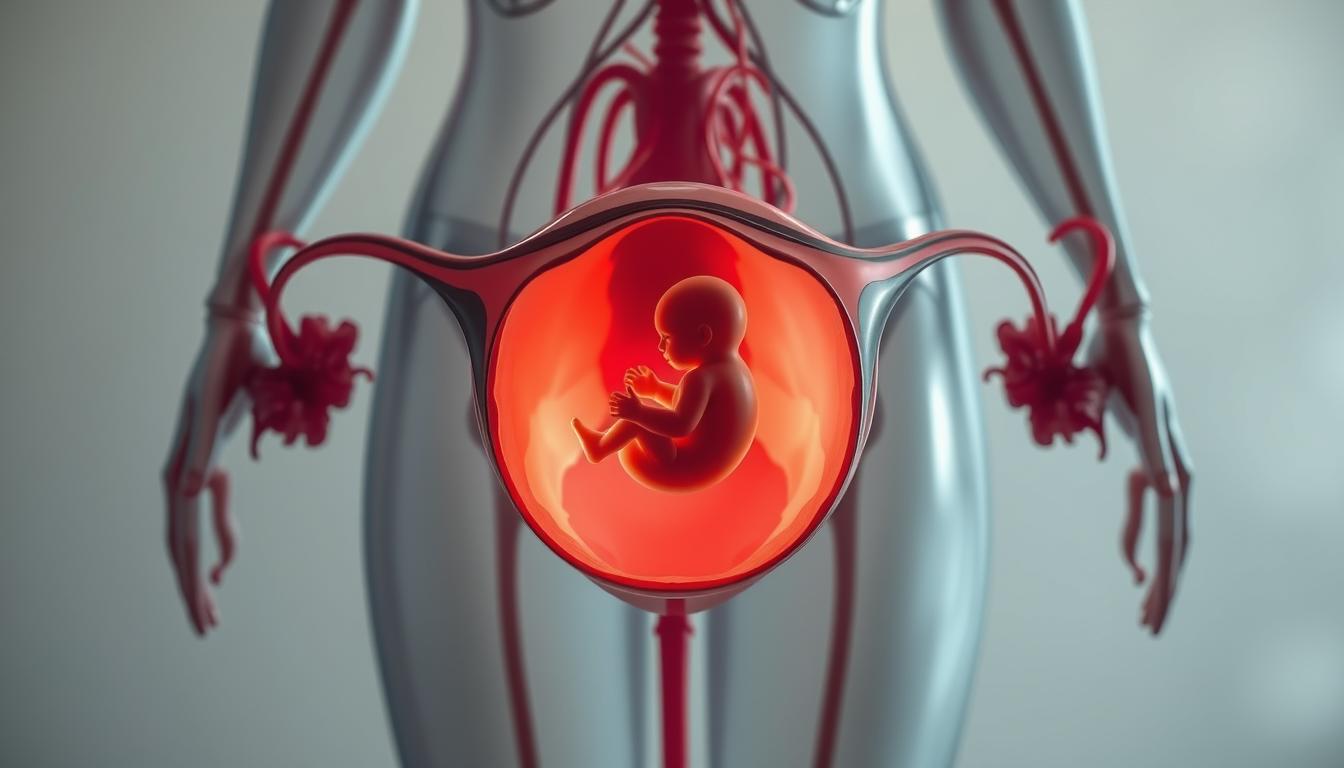
The media often highlights celebrity pregnancies at advanced ages, creating a misleading narrative that such occurrences are more common and achievable than they actually are. However, these cases are exceptions rather than the rule and often involve assisted reproductive technologies.
It’s essential to differentiate between exceptional cases and the general population’s experiences. The success stories of older celebrities getting pregnant do not reflect the average woman’s chances of conception.
Overestimating IVF Success Rates
Another misconception is overestimating the success rates of IVF (In Vitro Fertilization) treatments, especially at older ages. While IVF has improved significantly, age remains a critical factor in its success.
| Age Group | IVF Success Rate |
|---|---|
| Under 35 | 47.8% |
| 35-37 | 37.3% |
| 38-40 | 22.4% |
| 41-42 | 12.3% |
| 43-44 | 5.1% |
Understanding the declining success rates of IVF with age is vital for managing expectations.
The Myth of Unlimited Reproductive Time
Many women believe they have ample time to decide on having children, only to face unexpected fertility challenges later. The reality is that a woman’s reproductive time is limited, and age significantly impacts fertility.
By understanding the realities of age-related fertility decline, women can make more informed decisions about their reproductive health. It’s crucial to respect individual choices while providing accurate information to support those decisions.
Medical Conditions That Affect Fertility as Women Age
As women age, various medical conditions can impact their fertility, making it essential to understand these factors. While age itself is a significant determinant of fertility, certain health issues become more prevalent and can further complicate conception.
Several medical conditions are known to affect fertility in women, particularly as they age. These include endometriosis and fibroids, which are more common in older women and can significantly impact reproductive health.
Endometriosis and Fibroids
Endometriosis is a condition where tissue similar to the lining inside the uterus grows outside of it, causing pain and fertility issues. Fibroids are non-cancerous growths in the uterus that can also affect fertility by altering the uterine cavity and impacting embryo implantation. Both conditions are known to become more problematic with age.
A study published in the Journal of Women’s Health found that women with endometriosis had a higher risk of infertility, highlighting the need for early diagnosis and treatment.
| Condition | Impact on Fertility | Prevalence with Age |
|---|---|---|
| Endometriosis | Causes inflammation, scarring, and adhesions that can affect ovulation and embryo implantation. | Increases with age, particularly in women who have not given birth. |
| Fibroids | Can distort the uterine cavity, affecting implantation and increasing the risk of miscarriage. | More common in women over 30, with increased prevalence in older reproductive-age women. |
Polycystic Ovary Syndrome (PCOS)
PCOS is a hormonal disorder that affects ovulation, leading to irregular menstrual cycles and fertility challenges. While PCOS is often diagnosed in younger women, its effects on fertility can persist as women age.
“PCOS is one of the most common endocrine disorders in women of reproductive age, affecting up to 10% of women in this demographic.”
Women with PCOS are at a higher risk for various metabolic and reproductive issues, including insulin resistance and an increased risk of miscarriage.
Other Age-Related Fertility Challenges
Apart from endometriosis, fibroids, and PCOS, other medical conditions can impact fertility as women age. These include diminished ovarian reserve and premature ovarian insufficiency, where the ovaries stop functioning before the age of 40.
- Diminished ovarian reserve refers to a decrease in the quantity and quality of eggs, making conception more challenging.
- Premature ovarian insufficiency is a condition where the ovaries cease to function normally, leading to infertility and other health issues.
- Thyroid disorders, which become more common with age, can also affect fertility by disrupting ovulation and menstrual regularity.
Understanding these conditions and their impact on fertility is crucial for women who are planning to conceive, especially at an advanced age. Comprehensive health management and timely medical intervention can sometimes improve reproductive outcomes.
Pregnancy Risks at Advanced Maternal Age
Advanced maternal age is linked with a range of pregnancy-related complications that expectant mothers should be aware of. As women delay childbearing, understanding these risks becomes increasingly important for informed decision-making and prenatal care.
Women who become pregnant at an older age have a higher risk of complications during pregnancy, such as gestational diabetes and preeclampsia. These conditions can significantly impact both maternal and fetal health, necessitating closer monitoring and management throughout the pregnancy.
Gestational Diabetes and Preeclampsia
Gestational diabetes is a condition characterized by high blood sugar levels that are first recognized during pregnancy. Women over 35 years old are at a higher risk of developing gestational diabetes due to factors such as decreased insulin sensitivity. Regular screening and monitoring are crucial for managing this condition and preventing complications.
Preeclampsia is another pregnancy complication, more common in older women, characterized by high blood pressure and often accompanied by significant amounts of protein in the urine. This condition can lead to severe complications if not promptly diagnosed and managed. Early detection through regular prenatal check-ups is vital.
- Gestational diabetes increases the risk of cesarean delivery and fetal macrosomia.
- Preeclampsia can lead to preterm birth and low birth weight if not properly managed.
- Both conditions require careful monitoring and potentially early intervention.
Labor and Delivery Considerations
Advanced maternal age also affects labor, delivery, and birth outcomes. Older mothers are at a higher risk of requiring a cesarean delivery, which is influenced by both medical indications and provider practice patterns. Other labor considerations include higher rates of labor induction and differences in labor progression.
Understanding these risks allows for better preparation and management. For instance, discussing the likelihood of cesarean delivery and other potential complications with a healthcare provider can help women prepare for the possibilities and make informed decisions about their care.
Postpartum recovery is another critical aspect for women of advanced maternal age. Older mothers may face additional challenges in physical healing and adjustment to parenthood. Supportive care and resources can play a significant role in easing this transition.
While the risks associated with pregnancy at an advanced maternal age are significant, it’s essential to note that good prenatal care, birth preparation, and provider selection can help optimize birth experiences for women of all ages.
Fertility Testing and Assessment

As you consider your reproductive plans, fertility testing can provide valuable insights into your ovarian reserve and overall fertility. Fertility testing is a crucial step for individuals or couples planning to conceive, as it helps identify potential issues early on.
When to Seek Fertility Evaluation
If you’re under 35 and have been trying to conceive for a year without success, or if you’re over 35 and have been trying for six months, it’s time to consider a fertility evaluation. Additionally, if you have a history of medical conditions such as endometriosis, polycystic ovary syndrome (PCOS), or other reproductive health issues, you may want to seek evaluation earlier.
Fertility evaluations are not just for those experiencing difficulty conceiving; they can also be beneficial for individuals planning their reproductive future. Early assessment can provide peace of mind and help you make informed decisions about your reproductive health.
Testing Ovarian Reserve
Testing ovarian reserve is a key component of fertility assessment. Ovarian reserve refers to the quantity and quality of eggs remaining in your ovaries. There are several tests available to evaluate ovarian reserve, including:
- Day 3 FSH test: Measures the level of follicle-stimulating hormone on the third day of your menstrual cycle.
- Anti-Müllerian hormone (AMH) test: Provides an indication of the remaining egg supply.
- Antral follicle count (AFC): Uses ultrasound to count the number of antral follicles in your ovaries.
While no single test perfectly measures ovarian reserve, a combination of these tests can offer a more comprehensive understanding of your fertility potential.
Understanding Your Fertility Test Results
Receiving your fertility test results can be a moment of significant emotional investment. It’s essential to understand that test results provide valuable information but do not determine your reproductive outcome. Many women with concerning test results still conceive successfully.
When interpreting your results, consider the following:
- Normal ranges for common fertility tests and what values outside these ranges might indicate.
- How your age, overall health, and reproductive goals influence the interpretation of your test results.
Discussing your results with a healthcare provider can help you understand your fertility options and make informed decisions about your reproductive future.
Options for Preserving Fertility
With advancements in reproductive technology, women now have various options to preserve their fertility. Fertility preservation is not an insurance policy but rather offers a possibility of future pregnancy that depends on many factors.

Egg Freezing (Oocyte Cryopreservation)
Egg freezing, or oocyte cryopreservation, is a popular method of fertility preservation. It involves retrieving eggs from the ovaries, freezing them, and storing them for future use. The age at which eggs are frozen is a critical determinant of success, as egg quality declines with age.
The process of egg freezing includes ovarian stimulation, egg retrieval, and cryopreservation. While it offers hope for future pregnancy, it’s essential to understand that freezing eggs does not guarantee a successful pregnancy.
Embryo Freezing
Embryo freezing is another option for fertility preservation. It involves fertilizing eggs with sperm to create embryos, which are then frozen and stored. This method is often used by couples undergoing IVF treatment. The success of embryo freezing depends on various factors, including the age of the woman at the time of freezing and the quality of the embryos.
Realistic Expectations for Fertility Preservation
It’s crucial for women and couples to have realistic expectations about fertility preservation. The chances of success depend on multiple factors, including age, egg or embryo quality, and the specific preservation method used. Understanding these factors and the associated costs, including upfront costs, storage fees, and future treatment expenses, is vital for making informed decisions.
Fertility preservation decisions should be made with complete information and consideration of personal values and circumstances. While these technologies offer promising possibilities, they are not a guarantee against the effects of aging on reproductive health.
Fertility Treatments for Older Women
Fertility treatments offer hope to older women seeking to conceive. As women age, their fertility declines due to a decrease in both the quality and quantity of their eggs. However, various fertility treatments can help overcome these challenges.

INTRAUTERINE INSEMINATION (IUI)
Intrauterine insemination (IUI) is a fertility treatment where sperm is directly inserted into the uterus during ovulation. While IUI can be effective for some couples, its success rates decline significantly with the woman’s age, particularly after 40.
IN VITRO FERTILIZATION (IVF)
In Vitro Fertilization (IVF) is a more advanced fertility treatment that involves fertilizing an egg with sperm outside the body and then transferring the embryo to the uterus. IVF success rates are higher than IUI, but they are still influenced by the woman’s age due to the decline in egg quality and quantity.
IVF can be a viable option for older women, especially when combined with other technologies like preimplantation genetic testing (PGT) to select healthy embryos.
USING DONOR EGGS OR EMBRYOS
For many older women, using donor eggs or embryos is a highly effective fertility treatment. Donor eggs are fertilized with the partner’s sperm (or donor sperm) through IVF, and the resulting embryo is transferred to the woman’s uterus. The success of this treatment largely depends on the age and quality of the donated eggs, not the recipient’s age.
This option provides a significant chance of achieving a successful birth for women who are in their 40s or beyond. However, it involves complex emotional, ethical, and legal considerations.
Using donor eggs or embryos allows women to experience pregnancy and childbirth, offering a fulfilling path to parenthood despite advanced reproductive age.
In conclusion, while age significantly impacts a woman’s fertility, various treatments can offer a chance at parenthood. It’s essential for women to consult with fertility specialists to determine the most suitable treatment based on their individual circumstances.
Lifestyle Factors That Impact Fertility with Age
Age-related fertility concerns can be influenced by several modifiable lifestyle factors. As women get older, their lifestyle choices can significantly impact their reproductive health. Understanding these factors is crucial for making informed decisions about one’s fertility.
Nutrition and Exercise
A well-balanced diet rich in essential nutrients and regular physical activity can positively influence fertility. Nutrients such as folic acid, iron, and omega-3 fatty acids are particularly beneficial for reproductive health. Exercise not only helps maintain a healthy weight but also reduces stress, both of which are important for fertility.
A study examining the impact of diet on fertility found that women who consumed a diet high in monounsaturated fats, whole grains, and vegetables had improved fertility outcomes compared to those who consumed more saturated fats and sugars. Regular exercise, such as brisk walking, can also enhance fertility by improving insulin sensitivity and hormone regulation.
| Nutrient | Benefit for Fertility | Food Sources |
|---|---|---|
| Folic Acid | Crucial for preventing birth defects | Leafy greens, legumes, fortified cereals |
| Iron | Essential for healthy ovulation | Red meat, poultry, fish, beans, spinach |
| Omega-3 Fatty Acids | Supports hormone production and overall health | Fatty fish, nuts, seeds |
Avoiding Harmful Substances
Avoiding harmful substances is another critical lifestyle factor that impacts fertility. Smoking, excessive alcohol consumption, and illicit drug use can all negatively affect reproductive health. Smoking, in particular, has been shown to accelerate menopause and reduce egg quality.
Limiting caffeine intake is also advisable, as high levels of caffeine have been associated with decreased fertility. Adopting a lifestyle that avoids these harmful substances can improve overall health and increase the chances of conception.

Stress Management and Fertility
Chronic stress can have a detrimental impact on fertility by affecting reproductive hormones and ovulation. Stress management techniques such as mindfulness, meditation, and yoga can help mitigate this effect. These practices not only reduce stress but also improve overall well-being.
Engaging in regular physical activity and maintaining a healthy diet are also important for managing stress. By incorporating these lifestyle changes, women can potentially improve their fertility outcomes as they age.
Additional Resources to Read:
Do PGS and PGD Increase Pregnancy Success?
Affordable IVF Treatments Abroad
Conclusion
Understanding how age affects fertility can empower women to make informed decisions about their reproductive health. Throughout this article, we’ve explored the complex relationship between a woman’s age and her ability to conceive, highlighting the biological, medical, and lifestyle factors that influence fertility.
While age is a significant factor in determining fertility, it’s just one of many considerations in reproductive decision-making. Women’s reproductive choices are deeply personal and influenced by a multitude of factors beyond biology, including career goals, financial stability, and personal readiness for parenthood.
For more information about your fertility, it is essential to speak to your healthcare provider early to plan for your future reproductive health, ensuring you’re equipped to make the best choices for your life and well-being.
FAQs on how age affects fertility in women
What is the optimal age for a woman to get pregnant?
A woman’s optimal age for getting pregnant is generally considered to be between the late teens and early 30s, when egg quality and quantity are at their peak.
How does age affect a woman’s ability to conceive?
As a woman ages, the quality and quantity of her eggs decline, making it more challenging to conceive. This decline accelerates after the age of 35, increasing the risk of infertility and miscarriage.
Can men also experience a decline in fertility with age?
Yes, while men continue to produce sperm throughout their lives, the quality and quantity of sperm can decline with age, particularly after the age of 40, affecting fertility.
What are the risks associated with pregnancy at an advanced maternal age?
Pregnancy at an advanced maternal age (35 or older) is associated with increased risks, including gestational diabetes, preeclampsia, and chromosomal abnormalities, such as Down syndrome.
What fertility treatments are available for older women?
Older women can consider various fertility treatments, including intrauterine insemination (IUI), in vitro fertilization (IVF), and using donor eggs or embryos, to increase their chances of becoming pregnant.
How can women preserve their fertility for the future?
Women can preserve their fertility through egg freezing (oocyte cryopreservation) or embryo freezing, which can be viable options for those who are not yet ready to conceive.
What lifestyle factors can impact fertility with age?
Maintaining a healthy lifestyle, including a balanced nutrition and regular exercise, avoiding harmful substances, and managing stress, can help support fertility as women age.
When should a woman seek a fertility evaluation?
Women under 35 should seek fertility evaluation if they have not conceived after a year of trying, while women over 35 should seek evaluation after six months of trying.

Highly esteemed, authoritative, and trusted professional with a 14-year of experience in international surrogacy. Advocate for Secure, Legal, and Affordable International Surrogacy.
Neelam Chhagani, MA (Counselling Psychology) and Holistic Infertility and Third-Party Reproduction Consultant.
Member of European Fertility Society, Best Surrogacy Blogger of 2020, with 300 dedicated blogs, and top contributor on Quora for Surrogacy.
Add Your Comment