

No, surrogate mothers do not share DNA with the baby (in gestational surrogacy) as she is not genetically related to the baby, but act as a carrier. Many people are confused about the biological relationship between a surrogate and the baby she carries. One common myth is that the gestational surrogate is somehow related to the baby or shares blood with them. The process of surrogacy involves complex biological interactions, but the question remains: What is the actual connection between the surrogate and the baby?
Understanding the science behind surrogacy is crucial for intended parents and potential surrogates to make informed decisions. The relationship between the surrogate and the baby is often misunderstood, with many wondering if the surrogate mother shares DNA with the baby. This article aims to clarify these misconceptions and provide a clear understanding of the biological processes involved.
Key Takeaways for Surrogate Mother Shares DNA with the Baby
- The biological relationship between a surrogate and the baby is not as straightforward as it’s often perceived.
- Understanding the differences between traditional and gestational surrogacy is key to grasping the concept of blood and genetic sharing.
- The placental barrier plays a crucial role in determining the extent of blood sharing between the surrogate and the baby.
- DNA and blood type considerations are important factors in surrogacy arrangements.
- Clarifying common misconceptions about surrogacy helps intended parents and surrogates make informed decisions.
📞 Get in Touch for a Free Surrogacy Consultation
📱 +91-8800481100 (WhatsApp | LINE | Viber)
📧 neelam@ivfconceptions.com
🌐 www.ukrainesurrogacyagency.com
Why Intended Parents Choose Complete Surrogacy for a Safe, Smooth & Successful Surrogacy Journey:
🌍 Access to multiple surrogacy destinations with 15+ years of international experience
🏥 Partnerships with top-tier fertility clinics and agencies, backed by references from past clients
👩🦱 Diverse egg donor options: Asian, Caucasian, African, Oriental, and more
💸 Transparent and affordable pricing—direct payments with no extra agency fees
🔒 No hidden costs—all charges are agreed upon upfront
🤝 Dedicated case manager for personalized support
📲 Fast, honest, and clear communication throughout
📑 Full legal support for visas, documentation, and baby exit processes
🚚 Assistance with frozen sperm/embryo shipment logistics
Additional guides:
How Much Does a Surrogate Mother Cost in India: Your Guide
How Does a Surrogate Mother Get Pregnant? Explained
Surrogate Mother Success Rates: What to Know

The Biological Connection in Surrogacy
Surrogacy, particularly gestational surrogacy, involves a nuanced biological relationship that is frequently misinterpreted by the general public. The process of surrogacy, where a woman carries and gives birth to a baby for another individual or couple, is complex and involves various medical, emotional, and legal considerations.
Understanding the Basics of Pregnancy and Blood Supply
During pregnancy, the surrogate mother’s body supports the developing fetus through the placenta, a vital organ that facilitates the exchange of nutrients, oxygen, and waste products. The placenta acts as a barrier, ensuring that the surrogate’s blood and the baby’s blood do not mix directly. This understanding is fundamental to grasping the biological connection, or lack thereof, between the surrogate and the baby.
| Component | Function | Relevance to Surrogacy |
|---|---|---|
| Placenta | Facilitates exchange of nutrients, oxygen, and waste | Acts as a barrier between surrogate’s and baby’s blood |
| Surrogate’s Blood | Provides necessary nutrients and oxygen | Does not directly mix with baby’s blood |
| Baby’s Blood | Receives nutrients and oxygen from surrogate | Develops independently of surrogate’s genetic material |
Common Misconceptions About Surrogacy
Several misconceptions surround surrogacy, including the belief that the surrogate mother contributes genetically to the baby or that she shares blood with the baby. In gestational surrogacy, the baby is conceived using the intended parents’ eggs and sperm, or donor gametes, and not the surrogate’s genetic material. Clarifying these misconceptions is essential for all parties involved in the surrogacy process to have realistic expectations and understand the true biological relationship.
By understanding the basics of pregnancy and addressing common misconceptions, individuals can better navigate the complex process of surrogacy with a clearer understanding of the biological connections involved.
Types of Surrogacy and Their Genetic Implications
The journey of surrogacy is not one-size-fits-all, with different types offering unique genetic implications. Surrogacy arrangements can be broadly categorized into two main types: traditional surrogacy and gestational surrogacy. Each type has its own set of genetic implications that are crucial for intended parents and surrogates to understand.
Traditional Surrogacy: Genetic Connection Explained
In traditional surrogacy, the surrogate mother is also the egg donor, making her genetically related to the baby. This is because the surrogate’s own egg is fertilized with the intended father’s sperm or donor sperm through artificial insemination. As a result, traditional surrogacy creates a direct genetic link between the surrogate and the child. This genetic connection can have significant emotional and legal implications, making it less common in modern surrogacy practices.
“The genetic bond between a surrogate and the baby in traditional surrogacy can complicate the surrogacy process,” says Dr. Jane Smith, a fertility expert. “It’s crucial for all parties involved to understand these implications before proceeding.”
Gestational Surrogacy: The Modern Approach
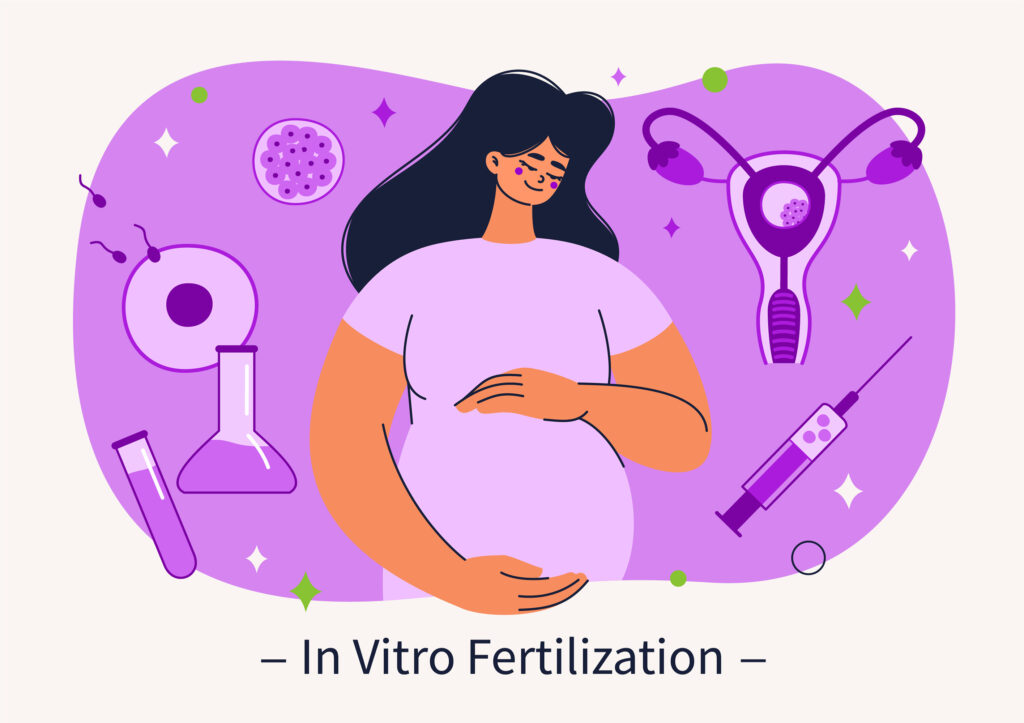
Gestational surrogacy, on the other hand, involves creating an embryo through in vitro fertilization (IVF) using the egg and sperm of the intended parents or donors. This embryo is then transferred to the gestational surrogate’s uterus. The surrogate has no genetic relationship to the baby, as the embryo is formed from the genetic material of the intended parents or donors.
- Gestational surrogacy is the more common and preferred method today, as it separates the genetic material of the surrogate from that of the baby.
- This method allows intended parents to have a genetic connection to their child when they use their own egg and sperm.
- Advances in IVF technology have made gestational surrogacy increasingly successful and accessible.
Read more about the surrogate mother process:
How Do Surrogate Mothers Get Pregnant? A Comprehensive Guide for Intended Parents
How to Find Surrogate Mothers in Mexico (2025 Guide)
How Much Compensation Does a Surrogate Mother Receive? A Comprehensive Guide for Intended Parents
The Cost of Surrogacy Without an Agency: What You Need to Know
Find a Surrogate With or Without an Agency
Gestational surrogacy provides clearer legal and emotional boundaries, as the surrogate has no genetic claim to the child. This makes it the preferred choice for most surrogacy arrangements today.
Genetic Relationships in Surrogacy
The question of whether a surrogate mother shares DNA with the baby is rooted in the broader context of genetic relationships in surrogacy. To understand this, it’s essential to delve into how genetic material is contributed during the surrogacy process.
DNA Contribution: Eggs, Sperm, and Embryo Formation
In surrogacy, the genetic material of the baby is determined by the egg and sperm used to form the embryo. The DNA of the baby comes solely from the individuals who provided these reproductive cells, regardless of who carries the pregnancy. This means that if a gestational surrogate is not the egg donor, she does not contribute genetically to the baby.
The process of embryo formation involves the fusion of an egg and a sperm, resulting in a unique genetic code. This code is fixed at conception and does not change, even when the embryo is carried by a surrogate.
Why Gestational Surrogates Don’t Share DNA with the Baby
A gestational surrogate, by definition, carries an embryo that is not genetically related to her. The placenta acts as a barrier that maintains the genetic integrity of the developing baby, ensuring that there is no transfer of DNA between the surrogate and the fetus.
Medical science has conclusively shown that a woman’s body does not transfer DNA to a baby she carries unless she is the egg provider. This biological reality is fundamental to understanding why gestational surrogates do not share DNA with the babies they carry.
- The genetic code of the baby is fixed at conception and remains unchanged throughout the pregnancy.
- The surrogate’s role is to provide a nurturing environment for the baby’s development, without altering the baby’s genetic blueprint.
- This clear genetic distinction is crucial for the legal and emotional clarity of surrogacy arrangements.
Conclusion for Surrogate Mother Shares DNA with the Baby
Surrogacy is a remarkable process that allows individuals to build their families in non-traditional ways. At its core, surrogacy involves a complex interplay of biological, legal, and emotional factors. To definitively answer the question: Does a surrogate mother share blood with the baby? – It’s clear that the surrogate and baby have separate blood systems that exchange nutrients through the placenta but never directly mix.
A gestational surrogate does not share DNA with the baby she carries, as the genetic material comes exclusively from the egg and sperm used to create the embryo. Understanding these biological facts helps clarify the unique role that surrogates play – providing a nurturing environment for development without contributing genetically to the child. Modern surrogacy practices have evolved to prefer gestational arrangements precisely because they create clearer biological, legal, and emotional boundaries for all involved.
📞 Get in Touch for a Free Surrogacy Consultation
📱 +91-8800481100 (WhatsApp | LINE | Viber)
📧 neelam@ivfconceptions.com
🌐 www.ukrainesurrogacyagency.com
FAQs: Does a surrogate share DNA with the baby
What is the difference between traditional and gestational surrogacy?
Will the baby inherit the surrogate’s DNA in gestational surrogacy?
How are nutrients and oxygen transferred from the surrogate to the baby?
Can the surrogate’s health impact the baby’s development?
Will the baby look like the surrogate?
What are the legal protections for intended parents in surrogacy?
How do intended parents and surrogates navigate emotional boundaries?
Are there any blood type considerations in surrogacy?
More Resources:
- https://www.usa.gov/laws-and-regulations
- https://www.justice.gov/reproductive-rights
- https://www.worldwidesurrogacy.org
- https://www.hcch.net/en/home
- https://www.who.int/health-topics/infertility
- https://www.eshre.eu (European Society of Human Reproduction and Embryology – ESHRE)
- https://en.wikipedia.org/wiki/Surrogacy (Wikipedia – General overview and country-specific laws)

I am Neelam Chhagani, CEO and International Patient Follow-up Manager, representing IVF Conceptions. I work as a surrogacy consultant and assist and guide the Intended Parents to become parents via surrogacy, globally.
Read more about me:
https://www.linkedin.com/in/neelam-chhagani-92892229
https://www.ivfconceptions.com/neelam-chhagani-surrogacy-consultant
It will be my great pleasure to assist you.
Add Your Comment