


Infertility is a common issue affecting many couples worldwide. According to the Mayo Clinic, it is defined as the inability to conceive despite having frequent, unprotected sex for at least a year. Understanding the underlying infertility factors is crucial to addressing them effectively. Various medical conditions, lifestyle factors, and environmental influences contribute to infertility causes and risks. For instance, certain medical conditions can affect reproductive health, while lifestyle choices and exposure to environmental toxins can also play a role. By exploring these key factors, individuals can better understand the common causes of infertility and take steps to address them.
Key Takeaways for What Causes Infertility
- Understanding infertility definition is crucial for addressing the issue.
- Medical conditions, lifestyle factors, and environmental influences contribute to infertility.
- Identifying the underlying causes is essential for effective treatment.
- Lifestyle changes and medical interventions can help address infertility.
- Seeking professional help is vital for couples struggling with infertility.
📞 Get in Touch for a Free Surrogacy Consultation
📱 +91-8800481100 (WhatsApp | LINE | Viber)
📧 neelam@ivfconceptions.com
🌐 www.ukrainesurrogacyagency.com
💫 Why Intended Parents Choose Complete Surrogacy for a Safe, Smooth & Successful Surrogacy Journey:
🌍 Access to multiple surrogacy destinations with 15+ years of international experience
🏥 Partnerships with top-tier fertility clinics and agencies, backed by references from past clients
👩🦱 Diverse egg donor options: Asian, Caucasian, African, Oriental, and more
💸 Transparent and affordable pricing—direct payments with no extra agency fees
🔒 No hidden costs—all charges are agreed upon upfront
🤝 Dedicated case manager for personalized support
📲 Fast, honest, and clear communication throughout
📑 Full legal support for visas, documentation, and baby exit processes
🚚 Assistance with frozen sperm/embryo shipment logistics
Additional guides for infertility treatments:
Affordable IVF Treatments Abroad: Explore Your Options.
Is Infertility and Depression Related?
Find Surrogate Mother and Egg Donor Services Globally
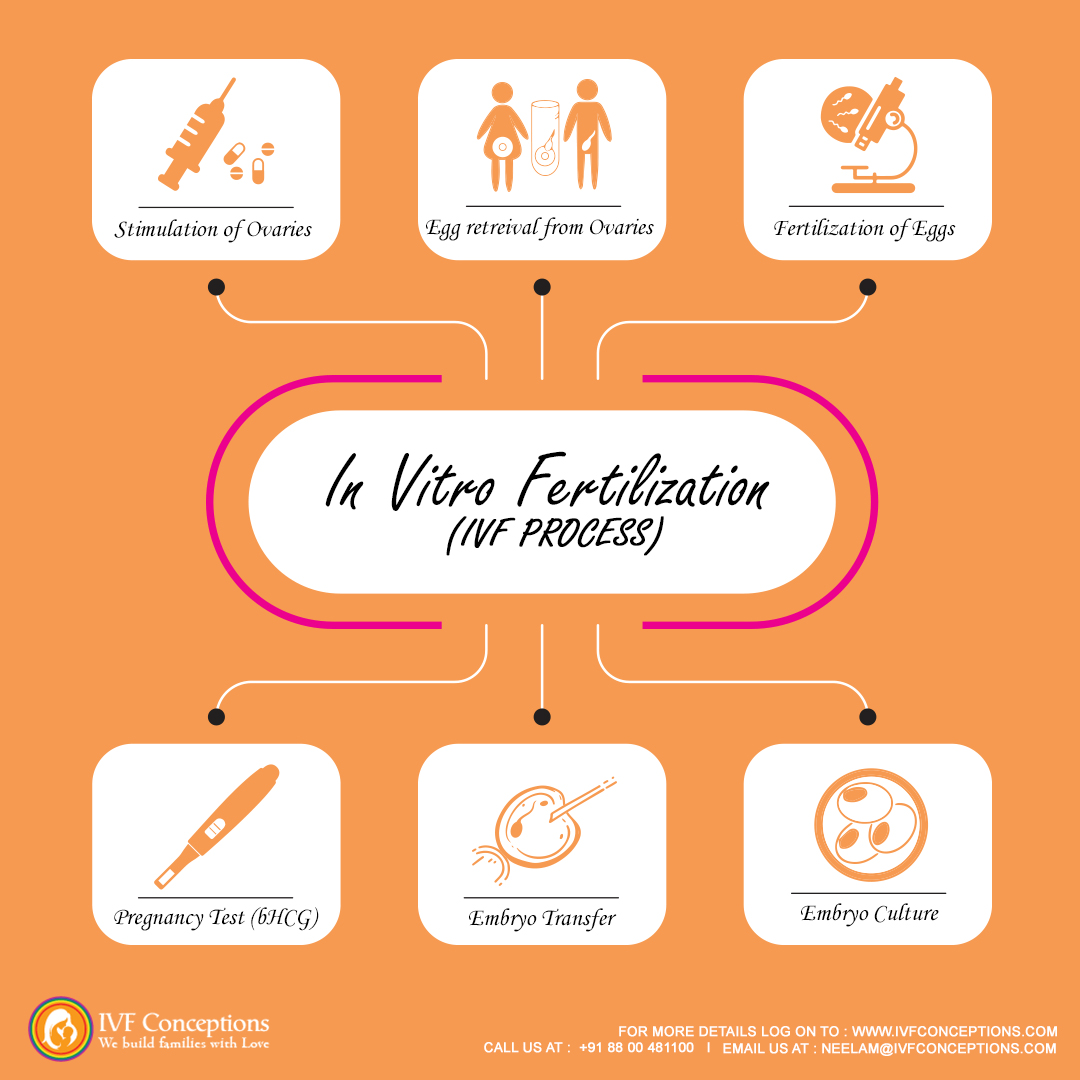
Image courtesy- IVF Conceptions
Understanding the Common Causes of Infertility
Understanding the causes of infertility is crucial for those struggling to conceive. Infertility is a complex issue that can arise from a variety of factors, affecting both men and women. To address this challenge effectively, it’s essential to comprehend the underlying causes and the prevalence of infertility.
Definition and Prevalence of Infertility
Infertility is generally defined as the inability to conceive after a year of regular, unprotected sex. According to the World Health Organization (WHO), infertility is a significant health issue worldwide, affecting millions of people of reproductive age. The prevalence of infertility varies globally, but it’s estimated that around 15% of couples experience infertility.
Key statistics on infertility include:
- Approximately 48 million couples worldwide are affected by infertility.
- Infertility affects both men and women equally, with male factors contributing to about 50% of cases.
- The prevalence of infertility increases with age, particularly in women over 35 years.
Primary vs. Secondary Infertility
Infertility can be categorized into two main types: primary and secondary infertility. Primary infertility refers to couples who have never conceived despite having regular, unprotected sex for over a year. On the other hand, secondary infertility occurs when a couple has previously conceived but is now experiencing difficulty conceiving again.
Understanding the difference between primary and secondary infertility is vital for determining the appropriate course of treatment. The causes of primary and secondary infertility can vary, and identifying these causes is crucial for developing an effective treatment plan.
When to Seek Medical Help
If you’re struggling to conceive, it’s essential to know when to seek medical help. The National Institute for Health and Care Excellence (NICE) recommends that women under 40 years old who have been trying to conceive for over 2 years should be offered IVF treatment. For women over 40, this timeframe is reduced to 1 year.
Signs that you should seek medical help include:
- Women over 35 years old who have been trying to conceive for 6 months or more.
- Known medical conditions that could affect fertility such as polycystic ovary syndrome (PCOS) or endometriosis.
- A history of pelvic surgery or injury that may have affected reproductive organs.
Seeking medical help early can significantly improve the chances of successful conception.
Female Infertility: Medical and Hormonal Factors
Understanding the medical and hormonal factors that affect female fertility is crucial for those seeking to conceive. Female infertility can be caused by a variety of factors, including polycystic ovary syndrome (PCOS), thyroid disorders, and premature ovarian failure.
Research indicates that PCOS is a leading cause of female infertility, affecting ovulation and hormone production. It’s one of the most common causes of female infertility, leading to issues such as irregular periods and ovulation problems.
Thyroid problems, including hypothyroidism and hyperthyroidism, can also disrupt ovulation and menstrual cycles, leading to fertility issues. Premature ovarian failure, where the ovaries stop functioning before the age of 40, is another significant factor.
Lifestyle factors can also play a role in female infertility. As noted by a medical expert,
“Maintaining a healthy weight, managing stress, and avoiding excessive alcohol consumption can help mitigate some causes of infertility.”
In conclusion, female infertility is influenced by a range of medical, hormonal, and lifestyle factors. By understanding these causes, women can take the first steps towards addressing their fertility challenges. It’s essential to seek medical advice if you’re experiencing difficulties conceiving.
Male Infertility: Key Contributing Factors
Infertility in men can be caused by a variety of factors, including medical, hormonal, and lifestyle-related issues. Understanding these causes is essential for developing effective treatment plans and improving fertility.
Sperm Production Issues
Sperm production issues are a common cause of male infertility. Low sperm count, also known as oligospermia, and poor sperm motility can significantly reduce fertility. According to the American Society for Reproductive Medicine, male infertility can be caused by various factors, including low sperm count and poor sperm motility.
Factors affecting sperm production include hormonal imbalances, genetic disorders, and certain medical treatments. Environmental factors, such as exposure to toxins and excessive heat, can also impact sperm quality.
Structural Problems
Structural issues within the male reproductive system can also contribute to infertility. Conditions such as varicocele, a swelling of the veins in the scrotum, can affect sperm production and quality. Other structural problems include blockages or abnormalities in the epididymis or vas deferens.
- Varicocele
- Blockages or abnormalities in the epididymis or vas deferens
- Testicular injuries or conditions
Hormonal Imbalances in Men
Hormonal imbalances play a crucial role in male fertility. Testosterone is essential for sperm production, and imbalances can affect fertility. Other hormonal issues, such as thyroid disorders or pituitary gland problems, can also impact male fertility.
Addressing hormonal imbalances often involves hormone replacement therapy or other medical treatments. Lifestyle changes, such as maintaining a healthy weight and managing stress, can also help regulate hormonal balances.
By understanding the causes of male infertility, individuals and couples can take the first step towards addressing fertility issues and finding effective solutions.
Additional guides for IVF:
IVF Vs IUI– What Is the Process, Cost, And Success Rates
How Endometriosis and Pregnancy Are Related?
What is IVF and Surrogacy: Exploring Paths to Parenthood
What Is PGD? How It Works in Fertility Treatment
Age-Related Fertility Challenges
As individuals consider starting a family, understanding the impact of age on fertility becomes increasingly important. Age is a significant factor in fertility, affecting both men and women, though in different ways. Research has shown that advanced maternal age can significantly affect fertility, with women over 35 experiencing a decline in egg quality and quantity.

Impact of Advanced Maternal Age
Advanced maternal age is a well-documented risk factor for infertility. As women age, the quality and quantity of their eggs decline, making conception more challenging. By age 35, the chances of conceiving begin to decrease, and by 40, the decline is more pronounced. This decline is due to various factors, including increased chromosomal abnormalities and decreased egg viability.
Key considerations for women of advanced maternal age include:
- Reduced egg reserve
- Increased risk of miscarriage
- Higher risk of chromosomal abnormalities, such as Down syndrome
Age-Related Male Fertility Decline
While often less emphasized than female age, male age also plays a role in fertility. As men age, the quality of their sperm can decline, potentially leading to difficulties in conceiving. Advanced paternal age has been associated with increased risks of certain genetic mutations and health issues in offspring.
Factors contributing to age-related male fertility decline include:
- Decreased sperm motility
- Increased DNA fragmentation
- Potential for epigenetic changes
Timing Considerations for Conception
Understanding the impact of age on fertility can help individuals and couples plan for conception. For those facing age-related fertility challenges, timely medical evaluation and intervention can be crucial. Options such as fertility preservation (e.g., egg or sperm freezing) may be considered for those anticipating delayed conception.
Timing is critical: Couples experiencing difficulty conceiving, especially those of advanced reproductive age, should seek medical advice promptly to explore available fertility treatments and optimize their chances of conception.
Lifestyle Factors Affecting Fertility
Fertility is influenced by a multitude of lifestyle factors that can either enhance or hinder reproductive health. According to the National Institute of Child Health and Human Development, factors such as obesity, smoking, and excessive alcohol consumption can significantly impact fertility in both men and women.
Maintaining a healthy lifestyle is crucial for optimizing fertility. This includes achieving and maintaining a healthy weight, as obesity is linked to reduced fertility due to hormonal imbalances and ovulation issues in women, and decreased sperm quality in men.
Smoking is another critical lifestyle factor that negatively affects fertility. It damages the reproductive system in both men and women, leading to issues such as reduced egg quality and quantity in women, and decreased sperm count and motility in men.
Excessive alcohol consumption also plays a role in fertility challenges. High alcohol intake can disrupt hormone levels, affecting ovulation and sperm production. Limiting alcohol consumption is advisable for individuals trying to conceive.
In addition to these factors, diet and nutrition play a vital role in fertility. A balanced diet rich in essential nutrients supports reproductive health. Key nutrients include folic acid, iron, and zinc, which are crucial for both male and female fertility.
| Lifestyle Factor | Impact on Male Fertility | Impact on Female Fertility |
|---|---|---|
| Obesity | Decreased sperm quality | Hormonal imbalances, ovulation issues |
| Smoking | Decreased sperm count and motility | Reduced egg quality and quantity |
| Excessive Alcohol Consumption | Disrupted hormone levels, reduced sperm production | Disrupted hormone levels, ovulation issues |
By understanding and addressing these lifestyle factors, individuals can take proactive steps to enhance their fertility and improve their chances of conception.
Medical Conditions and Genetic Causes of Infertility
Understanding the medical conditions and genetic causes of infertility is crucial for those seeking to conceive. Infertility is a complex issue that can be influenced by a variety of factors, including underlying medical conditions and genetic predispositions.
Research has shown that certain medical conditions can significantly impact fertility. For instance, conditions like endometriosis and polycystic ovary syndrome (PCOS) are known to affect fertility in women. These conditions can disrupt ovulation, cause hormonal imbalances, and lead to other reproductive issues.
Hereditary Factors
Genetic factors can also play a significant role in infertility. Some genetic conditions are hereditary, meaning they are passed down from parents to their offspring. For example, certain genetic mutations can affect sperm production or ovulation, leading to infertility issues.
A detailed understanding of hereditary factors can help individuals understand their risk and make informed decisions about their reproductive health. The following table highlights some common genetic conditions associated with infertility:
| Genetic Condition | Description | Impact on Fertility |
|---|---|---|
| Cystic Fibrosis | A genetic disorder affecting respiratory and digestive systems | Can cause congenital absence of the vas deferens in men, leading to infertility |
| Klinefelter Syndrome | A condition where males have an extra X chromosome | Often results in infertility due to impaired sperm production |
| Turner Syndrome | A condition where females have only one X chromosome | Can lead to ovarian dysgenesis and infertility |
Chronic Health Conditions
Chronic health conditions can also impact fertility. Conditions such as diabetes, thyroid disorders, and obesity can affect reproductive health in both men and women. For example, uncontrolled diabetes can damage sperm DNA, while thyroid disorders can disrupt ovulation.
Managing chronic health conditions is crucial for maintaining fertility. By controlling these conditions through lifestyle changes and medical treatment, individuals can improve their chances of conceiving.
Reproductive System Disorders
Disorders of the reproductive system, such as uterine abnormalities or testicular damage, can also contribute to infertility. These disorders can be caused by a variety of factors, including genetics, injury, or infection.
Diagnosing and treating reproductive system disorders is essential for addressing infertility. Various treatment options are available, including surgery, medication, and assisted reproductive technologies.
Environmental and Occupational Risk Factors
You may be unaware that your surroundings and workplace can significantly impact your fertility. Environmental and occupational exposures are increasingly recognized as contributing factors to infertility issues.
Exposure to Toxins
Exposure to certain toxins can adversely affect fertility. According to the Environmental Protection Agency, environmental pollutants and toxins can impact reproductive health. Common toxins include chemicals found in plastics, pesticides, and heavy metals.
- Chemicals in Plastics: Bisphenol A (BPA) and phthalates can mimic or interfere with hormones, potentially affecting fertility.
- Pesticides: Exposure to certain pesticides has been linked to reduced fertility in both men and women.
- Heavy Metals: Lead, mercury, and cadmium can affect reproductive health by damaging sperm and egg quality.
Workplace Hazards
Certain workplace conditions can also impact fertility. For instance, exposure to radiation, chemicals, or extreme temperatures can affect reproductive health.
| Workplace Hazard | Potential Impact on Fertility |
|---|---|
| Radiation Exposure | Can damage sperm DNA and affect menstrual cycles. |
| Chemical Exposure (e.g., solvents, pesticides) | Can affect sperm quality and hormone regulation. |
| Extreme Temperatures | High temperatures can impair sperm production. |
Environmental Pollutants
Air and water pollution are significant environmental factors that can impact fertility. Particulate matter in the air and contaminants in water can affect reproductive health.
To minimize exposure to these risk factors, it’s essential to be aware of your surroundings and take proactive steps. This includes using protective gear at work, avoiding plastics, and filtering your water.
Conclusion: Taking Control of Your Fertility Journey
Understanding the complex causes of infertility is the first step towards taking control of your fertility journey. Various medical, lifestyle, and environmental factors can contribute to infertility causes and fertility issues. By acknowledging these infertility risk factors, you can make informed decisions to optimize your chances of conception.
Maintaining a healthy lifestyle, managing stress, and addressing underlying medical conditions can help mitigate some of these risks. Seeking professional guidance from fertility specialists can also provide personalized support and treatment options. By taking proactive steps, you can empower yourself to navigate the challenges of infertility and move closer to achieving your reproductive goals.
📞 Get in Touch for a Free Surrogacy Consultation
📱 +91-8800481100 (WhatsApp | LINE | Viber)
📧 neelam@ivfconceptions.com
🌐 www.ukrainesurrogacyagency.com
FAQs for the causes of infertility
What are the most common causes of infertility in women?
How does age affect fertility in men and women?
What lifestyle factors can impact fertility?
Can medical conditions contribute to infertility?
How do environmental and occupational risk factors affect fertility?
What is the difference between primary and secondary infertility?
When should I seek medical help for infertility?
What are the common causes of male infertility?
Can genetic factors contribute to infertility?
More Resources:
- https://www.usa.gov/laws-and-regulations
- https://www.justice.gov/reproductive-rights
- https://www.eshre.eu (European Society of Human Reproduction and Embryology – ESHRE)
- https://en.wikipedia.org/wiki/Surrogacy (Wikipedia – General overview and country-specific laws)

I am Neelam Chhagani, CEO and International Patient Follow-up Manager, representing IVF Conceptions. I work as a surrogacy consultant and assist and guide the Intended Parents to become parents via surrogacy, globally.
Read more about me:
https://www.linkedin.com/in/neelam-chhagani-92892229
https://www.ivfconceptions.com/neelam-chhagani-surrogacy-consultant
It will be my great pleasure to assist you.
Add Your Comment