

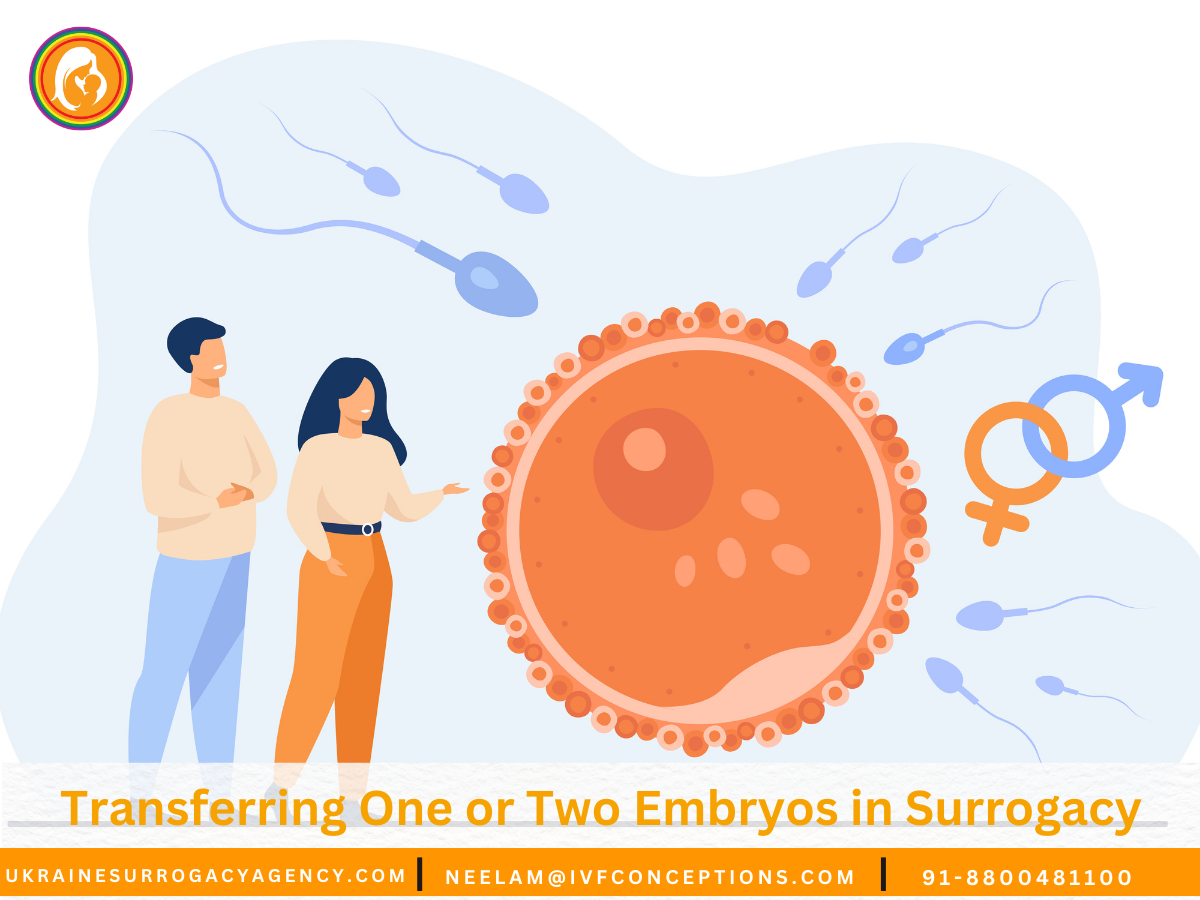
Transferring one or two embryos in surrogacy is a key medical decision that balances success rates with pregnancy safety. Single embryo transfer (SET) is often recommended to reduce the risks of multiple pregnancies, such as preterm birth and complications for the surrogate, while still offering strong success rates when high-quality embryos are used.
Double embryo transfer (DET) may be considered in select cases, such as repeated IVF failures or lower-quality embryos, but it increases the chance of twins and related health risks. Fertility specialists guide intended parents on the safest option based on embryo quality, surrogate health, and overall surrogacy goals.
Key Takeaways
- The choice between transferring one or two embryos significantly affects success rates and health risks.
- Advancements in IVF technology have changed the landscape of embryo transfer options.
- Health considerations for the surrogate play a critical role in decision-making.
- Emotional factors for intended parents can further complicate the choice of embryo transfer.
- Understanding clinical evidence and success rates is key to optimizing outcomes.
- Professional guidelines emphasize the importance of proper techniques in embryo transfer.
📞 Get in Touch for a Free Surrogacy Consultation
📱 +91-8800481100 (WhatsApp | LINE | Viber)
📧 neelam@ivfconceptions.com
🌐 www.ukrainesurrogacyagency.com

Understanding the Embryo Transfer Options
When thinking about embryo transfer in surrogacy, there are two main choices: single embryo transfer and double embryo transfer. Double embryo transfer was once popular because it seemed to have higher success rates. But, discoveries in reproductive science have changed this view.
Single Embryo Transfer vs Double Embryo Transfer
Recent studies have debunked old beliefs about double embryo transfer. Now, single embryo transfer is seen as just as effective, but with fewer risks of multiple pregnancies. This shift is clear, with single embryo transfer now used in almost 90% of cases in U.S. fertility clinics.
Advancements in IVF Technology
New advancements in IVF technology have greatly improved embryo quality and chances of success. Techniques like extended blastocyst culture and Preimplantation Genetic Testing for Aneuploidy (PGT-A) help choose the best embryos. These advancements support the move towards single embryo transfer, making it safer and more effective.
Benefits of Transferring One Embryo in Surrogacy
Choosing to transfer one embryo in surrogacy has many benefits. It improves health outcomes for both the surrogate and the intended parents. This approach reduces risks linked to pregnancies with multiple embryos.
Health Benefits for the Surrogate
Opting for a single embryo transfer is key to the surrogate’s health. It lowers the chance of serious issues like gestational diabetes and preeclampsia. These conditions can harm both the surrogate and the baby.
With fewer health problems, the surrogate can enjoy a healthier pregnancy. This allows them to maintain a better quality of life during the pregnancy.
Lower Risk of Multiple Pregnancies
Transferring one embryo greatly reduces the risk of multiple pregnancies. Twin pregnancies often lead to preterm births, with over 60% of them ending early. In contrast, about 10% of singleton pregnancies end early.
This approach makes the journey safer for the surrogate. It also boosts the chances of a successful birth for the baby.
This method highlights the importance of prioritizing health and safety. It creates a supportive environment for both surrogates and intended parents.
Risks of Transferring Two Embryos in Surrogacy
Transferring two embryos can lead to multiple pregnancies, which comes with big risks. Everyone in the surrogacy process needs to know these risks.
Health Complications for the Surrogate
Carrying twins can harm the surrogate’s health. The risks of transferring two embryos include:
- Higher likelihood of cesarean delivery
- Increased risk of gestational diabetes
- Longer postpartum recovery periods
- A greater degree of physical strain on the body
These health issues may need more medical care and support during the pregnancy.
Neonatal Outcomes of Multiple Pregnancies
Single and multiple pregnancies have different neonatal outcomes. The neonatal outcomes of multiple pregnancies show that twins are more vulnerable:
- Increased risk of preterm birth
- Higher chances of low birth weight
- Need for neonatal intensive care
Many clinics suggest Single Embryo Transfers (SET) to lower the risks of multiple embryo transfer. This helps ensure better health for the surrogate and the babies.
Choosing Between One or Two Embryos

Deciding on the number of embryos to transfer is a big step for intended parents. Many factors influence this choice, like the health of the embryos, the surrogate, and the parents. Emotional considerations are also key, as intended parents embark on this personal journey.
Factors Influencing the Decision
Several important elements play a role in this decision:
- Embryo Quality: The health and viability of the embryos are critical. Better quality embryos often lead to higher implantation rates.
- Surrogate’s Health: The surrogate’s health and medical history are vital. It’s important to ensure she’s physically ready for the process.
- Success Rates: The success rates of single versus double embryo transfers are important. While transferring two embryos might increase chances, it also raises risks.
Emotional Considerations for Intended Parents
Intended parents often face emotional challenges when deciding on embryo transfer. Many feel the need to succeed and think transferring two embryos might help. This can cause anxiety and worry about outcomes. Talking openly with medical professionals can help. They offer insights and support, easing some of the stress.
In the end, it’s important to weigh both clinical data and personal feelings. This balanced approach helps make informed choices. It ensures parents’ aspirations are met while caring for their emotional well-being.
Transferring One or Two Embryos in Surrogacy: What to Consider
Choosing between one or two embryos in surrogacy depends on several factors. The age and health of the intended parents are key. They affect the success rate of the transfer. Also, the quality of the embryos is important for a successful transfer.
Age and Health of the Intended Parents
The age and health of intended parents greatly influence pregnancy success. Women over 35 face lower chances of successful implantation. It’s wise for parents to check their reproductive health with doctors.
They should think about transferring more than one embryo if they’re older or have health issues. This helps make informed decisions for a successful pregnancy.
Quality of the Embryos
The quality of the embryos is a critical factor in surrogacy. High-quality embryos have a better chance of implanting. This makes single embryo transfer a common choice.
On the other hand, lower-quality embryos might need double embryo transfer. Knowing how to evaluate embryo quality is helpful for parents.
| Factor | Impact on Transfer Decision | Considerations |
|---|---|---|
| Age of Intended Parents | Older age decreases success rates | Consult with medical professionals |
| Health Conditions | May require special considerations | Assess overall reproductive health |
| Quality of Embryos | High-quality allows for single transfer | Embryo grading evaluation |
Success Rates of Single vs Double Embryo Transfer

When thinking about embryo transfer in surrogacy, knowing the success rates is key. Studies show that single embryo transfer (SET) often has similar success rates to double embryo transfer (DET). This is true when the quality of the embryos is considered. It’s a detail that matters a lot to both intended parents and surrogates.
Clinical Evidence and Statistical Outcomes
Looking at the clinical evidence, we see that choosing the right embryo transfer method is important. DET might seem to have higher pregnancy rates at first. But, SETs done multiple times can actually have better success rates than one DET. This way, we avoid the risks of multiple pregnancies while keeping the chances of success high.
Also, research shows that using one high-quality embryo can be just as effective as using two lower-quality ones. This highlights the need for personalized care in fertility treatments. It shows that single vs double embryo transfer should be viewed from a balanced perspective in surrogacy.
Best Practices for Embryo Transfer
Effective embryo transfer is key to successful surrogacy. It involves careful procedures and established protocols. These practices can greatly improve the transfer process.
Importance of Proper Technique
The right embryo transfer technique is very important. It helps avoid harming the uterus, which is good for implantation. The timing and method of transfer play big roles in getting pregnant.
Guidelines by Fertility Specialists
Fertility specialists give important guidelines for embryo transfer in surrogacy. These guidelines cover:
- Preparation of the uterine environment
- Monitoring embryo development
- Addressing patient-specific considerations
Following these guidelines, like using Preimplantation Genetic Testing (PGT), helps make better decisions. It keeps the surrogacy process strong.
| Best Practice | Description | Benefits |
|---|---|---|
| Embryo grading | Assessing embryos based on quality. | Increases chances of implantation. |
| Timing of transfer | Choosing the optimal time for transfer based on embryo development. | Enhances effectiveness of the procedure. |
| Monitoring hormonal levels | Ensuring the right hormonal environment prior to transfer. | Improves uterine receptivity. |
Additional resources to read:
Embryo Testing, PGT, and Genetic Screening in Surrogacy
Coping with Uncertainty in Surrogacy
The Essential Steps of Egg Donor Screening
Conclusion
Choosing to transfer one or two embryos in surrogacy is a big decision. It involves medical, emotional, and ethical aspects. With better technology, many are choosing one embryo. This choice is better for the surrogate’s health and follows ethical surrogacy guidelines.
This choice should match the unique needs and values of all involved. It’s important to consider the age and health of the parents and the quality of the embryos. This way, everyone can make a careful and informed decision.
By focusing on ethical surrogacy, everyone’s experience improves. This leads to better health outcomes and more fulfilling family-building journeys. The decision on embryo transfer is key to a successful journey. It shows the importance of making informed choices and having full support.
💫 Why Intended Parents Choose Complete Surrogacy for a Safe, Smooth & Successful Surrogacy Journey:
🌍 Access to multiple surrogacy destinations with 15+ years of international experience
🏥 Partnerships with top-tier fertility clinics and agencies, backed by references from past clients
👩🦱 Diverse egg donor options: Asian, Caucasian, African, Oriental, and more
💸 Transparent and affordable pricing—direct payments with no extra agency fees
🔒 No hidden costs—all charges are agreed upon upfront
🤝 Dedicated case manager for personalized support
📲 Fast, honest, and clear communication throughout
📑 Full legal support for visas, documentation, and baby exit processes
🚚 Assistance with frozen sperm/embryo shipment logistics

FAQ: Transferring One or Two Embryos in Surrogacy
What is the main difference between Single Embryo Transfer (SET) and Double Embryo Transfer (DET)?
SET means transferring just one embryo, while DET means two are transferred. SET is safer for the surrogate and the baby. DET might increase pregnancy chances but also raises risks.
What are the benefits of transferring one embryo during surrogacy?
Transferring one embryo is safer for the surrogate. It lowers risks of gestational diabetes and complications from multiple babies. It also means less chance of preterm births and better health for the surrogate and baby.
What risks are associated with transferring two embryos in surrogacy?
Transferring two embryos can harm the surrogate more. It may lead to more cesarean deliveries and longer recovery times. Babies from twin pregnancies also face higher risks of being born too early and being underweight.
How do advancements in IVF technology affect embryo transfer decisions?
New IVF tech like extended blastocyst culture and PGT-A improve picking and growing embryos. This makes SET safer and more effective, keeping success rates high.
What factors should intended parents consider when choosing between one or two embryos?
Parents should think about the embryos’ quality and health, the parents’ age and health, and their emotional readiness. Knowing these things helps make a better choice.
What are the success rates of single embryo transfer compared to double embryo transfer?
DET might have a slight edge in getting pregnant in one try. But, SET’s success over time can be better. Studies show one high-quality embryo can lead to better results than two lower-quality ones.
Why is proper technique important during the embryo transfer process?
The right technique is key to avoid hurting the uterus and to help the embryo implant well. Doctors stress following strict guidelines to increase success in the transfer process.

Highly esteemed, authoritative, and trusted professional with a 14-year of experience in international surrogacy. Advocate for Secure, Legal, and Affordable International Surrogacy.
Neelam Chhagani, MA (Counselling Psychology) and Holistic Infertility and Third-Party Reproduction Consultant.
Member of European Fertility Society, Best Surrogacy Blogger of 2020, with 300 dedicated blogs, and top contributor on Quora for Surrogacy.
Add Your Comment