

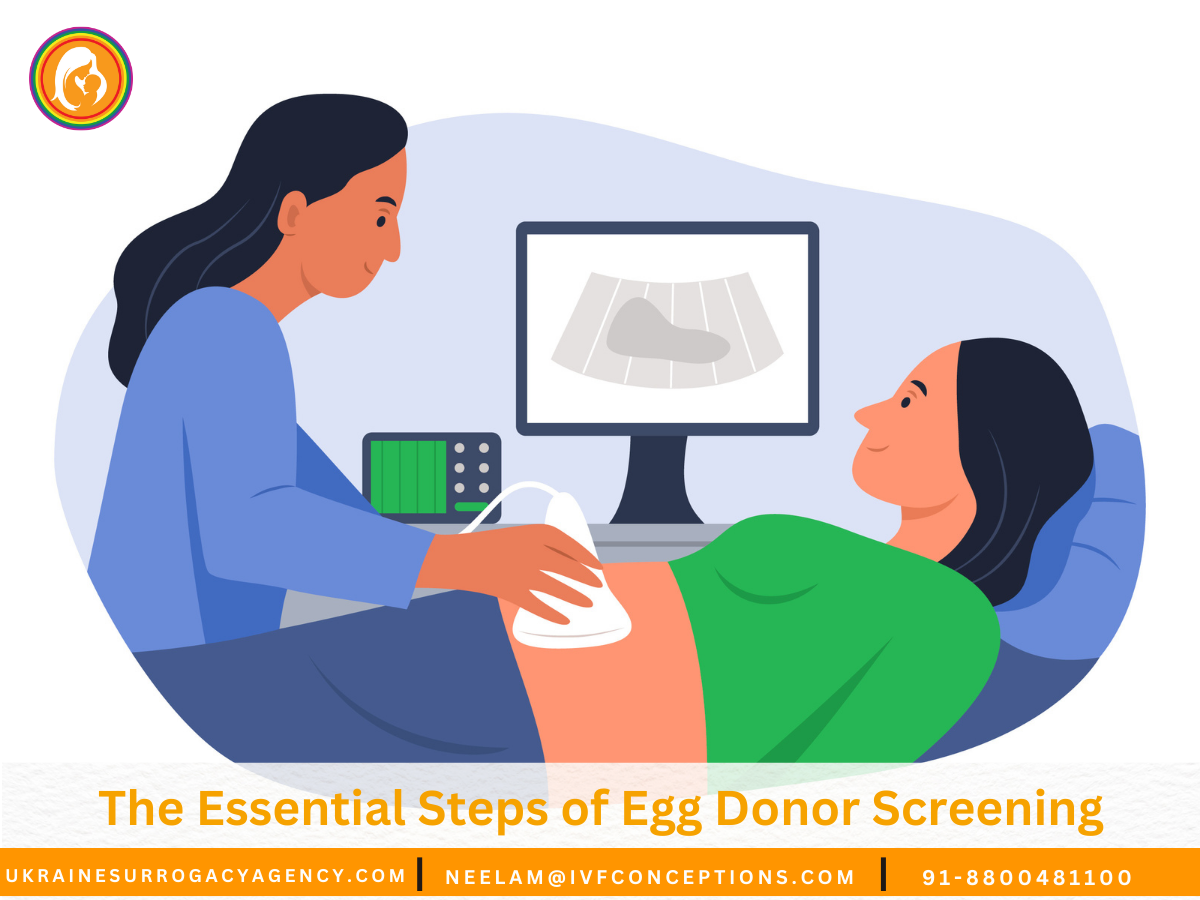
The essential steps of egg donor screening are designed to ensure safety, quality, and the highest chance of success for IVF and surrogacy programs. The process typically includes detailed reviews of medical and family history, genetic carrier testing, infectious disease screening, hormone evaluation, ovarian reserve testing, and a pelvic ultrasound, followed by a psychological assessment and lifestyle evaluation.
These comprehensive checks help fertility clinics select healthy, reliable donors, reduce medical and genetic risks, and support better embryo development and pregnancy outcomes for intended parents.
Key Takeaways
- The egg donor screening process is essential for ensuring the suitability of egg donors.
- Donor eligibility criteria include assessments of health, age, and lifestyle.
- Thorough evaluations help build trust for intended parents.
- Screening covers social, psychological, medical, and genetic aspects.
- Understanding donor motivations is crucial in the selection process.
- A comprehensive approach promotes safe experiences for all parties.
📞 Get in Touch for a Free Surrogacy Consultation
📱 +91-8800481100 (WhatsApp | LINE | Viber)
📧 neelam@ivfconceptions.com
🌐 www.ukrainesurrogacyagency.com

Understanding the Importance of Egg Donor Screening
Egg donor screening plays a vital role in the journey of intended parents and egg donors alike. The process ensures both the physical health and psychological well-being of all parties, fulfilling essential egg donation requirements. Through a comprehensive donor health assessment, clinics can effectively match recipients with optimal egg donors while minimizing health risks.
Ensuring Health and Safety for Intended Parents
Intended parents rely heavily on the quality and safety of donor eggs. A thorough donor screening process is fundamental. It aims to detect potential genetic disorders and health conditions that could impact the future child’s development. By prioritizing a proper health assessment, prospective parents gain peace of mind, knowing they have selected a healthy donor.
Protecting the Donor’s Well-Being
The screening process is not solely focused on the health of the recipients. It equally emphasizes the donor’s welfare. Comprehensive evaluations help ensure that donors are mentally and physically ready for the donation process. By offering educational resources and ongoing support, clinics foster a safe environment where donors can make informed decisions about their involvement.
General Requirements for Egg Donation
Egg donation programs emphasize the importance of selecting suitable candidates. Specific requirements help ensure that potential donors are healthy, reliable, and capable of contributing positively to the donation process. Understanding these requirements can guide individuals who are considering becoming egg donors.
Age and Health Criteria
Potential egg donors must meet particular age and health criteria. Typically, donors should be between the ages of 21 and 34. This age range is seen as optimal for fertility and overall health. The following are key points regarding egg donor qualifications:
- Must be in good health with no serious medical conditions.
- Menstrual cycles should be regular, indicating normal ovarian function.
- Clean medical history, free of genetic disorders that could affect offspring.
Lifestyle and Behavior Considerations
In addition to age and health, lifestyle and behavior considerations play a vital role in determining donor eligibility. Candidates must lead a healthy lifestyle, which includes:
- No smoking or drug use.
- A balanced diet and regular exercise habits.
- No high-risk behaviors that could impact health.
Understanding donor eligibility requirements not only aids in identifying ideal candidates but also helps maintain high success rates for families seeking assistance. Rigorous screening and egg donor medical tests evaluate these factors comprehensively.
The Egg Donor Screening Process
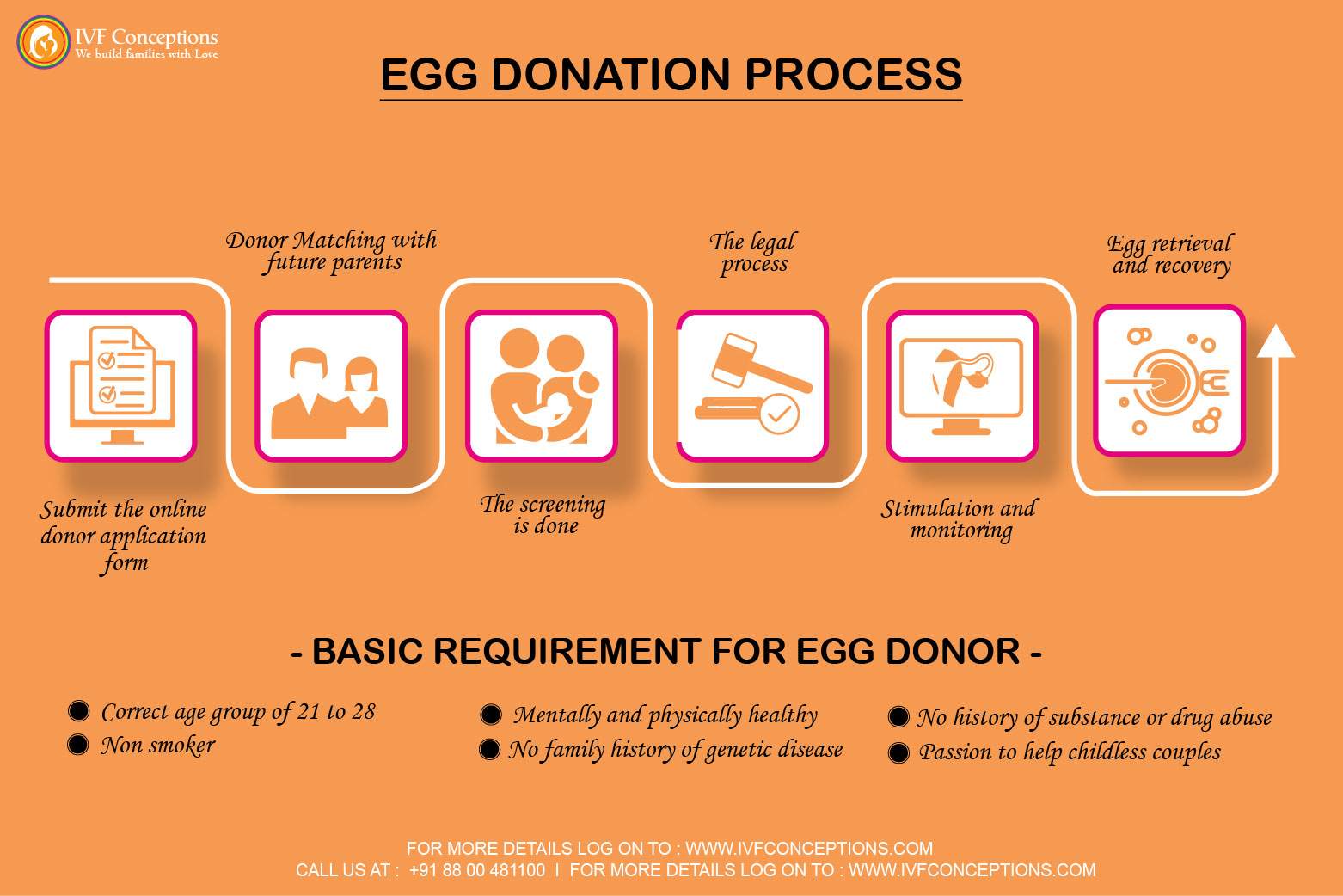
The egg donor screening process serves as a structured approach to assess potential donors through multiple, methodical phases. Each stage involves crucial evaluations to verify the donor’s suitability for the egg donation journey. Key elements of this process include rigorous egg donor screening and personalized egg donor evaluation, ensuring that both the donor and intended parents receive necessary insights and confirmations at every step.
Overview of Screening Phases
Initially, the screening includes a detailed egg donor assessment focused on personal, medical, and psychological evaluations. The phases usually encompass:
- Social Evaluation: Understanding the donor’s background and motivations.
- Psycho-Emotional Screening: Assessing mental health and emotional readiness.
- Medical and Genetic Tests: Comprehensive evaluations based on established screening criteria for egg donors.
Key Benefits of a Thorough Screening Process
A comprehensive approach to donor screening benefits all parties involved. For donors, it delivers valuable health insights and reassurance about their suitability. For intended parents, it affirms the qualifications of the donor and mitigates uncertainties associated with the donation process. Rigorous egg donor screening not only builds trust but also fosters a supportive environment throughout this crucial journey.
Medical and Genetic Evaluations
Ensuring the health and safety of both the egg donor and the resulting offspring involves a thorough medical and genetic evaluation. These evaluations confirm that the donor meets the necessary health standards and does not carry any genetic disorders that could be passed on. The importance of these assessments cannot be overstated.
Comprehensive Medical History Check
The first step in the medical evaluation for egg donors involves a detailed examination of the donor’s medical history. This process includes:
- Review of past medical conditions
- Assessment of family medical history
- Hormonal level assessments
- Screening for infectious diseases
A thorough egg donor medical exam aims to ensure that the donor’s physical health is optimal for the egg retrieval process. Such meticulous checks are essential in a comprehensive donor health assessment, as they help mitigate potential risks associated with egg donation.
Key Genetic Tests and Their Importance
In addition to the medical history check, key genetic tests play a crucial role in the screening process. These tests may include:
- Carrier screening for hereditary conditions
- Risk assessments for genetic disorders
- Discussions about family medical history to identify any hereditary issues
These genetic evaluations not only secure the donor’s health but also offer peace of mind to the intended parents. Identifying potential risks early ensures both the donor and the future child can be adequately supported and monitored, emphasizing the importance of comprehensive evaluations in the egg donation journey.
Additional resources to read:
IVF with Egg Donation in Ukraine
Egg & Sperm Donor Regulations Around the World.
Alternatives to Egg Donation in Surrogacy
Conclusion
The egg donor screening process is an essential and thorough evaluation that plays a pivotal role in assisted reproductive journeys. By adhering to stringent donor eligibility criteria, agencies ensure that both the intended parents and the egg donors are protected and supported throughout the process. This meticulous approach not only safeguards the health and well-being of all parties but also enhances trust in the surrogacy framework.
Moreover, through comprehensive assessments and thorough egg donor testing, organizations can achieve optimal egg donor matching. Understanding the nuances of this journey empowers potential donors and intended parents to make informed decisions. In doing so, they can significantly increase the chances of successful family-building outcomes.
Ultimately, the careful examination and collaborative effort involved in the egg donor screening process create a nurturing and respectful atmosphere for everyone involved. This commitment to rigorous standards and empathy ensures the best possible experiences in the realm of assisted reproduction.
💫 Why Intended Parents Choose Complete Surrogacy for a Safe, Smooth & Successful Surrogacy Journey:
🌍 Access to multiple surrogacy destinations with 15+ years of international experience
🏥 Partnerships with top-tier fertility clinics and agencies, backed by references from past clients
👩🦱 Diverse egg donor options: Asian, Caucasian, African, Oriental, and more
💸 Transparent and affordable pricing—direct payments with no extra agency fees
🔒 No hidden costs—all charges are agreed upon upfront
🤝 Dedicated case manager for personalized support
📲 Fast, honest, and clear communication throughout
📑 Full legal support for visas, documentation, and baby exit processes
🚚 Assistance with frozen sperm/embryo shipment logistics
FAQ: Essential Steps of Egg Donor Screening
What steps are involved in the egg donor screening process?
The egg donor screening process involves multiple phases, including social assessments, psychological evaluations, medical examinations, and genetic screenings. Each step is carefully designed to ensure the donor’s mental and physical suitability for the donation.
What are the general requirements to become an egg donor?
Typically, potential egg donors should be between the ages of 21 and 34, have good fertility health with regular menstrual cycles, and lead a healthy lifestyle, which includes being non-smokers and drug-free.
Why is thorough donor screening important for intended parents?
Thorough donor screening is crucial as it mitigates risks associated with donor eggs, ensuring both donors and intended parents are protected from health concerns and genetic complications while fostering a safe environment for creating families.
What is included in the psychological screening for egg donors?
Psychological screening includes standardized tests and interviews to evaluate the donor’s mental health, emotional readiness, family history, life stressors, and motivations. This assessment ensures that the donor can cope with the complexities of the donation process.
How is donor eligibility determined during the donor health assessment?
Donor eligibility is determined through a comprehensive evaluation of medical history, hormonal levels, lifestyle choices, and specific tests for infectious diseases, ensuring the donor meets rigorous standards necessary for their health and the health of future children.
What role does social screening play in the donor evaluation process?
Social screening provides an initial understanding of the potential donor, involving interviews to explore personal goals, hobbies, and future family aspirations. This foundational step helps create a detailed profile for optimal egg donor matching.
Are there any legalities to consider in the egg donation process?
Yes, there are important legal aspects associated with egg donation, including contracts that outline the rights and responsibilities of the donor and intended parents, as well as parental rights regarding the resulting children.
What do medical evaluations typically assess in potential egg donors?
Medical evaluations assess various health factors including comprehensive medical history, hormonal levels, and tests for infectious diseases. These evaluations are critical to determining the donor’s physical readiness for egg donation.
What genetic tests are generally performed on egg donors?
Genetic testing typically includes discussions about family medical history as well as specific tests to identify heritable conditions. These tests help ensure both donors and the resulting children are safeguarded against harmful genetic factors.

Highly esteemed, authoritative, and trusted professional with a 14-year of experience in international surrogacy. Advocate for Secure, Legal, and Affordable International Surrogacy.
Neelam Chhagani, MA (Counselling Psychology) and Holistic Infertility and Third-Party Reproduction Consultant.
Member of European Fertility Society, Best Surrogacy Blogger of 2020, with 300 dedicated blogs, and top contributor on Quora for Surrogacy.
Add Your Comment